Provence, France
Muscat de Beaumes-de-Venise
Muscat de Beaumes-de-Venise is a named French wine appellation associated with Provence, defined by its terroir and regulated style.

Global food category
285 traditional foods, ingredients, and local specialties connected by one appetite.
Muscat de Beaumes-de-Venise
The full directory
285 foods match this view. Narrow them by country, type, rarity, or name.
Provence, France
Muscat de Beaumes-de-Venise is a named French wine appellation associated with Provence, defined by its terroir and regulated style.
Tunisia
مسكات قليبية
Dry white from Muscat d'Alexandrie grown on the Cap Bon peninsula around Kelibia — aromatic on the nose but bone dry on the palate.
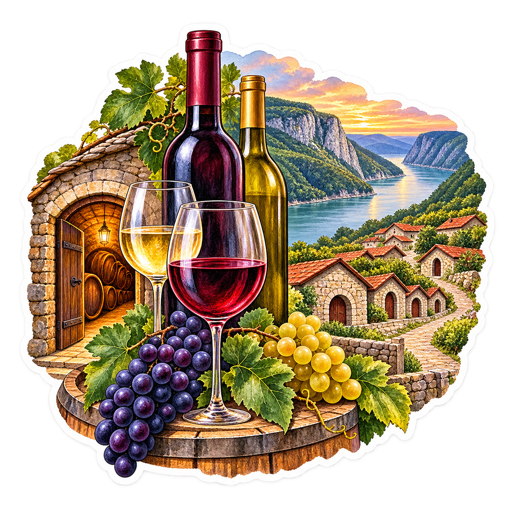
Serbia
Неготинска вина
Wines from the eastern valley near the Danube gorge, stored in the pivnice — clusters of stone wine cellars built as small villages.
Moldova
A named dark red wine blend from Purcari, built around concentrated black fruit, oak spice, and a long, structured finish.
Racha-Lechkhumi and Kvemo Svaneti, Georgia
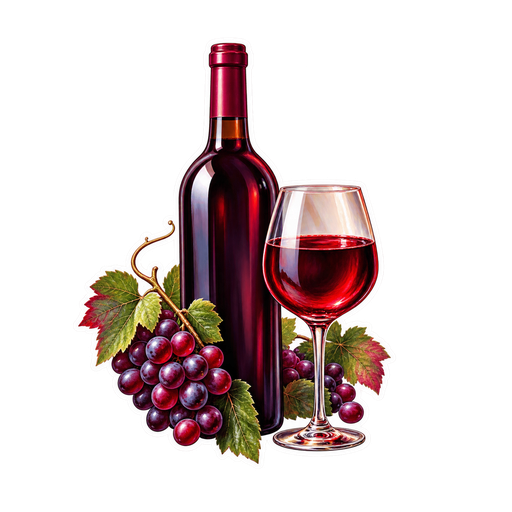
Ოყურეშის უსახელოური
Okureshis Usakhelouri is a protected red wine from Racha made from the local grape, prized for its small production and fragrant, berry-led palate.
Andalusia, Spain
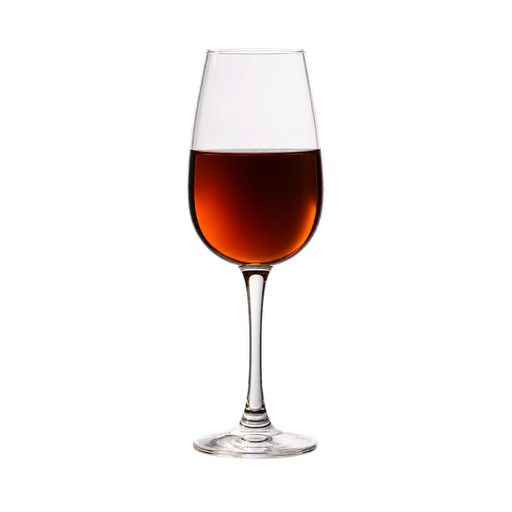
Oloroso
A full-bodied, oxidative sherry with a dark amber color and complex nutty, leathery, and balsamic aromas, aged without flor.
Myanmar
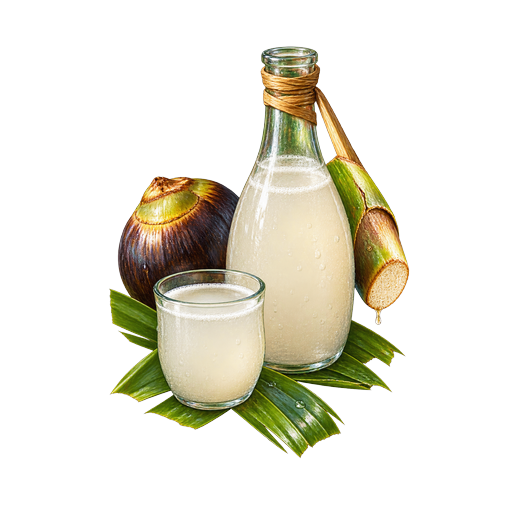
ထန်းရည်
Sap tapped from the toddy palm at dawn and drunk fresh and sweet, or left through the day to ferment into a cloudy, sour beer.
Guinée Forestière (Nzérékoré / Forest), The Gambia
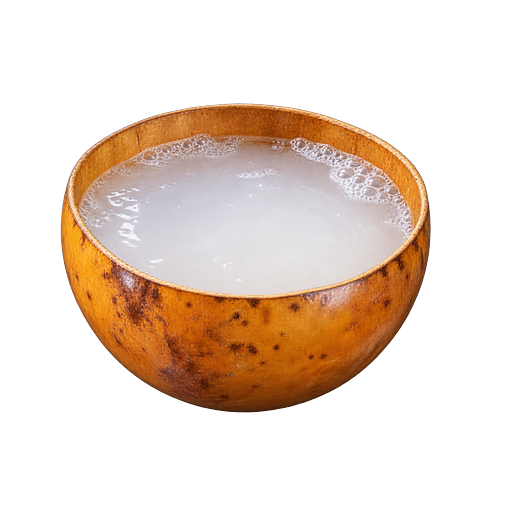
Emu
Sap tapped from a palm tree and fermenting from the moment it is collected — milky, sweet in the morning, sour and stronger by evening.
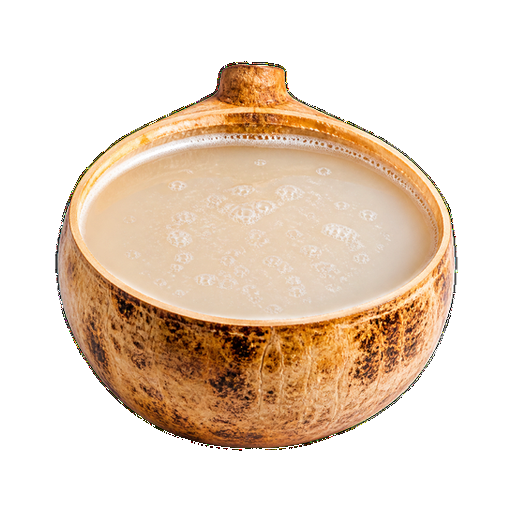
Philippines
Tuba
A fermented palm sap wine, freshly collected and mildly alcoholic, with a sweet-tart, slightly fizzy taste.
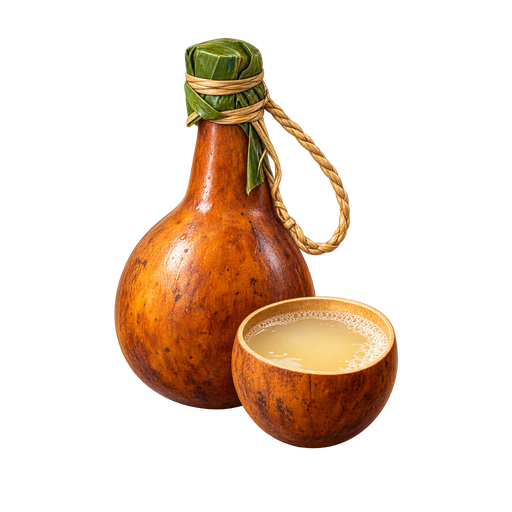
Sao Tome and Principe
Djogo
Traditional Santomean palm wine; called djogo locally; made from the sap of palm trees; sweet, tangy, and slightly alcoholic; a traditional drink of the islands; served at gatherings and celebrations; the palm wine of Sao Tome; a refreshing fermented beverage.
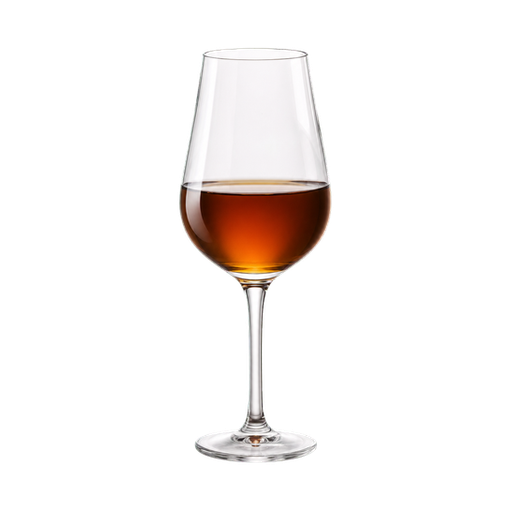
Andalusia, Spain
The rarest dry sherry style, combining the refined elegance of Amontillado with the robust body of Oloroso, a complex and hard-to-find wine.
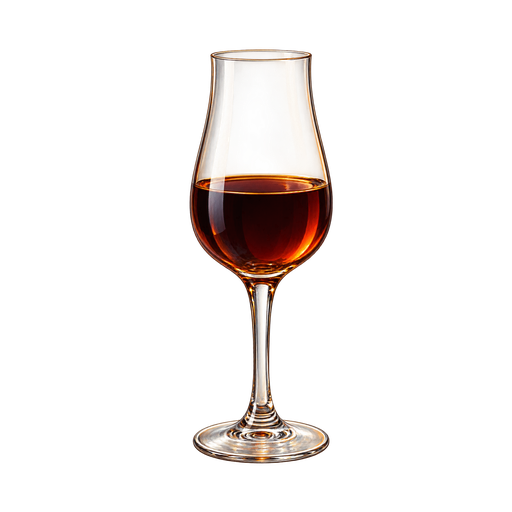
Andalusia, Spain
A sweet, thick, dark sherry made from sun-dried Pedro Ximenez grapes, with intense notes of dried fruit, honey, vanilla, and chocolate.
Australia
Grange
Australia's most legendary wine, Shiraz-based since 1951, multi-region blend, Heritage Icon of South Australia, complex flavors with good structure, a collectible and prized wine.

Slovenia
Slovenian traditional-method sparkling wine, made in Bizeljsko and Radgona since the mid-1800s and drunk at every celebration.
Valais, Switzerland
A white wine from an indigenous Swiss grape grown in Valais, producing dry, floral wines with grapefruit and rhubarb notes.
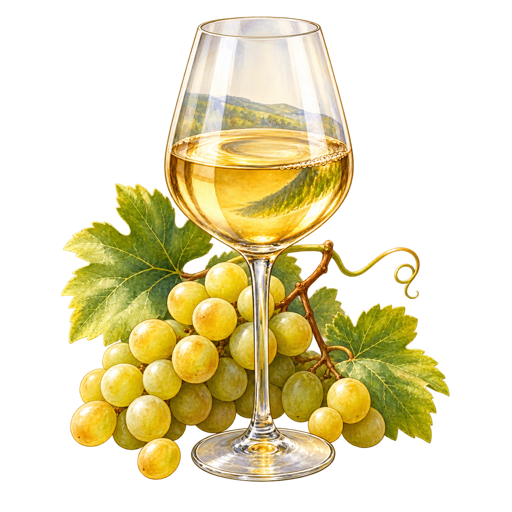
Slovenian Littoral, Slovenia
Pinela is a white wine from the Vipava Valley, served young with bright acidity and orchard-fruit notes.
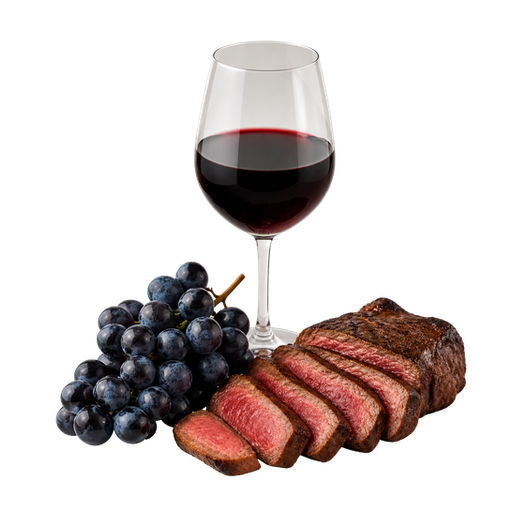
South Africa
South Africa's signature red wine grape, a cross of Pinot Noir and Cinsault, producing fruity and smoky wines. A national and international star
Dalmatia, Croatia
Plavac Mali
In Dalmatia, Plavac Mali Wine is powerful tannic Dalmatian red wine grape.
Northern Portugal, Macao
Vinho do Porto
Fortified wine from the Douro Valley, ranging from ruby to tawny and vintage.
France
Pouilly Fume is a named French wine appellation associated with France, defined by its terroir and regulated style.
Dalmatia, Croatia
Pošip
Indigenous white grape from Korčula, most planted white in Dalmatia, full-bodied yet fresh with herbal and mineral notes, aromatic.
Catalonia, Spain
Catalan DOCa red, powerful and mineral.
Serbia
Прокупац
The country's indigenous red grape, once the workhorse of the region and now revived by small producers as a light, peppery varietal.

Veneto, Italy
Veneto's sparkling wine made primarily from Glera grapes, produced in large tanks (Charmat method). The base of Aperol Spritz and Bellini.
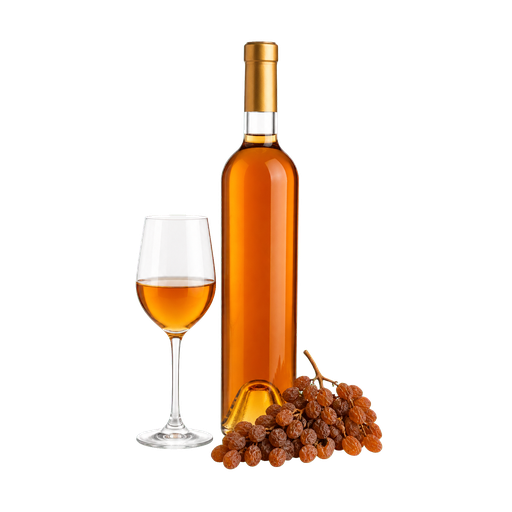
Dalmatia, Croatia
Prošek
Traditional Dalmatian dessert wine made from dried grapes, sweet and rich, similar to Italian passito, used in cooking and desserts.
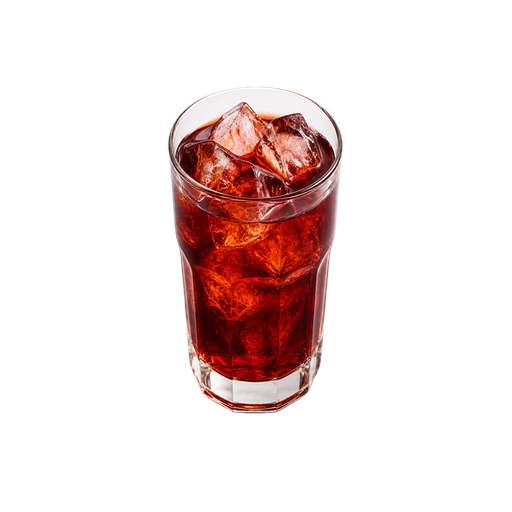
Milan, Italy
Milanese bitter aperitif of vermouth and Campari, the name means 'point and a half' (one part sweet, half part bitter). A historic Milanese drink.
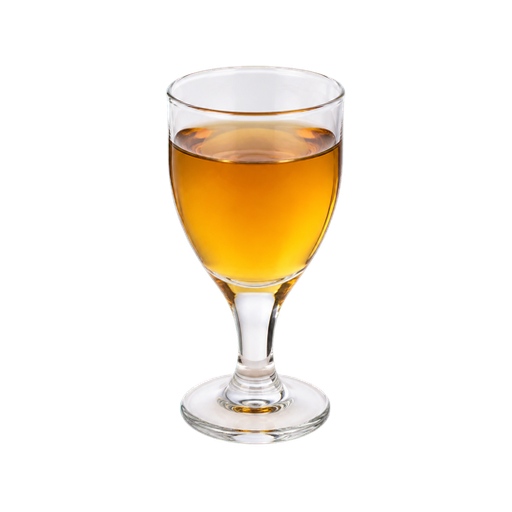
Poland
The strongest and finest Polish mead, made with one part honey to half part water, aged for years. A sweet, potent, luxurious drink, a nobleman's tradition, served in small glasses.
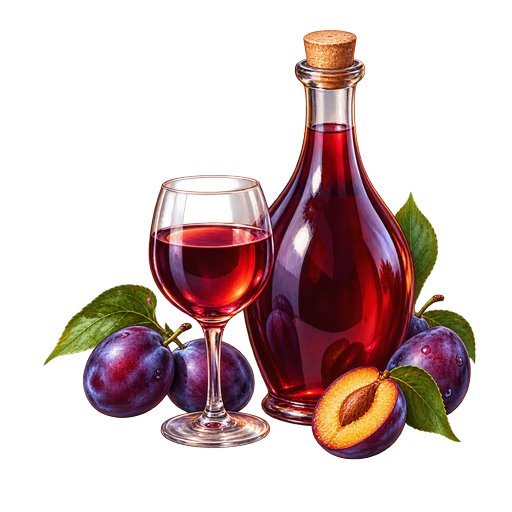
Luxembourg Moselle, Luxembourg
Quetschewäin
Ruby plum wine fermented from Moselle quetsche plums, a Luxembourg speciality.
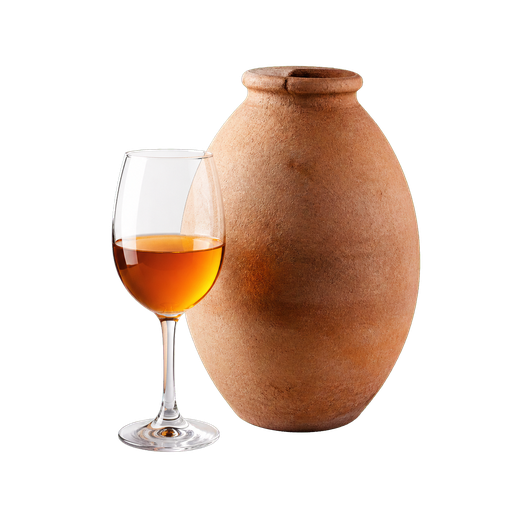
Georgia
Ქვევრის ღვინო
Wine fermented and aged with skins and stems in an egg-shaped clay vessel buried to the neck in the ground, producing tannic amber whites.
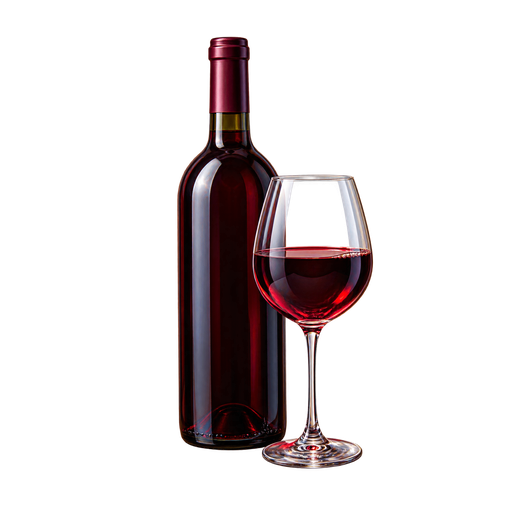
Gjakova, Kosovo
Vera e Rahovecit
Red wine from the vineyards around Rahovec, historically Vranac and Prokupac grown on the terraces above the town.
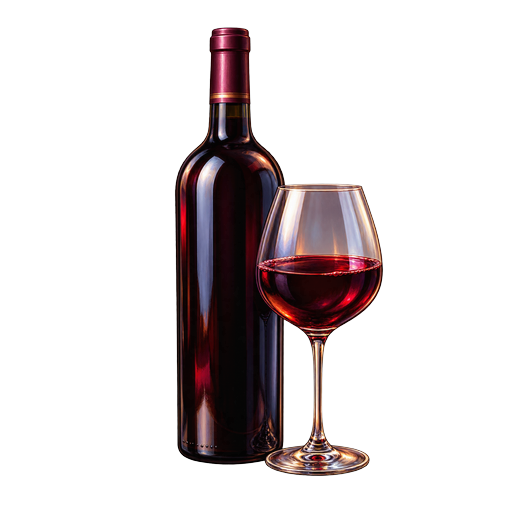
Romanian Moldavia, Moldova
Băbească Neagră
A bottled red wine made from the Rară Neagră grape, called Băbească Neagră in Romania, with light cherry and plum fruit and fresh acidity.
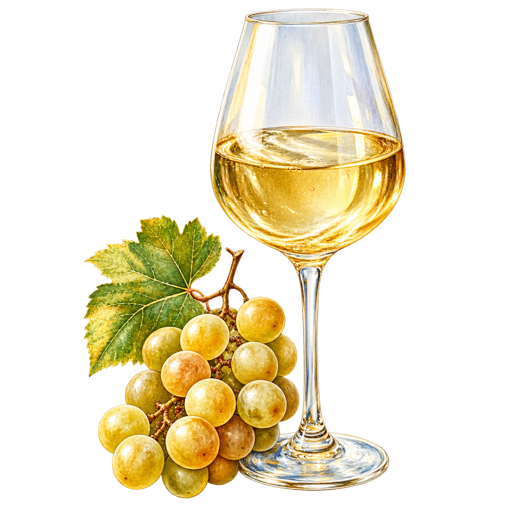
Slovenian Littoral, Slovenia
White grape of the Goriška Brda hills, made both fresh and, increasingly, in long skin contact in amphorae, turning it orange and tannic.
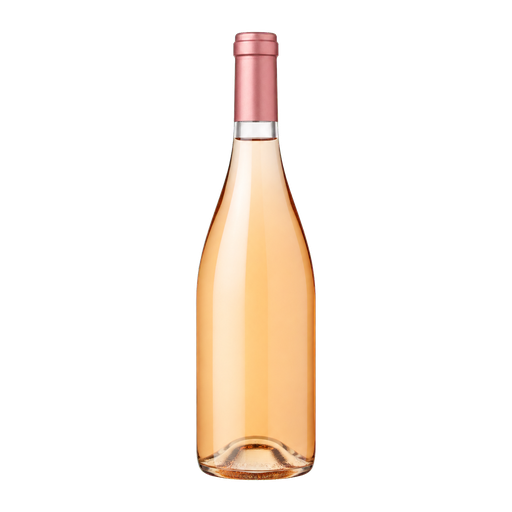
Bulgaria
Червен мискет
Aromatic white wine pressed from a pink-skinned Bulgarian grape grown around Sungurlare and Karlovo — floral, off-dry, low in acid.
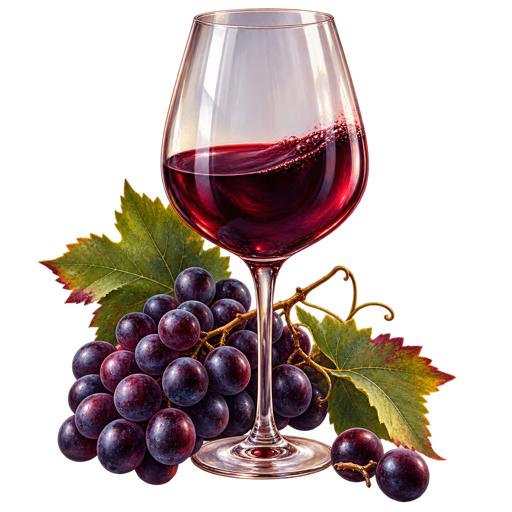
Slovenian Littoral, Slovenia
Refošk is a dark red wine from the Slovene Littoral, bought and served as a dry table wine.
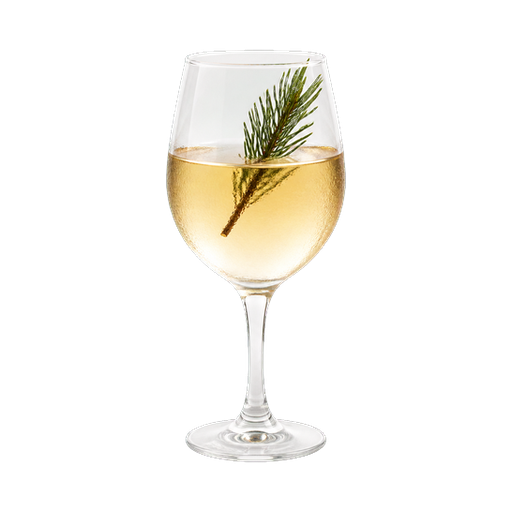
Attica, Greece
Ρετσίνα
Greek white or rosé wine flavored with pine resin, a tradition since antiquity. A national wine, served chilled with meze and grilled fish, a distinctive and resinous drink, a cultural icon.
Spain
Ribera Del Duero
Tempranillo red from one of Spain's most prestigious DOs.