
Wine
Prosecco
Veneto, Italy

Northeastern Italian wines made mainly from Glera grapes, best known in sparkling form. Prosecco DOC includes white and rosé wines; the rosé style also uses Pinot Noir. DOC and DOCG labels identify different production areas and styles.
 Wine

A closer look
 A closer look
What to look for.
Check whether the bottle is spumante, frizzante or tranquillo; carbonation and sweetness vary by style.
Geographic connections
Places and
traditions.
Explore the places connected to Prosecco, from possible origins to local traditions.


Other names & spellings 1
Related foods
Explore related foods.

Keep exploring
More foods to discover.

Abruzzo, Italy
Abruzzo
Abruzzo DOC includes wines from the Italian region of Abruzzo, including whites made from Pecorino or Passerina grapes.
Peloponnese, Greece

Agiorgitiko
Αγιωργίτικο
Red wines made from the Agiorgitiko grape, associated with Nemea in the Peloponnese. Styles range from fresh, fruit-led wines to fuller reds matured in oak.
Basilicata, Italy
Aglianico
Aglianico is a dark-skinned grape used for red wines, especially in Basilicata and Campania. Regional expressions include Aglianico del Vulture and Aglianico del Taburno.
Italy
Aglianico del Taburno
Aglianico-based wine from the Taburno area of Benevento in Campania. The DOCG includes red and riserva wines as well as a separately named rosato style.
Italy
Aglianico del Taburno rosato
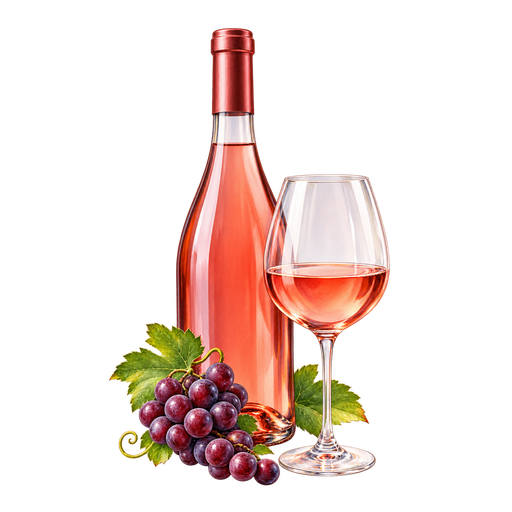
The rosé style of Aglianico del Taburno DOCG, made in the Benevento area of Campania. It combines a pink colour with fresh, fruity aromas and a dry palate.
Italy
Aglianico del Vulture
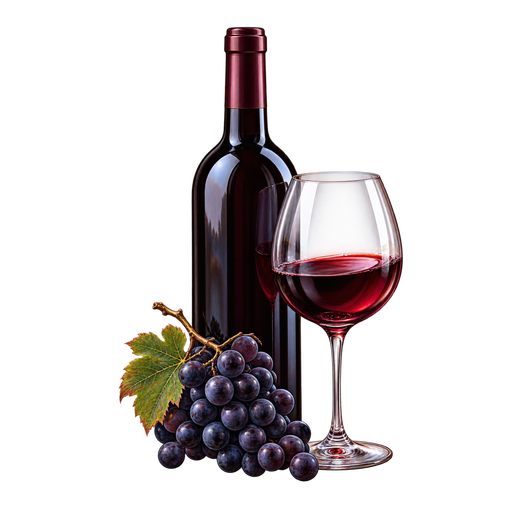
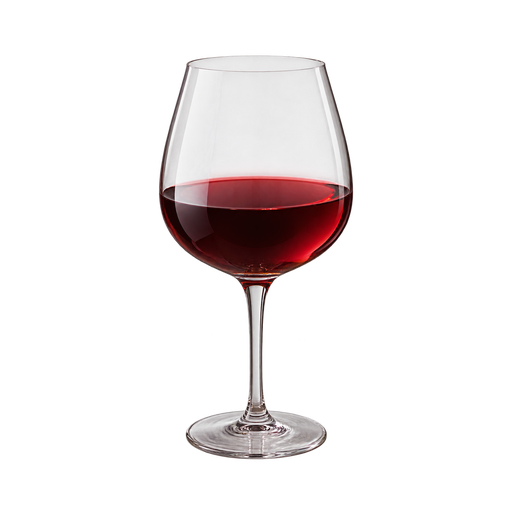
A red wine made from Aglianico grapes around Monte Vulture in northern Basilicata. Its characteristic style is dry and ruby-red.
Rhineland-Palatinate, Germany

Ahr Wine
Ahr
Wines from Germany’s Ahr Valley, especially red wines made from Spätburgunder and Frühburgunder. The region also produces white wines.
Greece
Aidini
Αηδίνι
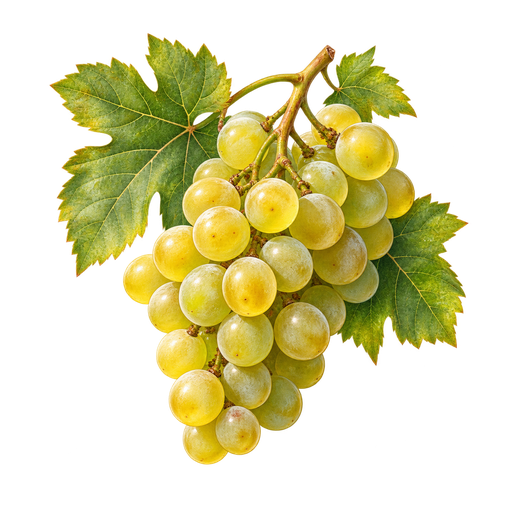
Aidani is a white grape associated especially with Santorini, used in varietal wines and blends with Assyrtiko. Wines can show floral, citrus and stone-fruit aromas.