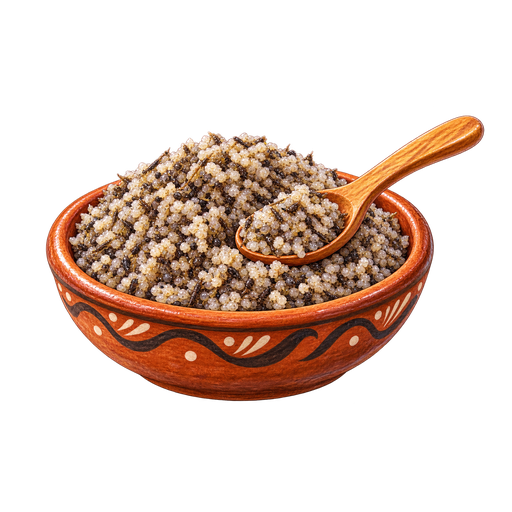
Mexico
Ahuatle
An Aztec-era delicacy of tiny aquatic fly eggs, gathered from lake reeds, toasted and eaten like caviar.

Global food category
32 traditional foods, ingredients, and local specialties connected by one appetite.
Ahuatle
The full directory
32 foods match this view. Narrow them by country, type, rarity, or name.
Mexico
An Aztec-era delicacy of tiny aquatic fly eggs, gathered from lake reeds, toasted and eaten like caviar.
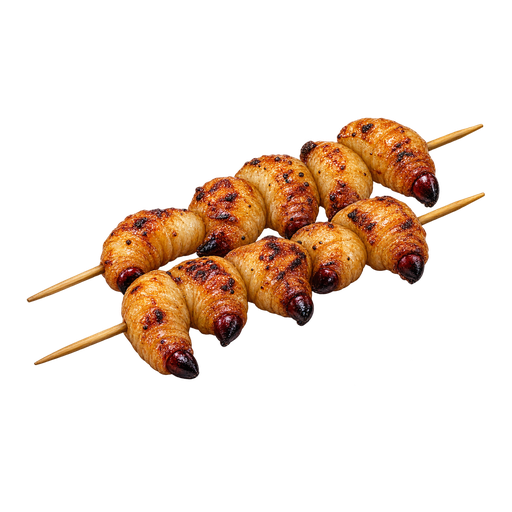
Loreto, Peru
Loreto palm grubs grilled on skewers, a rare Amazonian seasonal food.

South Korea
번데기
Beondegi, steamed silkworm pupae sold in paper cups from street carts, is a named Korean street food and a genuine test-of-nerve collectible.
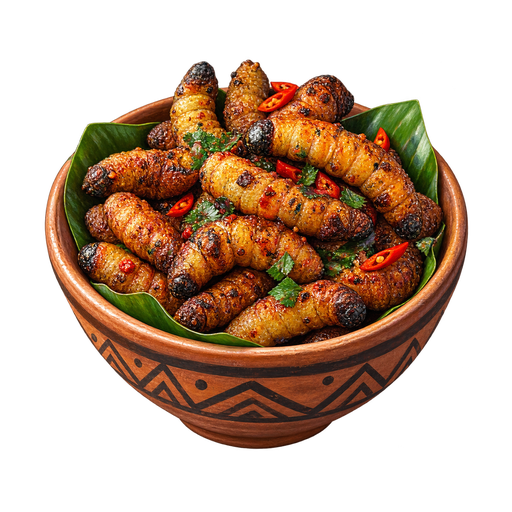
Angola
Palm caterpillars fried hard with garlic and served with rice or funge.
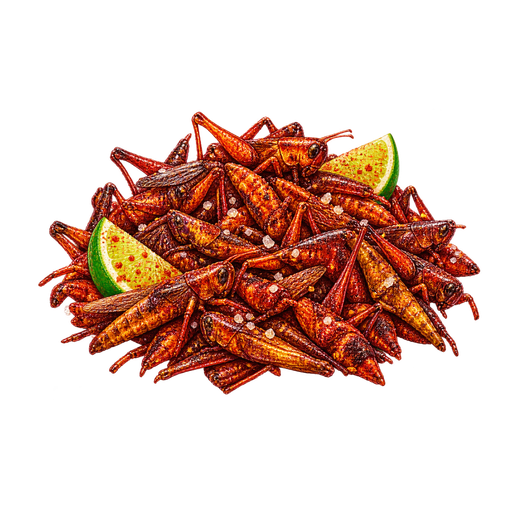
Oaxaca, Mexico
Toasted grasshoppers, seasoned with lime, garlic, and chile — a crunchy Oaxaca snack.
Oaxaca, Mexico
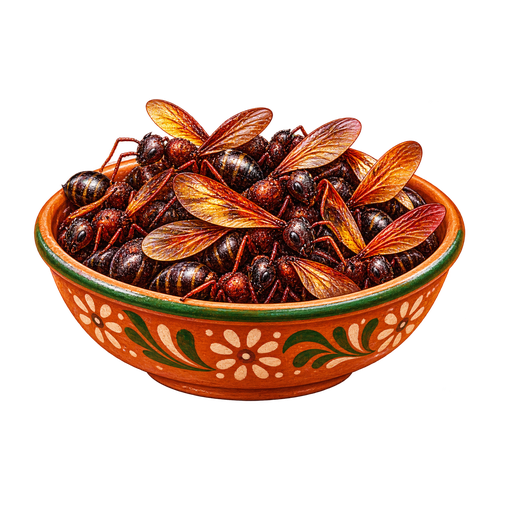
An Oaxacan flying ant, toasted and eaten as a snack or ground into sauces.
Mexico
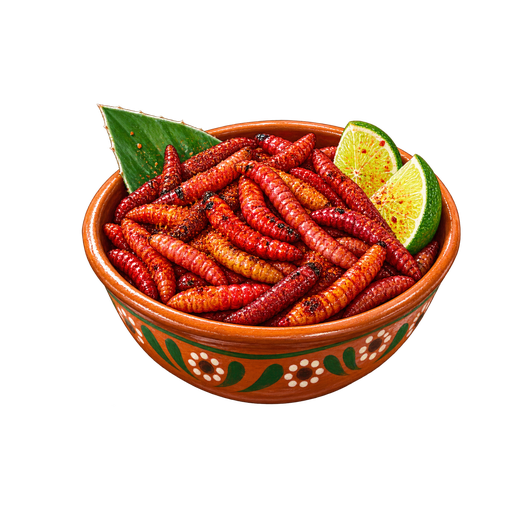
Red agave worm larvae, toasted or fried, eaten as a crunchy delicacy.
Bobo-Dioulasso, Burkina Faso
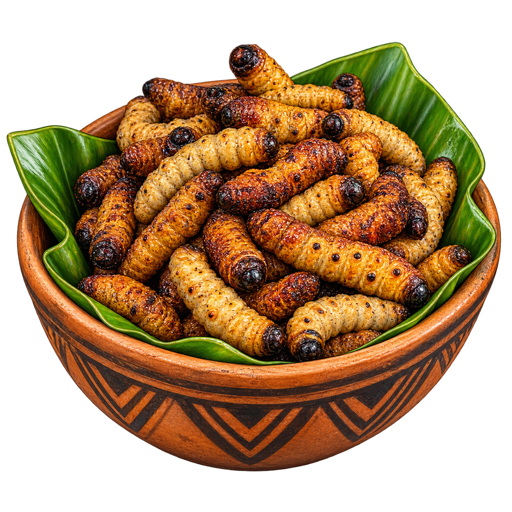
Shea tree caterpillars, a seasonal delicacy (July-September); fried, cooked in sauce, dried, or powdered; high in protein; a Bobo ethnic specialty around Bobo-Dioulasso.
Ecuador
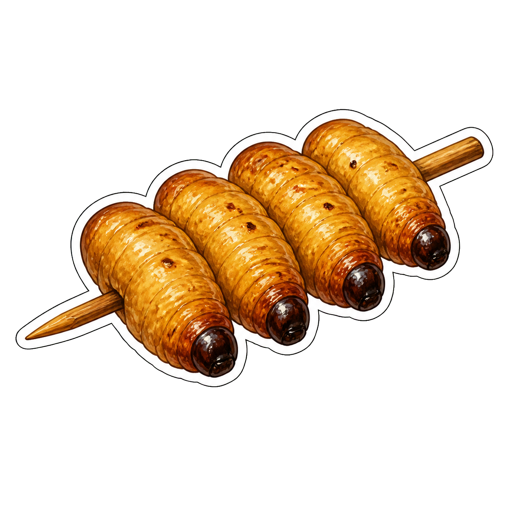
Edible palm worm from the Ecuadorian Amazon, grilled on skewers or eaten raw. A high-protein Amazonian delicacy with a creamy, nutty flavor.
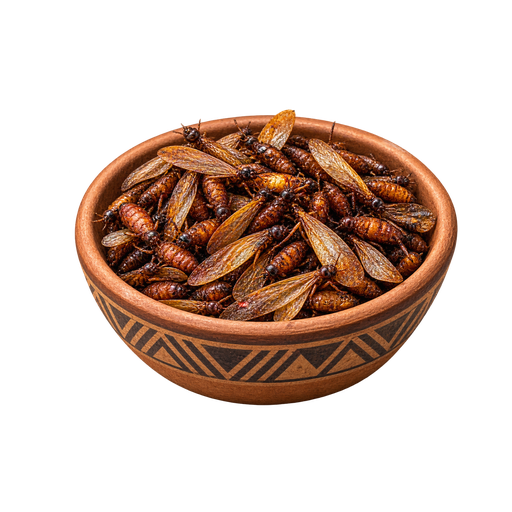
Republic of the Congo
Termites
Flying termites collected during the rainy season, roasted or fried until crisp; eaten as a snack or alongside boiled manioc and beans.
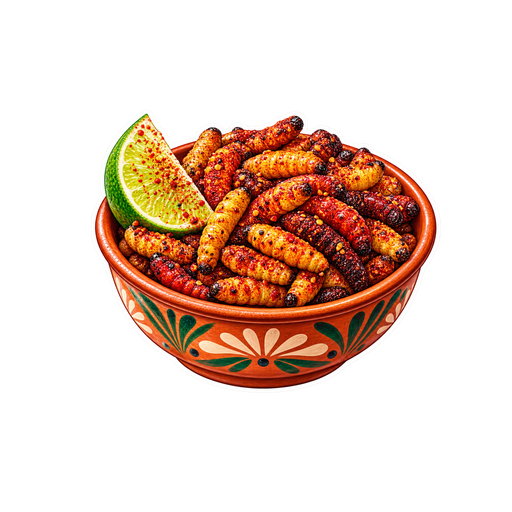
Mexico
Edible xamues, also called cuchamas, the plump stink bugs collected seasonally and toasted or cooked in Mexican chile dishes.
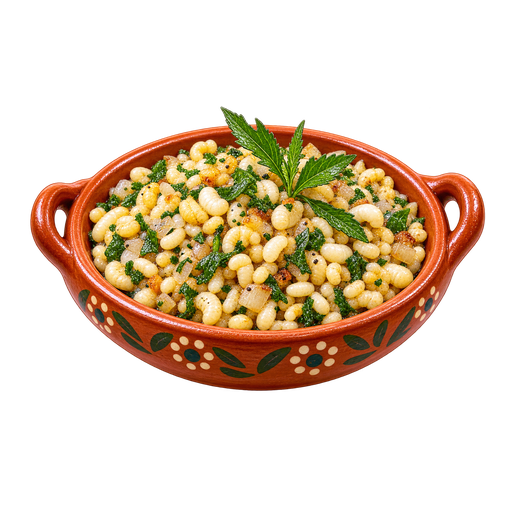
Mexico
The 'Mexican caviar': ant larvae, sautéed with butter, garlic, and epazote until creamy.
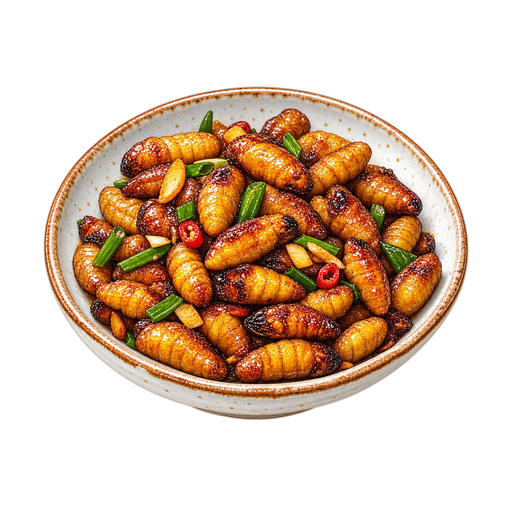
Yunnan, China
油炸蜂蛹
Fried bee pupae, eaten with rice wine in Yunnan, is a named regional insect dish.
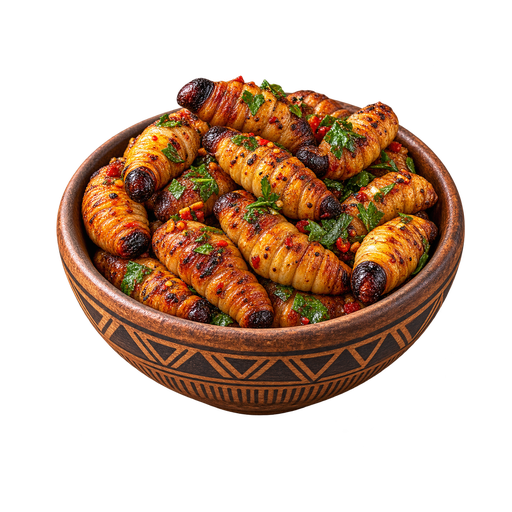
Haut-Ogooué (Southeastern / Franceville), Gabon
Chenilles
Edible caterpillars (Parotis baldersalis) collected from Tabernaemontana crassa trees on the Plateaux Bateke; an important source of protein; pan-fried or stewed with vegetables.
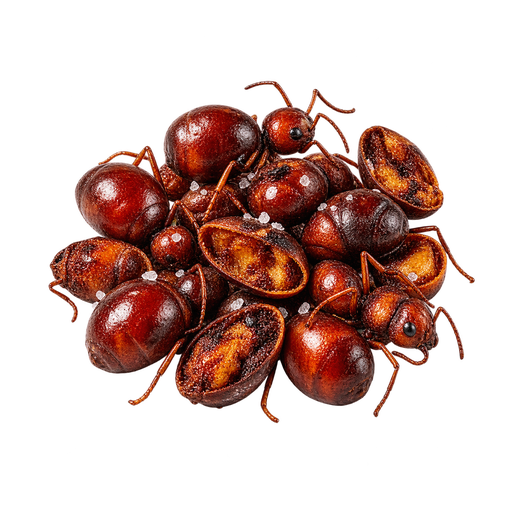
Santander, Colombia
A Santander specialty of large, roasted leaf-cutter ants (hormigas culonas), eaten as a salty snack. A pre-Hispanic indigenous delicacy, crunchy and nutty.
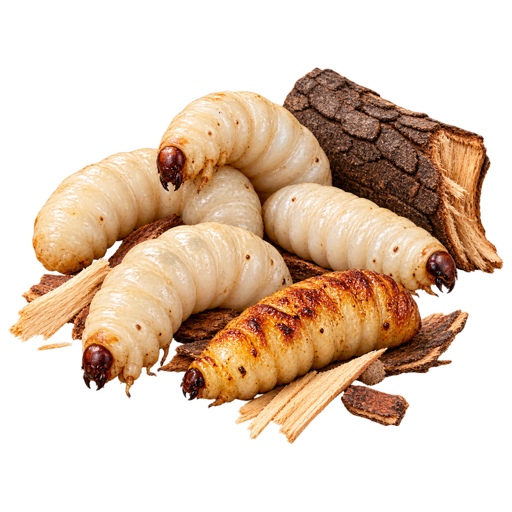
New Zealand
Fat white larvae of the huhu beetle, dug from rotting logs; a Māori bush-food delicacy traditionally eaten raw, tasting to most palates like peanut butter crossed with chicken skin.
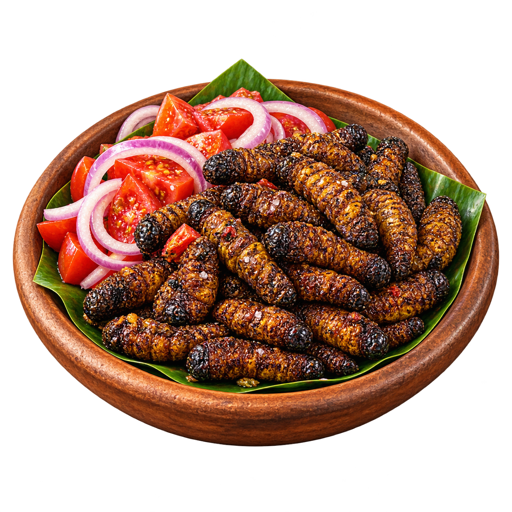
Zambia
Ifishimu
Mopane worms or caterpillars of the emperor moth; called ifinkubala in Bemba and vinkubala in Chinyanja; probably originated among the Bemba tribe in northern Zambia; fried until crispy or boiled then fried; served with tomatoes and onion alongside nshima; a protein-rich snack or relish; also dried and powdered into seasoning; a Zambian delicacy.
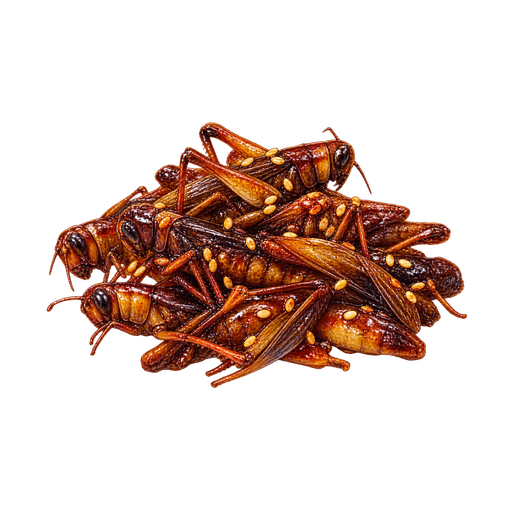
Chubu, Japan
いなごの佃煮
Inago no tsukudani, rice grasshoppers simmered in soy and sugar, is a named Nagano preserve and a genuine collectible.
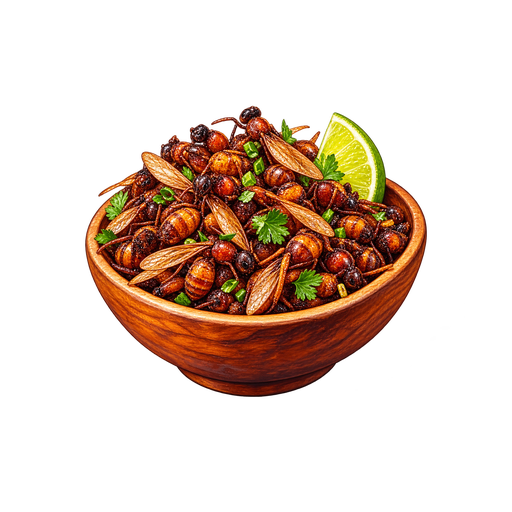
Brazil
Fried içá ants from the Paraíba Valley, eaten as a rare seasonal delicacy with a crisp, nutty bite.
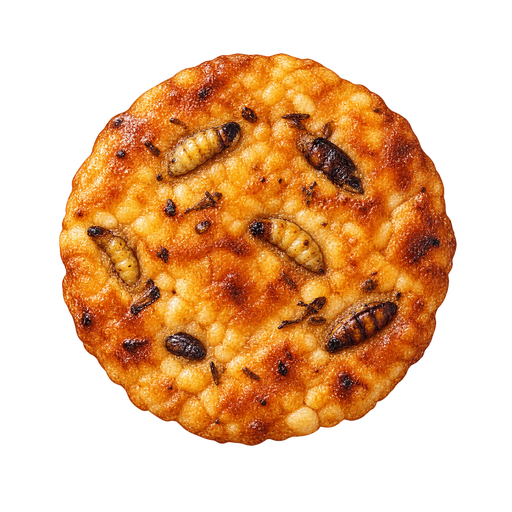
Chubu, Japan
地蜂せんべい
Jibachi senbei, wasp larvae baked into rice crackers by a single Nagano preservation society, is singular and place-bound.
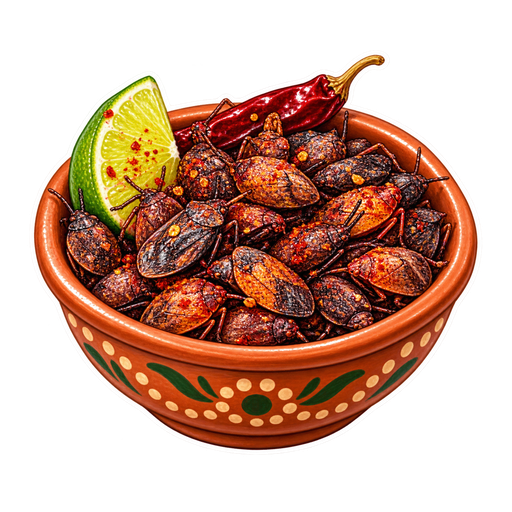
Mexico
Jumiles from the Taxco area of Guerrero, eaten toasted or fresh in tacos and ground into pungent green salsa during their cool-season harvest.
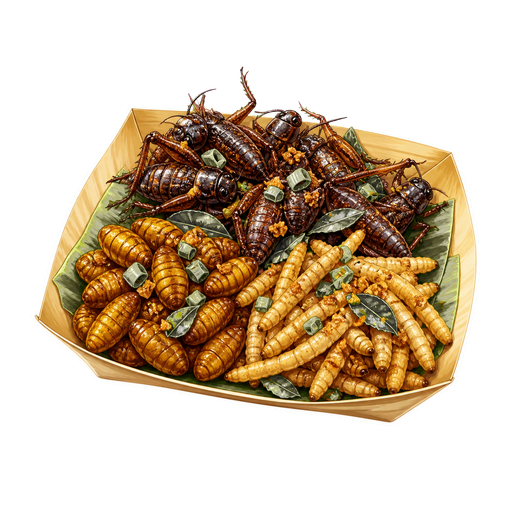
Thailand
แมลงทอด
Malaeng thot, the fried-insect cart with crickets, silkworm pupae, bamboo worms and grasshoppers, is a named Thai street institution.
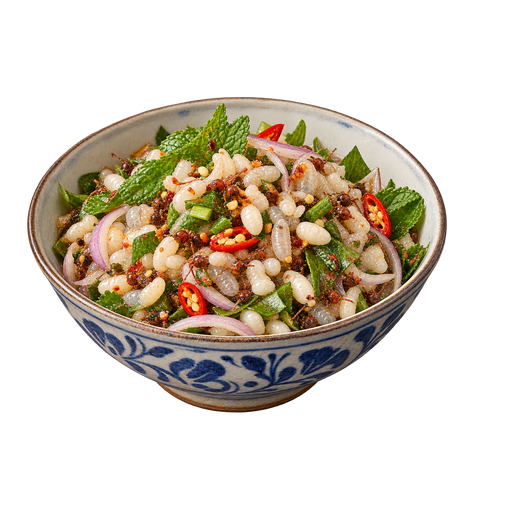
Isan (Northeastern Thailand), Thailand
มดแดง
Mod daeng (red ant eggs), gathered from nests in a short spring window and eaten in salads and omelettes, is a named seasonal Isan delicacy.
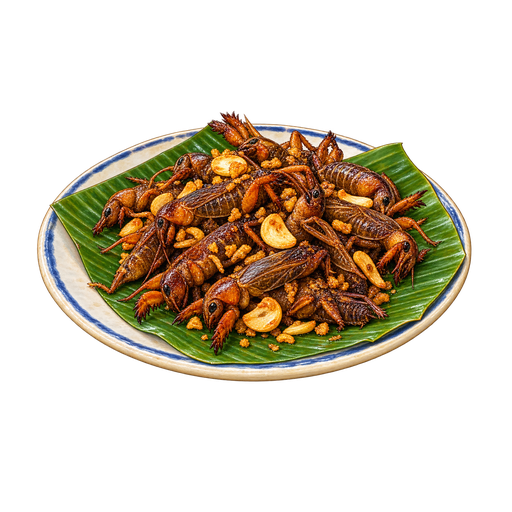
Pampanga, Philippines
Kamaru
A Kapampangan dish of mole crickets (rice field crickets) sauteed in garlic, onions, and tomatoes.
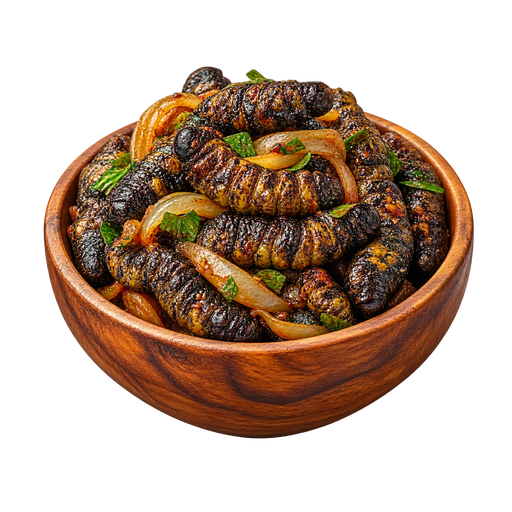
Namibia
Mopane worms in their dried form — the caterpillars of Gonimbrasia belina, harvested from mopane trees and dried for storage; a key protein source in northern Namibia, rehydrated and fried when needed.
Botswana
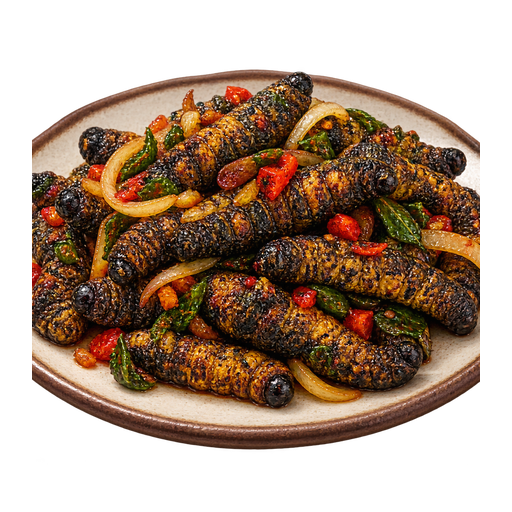
Phane
Mopane worms — caterpillars of Gonimbrasia belina, cooked in hot ashes, boiled, or dried and fried with chili and garlic; a highly nutritious protein source and delicacy of Botswana, harvested from mopane trees.
Namibia
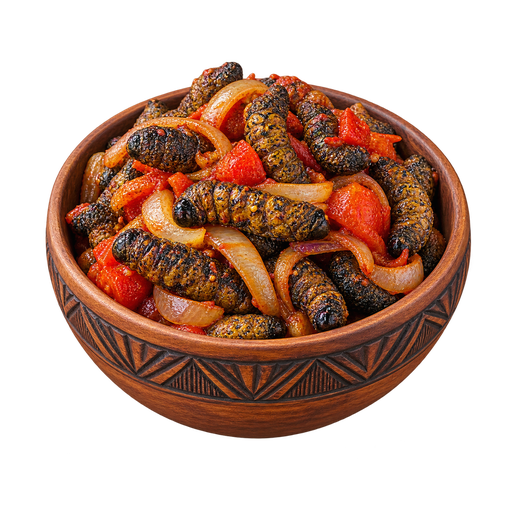
Omagungu
Fried mopane worms — caterpillars of Gonimbrasia belina collected from mopane trees, fried with chilies, tomatoes, and onions until crispy; a traditional Namibian delicacy and protein source.
Angola
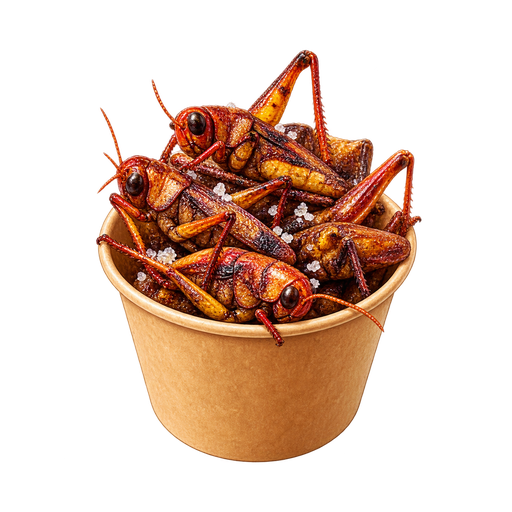
Gafanhotos de palmeira
Grasshoppers gathered from palm trees, toasted with salt and eaten by the handful or served with game meat.
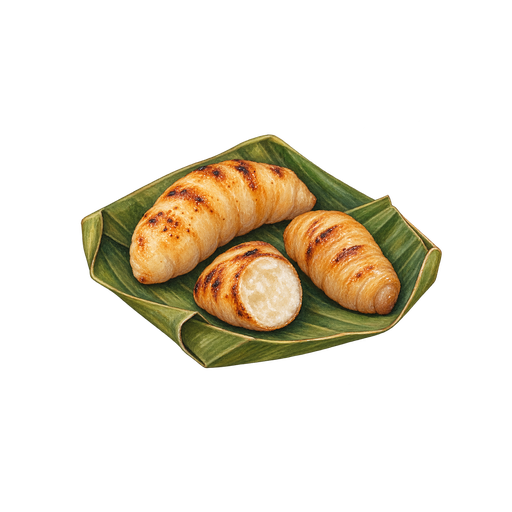
Sabah, Malaysia
Sago Grub, called Butod, is the large sago-palm larva eaten fresh or cooked in parts of Sabah.
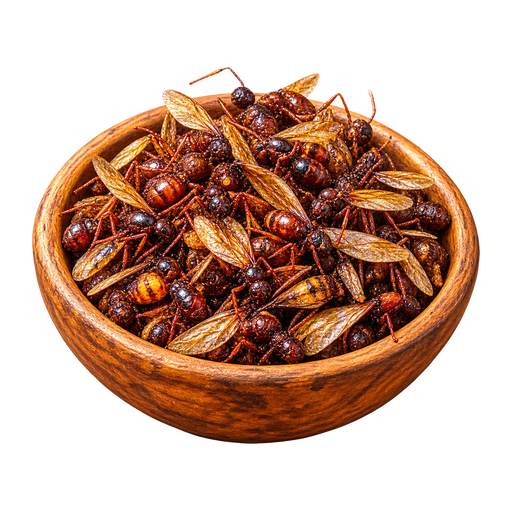
Peru
Flying ants collected during the Alto Mayo season and toasted as a crunchy Amazonian snack.
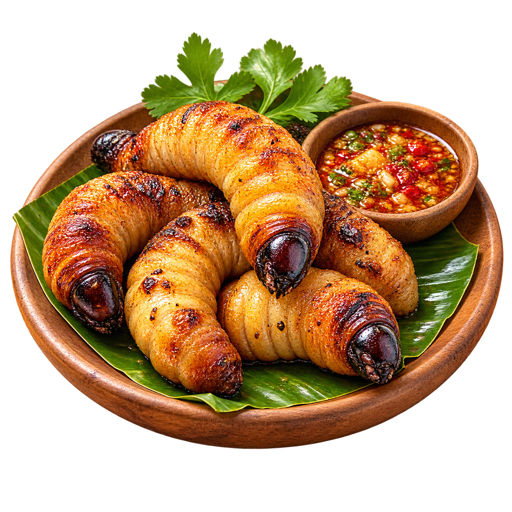
New Caledonia
Ver de bancoule is a large bancoule beetle larva eaten as an insect in New Caledonia; it is cleaned and cooked until the outside firms and the centre stays rich.
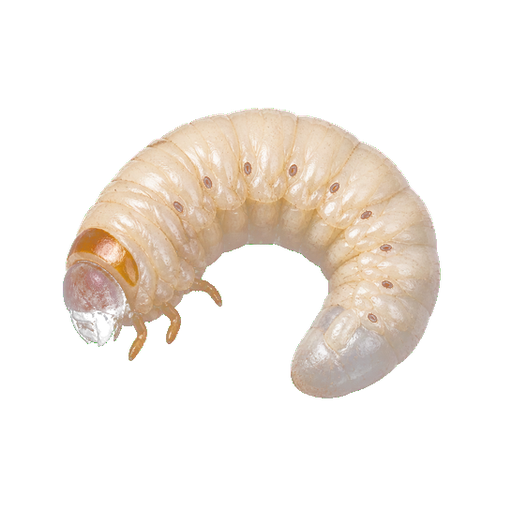
Australia
Witjuti Grub
A witchetty grub is a large edible wood-boring larva eaten raw or lightly roasted in Aboriginal Australian foodways.