
Insects
Catatos
Angola
Palm caterpillars fried hard with garlic and served with rice or funge.
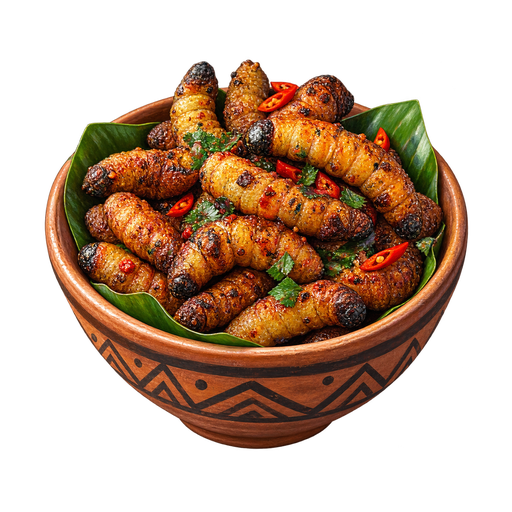
Original eatfuls sticker artwork
What it is
A closer look at Catatos.
Palm caterpillars fried hard with garlic and served with rice or funge.
What to look for
Know it when you find it.
Seasonal, appearing in markets during the rains. Fried properly they are crisp and taste of the palm; anything soft has been undercooked.
Where it belongs
Origins and
traditions.
Food rarely respects a border. These are the places the dataset connects most strongly to Catatos.
Keep exploring
If this caught your eye…
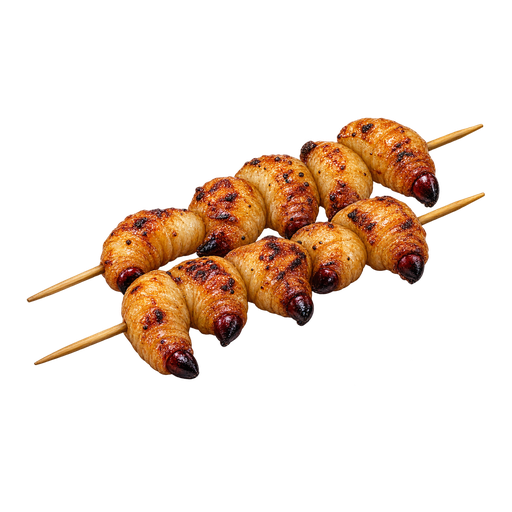
Loreto, Peru
Anticuchos de Suri
Loreto palm grubs grilled on skewers, a rare Amazonian seasonal food.
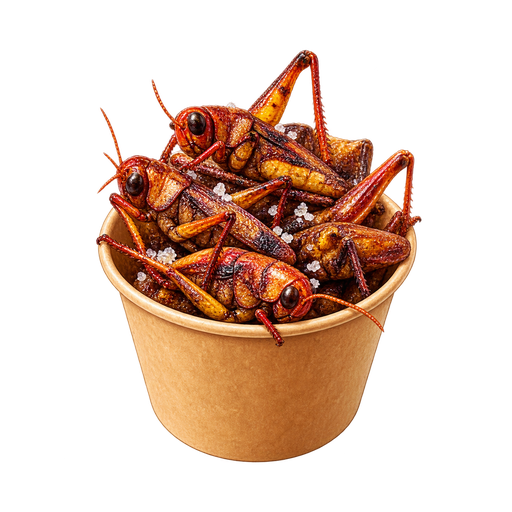
Angola
Palm Grasshoppers
Gafanhotos de palmeira
Grasshoppers gathered from palm trees, toasted with salt and eaten by the handful or served with game meat.
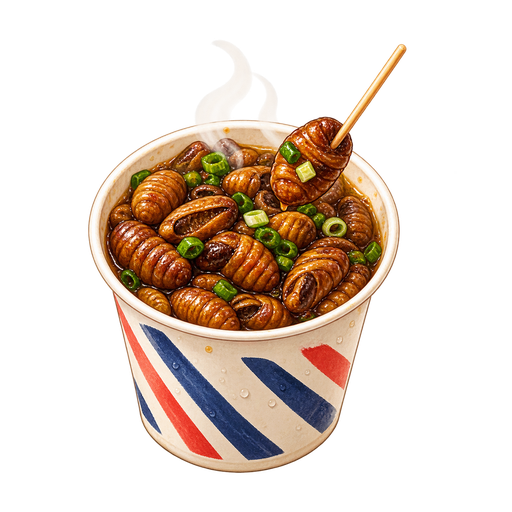
South Korea
Beondegi
번데기
Beondegi, steamed silkworm pupae sold in paper cups from street carts, is a named Korean street food and a genuine test-of-nerve collectible.
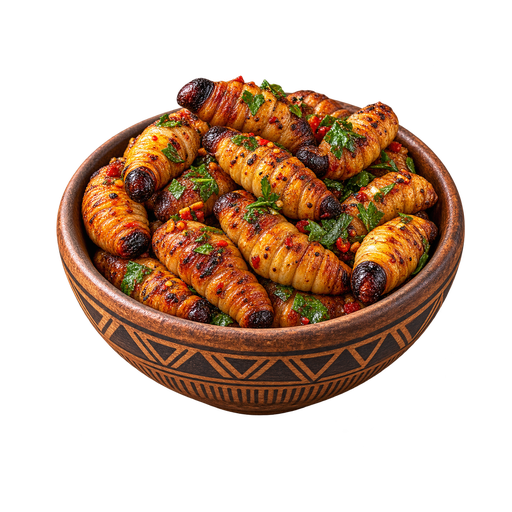
Haut-Ogooué (Southeastern / Franceville), Gabon
Gabonese Caterpillars
Chenilles
Edible caterpillars (Parotis baldersalis) collected from Tabernaemontana crassa trees on the Plateaux Bateke; an important source of protein; pan-fried or stewed with vegetables.
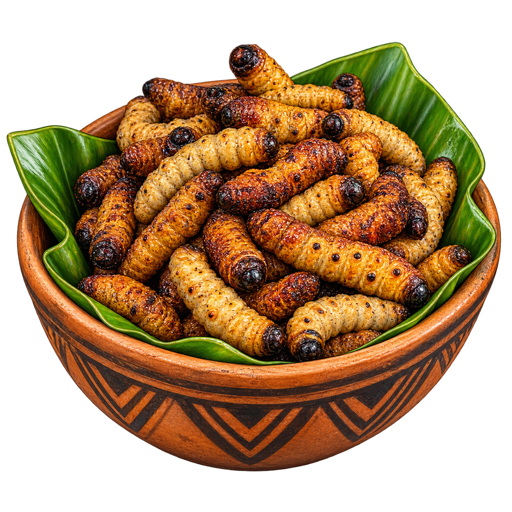
Bobo-Dioulasso, Burkina Faso
Chitoumou
Shea tree caterpillars, a seasonal delicacy (July-September); fried, cooked in sauce, dried, or powdered; high in protein; a Bobo ethnic specialty around Bobo-Dioulasso.
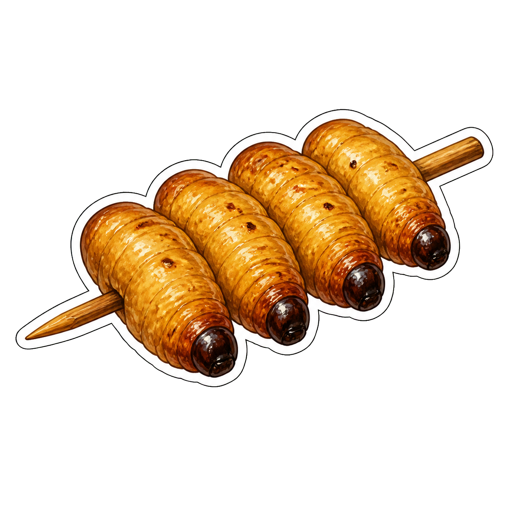
Ecuador
Chontacuro
Edible palm worm from the Ecuadorian Amazon, grilled on skewers or eaten raw. A high-protein Amazonian delicacy with a creamy, nutty flavor.
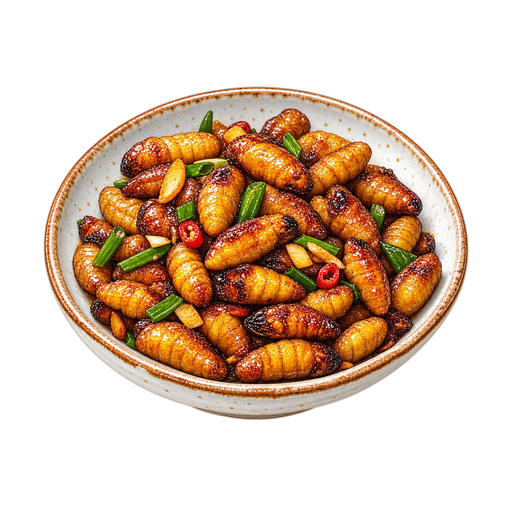
Yunnan, China
Fried bee pupa with rice wine
油炸蜂蛹
Fried bee pupae, eaten with rice wine in Yunnan, is a named regional insect dish.
Santander, Colombia
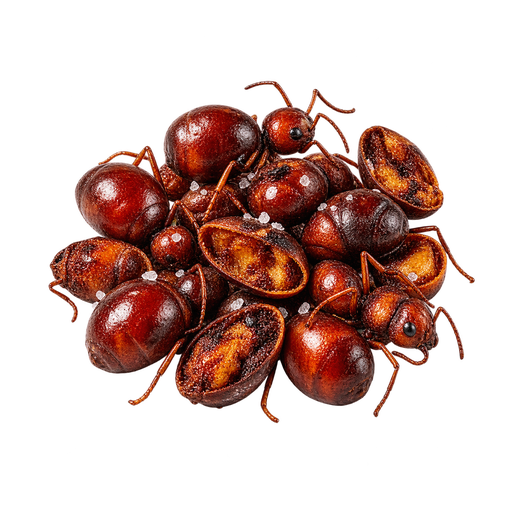
Hormigas Culonas
A Santander specialty of large, roasted leaf-cutter ants (hormigas culonas), eaten as a salty snack. A pre-Hispanic indigenous delicacy, crunchy and nutty.