South Korea
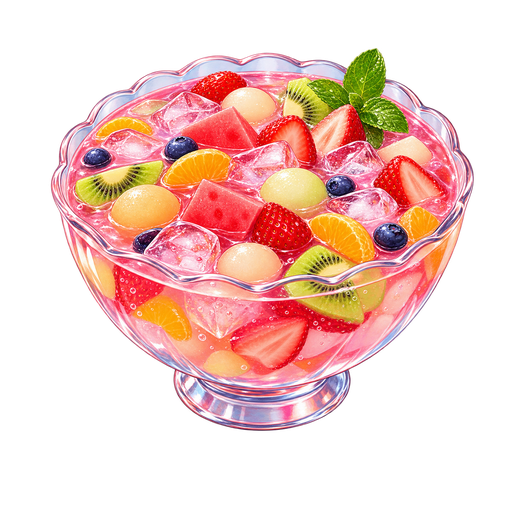
Hwachae
화채
Hwachae, fruit and rice cake floating in chilled omija or watermelon liquid, is a named traditional Korean summer punch.

Global food category
191 traditional foods, ingredients, and local specialties connected by one appetite.
Hwachae
The full directory
191 foods match this view. Narrow them by country, type, rarity, or name.
South Korea
화채
Hwachae, fruit and rice cake floating in chilled omija or watermelon liquid, is a named traditional Korean summer punch.
Ghana
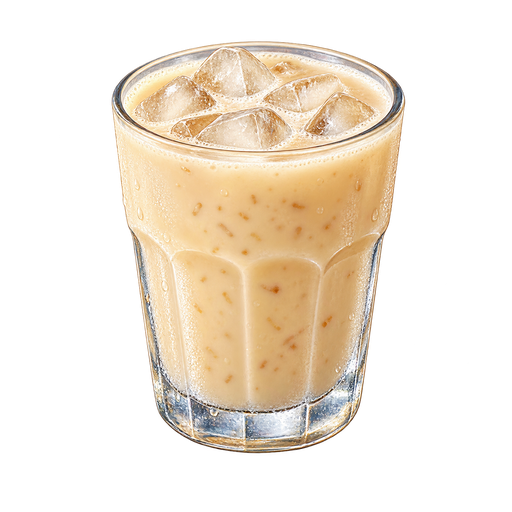
Kenkey blended with water, milk, sugar and sometimes nutmeg and served ice-cold as a thick, sour drink.
Marshall Islands
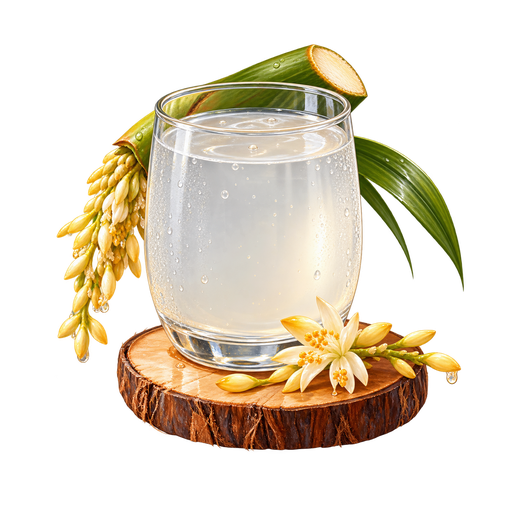
Fresh sweet sap extracted from the coconut flowering stalk; known as toddy or tuba elsewhere in the Pacific; used as a natural sweetener, drunk fresh, boiled into syrup (jekmai), or fermented into alcohol (jimaun); a fundamental part of Marshallese food culture; collected daily by climbing coconut trees.
United Arab Emirates
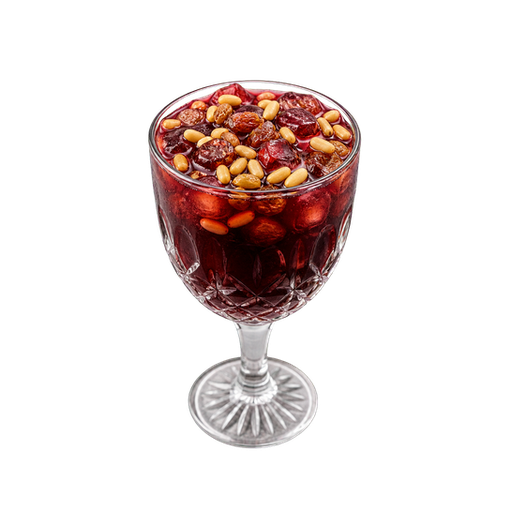
جلاب
Jellab is a sweet drink made from grape molasses, dates, and rose water, served with pine nuts and raisins during Ramadan; it has a deep burgundy color.
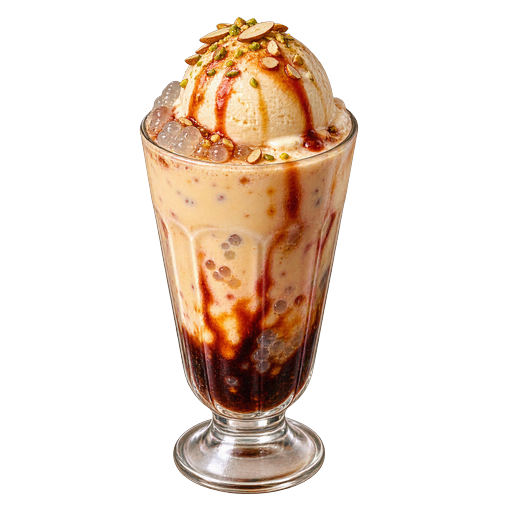
Madurai, India
ஜிகர்தண்டா
Milk, nannari syrup, almond gum, and ice cream are layered into Madurai's cooling drink-dessert.
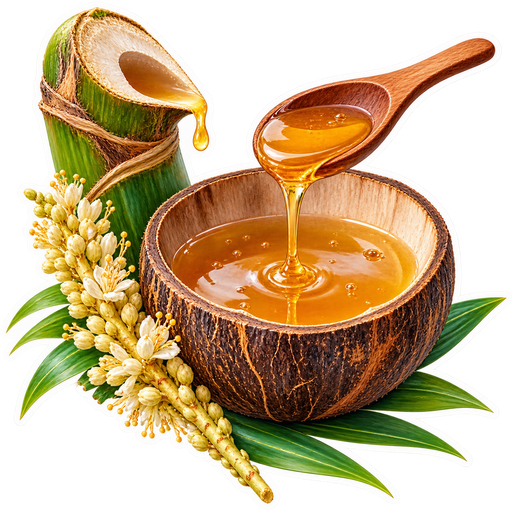
Tuvalu
Sweet sap collected from coconut flower spathe; used as a sweetener in cooking or drunk fresh; described as tasting 'like honey'; a crucial traditional sweetener before imported sugar; collected daily by climbing coconut trees and tying a coconut shell cup to the cut flower stalk.
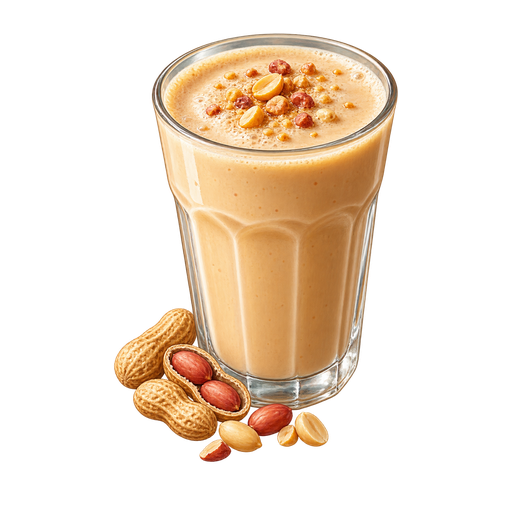
The Gambia
Kanyan
A creamy drink made by blending groundnuts with water, straining them, and sweetening the result; some versions include milk or spices.
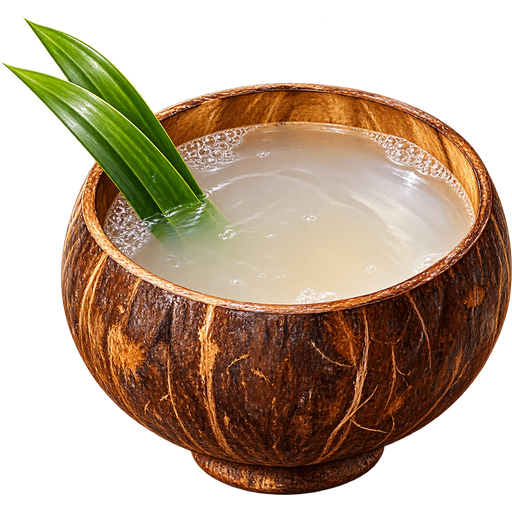
Outer Islands (Nanumea / Nanumaga / Niutao / Nui / Vaitupu / Nukufetau / Nukulaelae / Niulakita), Tuvalu
Kao is fermented coconut toddy made by leaving fresh kaleve to ferment into a cloudy, mildly alcoholic Tuvaluan drink.

Norway
Hot coffee with a shot of moonshine, a Northern Norway tradition.
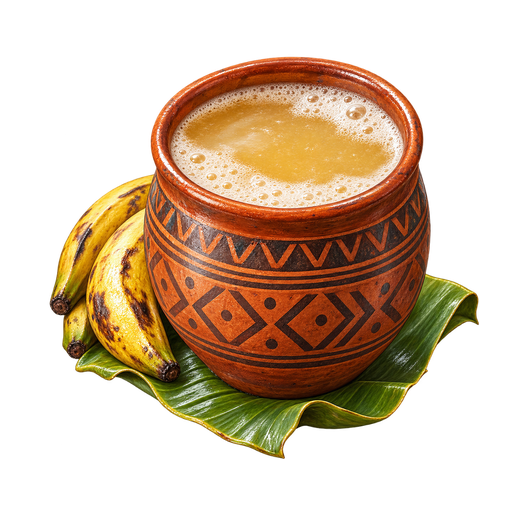
Republic of the Congo
A traditional banana beer made from fermented banana mash; a cultural symbol of peace and unity, served at ceremonies and gatherings.
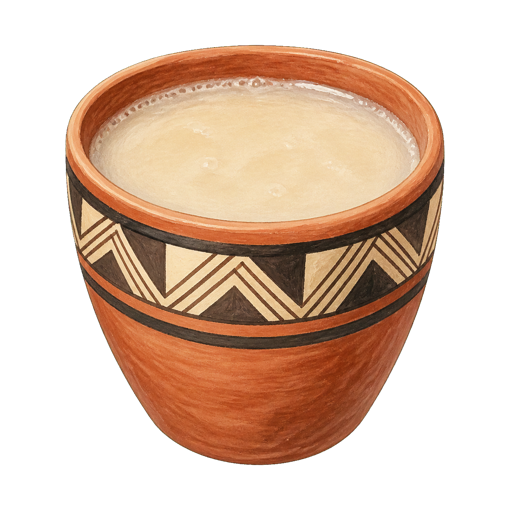
Intérieur (Maroni / Oyapock / Bushinenge-Amerindian), Suriname
Cassava fermented into a cloudy, sour, mildly alcoholic beer made by Indigenous communities in the interior.
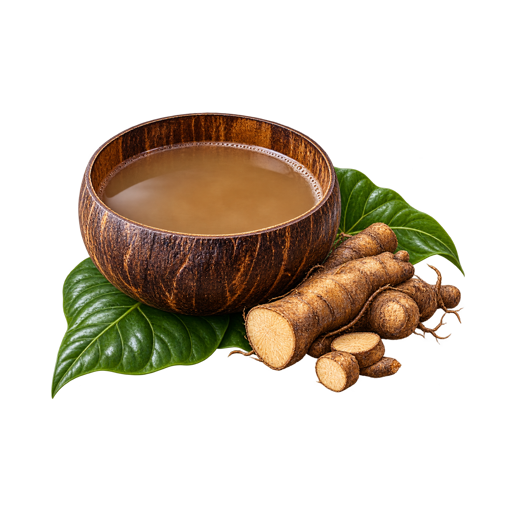
Pohnpei State (Capital FSM), Fiji
Suhka
Kava is a ceremonial Pacific root beverage prepared by pounding Piper methysticum roots, mixing them with water, and straining the earthy drink for communal sharing.
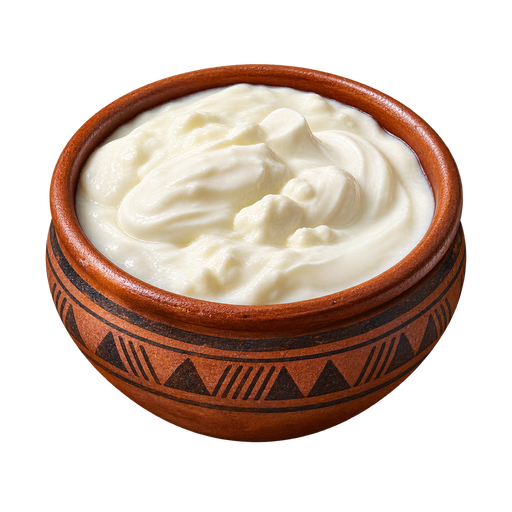
Botswana
Traditional Botswana alcoholic drink brewed from various ingredients — the healthiest version uses wild berries; widely consumed among low-income groups; a homemade brew of the Kalahari.
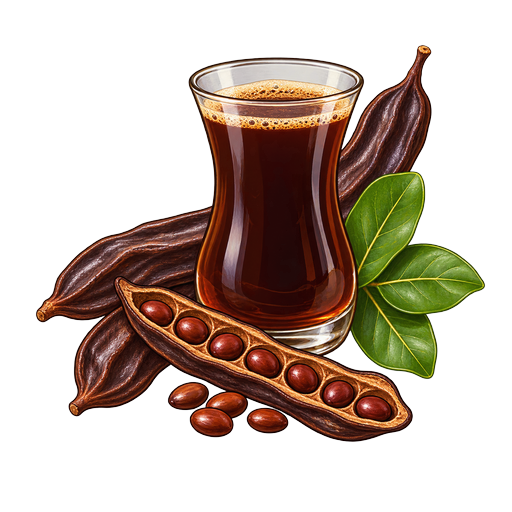
Egypt
خروب
A Egyptian cold carob pod drink with sugar, a daily and traditional classic
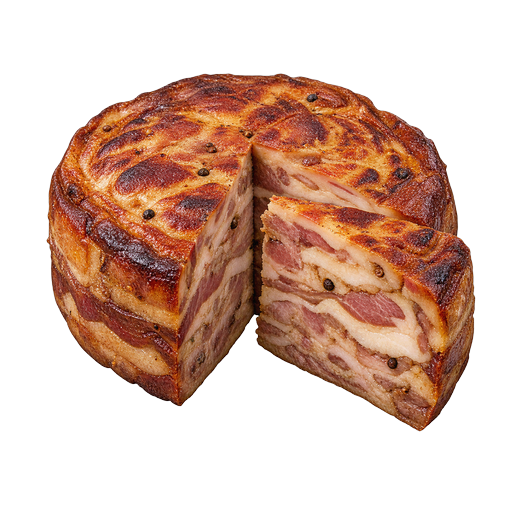
Estonia
Kihnu Hapurokk
Fermented rye drink from Kihnu island, now produced only there.
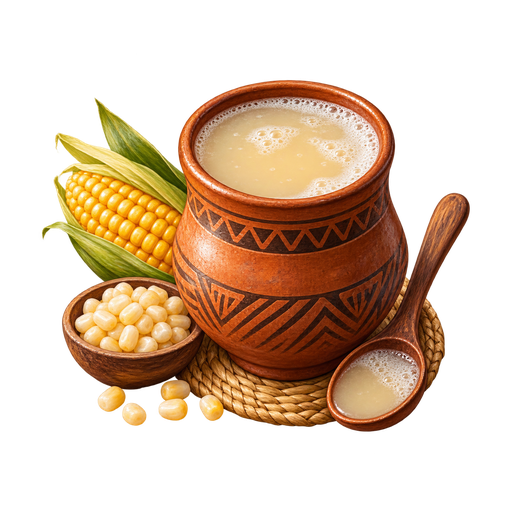
Angola
Maize flour fermented lightly with water and sometimes pineapple skin into a cloudy, sour drink used in southern ceremonies as well as drunk cold.
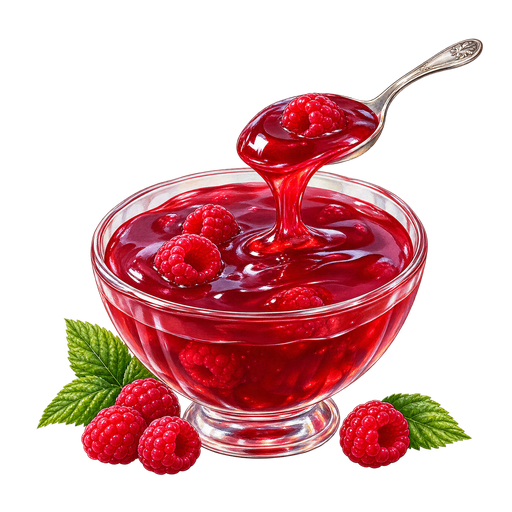
Lithuania
Кісель
A Polish fruit dessert of fruit juice or water thickened with potato starch, served warm or cold. A rustic, sweet-tart dessert, a home-cooked classic, served with bread or alone.
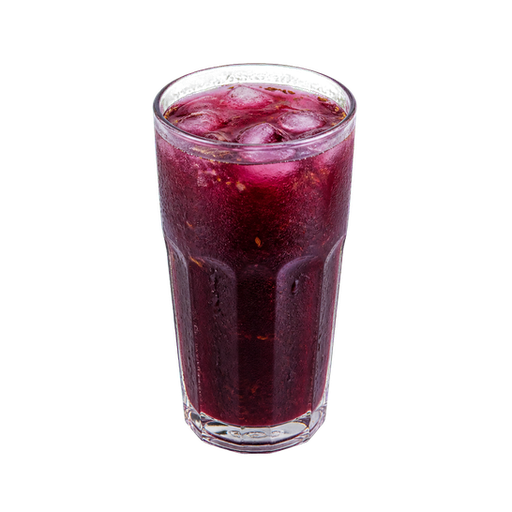
Goa, India
कोकम सरबत
A refreshing Maharashtrian and Goan drink made from kokum fruit. It is sweet, sour, and deep purple.
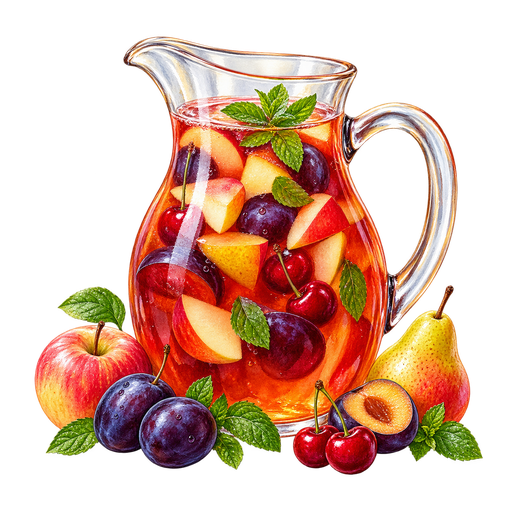
Poland
Polish fruit compote of boiled fresh or dried fruits (apples, plums, pears), served warm or cold. A traditional drink-dessert, sweet and fruity, a daily and festive staple.
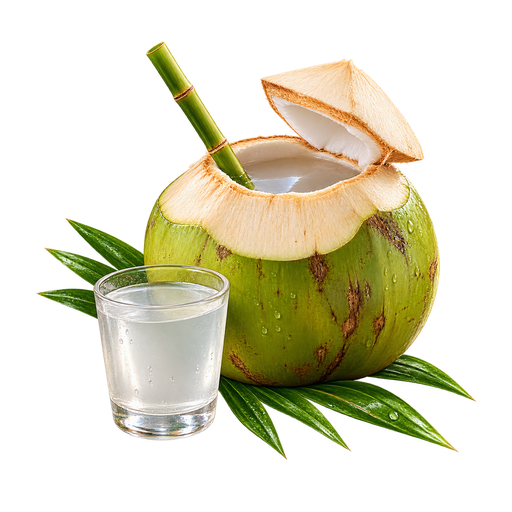
Papua New Guinea
Green coconut filled with sweet, slightly tangy coconut water — PNG's national drink, drunk fresh from the shell before the flesh hardens.
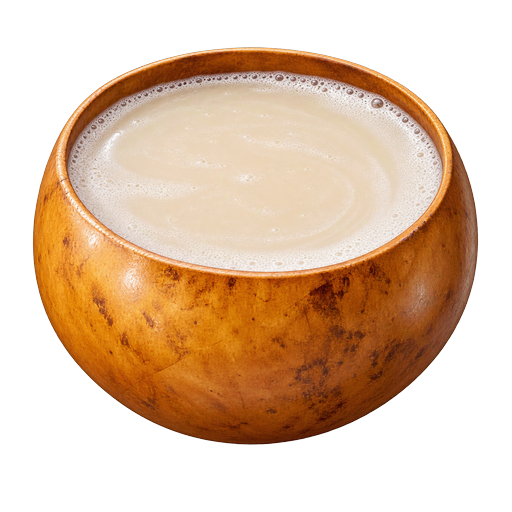
Kano, Niger
Millet or sorghum soaked, ground and fermented with ginger and cloves into a pale, faintly sour drink served cold.
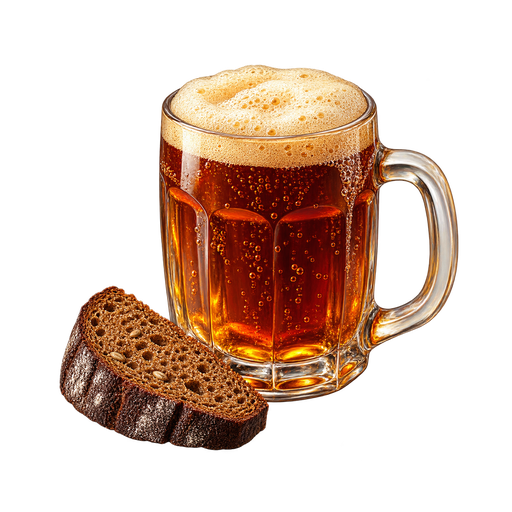
Belarus
Gira
Kvas is a naturally fermented rye-bread drink with a lightly sour, malty flavour and gentle carbonation.
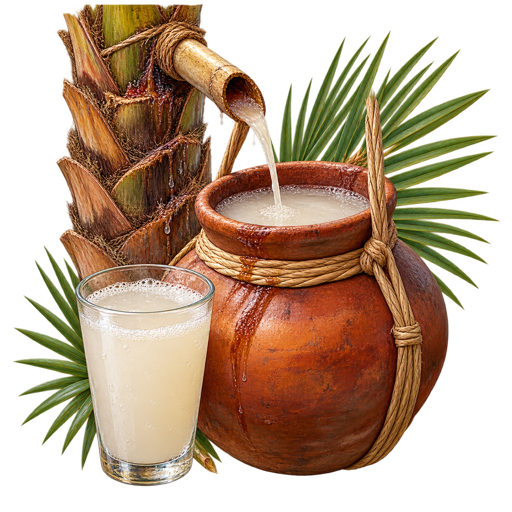
Libya
Sap tapped from a date palm and drunk the same day, sweet and cloudy, turning alcoholic within hours if left.
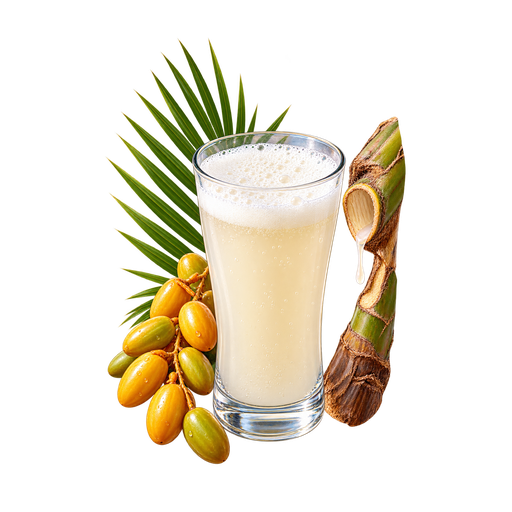
Tunisia
لاقمي
Sap tapped from the crown of a date palm and drunk the same day — sweet and milky in the morning, fermented and alcoholic by evening.
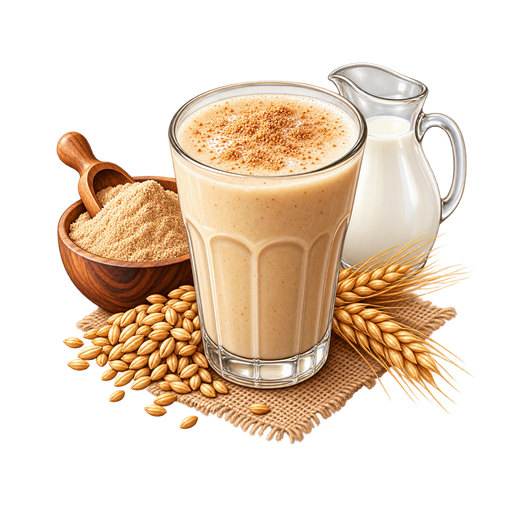
Western Sahara
Lamriss is a Sahrawi drink made by stirring toasted barley flour into water, often with milk, oil, or sugar for a nourishing, lightly nutty beverage.
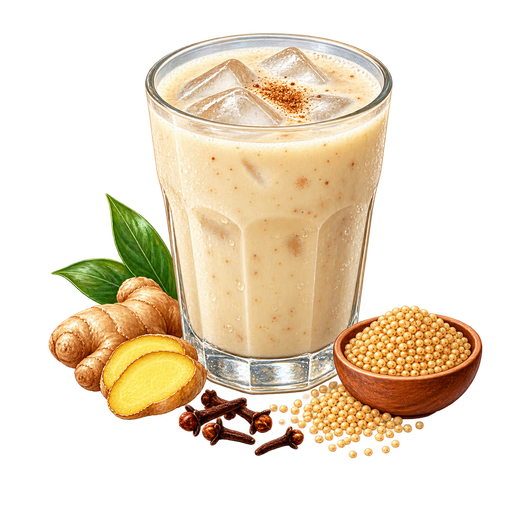
Ghana
Lamugin
Millet flour drink spiced with ginger and cloves, sweetened and served cold in the north.
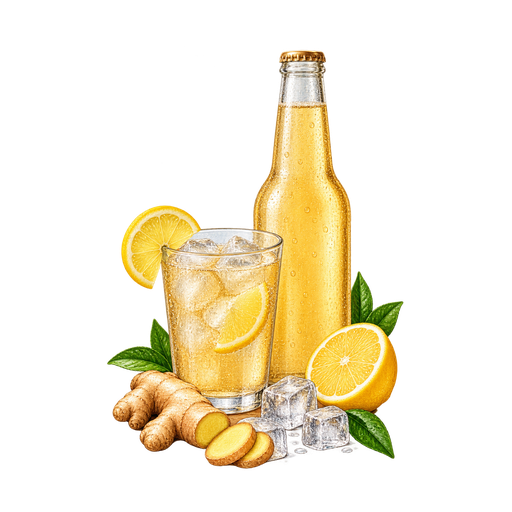
Lesotho
Khemere
A homemade non-alcoholic ginger drink made by boiling fresh ginger with sugar and lemon, then lightly fermenting until slightly fizzy. Served chilled at shebeens, markets, and social gatherings.
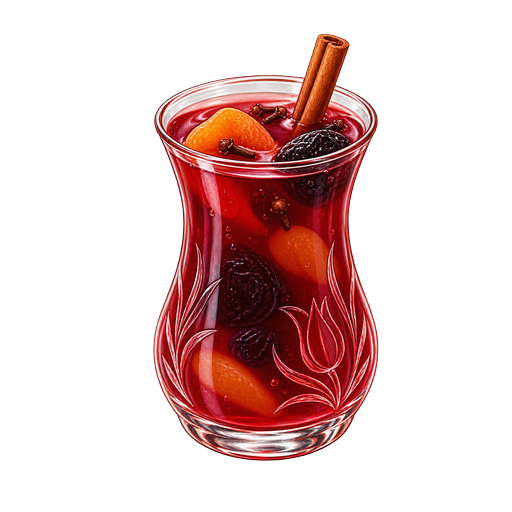
Turkey
Lohusa serbeti, the crimson spiced sherbet made for new mothers and shared with visitors, is a named ritual drink still commercially produced.
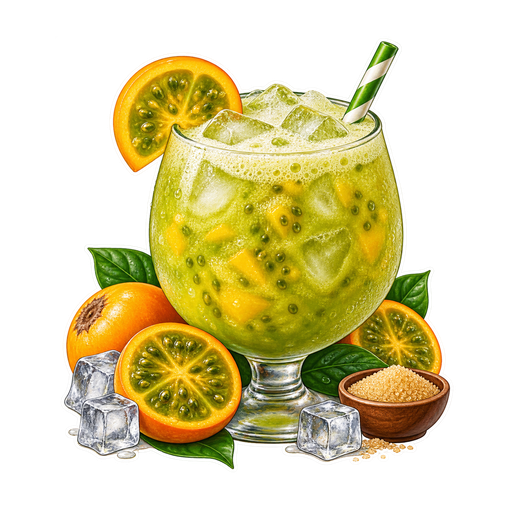
Valle del Cauca, Colombia
Cali's signature thirst-quencher: lulo fruit hand-crushed — never blended — with ice and sugar into a frothy, tart, pulpy refreshment, thicker than juice and colder than a Valle afternoon deserves.
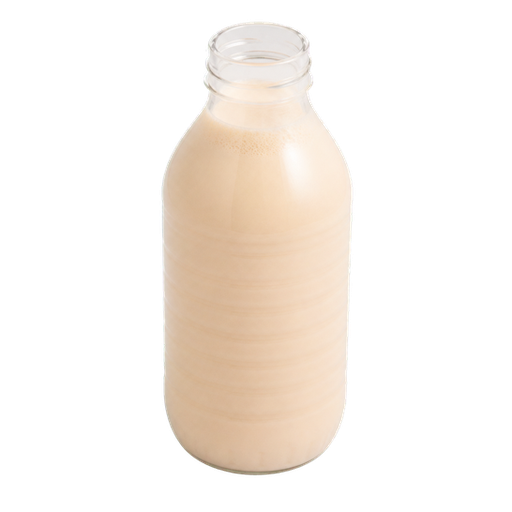
South Africa
Mageu
A traditional South African fermented maize-meal drink, sweet and tangy
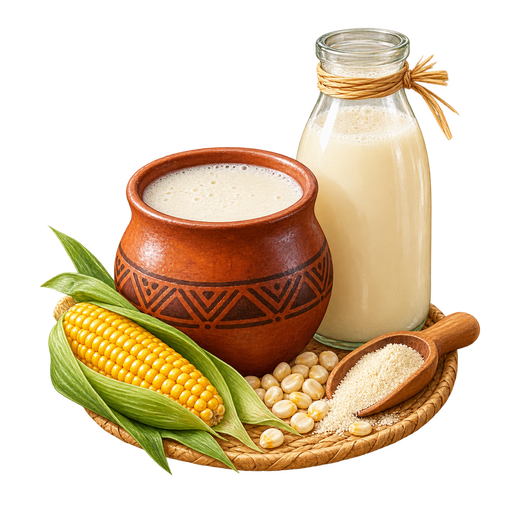
Mozambique
A lightly fermented maize drink enjoyed across southern Africa and in Mozambique.
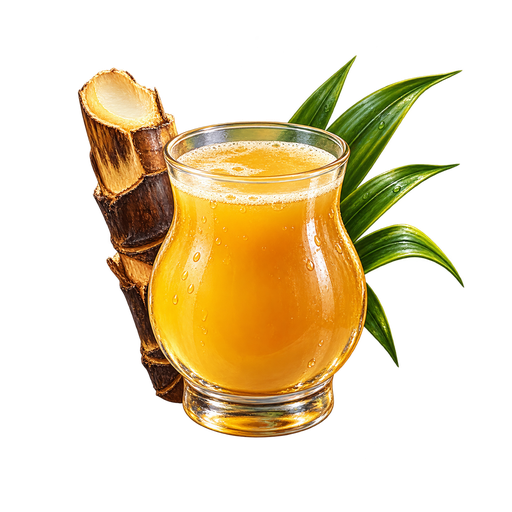
Equatorial Guinea
A traditional alcoholic beverage made by fermenting sugarcane juice for about two weeks; similar to Latin American guarapo; sometimes Garcinia kola bark or corn is added to accelerate fermentation.
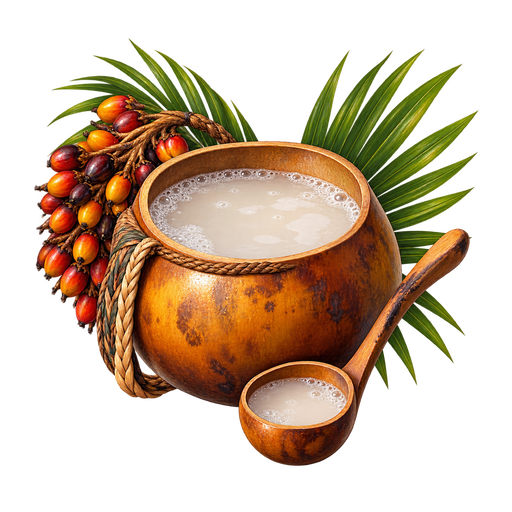
Angola
Palm sap tapped into a gourd and left to ferment through the day into a cloudy palm wine.
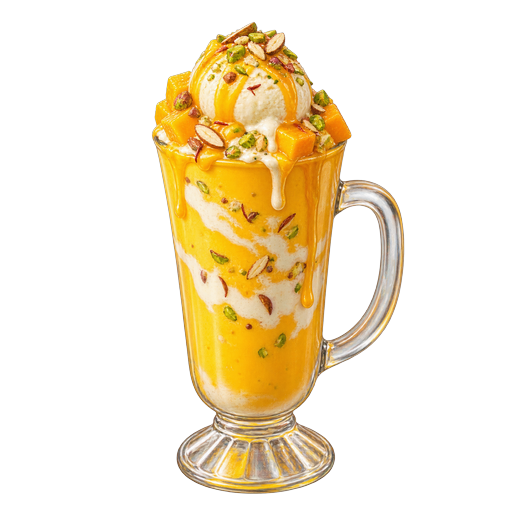
Pune, India
मॅंगो मस्तानी
Pune's thick mango milkshake is topped with ice cream, nuts, and sometimes fruit.
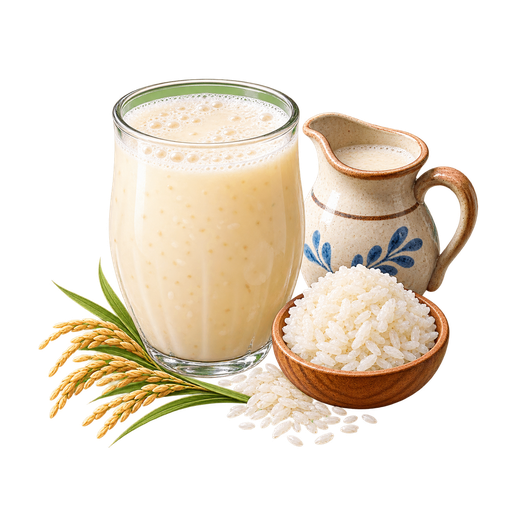
Colombia
A Colombian fermented drink of rice or corn, water, and panela, lightly alcoholic. An Andean and Orinoquía beverage, served cold or at room temperature.
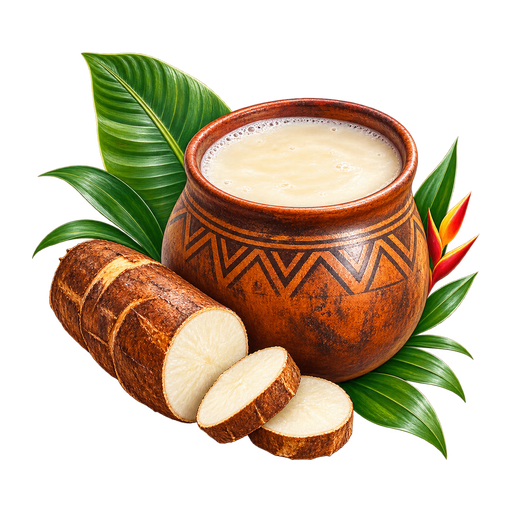
Loreto, Peru
A Loreto fermented yuca drink served in Amazonian homes and community gatherings.