
Argentina · Uruguay
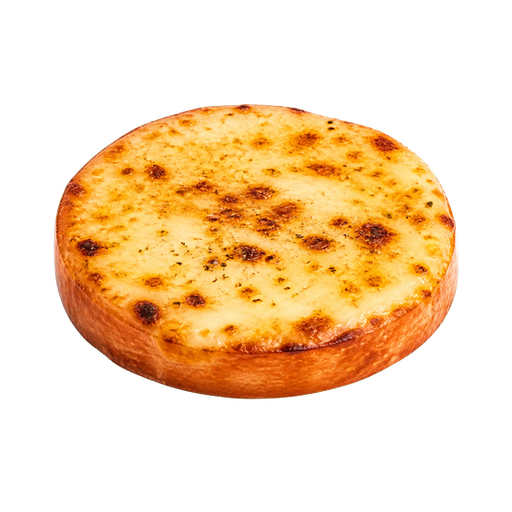
Provoleta
Provoleta con orégano
An Argentine stretched-curd provolone-style cheese developed by Natalio Alba for the asado. Sliced thick and grilled, it browns outside while staying soft inside.

Food directory
Search by name or filter by country, category, type and rarity.
Argentina · Uruguay
Provoleta con orégano
An Argentine stretched-curd provolone-style cheese developed by Natalio Alba for the asado. Sliced thick and grilled, it browns outside while staying soft inside.
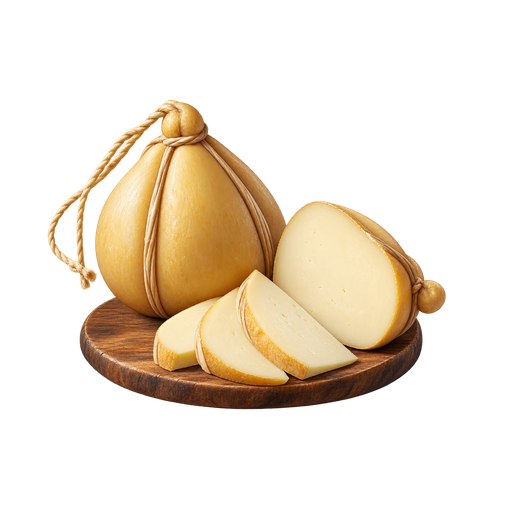

Campania, Italy
PDO stretched-curd cow's milk cheese from the Lattari Mountains near Naples, aged 6+ months. Slightly spicy, with a buttery and tangy flavor.
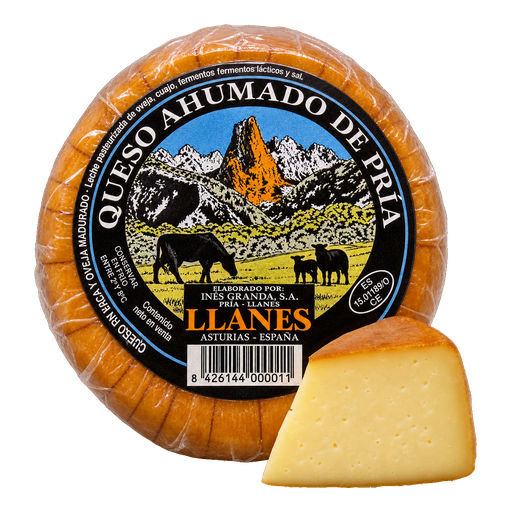
Asturias, Spain
Ahumado de Pría
Pría Smoked Cheese is an Asturian cow’s-milk cheese enriched with sheep’s cream, with a semi-soft buttery paste and amber smoky rind.
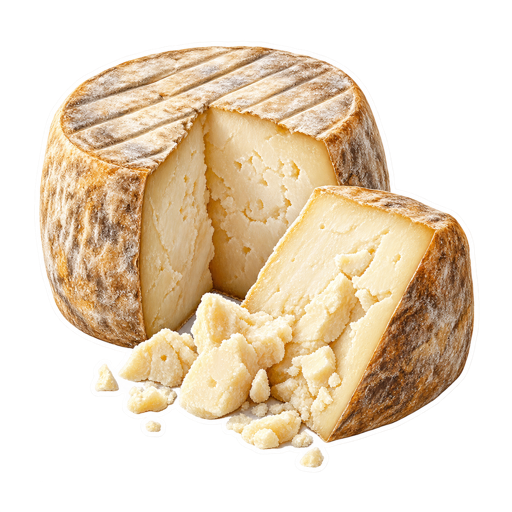

Serbia
Пуле
A specialist cheese made from a blend of donkey and goat milk at the Zasavica reserve in Serbia. The limited milk supply makes it a small-scale product.
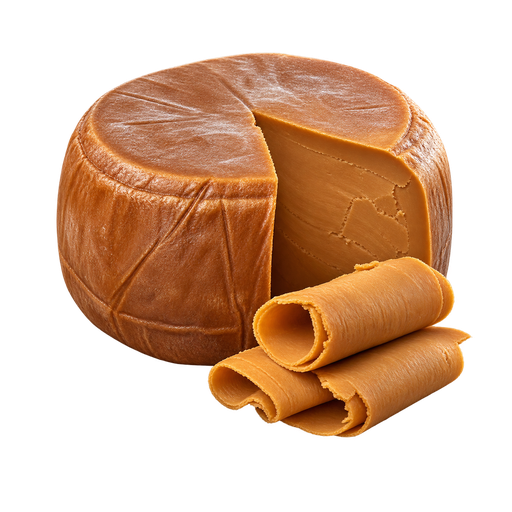

Norway
A pungent Norwegian sour-milk cheese seasoned with caraway, traditionally associated with Hedmark and Oppland. It is sold in crumbly and softer forms.
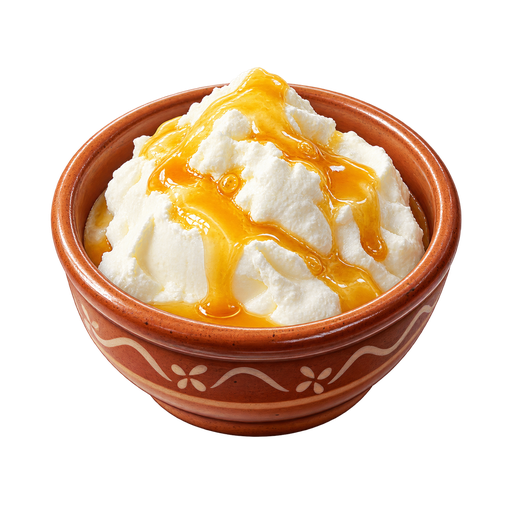
Andorra
Mató
Fresh, unripened cheese served with honey, the classic Pyrenean dessert pairing.
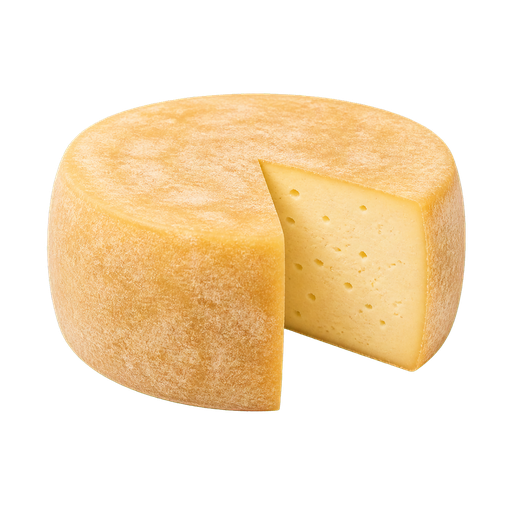
Hungary
Pálpusztai sajt
Pálpusztai Cheese is a soft cow's milk cheese with pungent odor, smear-ripened.
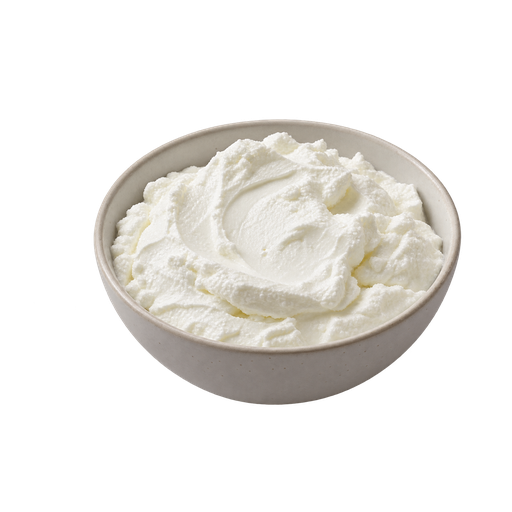
Germany · Austria
Quark, called Topfen in Austria, is a fresh curd cheese made from cultured milk. It ranges from smooth to crumbly, including Austrian Bröseltopfen, and is used in spreads, baking, fillings and dumplings.

Brazil
A firm, slightly salty cheese from northeastern Brazil that holds its shape when heated. It is eaten fresh or browned on a griddle, in a pan or on skewers at beaches and barbecues.

Minas Gerais, Brazil
An artisanal raw-milk cheese from the Serra da Canastra region in Minas Gerais, with a yellowish rind and a complex, buttery interior.
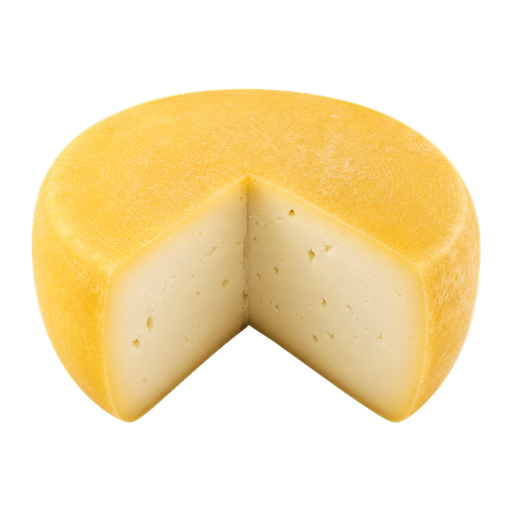
Lisbon Region, Portugal
Semi-soft sheep's milk cheese from the Arrábida hills with a yellowish crust.
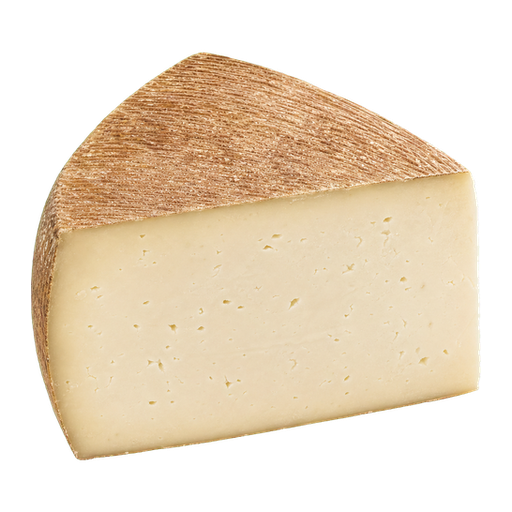
Northern Portugal, Portugal
Firm raw goat milk cheese from Trás-os-Montes with a spicy, earthy flavour.
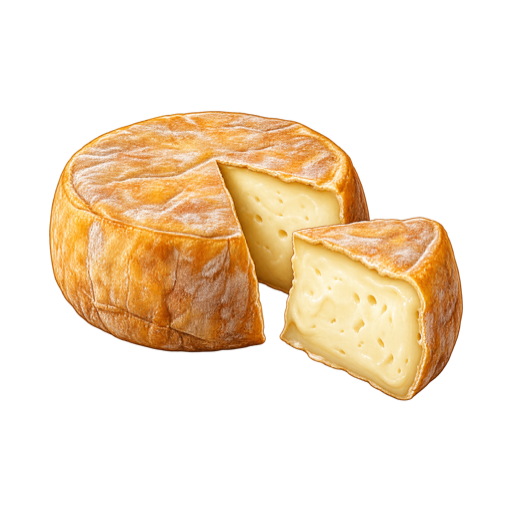
Alentejo, Portugal
A cured raw sheep’s-milk cheese from Alto Alentejo, set with thistle rennet. Queijo de Nisa has a semihard, pale yellow-white paste and a gently tangy flavour.
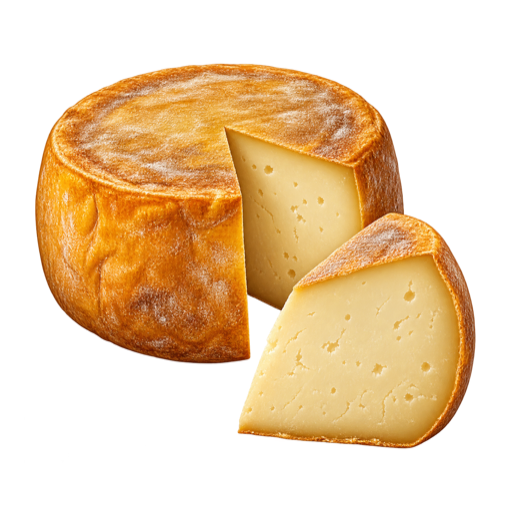
Alentejo, Portugal
Queijo de Évora is a firm sheep’s-milk cheese from Alentejo with a tangy, slightly spicy paste, aged under its protected regional name.
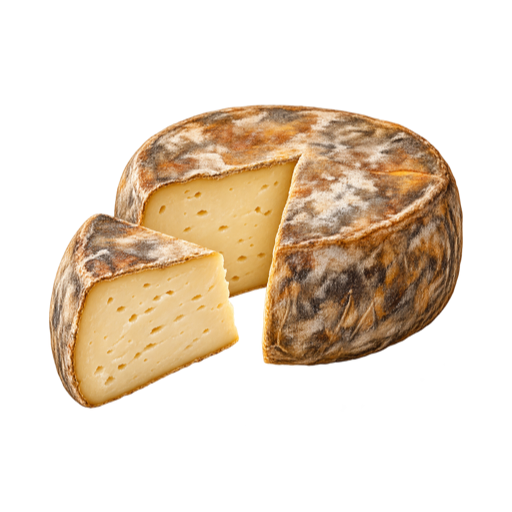
Azores, Portugal
A soft, ripened raw cow's-milk cheese from Pico in the Azores, protected by a PDO designation. It has a yellow rind and a buttery, pale interior with a pronounced salty flavour.
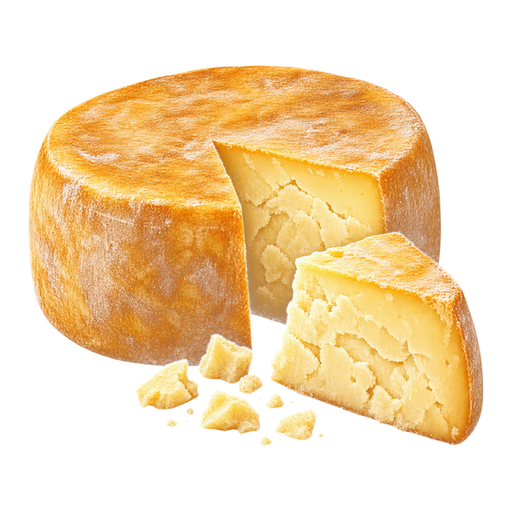
Minas Gerais, Brazil
A raw-milk artisanal cheese from Serro, Minas Gerais, with a firm, slightly crumbly texture and a tangy finish.
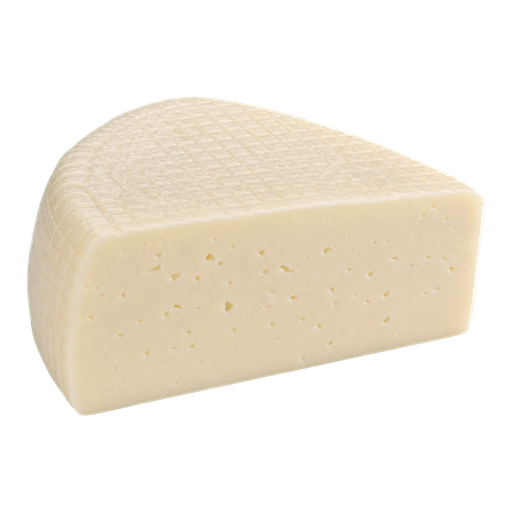
Minas Gerais, Brazil
A fresh cow's milk cheese from Brazil, associated with Minas Gerais. Queijo minas frescal is moist, white and soft, with a mild, lightly salty flavor, and is eaten soon after making.
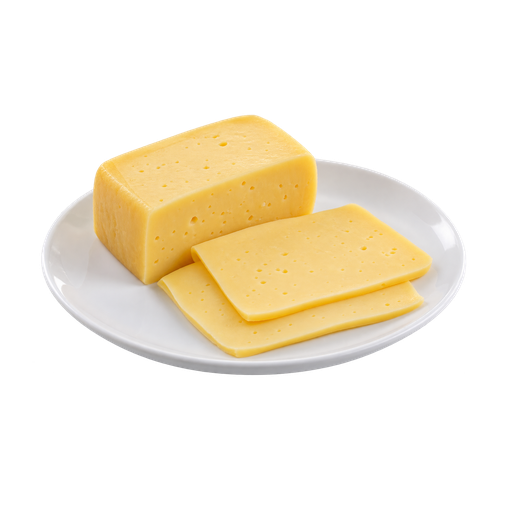
Brazil
A mild, buttery Brazilian sandwich cheese with a smooth sliceable texture and a yellow-orange color.
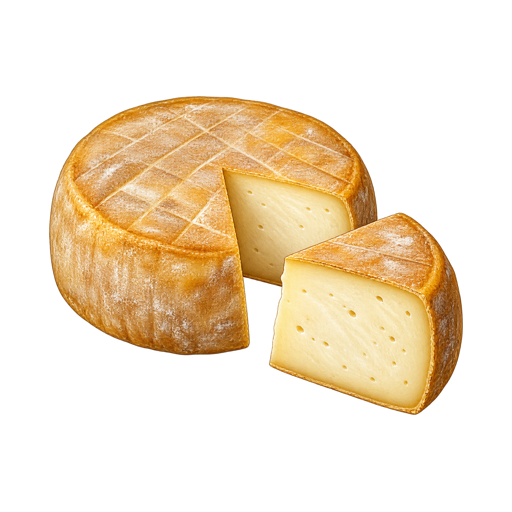
Centro, Portugal
A cured cheese from the Rabaçal area, made from mixed sheep’s and goat’s milk. Its paste is matte white and semihard to hard, with few small openings.
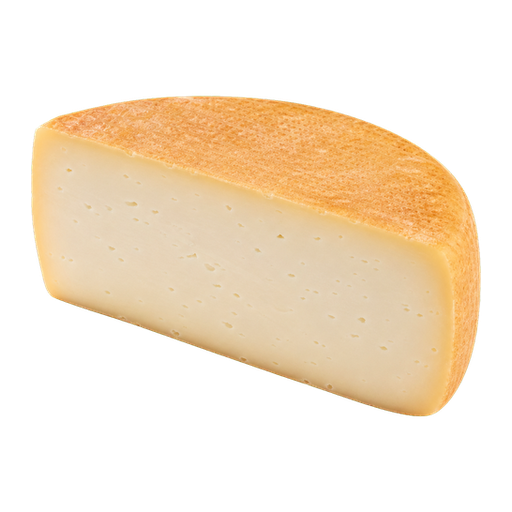
Alentejo, Portugal
Semi-soft sheep's milk cheese from Alentejo with a clean, slightly sour flavor.
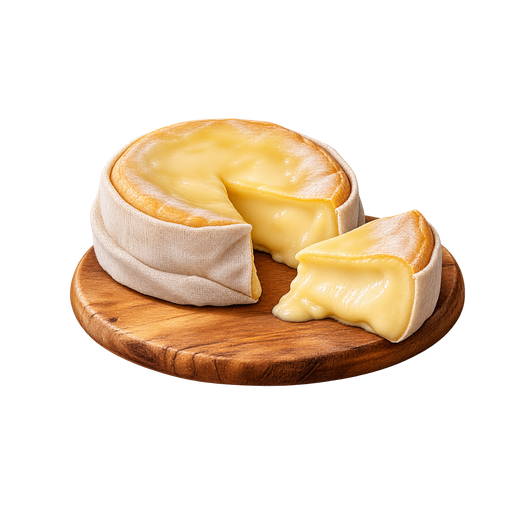
Centro, Portugal
Queijo da Serra da Estrela
A raw sheep’s-milk cheese from Serra da Estrela, set with thistle. The familiar form has a soft, buttery paste; the longer-matured Velho style is much firmer and more intense.
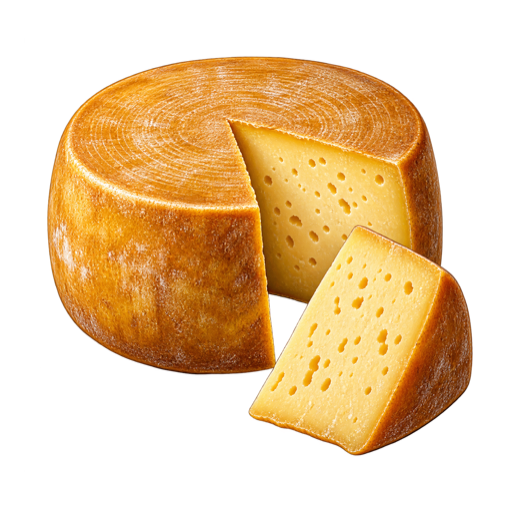
Azores, Portugal
A hard or semihard raw cow’s-milk cheese from São Jorge in the Azores. The yellow paste has small irregular openings and a mildly piquant flavour that intensifies with age.
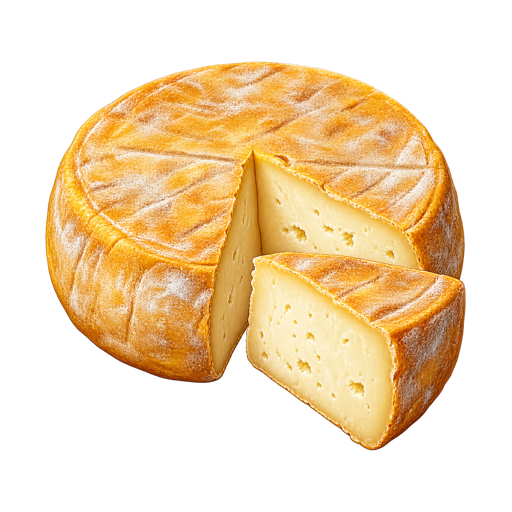
Northern Portugal, Portugal
A raw sheep’s-milk cheese from Trás-os-Montes, made with milk from Churra da Terra Quente sheep. It is semihard when younger, with firmer aged Velho versions.
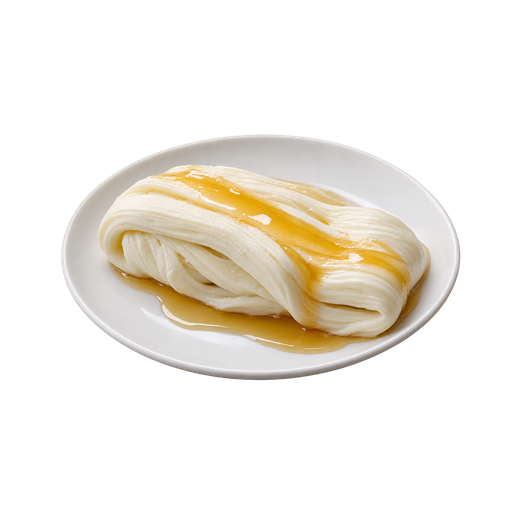
Argentina · Ecuador
A soft, fresh cheese known as quesillo in Argentina and Ecuador, with methods that vary locally. Northwestern Argentine quesillo is made by stretching curd and is served with honey or dulce de cayote; in Loja, Ecuador, fresh quesillo is also paired with sweet syrup.
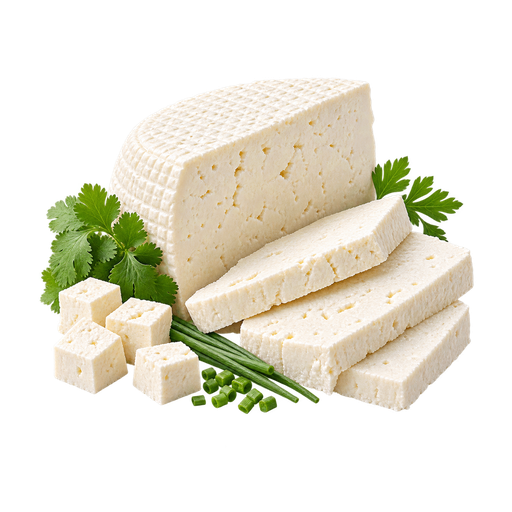
Colombia
A mild Colombian fresh cow-milk cheese, usually white or pale cream, sliced or crumbled for arepas, bread and other dishes.
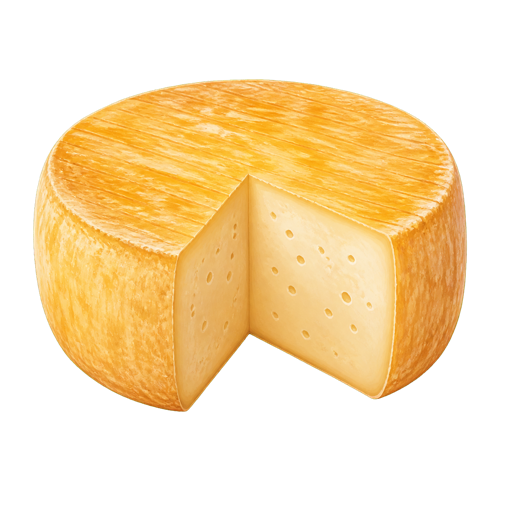
Chile
A Chilean semi-hard cheese associated with Chanco in the Maule region, with a mild flavour and a sliceable texture.

Colonia, Uruguay
A semi-hard cow’s-milk cheese with holes, associated with dairy-making traditions of Swiss settlers in Uruguay’s Colonia department.

Colombia
A fresh, soft, salty cheese from the Colombian Caribbean coast, used in arepas, empanadas, and served with bollos. A staple of coastal cuisine.
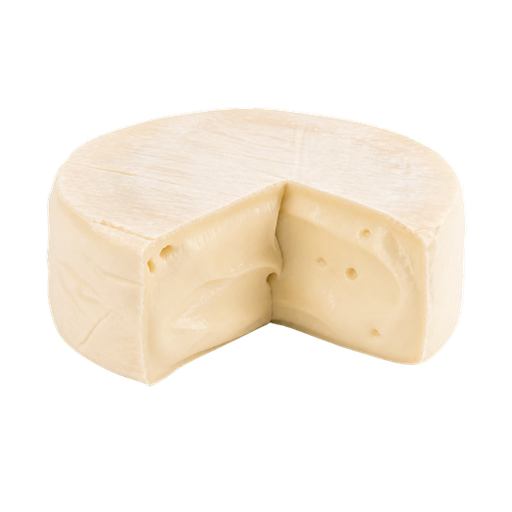
Argentina
A soft, creamy Argentine cheese used in empanadas, pizzas, and picadas. Mild and meltable, it is a fiambrería staple for cooking and snacking.
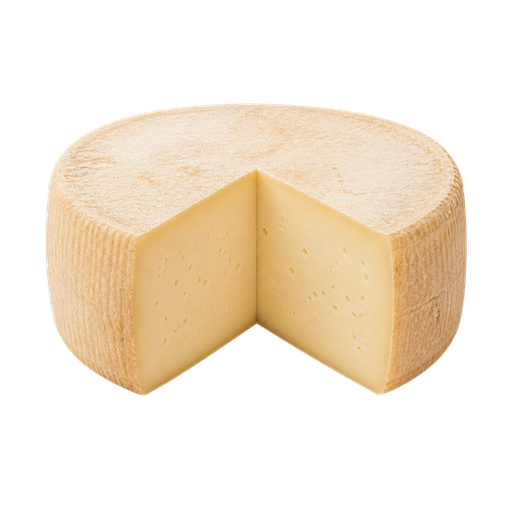
Argentina
A soft, mild Argentine cow’s-milk cheese used in pizzas, empanadas and picadas. It melts readily and is one of the cheeses used in fugazzeta.

Venezuela
Cow's cheese salted and aged for a year or more until it turns hard, crumbly and sharp, grated into golfeados and desserts.
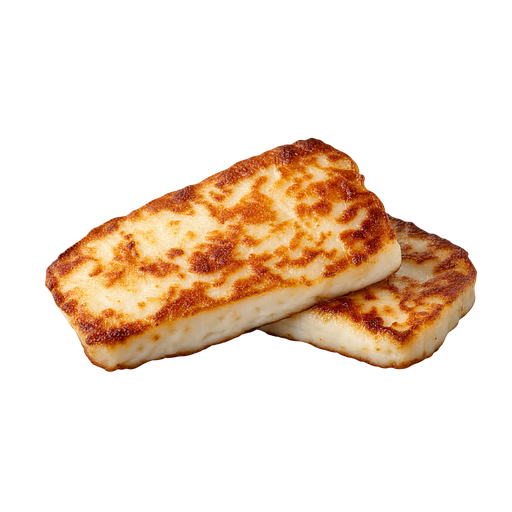
Dominican Republic
A firm, fresh Dominican cow’s-milk cheese that holds its shape when fried. Slices are browned for queso frito, often served with mangú, eggs and salami.
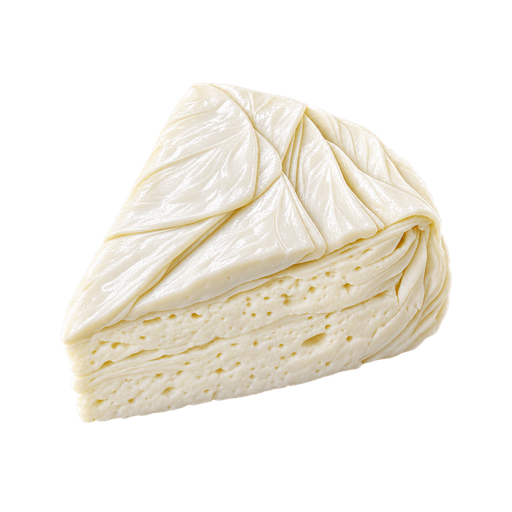
Puerto Rico
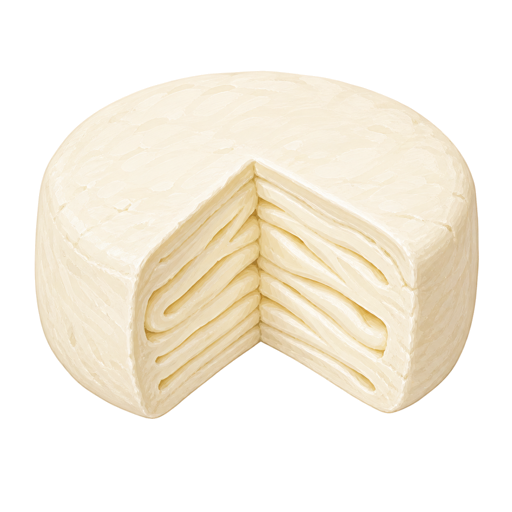
A Puerto Rican cow’s-milk cheese made by heating, flattening and folding salted curd into thin layers. The layers visible when cut give it the name hoja, meaning leaf.
Venezuela
Fresh cheese stretched and folded by hand into soft, elastic sheets, sold in stacks and folded into cachapas while still warm.
Colombia
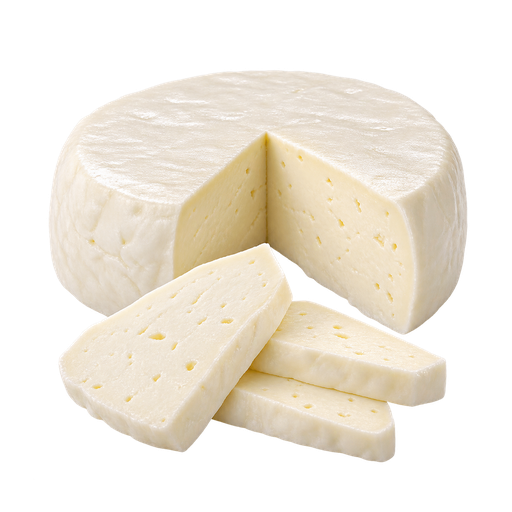
A Colombian stretched-curd cheese with a mild, rich flavour, used in arepas, desserts and snacks.
Mexico
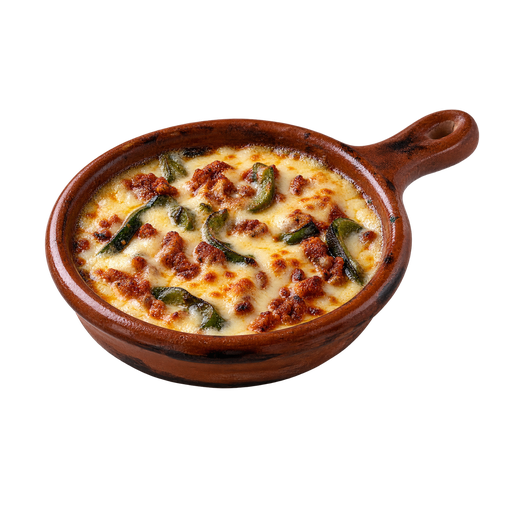
Melted cheese served bubbling hot in a small casserole with tortillas. It may be plain or topped with ingredients such as poblano strips; the chorizo version is called choriqueso.


