
Spices
Goraka
ගොරකා
Sri Lanka
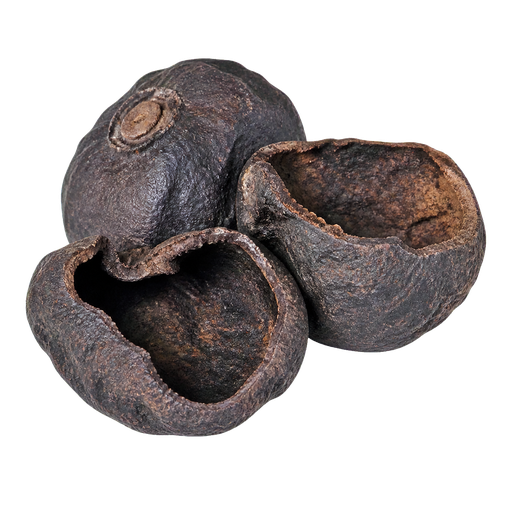
The dried, blackened rind of a sour tropical fruit, used to sour and preserve fish curries in place of tamarind.
Original eatfuls sticker artwork
What it is
A closer look at Goraka.
The dried, blackened rind of a sour tropical fruit, used to sour and preserve fish curries in place of tamarind.
What to look for
Know it when you find it.
It looks like a piece of dried bark and should be removed before eating. Its sourness is deeper and less fruity than tamarind.
Where it belongs
Origins and
traditions.
Food rarely respects a border. These are the places the dataset connects most strongly to Goraka.
Sri Lanka
Country-wide tradition
Names around the table
One food, more than one name.
Keep exploring
If this caught your eye…
Absheron Peninsula, Azerbaijan
Absheron Saffron
Zəfəran
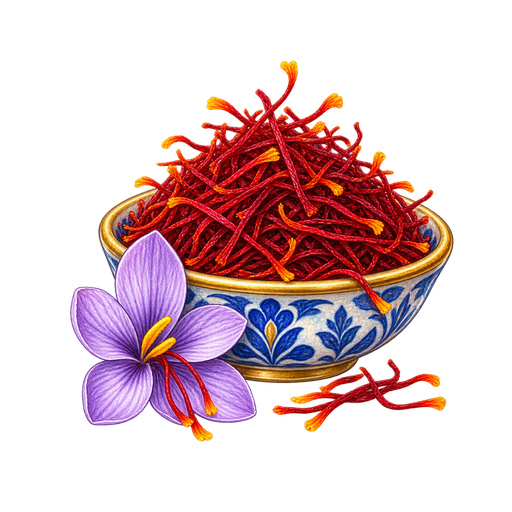
Saffron grown on the Absheron peninsula near Bilgah, the only place in the region where it is cultivated at scale.
Guam
Annatto
Roucou
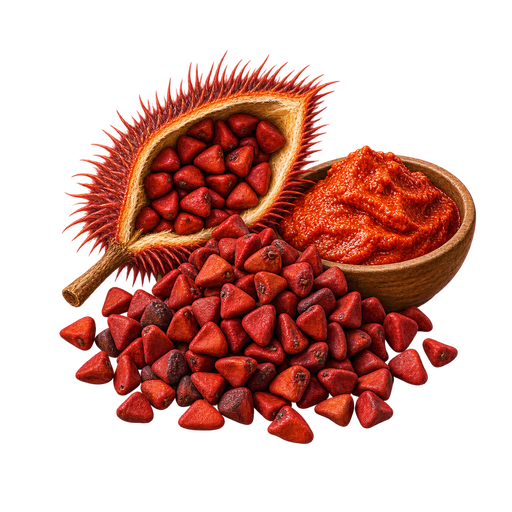
The red seeds of the Bixa orellana shrub (lipstick tree); used as a condiment and natural food coloring; gives dishes a deep orange-red colour; a staple ingredient in French Guianese and Amazonian cuisine.
Herat, Afghanistan
Herat Saffron
زعفران هرات
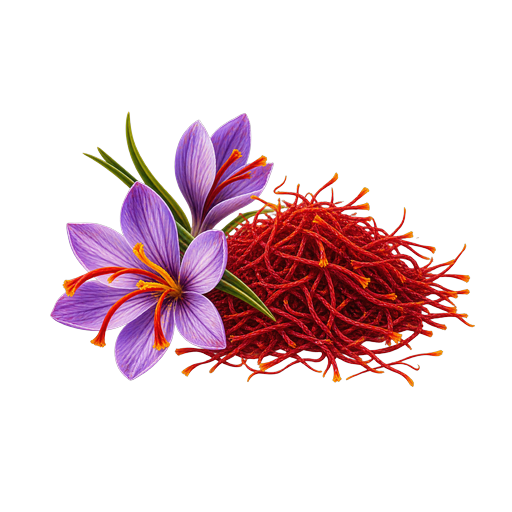
Saffron grown around Herat, hand-picked at dawn in autumn and repeatedly rated among the world's best.
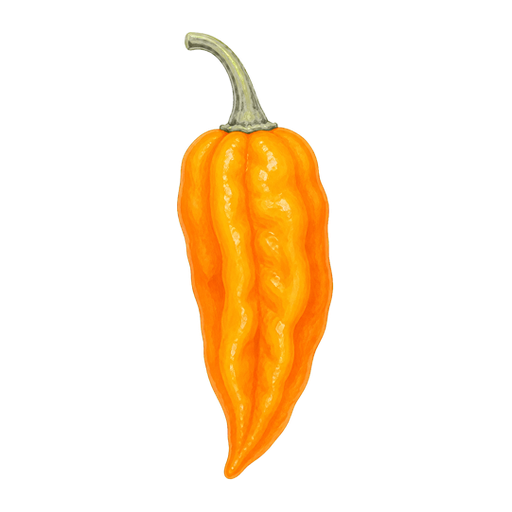
Bolivia
Aji Amarillo
The bright yellow-orange chili pepper central to Peruvian cooking. Fruity, medium-hot and used in sauces, stews and marinades.
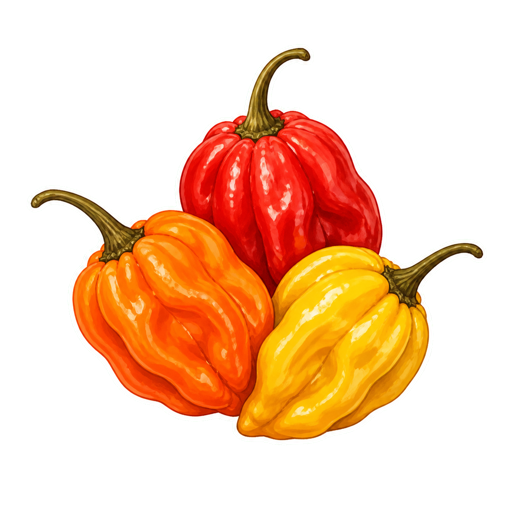
Venezuela
Ají Dulce
Small wrinkled chilli that looks like a habanero and smells like one but carries almost no heat, the aromatic base of every sofrito.
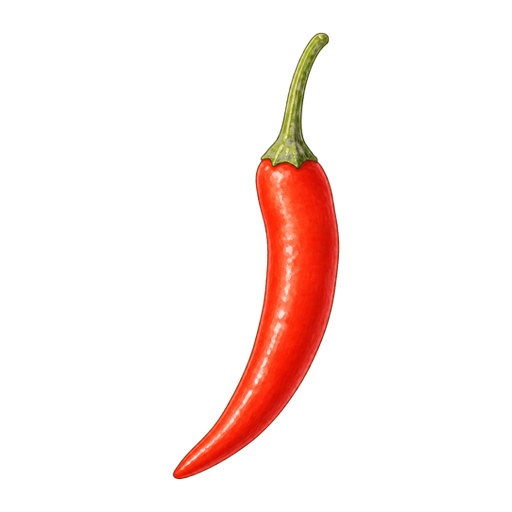
Peru
Ají Limo
A fragrant Peruvian chili with citrusy heat, especially associated with ceviche and seafood.
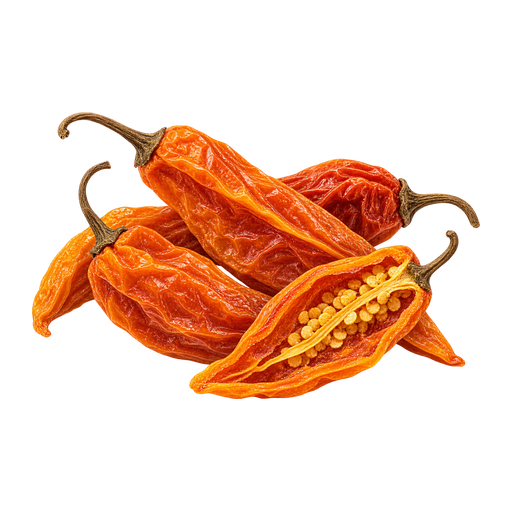
Peru
Ají Mirasol
Sun-dried ají amarillo with a sweet-fruity flavor used in Peruvian sauces and stews.
Peru
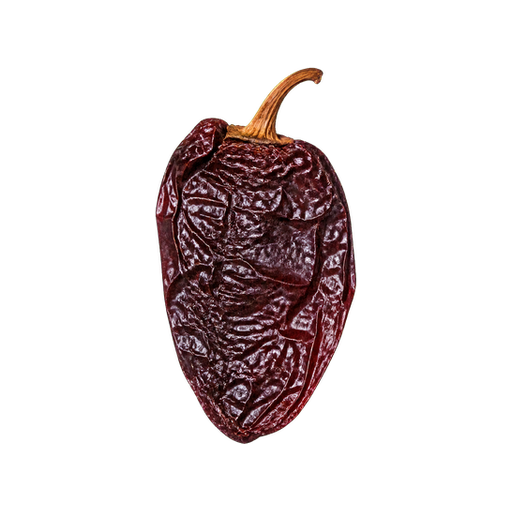
Ají Panca
A dark, sweet-fruited Peruvian chili used dried and ground in marinades, adobos and stews.