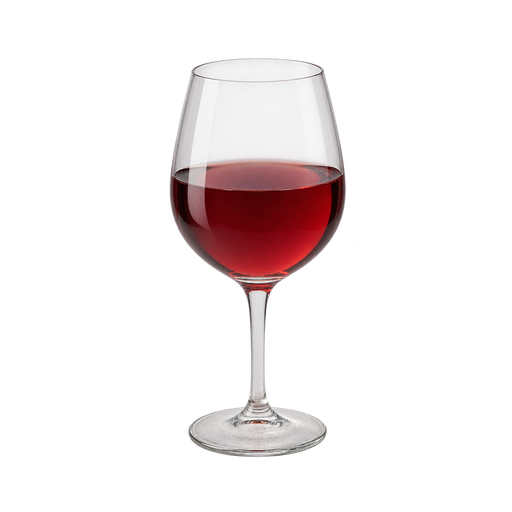

Piedmont, Italy

Avanà
Red wine made from Avanà, a grape of Piedmont’s Susa Valley. The representative Valsusa Avanà DOC style is fruity and light ruby in colour, sometimes with orange reflections, with a dry, lively taste and moderate tannin.

Food directory
Search by name or filter by country, category, type and rarity.
Piedmont, Italy
Red wine made from Avanà, a grape of Piedmont’s Susa Valley. The representative Valsusa Avanà DOC style is fruity and light ruby in colour, sometimes with orange reflections, with a dry, lively taste and moderate tannin.
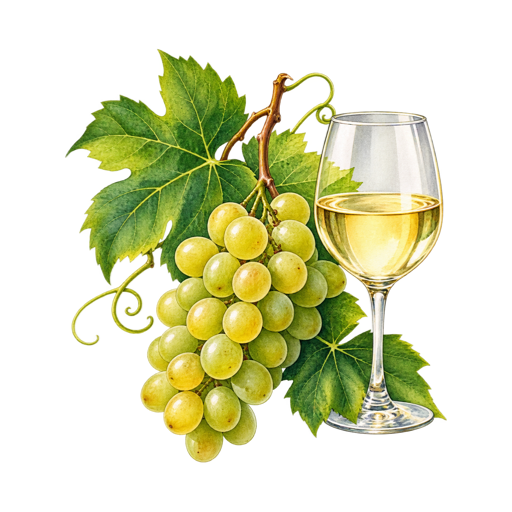
Northern Portugal, Portugal
White wine made from the Avesso grape, especially in northern Portugal's Vinho Verde region. Varietal bottlings can combine a rounded body with fresh acidity and fruity or floral aromas.
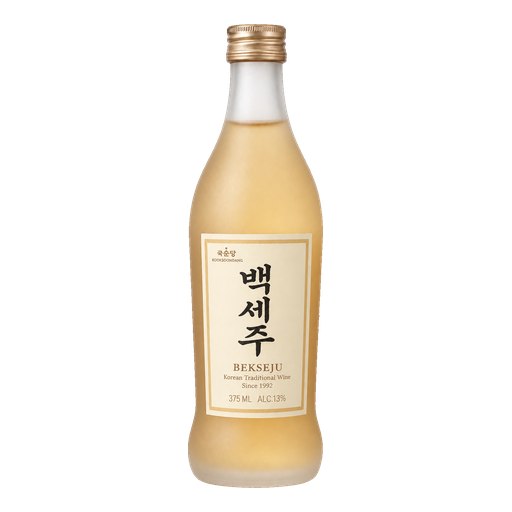

South Korea · North Korea
백세주
Korean rice wine flavoured with ginseng and other herbs, commonly served chilled. Ingredients and alcohol strength depend on the product.
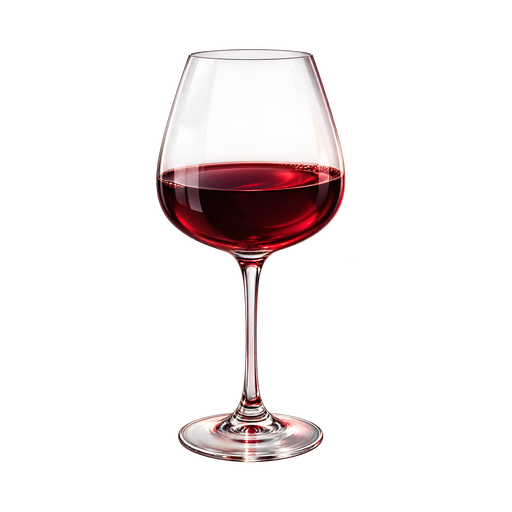
Centro, Portugal
Red wines made from Baga, a grape strongly associated with Bairrada. They often combine firm tannins and fresh acidity with dark berry-fruit notes.
Centro, Portugal
Bairrada
Wines from coastal Bairrada in central Portugal, including Baga-based reds, whites and sparkling styles.
Provence, France
Bandol is a Provençal wine appellation producing red, rosé and white wines; its structured reds are particularly associated with Mourvèdre.
Occitanie, France
Banyuls is a sweet fortified wine from the Roussillon coast, commonly based on Grenache, with styles shaped by colour and maturation.
Piedmont, Italy
A Piedmontese DOCG red wine made mainly from Barbera grapes grown in the hills of Asti and Alessandria. Young and more mature Superiore styles are produced.
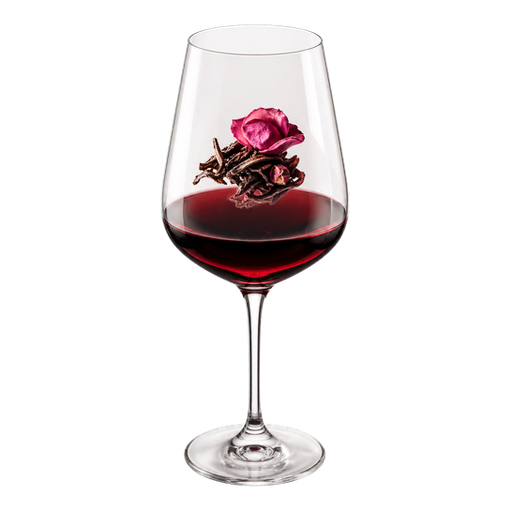

Piedmont, Italy
Piedmont's 'king of wines' from Nebbiolo grapes, aged 3+ years. Tannic, complex, and long-lived, from the Langhe hills.
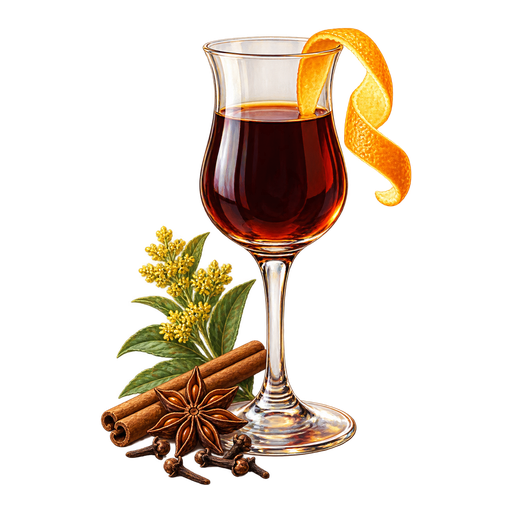
Piedmont, Italy
An aromatized wine made with Barolo and flavoured with cinchona bark and other botanicals. Sweetness balances its bitter herbal character.
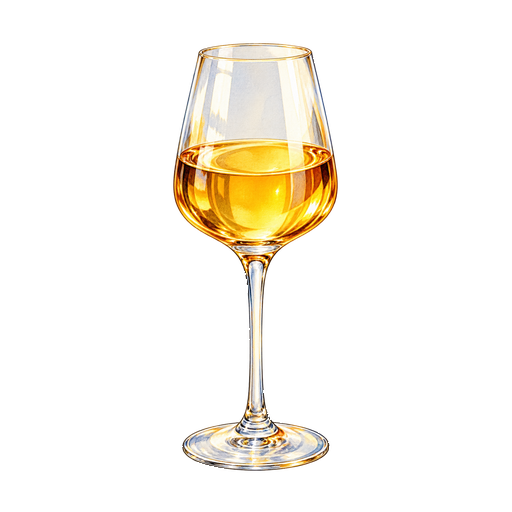
Nouvelle-Aquitaine, France
Barsac is a sweet white Bordeaux wine appellation neighbouring Sauternes, known for a balance of sweetness and freshness.
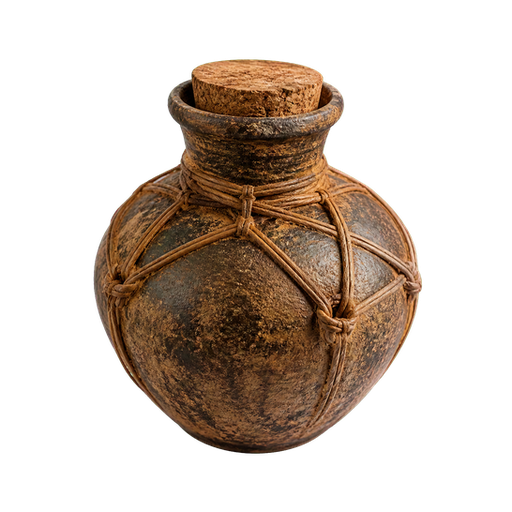
Philippines
A fermented sugarcane wine from Ilocos, aged in burnay jars, with a complex, earthy, and slightly sweet flavor.
Azerbaijan
Bayanşirə
Azerbaijani white wine made from the local Bayan Shira grape, with styles varying by producer.
France
Beaujolais is a French wine appellation best known for fruity Gamay reds, including Beaujolais Nouveau. It also produces Gamay rosés and Chardonnay whites.
France
Beaujolais-Villages is a Beaujolais appellation best known for Gamay-based red wines; white and rosé versions also exist.
Lebanon
نبيذ لبناني
Wine associated with Lebanon’s Bekaa Valley, made in red, white and rosé styles from international varieties and local grapes such as Obeideh and Merwah.
Serbia · Croatia
Бермет
An aromatised wine flavoured with herbs, spices and fruit. Serbian Fruška Gora producers make red and white bermet; Samobor in Croatia has a red-wine tradition. Recipes and the balance of sweetness and bitterness vary.

Dalmatia, Croatia
Bevanda is wine diluted with still water, especially associated with Dalmatia. Red wine is a familiar base, and the amount of water varies.
Castile and León, Spain
Bierzo is a protected wine denomination in León, Castile and León, known for Mencía reds and whites made with varieties such as Godello and Doña Blanca; rosé wines are also produced.
Basque Country, Spain
Bizkaiko Txakolina is a protected Basque wine denomination in Biscay, best known for fresh, acidic white txakoli. It also includes rosé, red and more developed or aged styles.
Mostar, Bosnia and Herzegovina
Herzegovinian red wine made from the Blatina grape, grown around Mostar and Čitluk. Styles range from fresh, fruity wines to oak-aged bottlings.
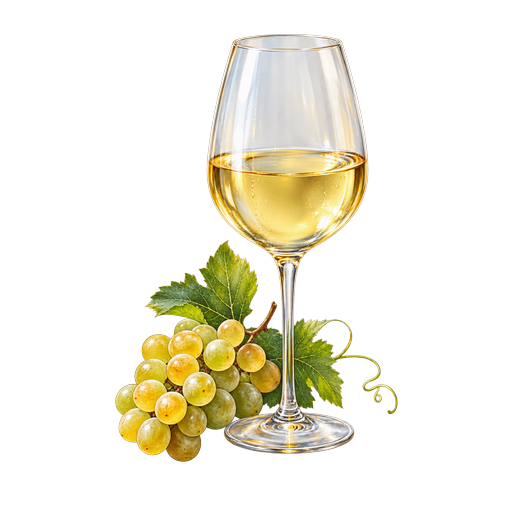
Croatia
Bogdanuša is an indigenous white wine from Hvar with citrus and mineral character.
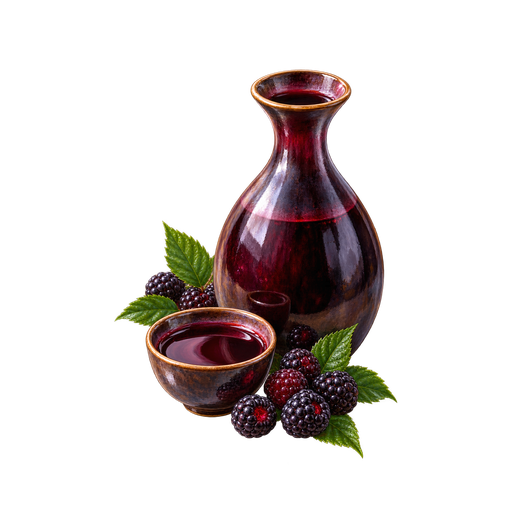
South Korea · North Korea
복분자주
A Korean black-raspberry drink made either as fermented fruit wine or by steeping bokbunja in a spirit such as soju. Sweetness and alcohol strength vary.
Argentina
Argentine red wine made from the Bonarda grape, also known as Douce Noir, Corbeau or Charbono. Often fruit-forward, it ranges from easy-drinking young wines to more structured examples.
Nouvelle-Aquitaine, France
Bordeaux rouge
Red wine from Bordeaux, primarily Cabernet Sauvignon and Merlot blends.
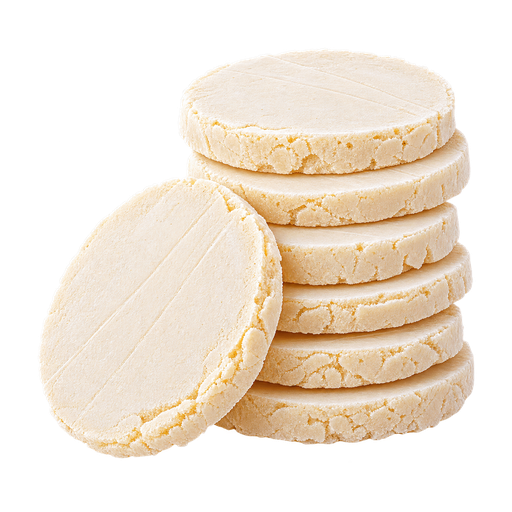
Bali, Indonesia
Brem
A Balinese alcoholic drink made by fermenting glutinous rice.
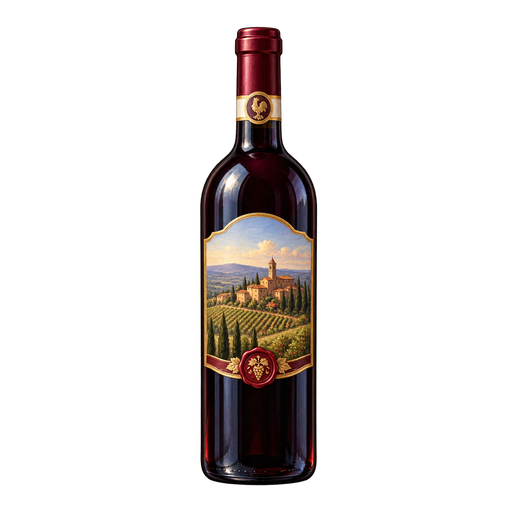
Tuscany, Italy
A Tuscan DOCG red wine from Montalcino, made entirely from Sangiovese. Ageing develops its firm tannins, full body and red-fruit aromas into a long, dry finish.
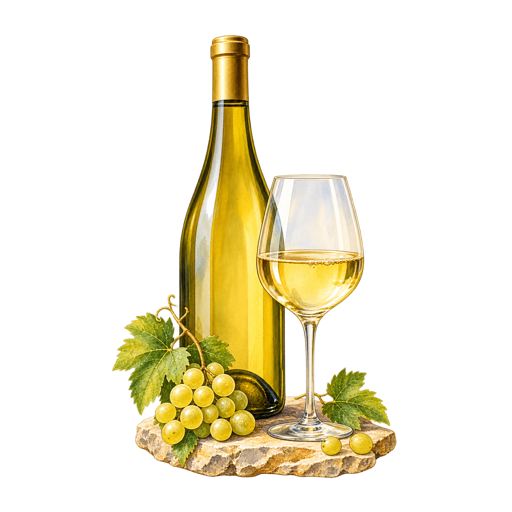
Lisbon Region, Portugal
Vinho de Bucelas
White wine from Bucelas near Lisbon, based mainly on Arinto and known for fresh acidity.
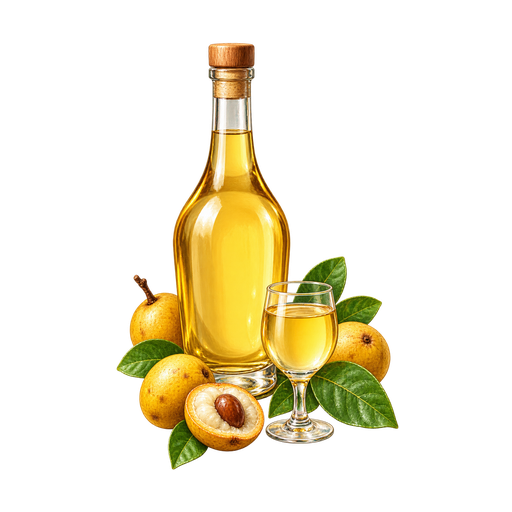
Eswatini
Traditional marula fruit wine brewed by women, celebrated at the annual Buganu Festival.

Burgundy, France
Bourgogne rouge
Pinot Noir from Burgundy, elegant and complex with red fruit and earthy notes.
Burgundy, France
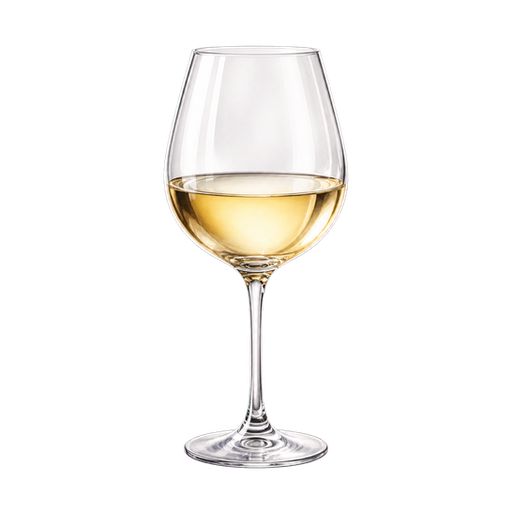
Bourgogne blanc
Chardonnay from Burgundy, ranging from crisp and mineral to rich and oaky.
Czech Republic · Slovakia
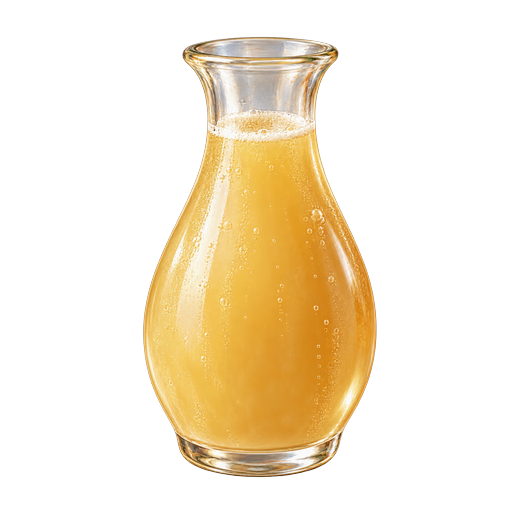
Burčiak
Burčák is partly fermented young wine, typically cloudy and sweet, associated with the autumn grape harvest.
Chile
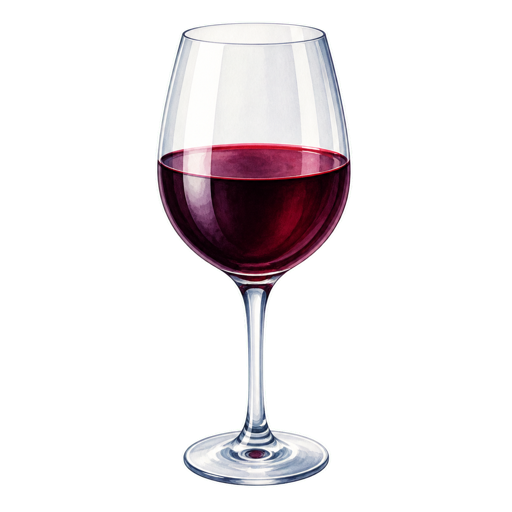
Red wine made from the Carménère grape, a French variety strongly associated with Chilean wine production. The variety was identified among Chilean vines in 1994 after being confused with Merlot.
Provence, France
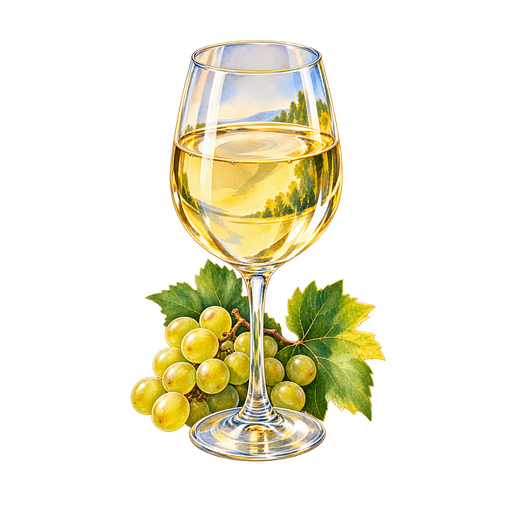
Cassis is a Provençal wine appellation, especially known for white wines made with grapes such as Marsanne and Clairette.
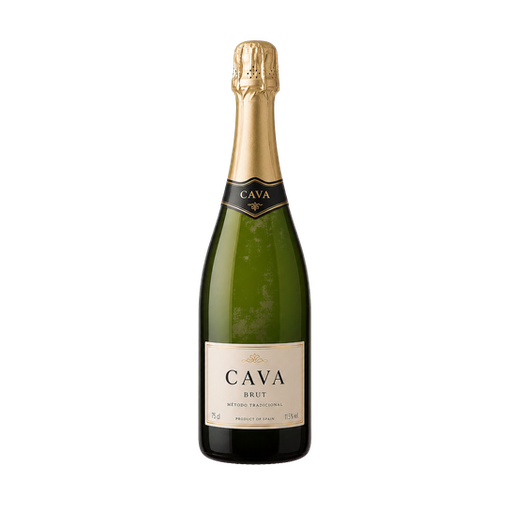
Spain · Andorra
Cava is Spanish sparkling wine made by the traditional method, mainly in Catalonia. Traditional grapes include Macabeo, Parellada and Xarel·lo, alongside other authorized varieties.
Burgundy, France
Petit Chablis
Chablis wines are Chardonnay whites from northern Burgundy, including Petit Chablis, Chablis, Premier Cru and Grand Cru labels. Fresh acidity and citrus or mineral notes are common; oak use varies.


