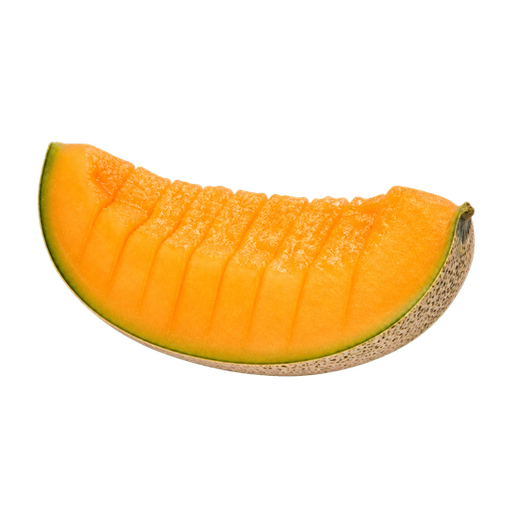
Xinjiang, China
Hami Melon
哈密瓜
A netted-skin melon with dense orange flesh, far sweeter than a cantaloupe, grown in the Turpan and Hami desert basins.

The complete directory
186 foods match this view. Search local names, narrow the map, or follow a category.
Xinjiang, China
哈密瓜
A netted-skin melon with dense orange flesh, far sweeter than a cantaloupe, grown in the Turpan and Hami desert basins.
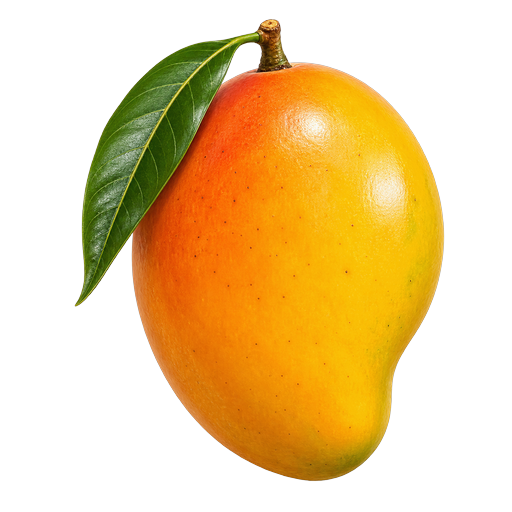
India
हापूस आंबा
Alphonso mangoes from the Konkan are sold ripe for their dense, perfumed flesh and saffron-orange color.
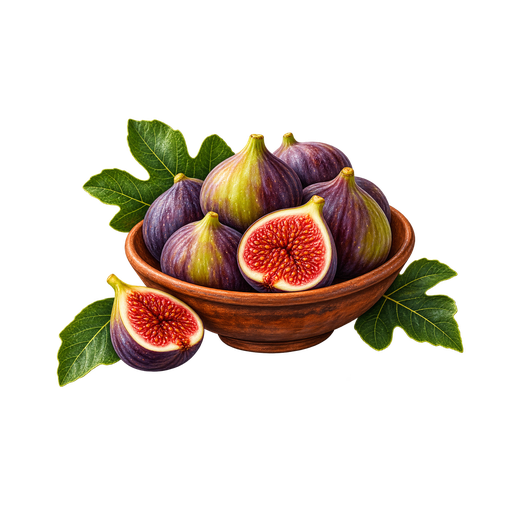
Herzegovina, Bosnia and Herzegovina
Smokve
Figs grown on the stony Neretva valley terraces, eaten fresh in August and dried in strings for the rest of the year.
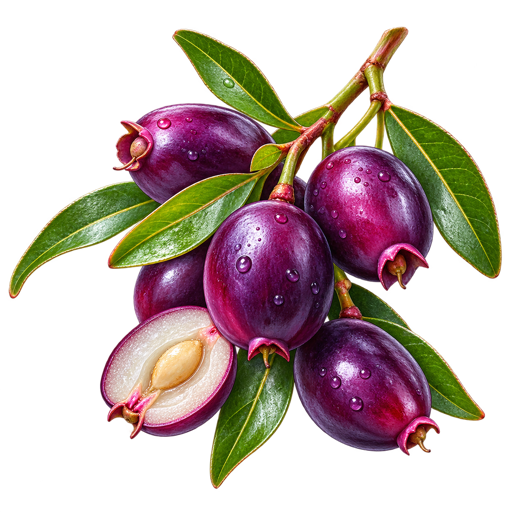
Australia
Purple-red fruit of the Illawarra plum pine (Podocarpus elatus), an east-coast rainforest tree; what looks like a berry is a fleshy stalk carrying a hard green seed. Tart and resinous, used in jams, chutneys and sauces.
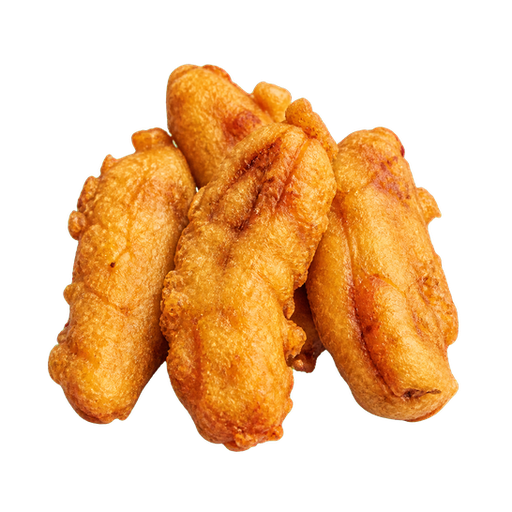
Indonesia
Pisang Goreng
Deep-fried banana, sometimes coated in batter, popular nationwide snack
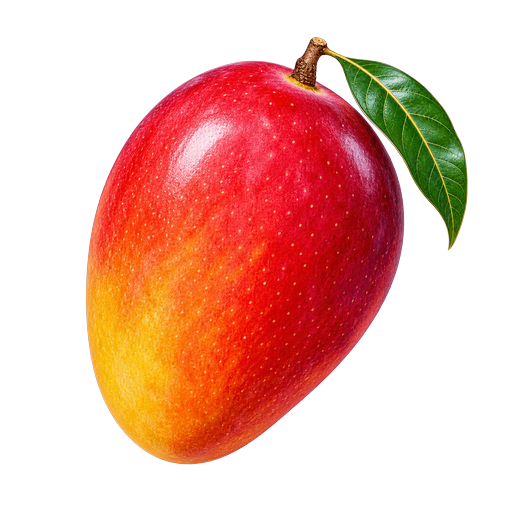
Tainan, Taiwan
愛文芒果
Deep red mango grown in Yujing in Tainan, in season from May to July and the basis of every mango shaved ice.
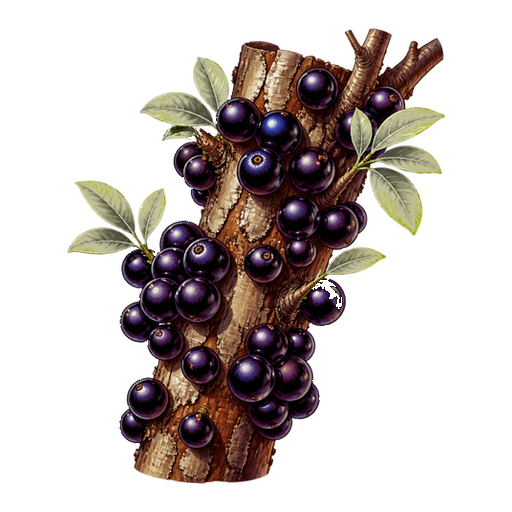
Brazil
A Brazilian grape-like fruit that grows directly on the trunk and branches of the jabuticabeira. Sweet, tart and dark purple, eaten fresh or made into jellies, liqueurs and wines.
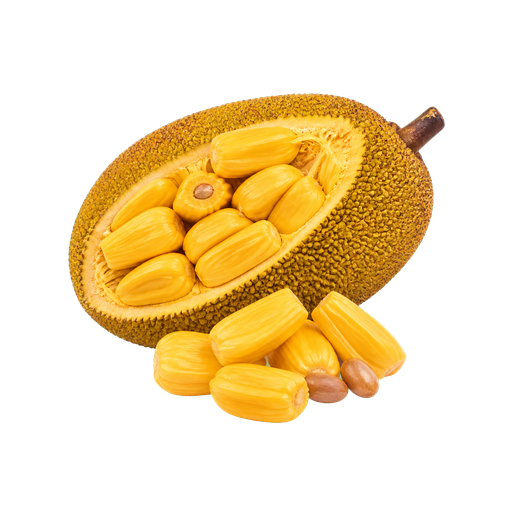
Sri Lanka
කොස්
The enormous spiked fruit of the jak tree, eaten unripe as a meaty curry, ripe as a sweet fruit, and its seeds boiled as a vegetable
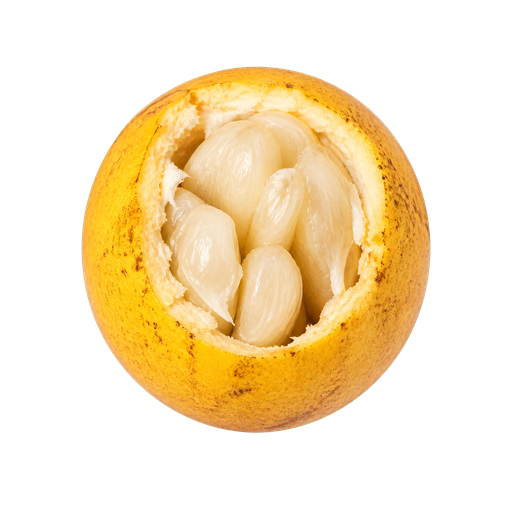
Dominican Republic
A Dominican tropical fruit with yellow, sweet, aromatic flesh around seeds, eaten fresh. A lowland and coastal fruit, sweet and floral.
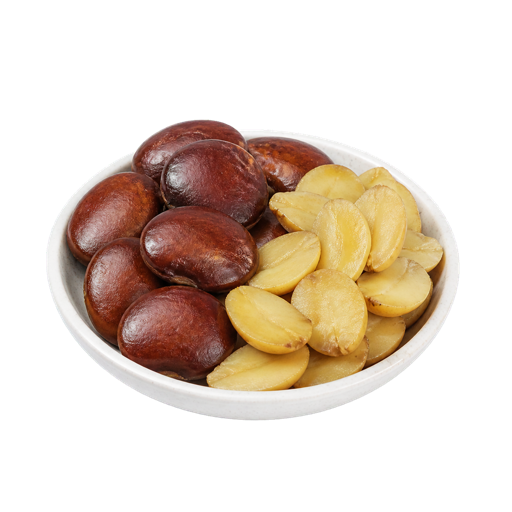
Indonesia
Bitter beans (djenkol) eaten raw or cooked, requires proper preparation, crunchy texture with bitter-sweet balance, a Malaysian ingredient, acquired
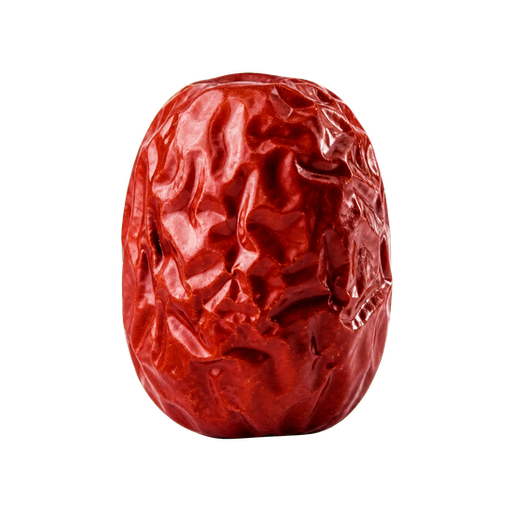
China
红枣
The Chinese date, dried to a wrinkled deep red, chewy and caramel-sweet, dropped into soups, teas and tonic stews.
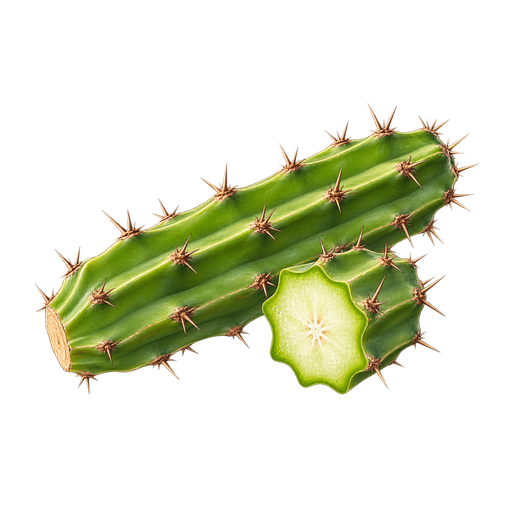
Curaçao
Kadushi
Kadushi (candle cactus); an abundant natural resource of Curaçao; used to make traditional kadushi soup; spines removed, peeled, and the insides ground and boiled; a resourceful island ingredient; a distinctive Curaçaoan specialty

Australia
Billygoat Plum
Kakadu plum is a small green Australian native fruit eaten fresh when tart or processed into powders, jams, and drinks.
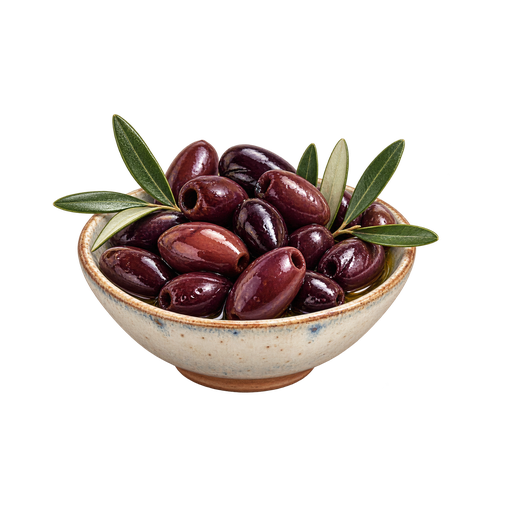
Peloponnese, Greece
Ελιές Καλαμών
A named Greek table olive, usually almond-shaped and deep purple to black when ripe. Elia Kalamatas has protected designation status for olives produced in the recognized Kalamata area.
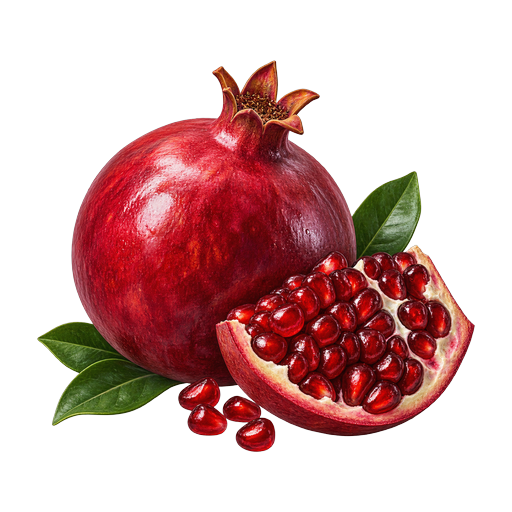
Kandahar, Afghanistan
انار قندهار
Large, dark, intensely sweet pomegranates from the Arghandab valley near Kandahar, harvested in autumn.
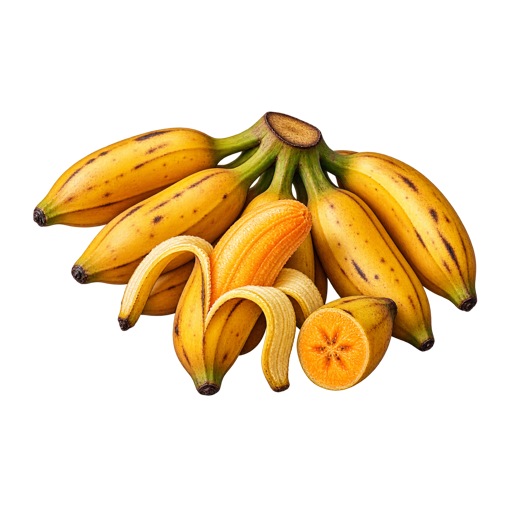
Pohnpei State (Capital FSM), Federated States of Micronesia
Karat
Karat is a Pohnpei Fe'i banana cultivar with dense orange flesh, eaten ripe and valued locally for its distinctive texture.
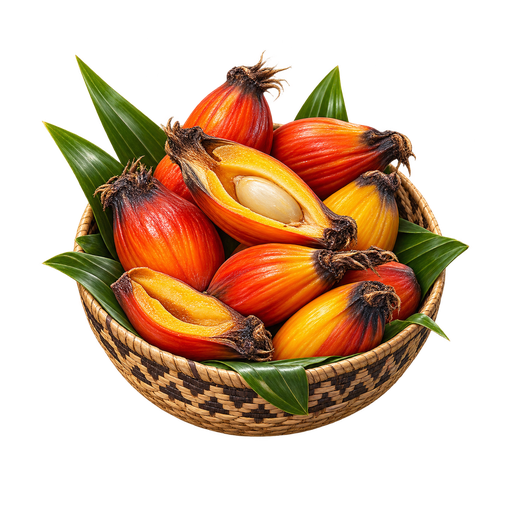
Papua New Guinea
Nuts from the mountain pandanus tree — a prized Highlands food, harvested between December and March, with a major harvest every second year; rich in oil and protein.
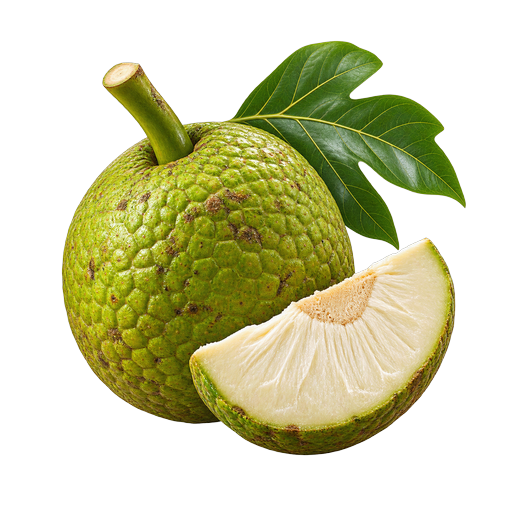
Maldives
ކަށިކެޔޮ
Screwpine (pandanus) fruit, a common Maldivian ingredient eaten raw in thin slices or cooked — sold fresh in markets across the islands.
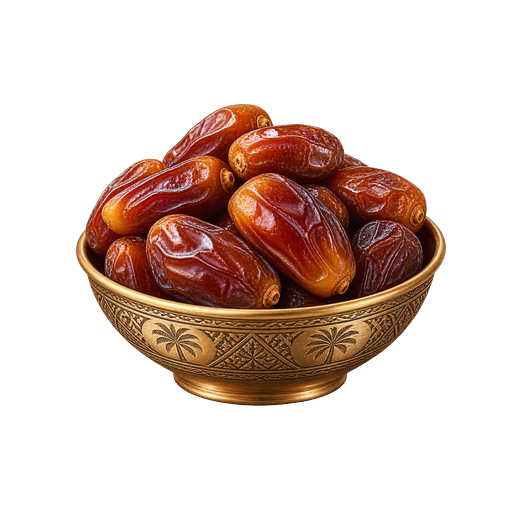
Saudi Arabia
تمر خلص
Khalas Dates are a moist Omani cultivar with balanced sweetness, golden-brown color, uniform size, and a soft texture at full ripeness.
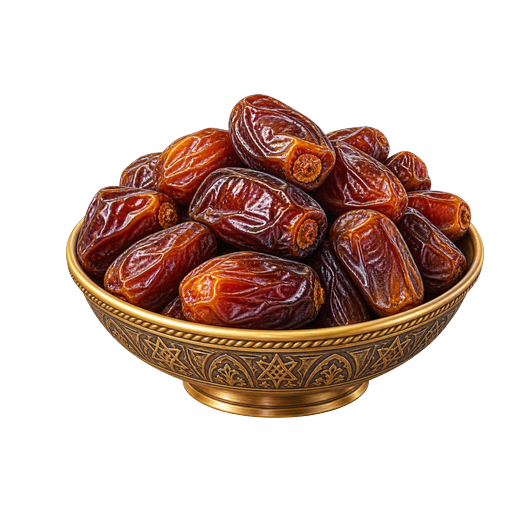
Oman
تمر خصب
Khassab Dates are a late-maturing Omani cultivar with large fruit, low moisture, rich flavor, and a firm surface suited to storage.
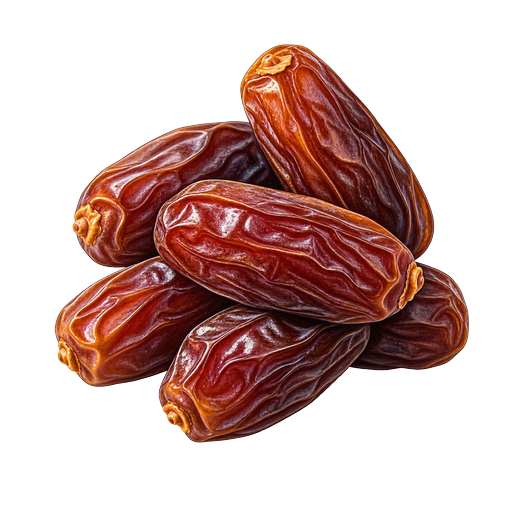
Saudi Arabia
تمر خضري
Khidri Dates are a dark, firm Saudi cultivar with nutty flavor and long shelf life, grown across several provinces and commonly exported.
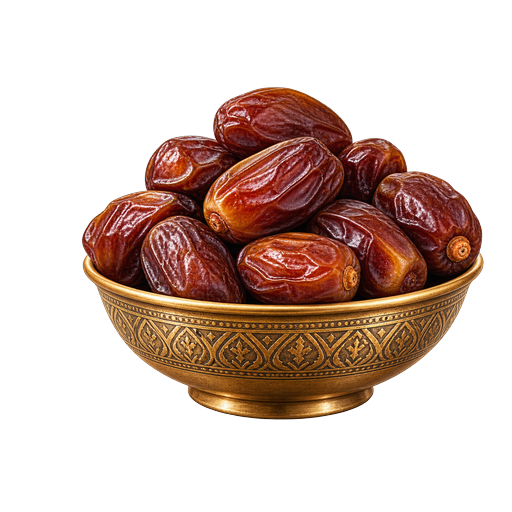
Produce
تمر خنيزي
Khunaizi Dates are an Omani cultivar harvested at an intermediate stage, with medium-to-large fruit and a balanced flavor when fully ripe.
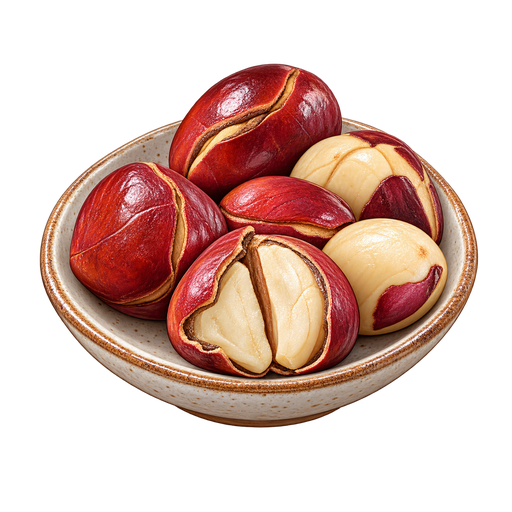
Sierra Leone
Kola nut, an important ceremonial and social symbol in Sierra Leone, also used to flavour drinks and to welcome guests; the bitter, caffeine-rich nut is chewed or used in ginger drinks and cola beverages.
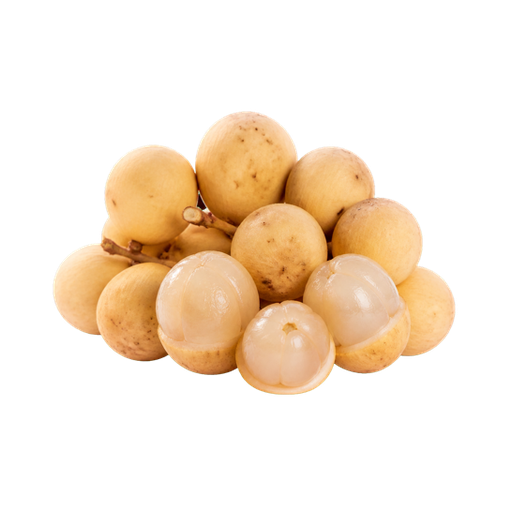
Indonesia
Small translucent fruit with sweet-tart segments and bitter seeds, translucent segments with thin skin and sweet-tart balance, a seasonal Malaysian tropical fruit
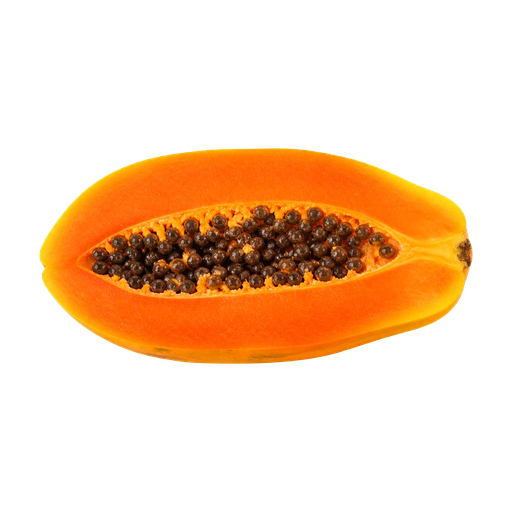
Dominican Republic
Dominican papaya (lechosa), a tropical fruit with orange flesh and black seeds, eaten fresh or in juices and desserts. A staple of the lowlands and coast.
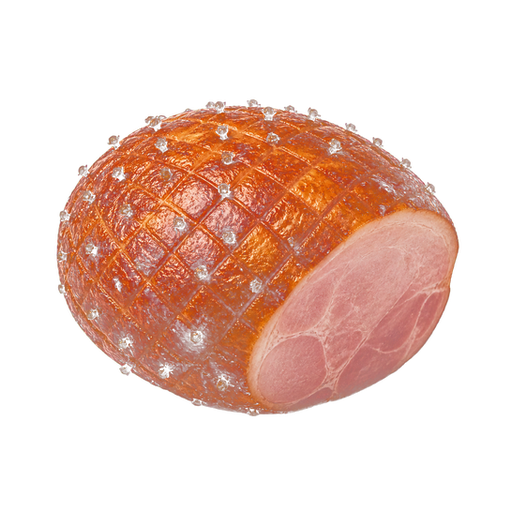
Australia
Rainforest fruit with strong citrus flavour, used in jams and as a spice, pale green to yellow when ripe, strong citrus aroma with good color, a rare native gourmet ingredient.
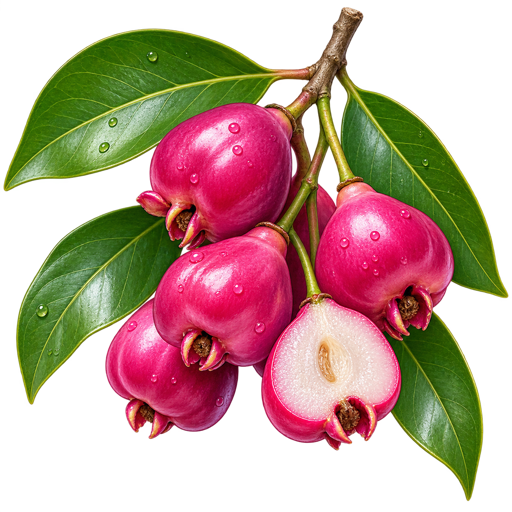
Australia
Glossy magenta berries of coastal lilly pilly trees (Syzygium species), crisp and apple-tart with a faint clove note; the trees line Australian streets and their fruit is gathered for jams, syrups and cordials.
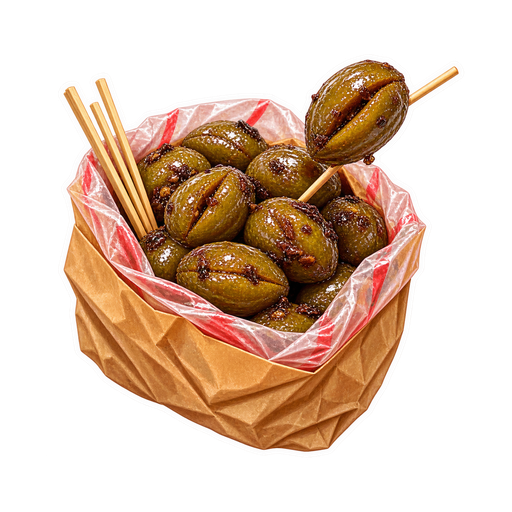
Hong Kong
甘草欖
Gan cao lan ("airplane olives"), liquorice-cured olives thrown by street hawkers up to tenement windows, is a named Hong Kong snack with a piece of city history attached.
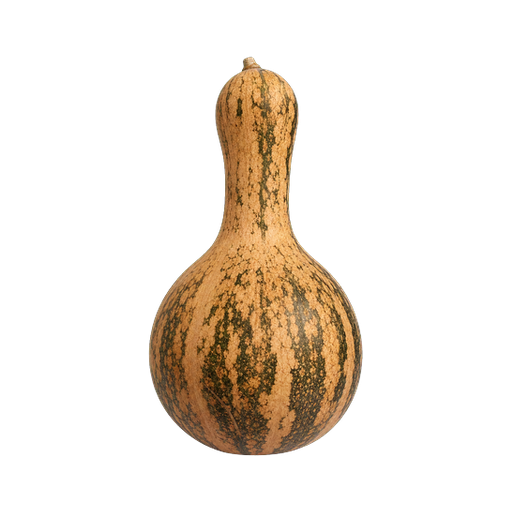
Lambayeque, Peru
A unique squash from Lambayeque with Denomination of Origin (2010). Result of ancestral pre-Inca farming techniques.
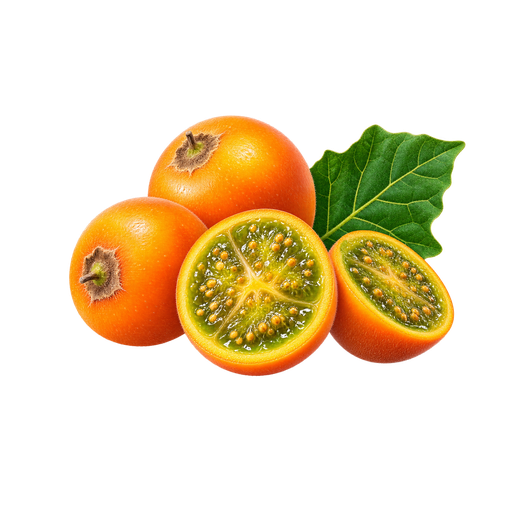
Colombia
Naranjilla
A Colombian tropical fruit (naranjilla) with orange, fuzzy skin and green, tart pulp. Used in juices, champús, and desserts, a national favorite.
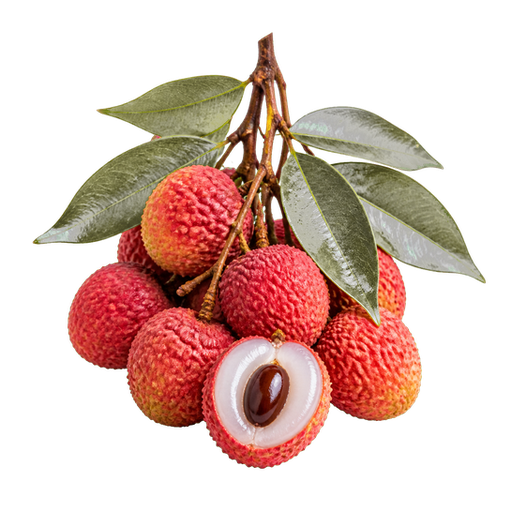
Guangdong, China
荔枝
A summer fruit with a red pebbled shell over translucent, perfumed white flesh and a single glossy stone.
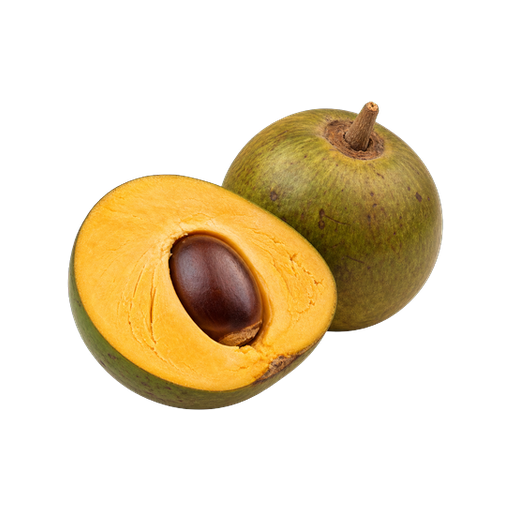
Chile
A golden, sweet Andean fruit from Peru with a dry, mapley flesh. Used in ice cream, milkshakes and desserts.
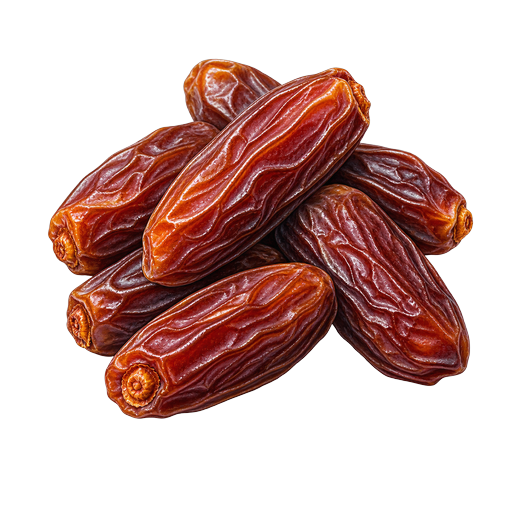
Saudi Arabia
تمر مبروم
Mabroom Dates are long, slender, dark-brown fruits with chewy flesh and a caramel-like flavor, widely sold as a Saudi commercial variety.
Kenya
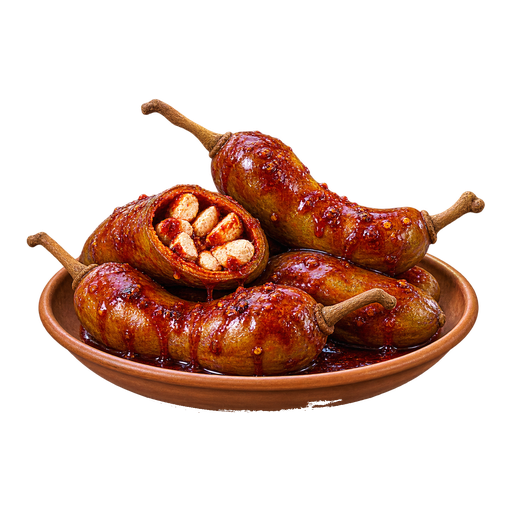
Baobab seed pods coated in sweet, spicy red syrup as a Kenyan roadside treat.
Madagascar
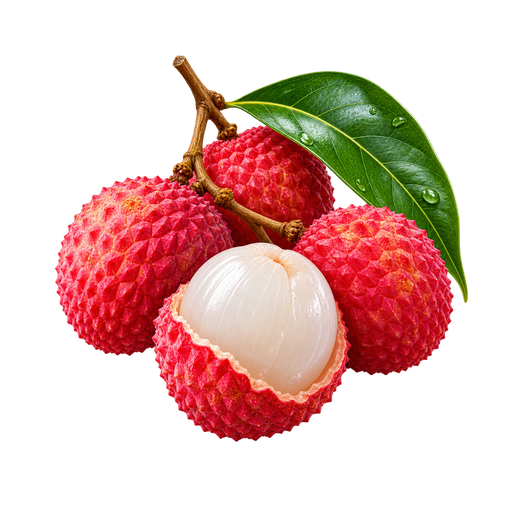
Litchi
Lychees from the east coast around Toamasina, harvested in November and December and shipped to Europe for Christmas.
Malawi
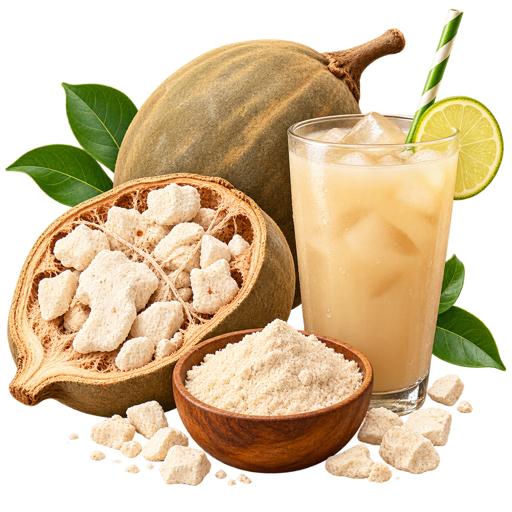
The dry white pulp of the baobab (Adansonia digitata) fruit, called malambe in Malawi; naturally tangy and very high in vitamin C, used in juice, ice lollies, sweets, and porridge.