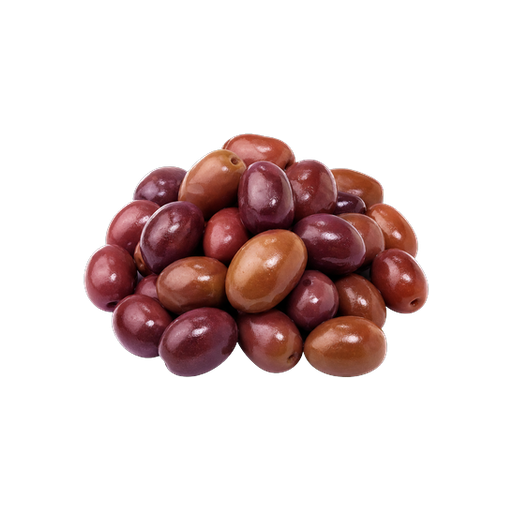
Tacna, Peru
Aceituna de Tacna
Olives from Tacna with Denomination of Origin (2014). Unique due to the cold Humboldt Current and local cultivation techniques.

The complete directory
186 foods match this view. Search local names, narrow the map, or follow a category.
Tacna, Peru
Olives from Tacna with Denomination of Origin (2014). Unique due to the cold Humboldt Current and local cultivation techniques.
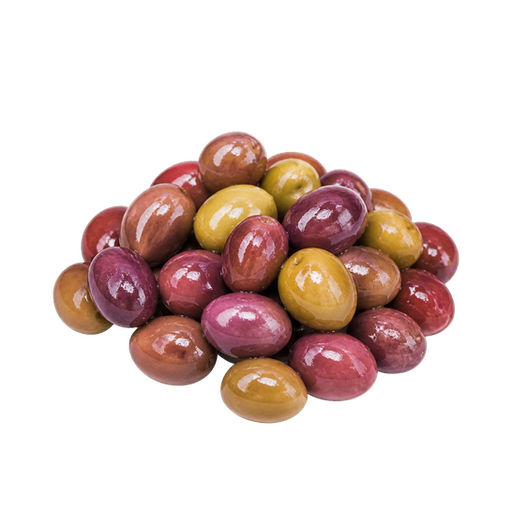
Mendoza, Argentina
Olives from Mendoza, Argentina's main olive-producing region, prized for their firm texture and briny flavor. Served in picadas, on pizzas, or pressed for oil.
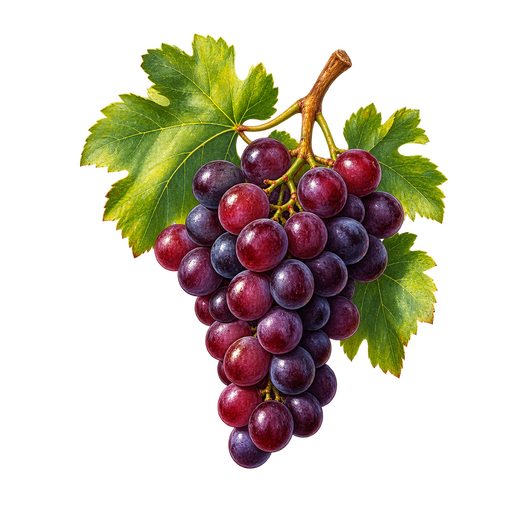
North Aegean, Greece
Αδραμυττιανή
A plump table olive grown around the Gulf of Adramyttian shores and on Lesbos, cured brine-green or cracked and dressed with olive oil, lemon and oregano.
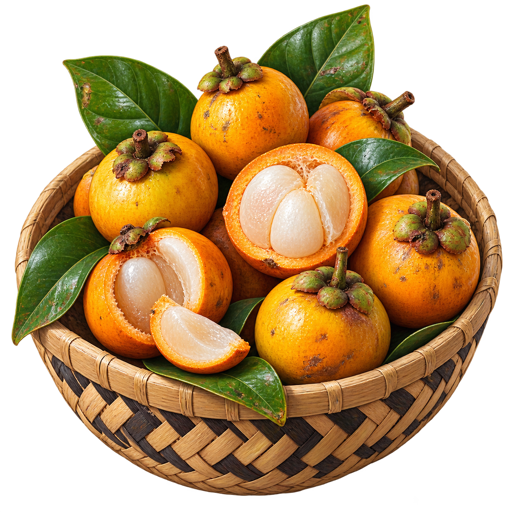
Zambia
Imbe
Imbe or African mangosteen; a wild fruit found in Zambia; small, round, and golden-orange; sweet and tangy; eaten fresh as a snack; foraged from the wild; a seasonal treat; the wild fruit of Zambia's forests; sold at rural markets when in season.
Peloponnese, Greece
Αγούρωμανακο
Small bitter-cured green olives picked unripe, cracked and rinsed for days to draw out the bitterness, then marinated with garlic, lemon and wild fennel.
Paraguay
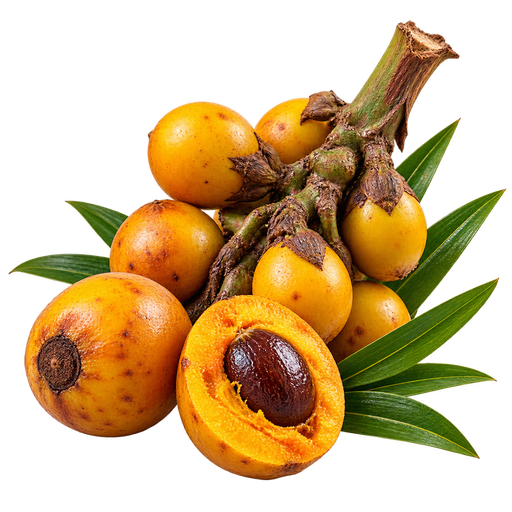
Agua'i
Native sapotaceous fruit of the Paraguayan Atlantic forest, yellow-skinned and sticky-sweet around two flat seeds, with a tart finish that earned it the name agua'i ('bitter water').
Bolivia
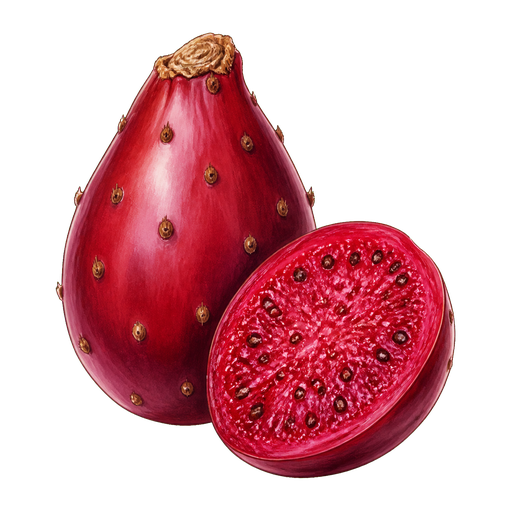
A Bolivian red cactus fruit used as a natural colorant in desserts and drinks
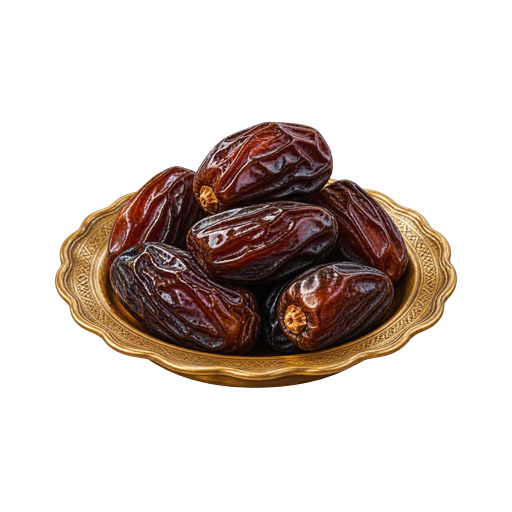
Madinah, Saudi Arabia
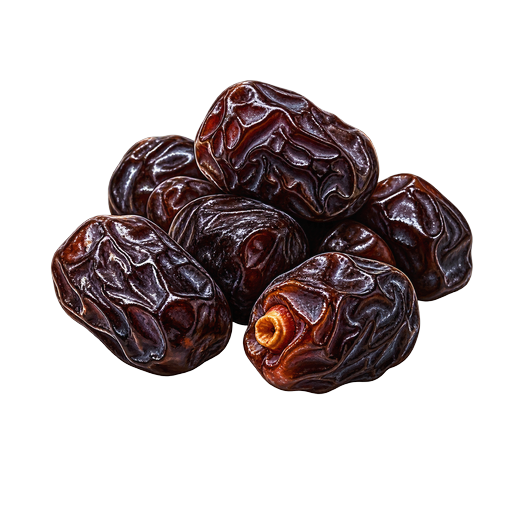
تمر عجوة
Ajwa Dates are a soft, dark Medina variety with moderate sweetness and a moist texture; their cultural importance is tied to Islamic tradition.
Sudan
Ajwa
Dates served as a Sudanese sweet and hospitality food.
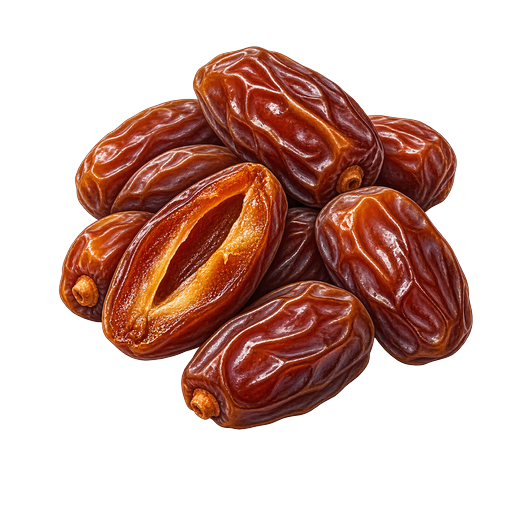
Madinah, Saudi Arabia
البكاية
Al-Bakaya Dates are Medina dates with very high sweetness and delicate fruit, historically difficult to cultivate because of perishability.
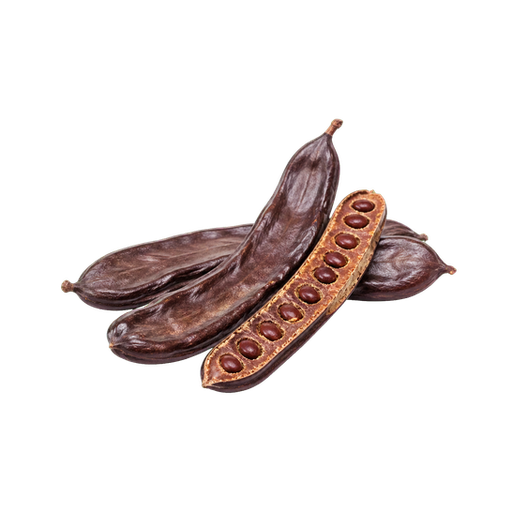
Argentina
Carob pods from the algarrobo tree of the Argentine northwest, ground into flour for patay, arrope, and aloja. A pre-Hispanic staple of the Chaco and Cuyo.
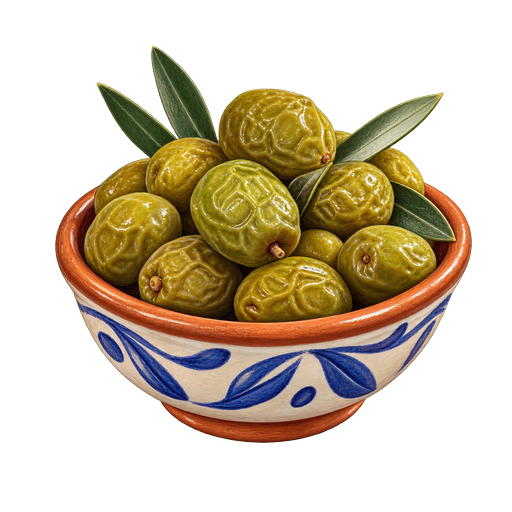
Andalusia, Spain
Aceituna Aloreña de Málaga
Aloreña Olives from Málaga are hand-cracked green table olives cured with garlic, thyme, fennel, and pepper in an aromatic brine.
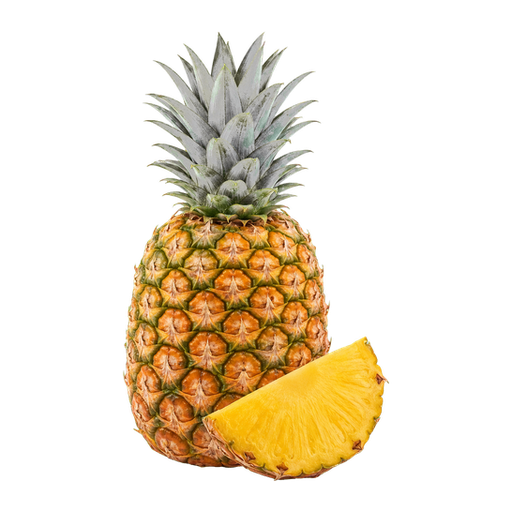
Azores, Portugal
São Miguel pineapples grown in greenhouses for two years, intensely sweet and aromatic.
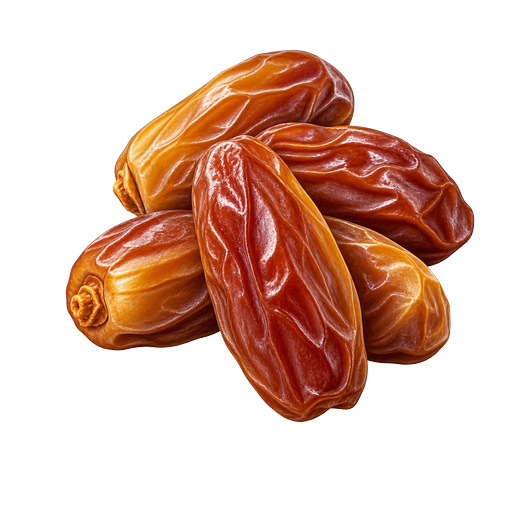
Madinah, Saudi Arabia
تمر عنبرة
Anbara Dates are a large Medina variety with soft flesh and a rich flavor; their elongated fruit is associated with high market prices.
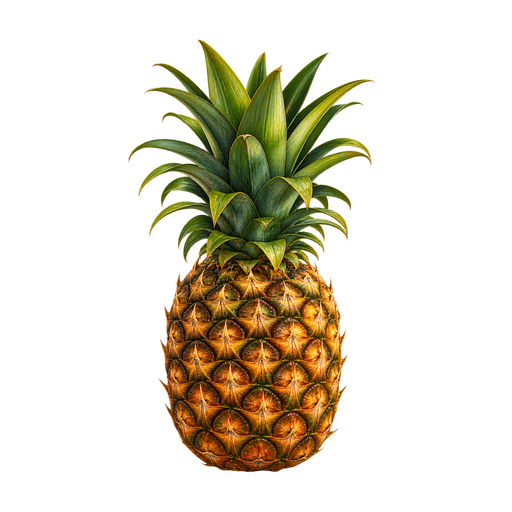
Antigua and Barbuda
The national fruit of Antigua and Barbuda; a small, dark-skinned pineapple grown in the southwest of Antigua; prized as exceptionally sweet and low in acid; often called the sweetest pineapple in the world; grows smaller than usual varieties but carries far more sugar; the distinctive fruit of the island.
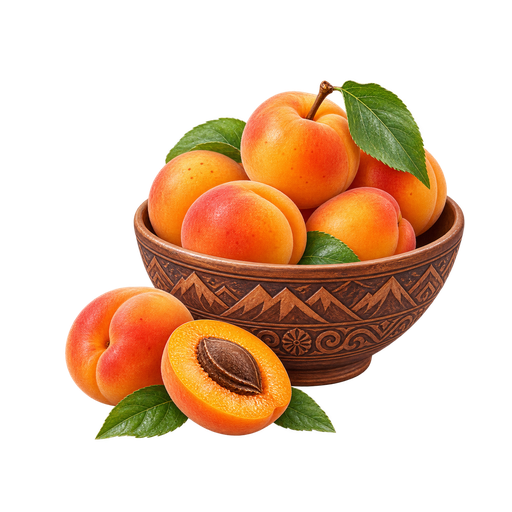
Armenia
Ծիրան
Fresh apricots from the Ararat plain, the fruit Armenia claims as its own and whose Latin name still says 'Armenian plum'.
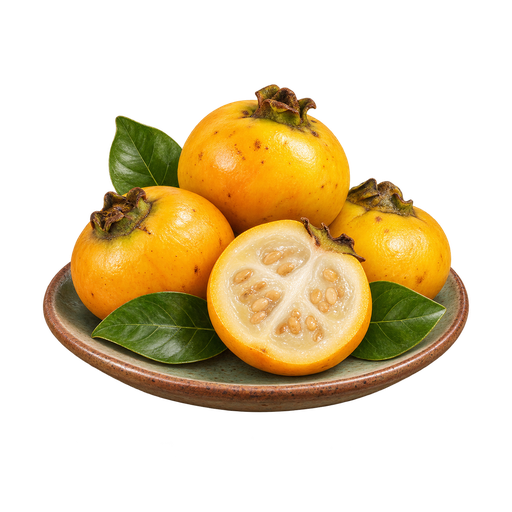
Colombia
An Amazonian fruit native to Colombia, with yellow skin and tart, aromatic yellow flesh. Used in juices, jams, and desserts, high in vitamin C.
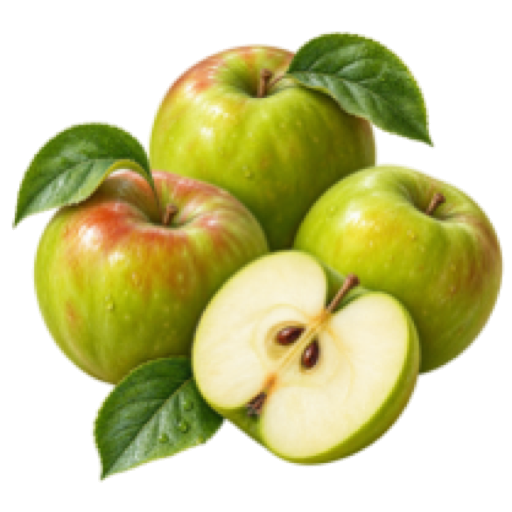
Northern Ireland, United Kingdom
Armagh Bramley Apples is a protected collective food or drink identity with a defined regional specification.
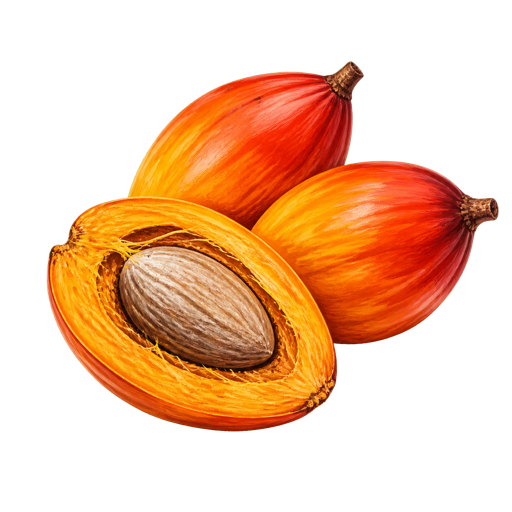
French Guiana
A bright orange palm fruit with a thin, oily, fibrous flesh scraped from the stone and cooked rather than eaten raw.

Brazil
Wassaï
A deep-purple Amazonian palm berry with thin skin around a large seed, pulped and prized for its earthy flavor across Brazil and French Guiana.
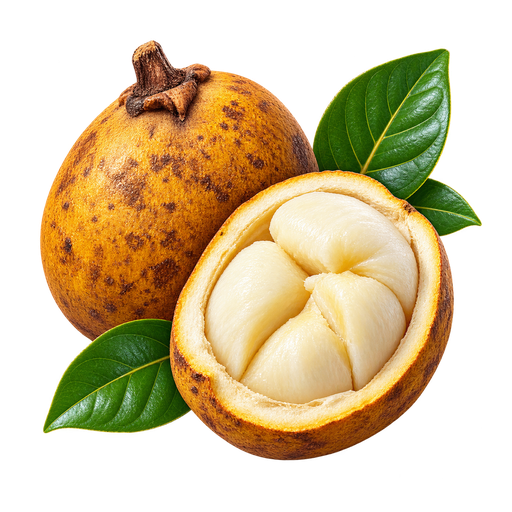
Brazil
A round, yellow-green Amazonian fruit with sweet, sticky white pulp and a strong, pleasant fragrance.
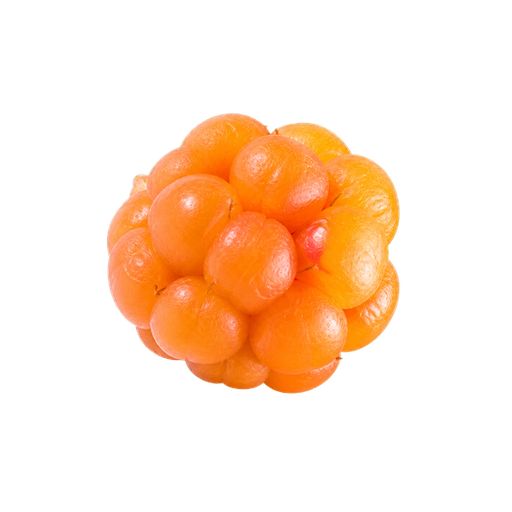
Atlantic Canada, Canada
Small pink-orange cloudberries growing in bogs, tasting like peach-apricot with tartness, prized Newfoundland delicacy.
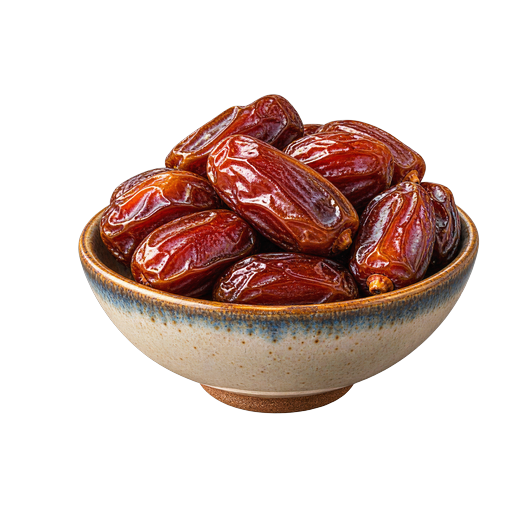
Kerman, Iran
خرمای بم
Mazafati dates from Bam in Kerman, dark, soft and wet, sold chilled because they do not keep at room temperature.
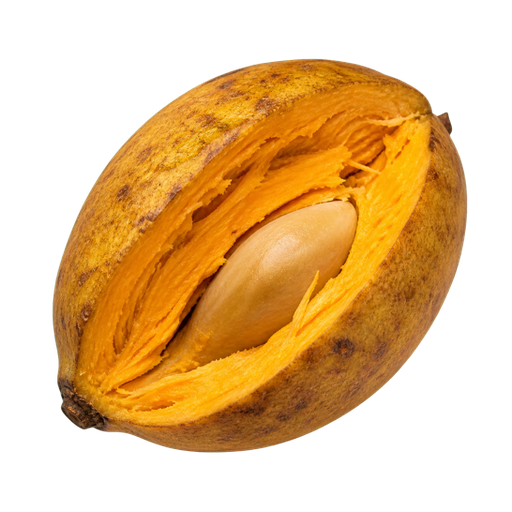
Sabah, Malaysia
Wild mango endemic to Borneo, fibrous and aromatic.
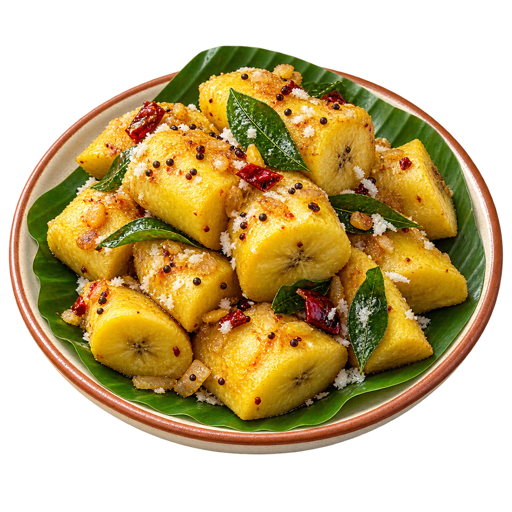
Guam
Gollai Appan Aga
Gollai appan aga is a Chamorro banana or plantain side, cooked until tender with savoury seasoning and served alongside rice, meat, or fish.

Iraq
تمر برحي
Round yellow dates eaten crisp at the khalal stage, tasting of coconut and apple before they ripen to soft brown.
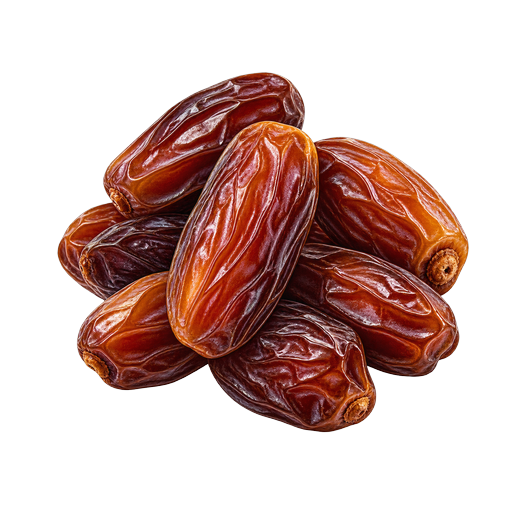
Madinah, Saudi Arabia
تمر برني
Barni Dates are a reddish-brown, medium-sized Medina variety with sweet flavor, firm-chewy flesh, and reliable storage qualities.
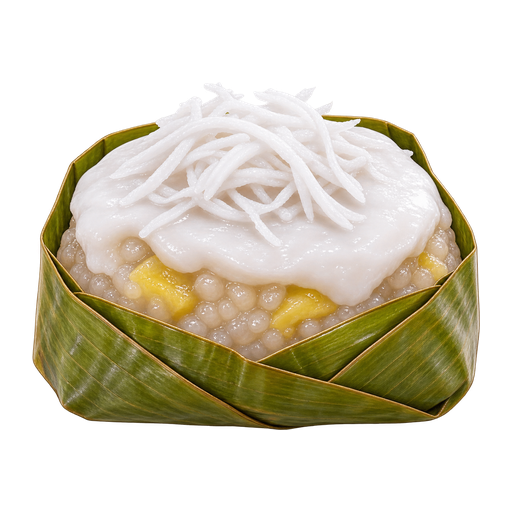
Cambodia
បេយដំនីប
Ripe mango slices served with sweetened coconut cream and toasted sesame, an essential Khmer fruit-based dessert.
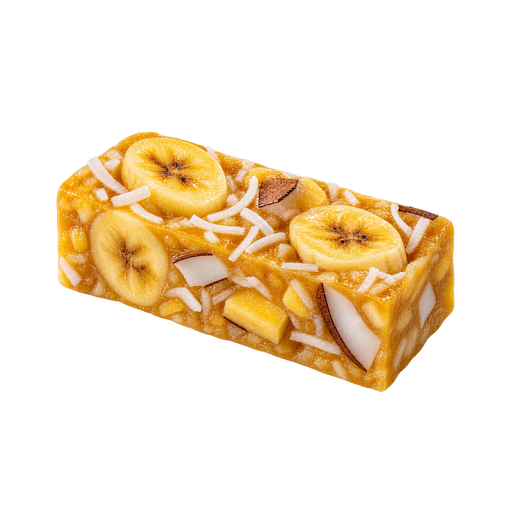
Seychelles
Bilenbi
Cucumber-like tart fruit grown across Seychelles; used in shark chutney, bouyon blan, and other dishes for its sour juice; squeezed for its acidic juice; a key ingredient in satini reken; the bilimbi's tartness is essential to Seychellois cuisine.
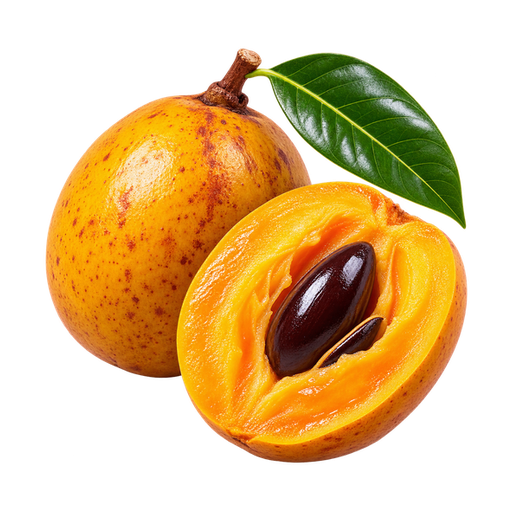
Bonaire
Mispel
Mispel is a small brown local fruit found on Bonaire and eaten as a seasonal island specialty.
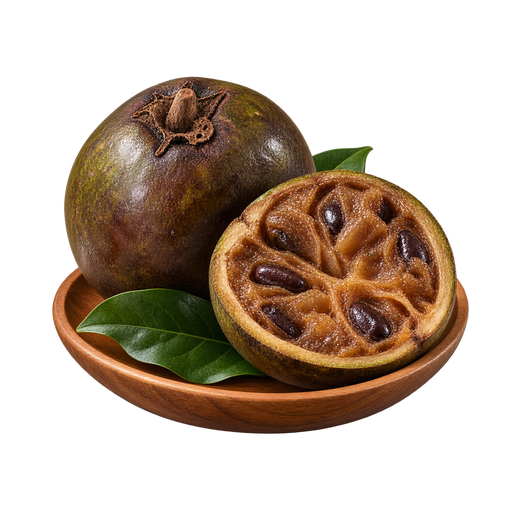
Colombia
A tropical fruit native to the Colombian Pacific Chocó region, with brown skin and brown, aromatic pulp. Used in juices, jams, and aphrodisiac drinks.
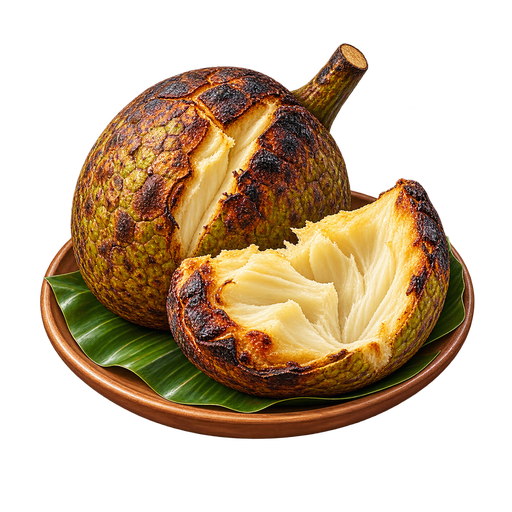
French Polynesia
'Uru
Uru is breadfruit served as a starchy fruit food, roasted, boiled, fried, or cooked in an ahima'a until the flesh is soft and potato-like.
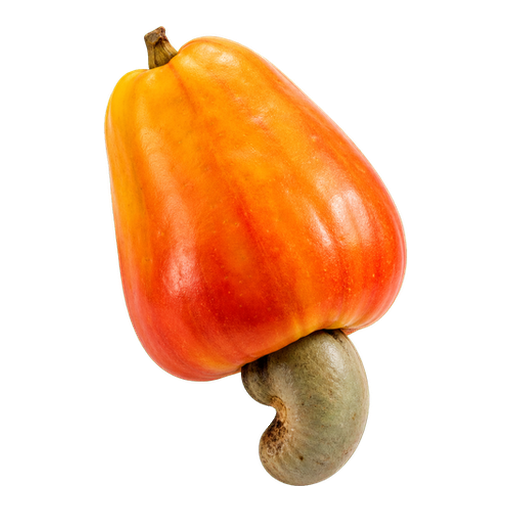
Brazil
The cashew fruit, a yellow-red pear-shaped peduncle with a sweet, astringent juice, with the nut attached at the bottom.
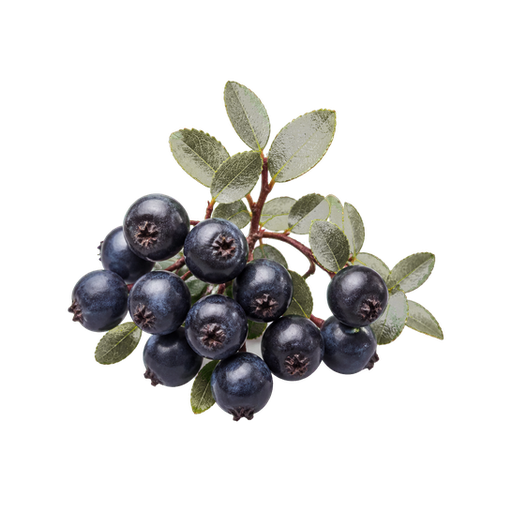
Patagonia, Argentina
Calafate
A small, dark-blue Patagonian berry from the calafate shrub, eaten fresh or in jams, ice cream, and cocktails. Local legend says whoever eats calafate will return to Patagonia.
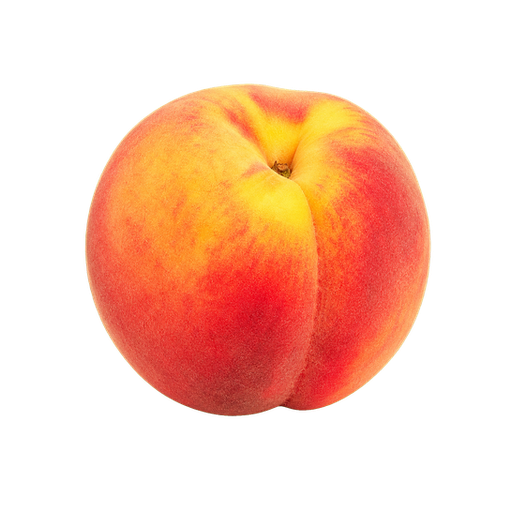
Aragon, Spain
Melocoton de Calanda
A protected designation peach from Calanda, Teruel, known for exceptional quality, large size, and a sweet, aromatic flavor, hand-thinned on the tree.
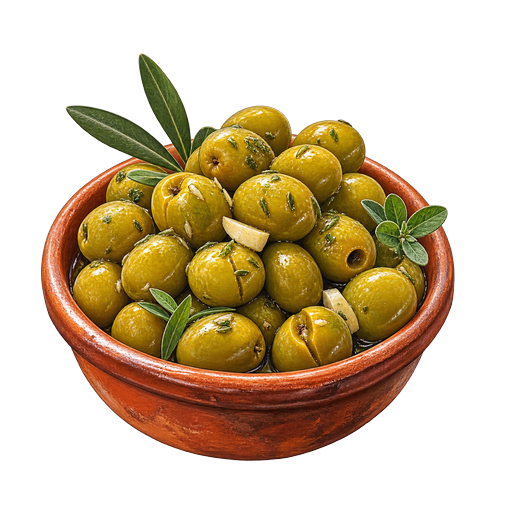
Spain
Aceitunas de Campo Real
Campo Real Olives are split green Manzanilla olives from Madrid traditionally seasoned in brine with garlic, thyme, fennel, and oregano.