South Korea
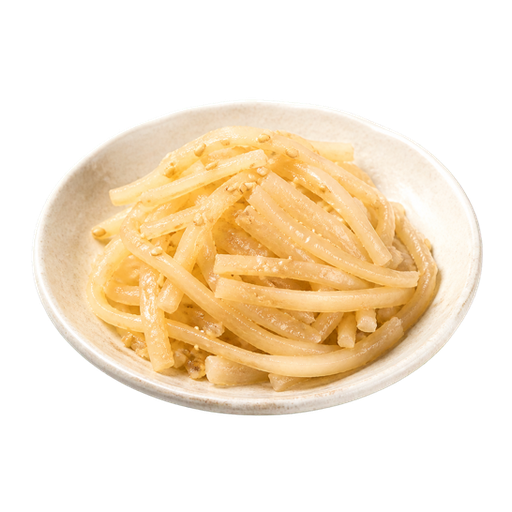
Seasoned Bellflower Root
도라지나물
Bellflower roots salted, rinsed, and stir-fried with sesame oil and garlic, with a firm texture and a pleasant herbal bitterness.

eastern-asia
Explore 148 foods connected to North Korea, from everyday staples to rare local specialties.
Start with Seasoned Bellflower Root →
The local shortlist
10 editor-selected foods for understanding the place through what people eat.
Open the guide →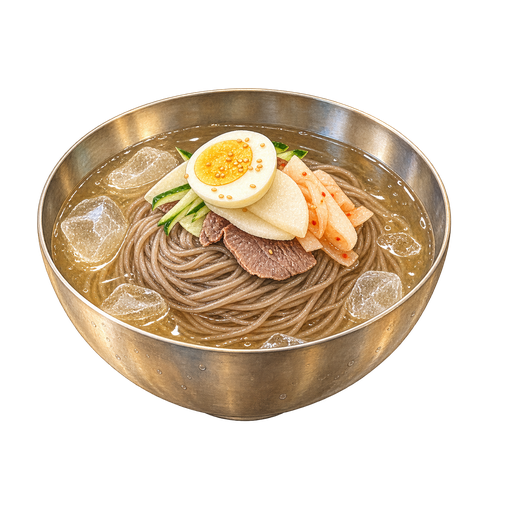
The full directory
148 foods in this view. Filter by category, type, rarity, or search every recorded name.
South Korea
도라지나물
Bellflower roots salted, rinsed, and stir-fried with sesame oil and garlic, with a firm texture and a pleasant herbal bitterness.
South Korea
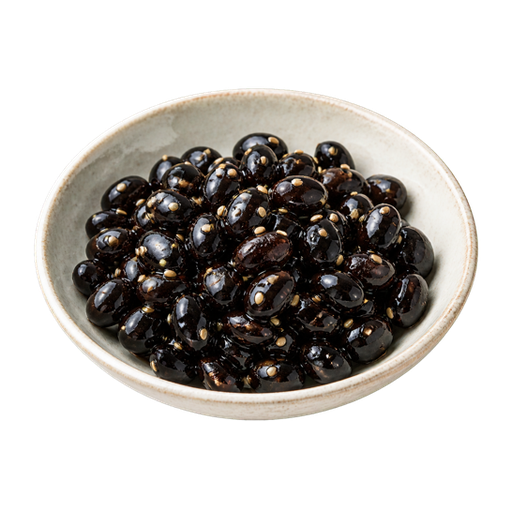
콩자반
Black soybeans braised in soy sauce and sugar until soft and glossy, a sweet-savory banchan that keeps well.
South Korea
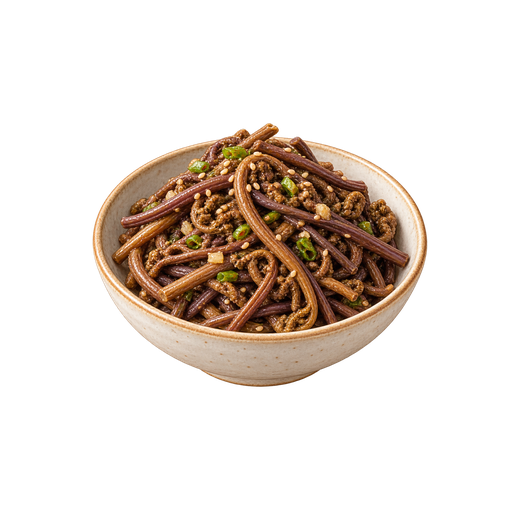
고사리나물
Rehydrated fiddlehead ferns slow-simmered in a savory broth with soy sauce, sesame oil, and garlic, a classic bibimbap ingredient.
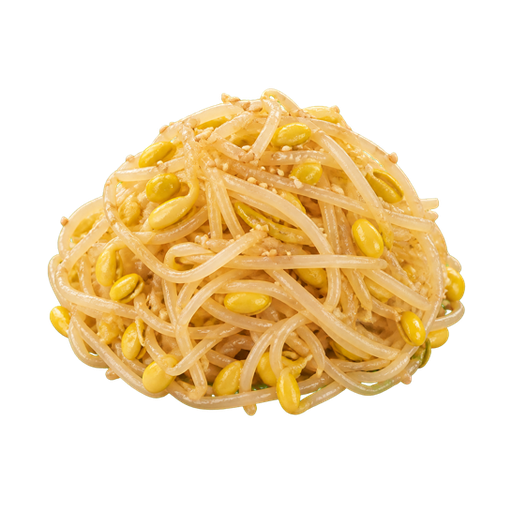
South Korea
콩나물무침
Soybean sprouts blanched and seasoned with sesame oil, garlic, and salt, a crunchy, nutty banchan.
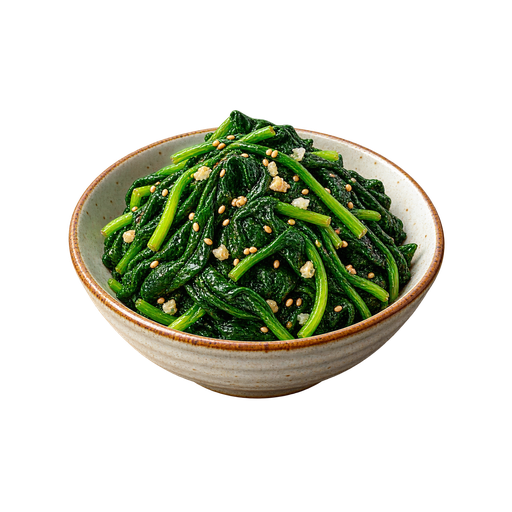
South Korea
시금치나물
Blanched spinach seasoned with sesame oil, garlic, soy sauce, and sesame seeds, a standard banchan and bibimbap topping.
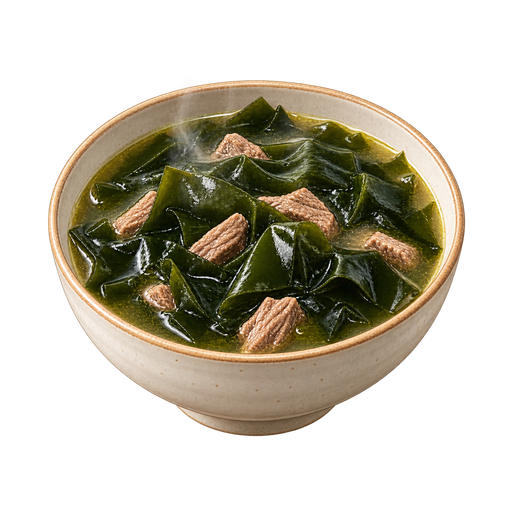
South Korea
미역국
A comforting soup with brown seaweed (miyeok) and beef broth, traditionally eaten on birthdays and after childbirth.
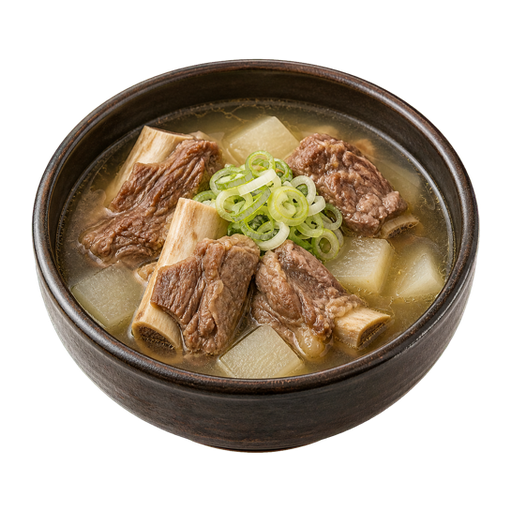
South Korea
갈비탕
A clear, rich soup made by boiling beef short ribs with radish for hours, with tender meat that falls off the bone.
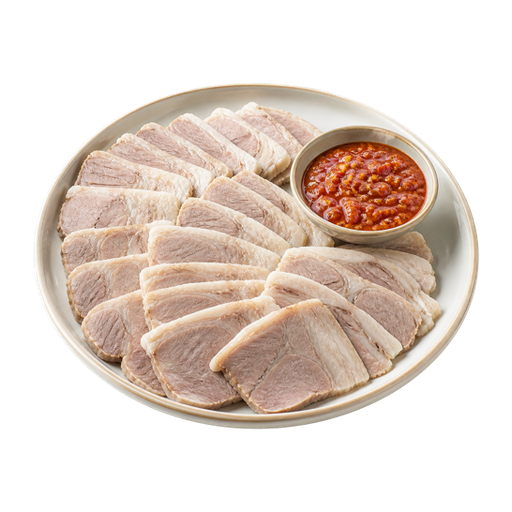
South Korea
편육
Pork or beef boiled until tender, then pressed and sliced thinly, served with a spicy gochujang or salted shrimp dip, a classic jokbal companion.
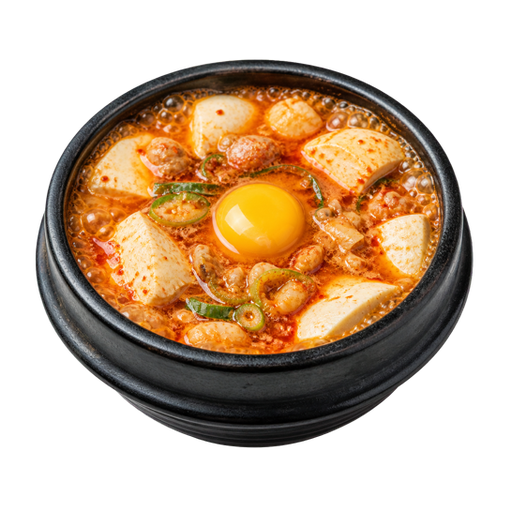
South Korea
순두부찌개
A spicy stew with uncurdled soft (silken) tofu, seafood or meat, and a raw egg cracked into the bubbling pot at the table.

North Korea
소주
A clear, distilled spirit traditionally from rice, now also from wheat or sweet potatoes, typically 16-20% ABV, Korea's most popular alcohol.
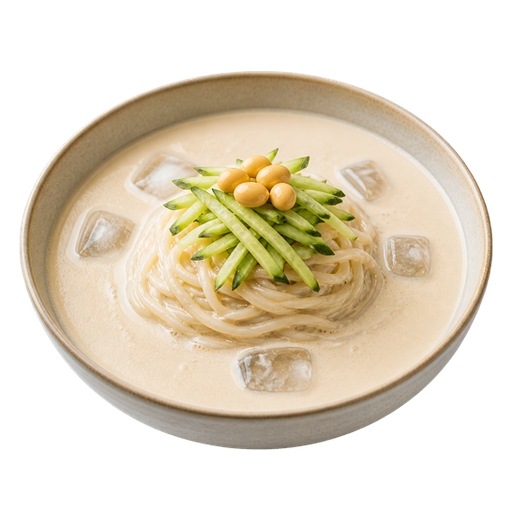
South Korea
콩국수
Cold wheat noodles in a rich, creamy broth made from freshly ground soybeans, a refreshing summer dish.
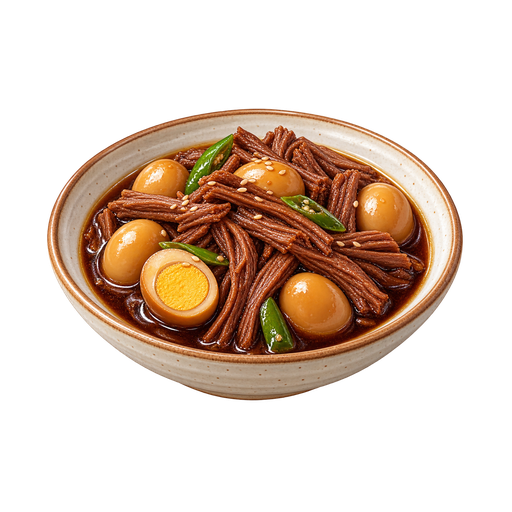
South Korea
장조림
Beef brisket braised in soy sauce with garlic and whole peppers, then shredded, a savory, salty banchan often served with eggs.
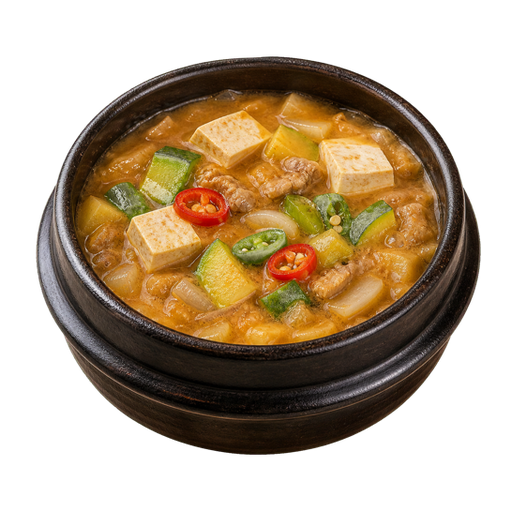
North Korea
된장찌개
A staple stew made with doenjang (fermented soybean paste), tofu, vegetables, and sometimes meat or seafood, served bubbling in a stone pot.
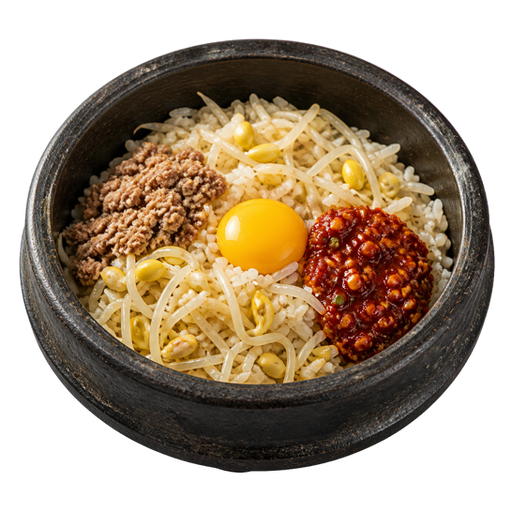
South Korea
콩나물밥
Rice cooked with soybean sprouts and ground meat, served with a spicy soybean paste sauce and raw egg mixed in at the table.
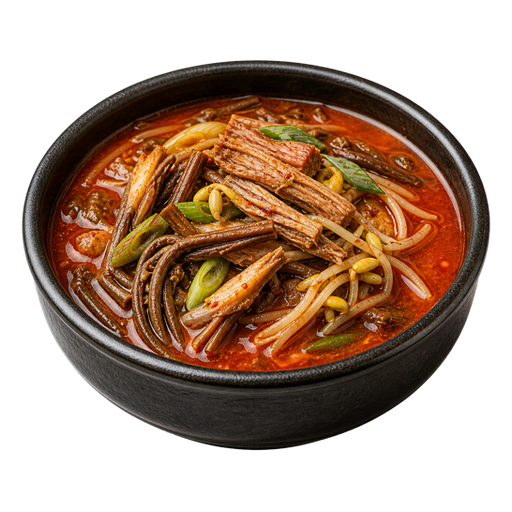
South Korea
육개장
A spicy soup with shredded beef brisket, fernbrake (gosari), bean sprouts, and scallions in a rich chili-based broth.
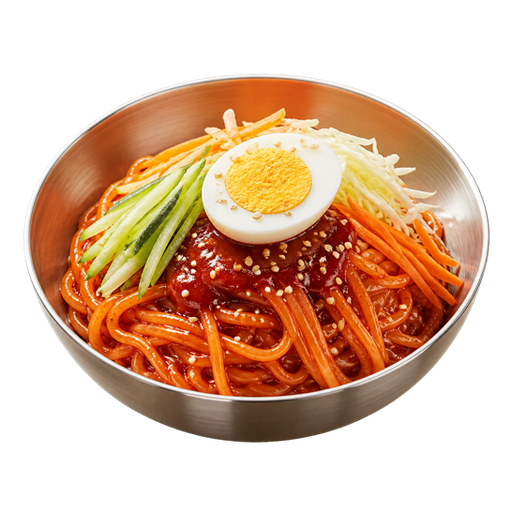
South Korea
쫄면
Extra-chewy wheat noodles served cold with a spicy-sweet gochujang sauce, vegetables, and boiled egg.
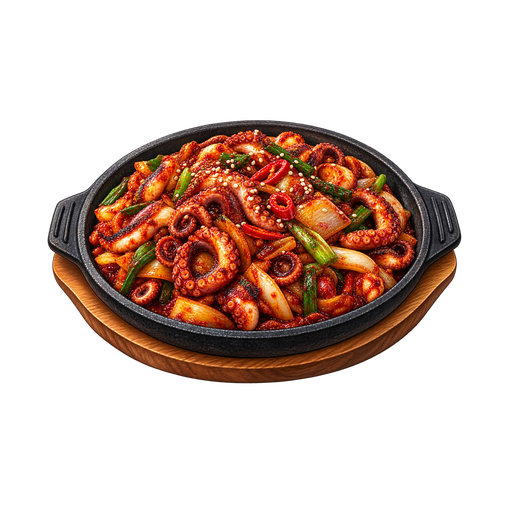
South Korea
낙지볶음
Small octopus stir-fried with vegetables in a spicy gochujang-based sauce, known for its chewy texture and bold flavor.
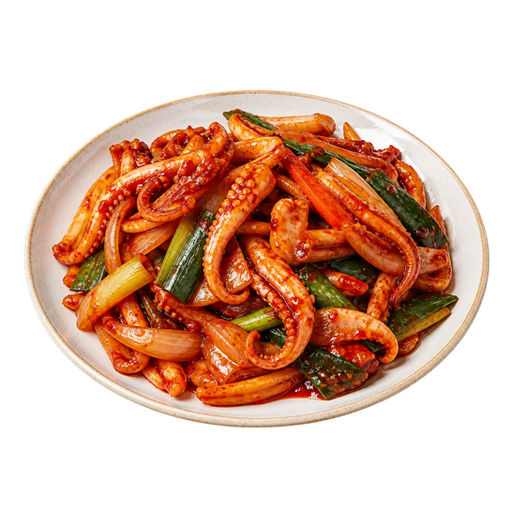
South Korea
오징어볶음
Squid stir-fried with vegetables in a spicy gochujang sauce, a popular home-cooked dish and drinking food (anju).
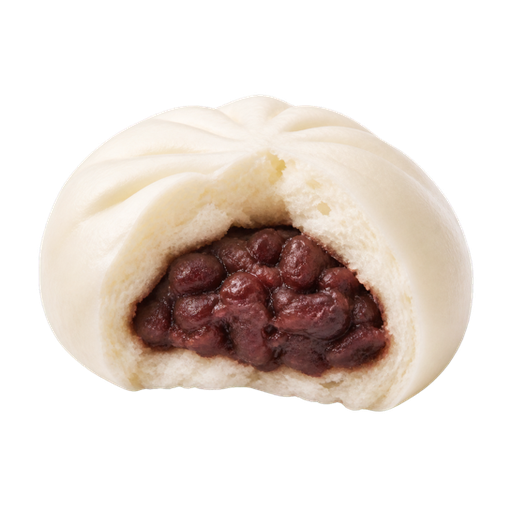
South Korea
호빵
Korean steamed buns filled with red bean paste, meat, or vegetables, a popular winter convenience food and street snack.
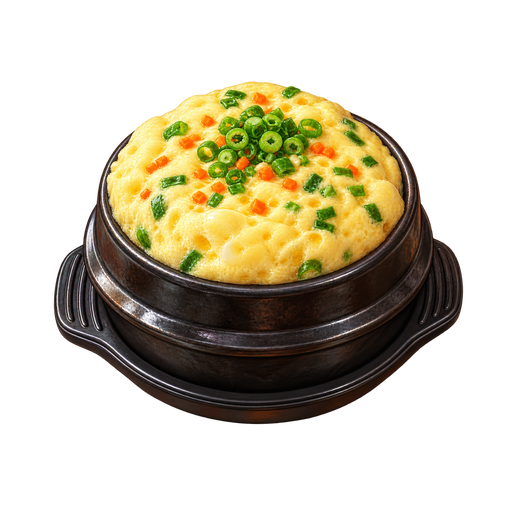
South Korea
계란찜
Eggs beaten with broth and steamed until fluffy and custard-like, served bubbling in a stone bowl, a comforting banchan.
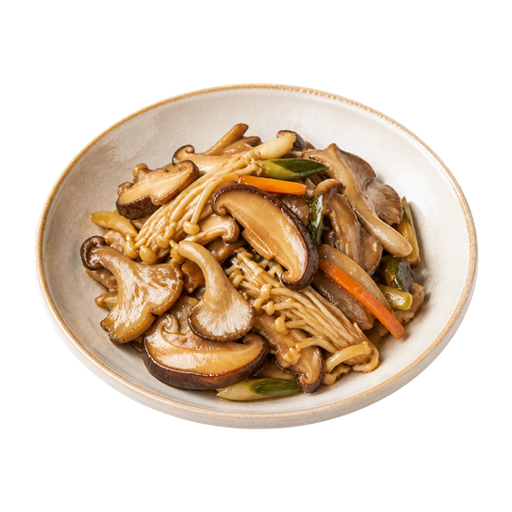
South Korea
버섯볶음
Assorted mushrooms (shiitake, oyster, enoki) stir-fried with vegetables in a savory soy-based sauce, a popular banchan and vegetarian dish.
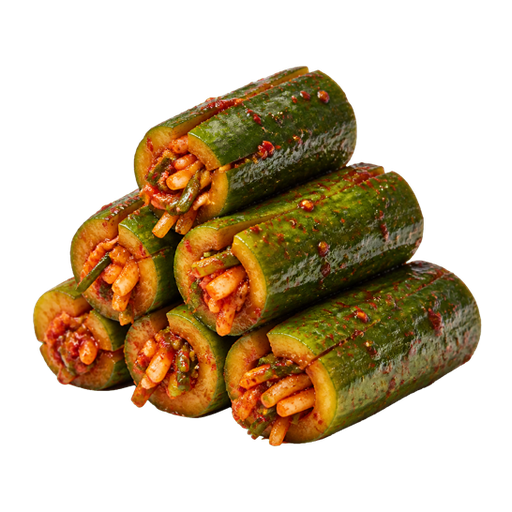
South Korea
오이소박이
Cucumbers slit and stuffed with a seasoned chili and radish filling, a crisp, refreshing summer kimchi.
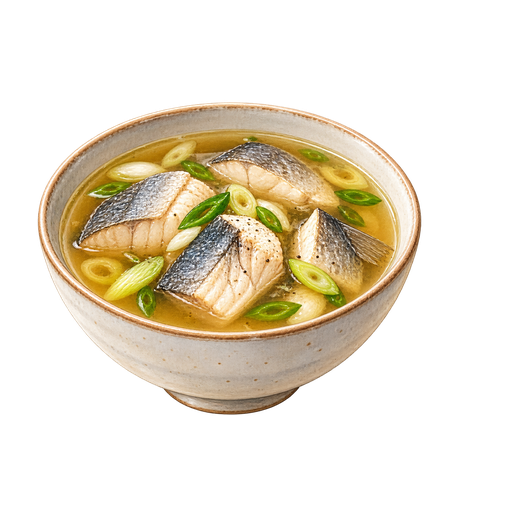
Pyongyang, North Korea
숭어국
A clear soup of flathead grey mullet caught in Pyongyang's Taedong River; the cleaned fish (skin intact) is cut into pieces, salted, and boiled with black pepper and soy sauce; sprinkled with scallions or cilantro; a Pyongyang delicacy prized for the mullet's flavor, served hot with garlic, peppers, tofu, or red bean paste on the side.

North Korea
숭양주
A traditional North Korean liquor made from acorns; listed in Wikipedia's North Korean cuisine as a regional alcoholic beverage; the acorns give a distinctive nutty, earthy flavor; a traditional drink that reflects the use of wild foraged ingredients in North Korean cuisine; consumed in rural areas.

South Korea
호떡
A yeasted dough pancake filled with brown sugar, cinnamon, and nuts, pan-fried until crispy outside and gooey inside, a winter street food.
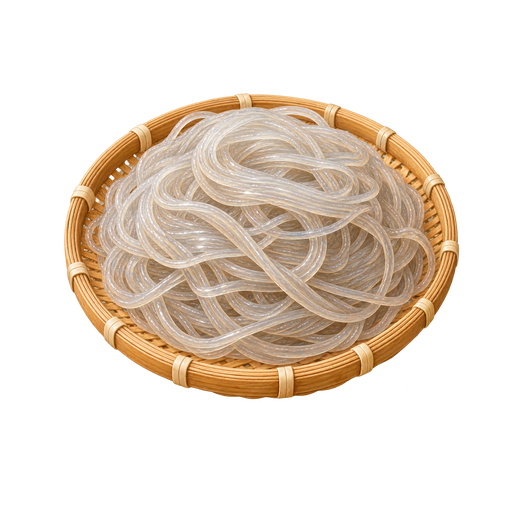
South Korea
당면
Korean glass noodles made from sweet potato starch, used in japchae and soups, chewy and translucent when cooked.
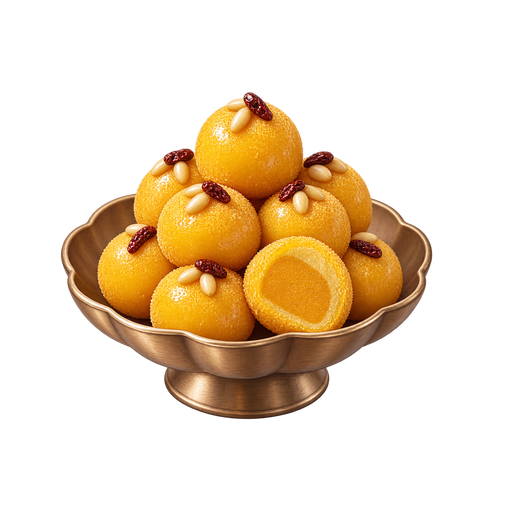
South Korea
경단
Soft rice dough balls filled with sweet red bean, boiled and coated in colorful powders (black sesame, soybean, coconut, mugwort).
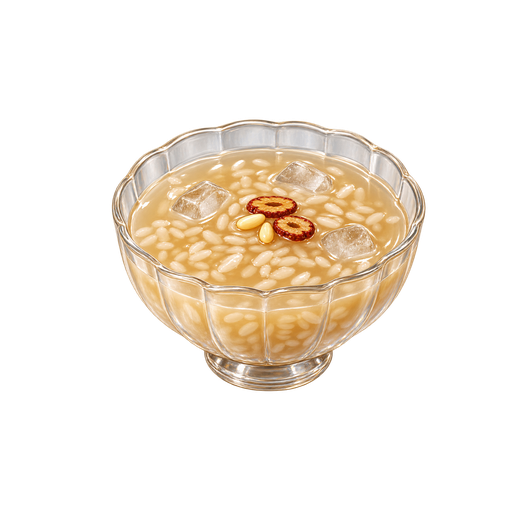
South Korea
식혜
A traditional sweet rice beverage made by fermenting cooked rice with malt (yeotgi), served cold with floating rice grains, a dessert drink.

Pyongyang, North Korea
대동강맥주
North Korea's most famous beer brand, brewed by the Taedonggang Brewing Company in Pyongyang; named after the Taedong River that flows through the capital; a state-produced lager considered one of the best beers on the Korean peninsula; the brewery was purchased from a British firm in 2000; available on tap in Pyongyang restaurants.
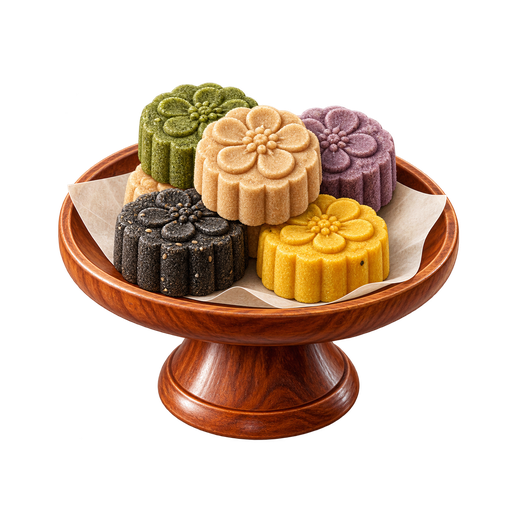
South Korea
다식
Pressed cookies made from ground pine nuts, sesame, soybeans, or rice flour, mixed with honey and stamped with decorative molds.
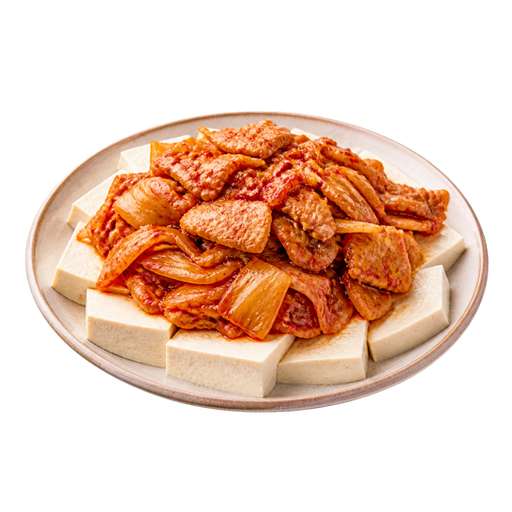
South Korea
두부김치
Stir-fried kimchi with pork served over plain boiled tofu, a classic drinking food (anju) that balances spicy and mild.
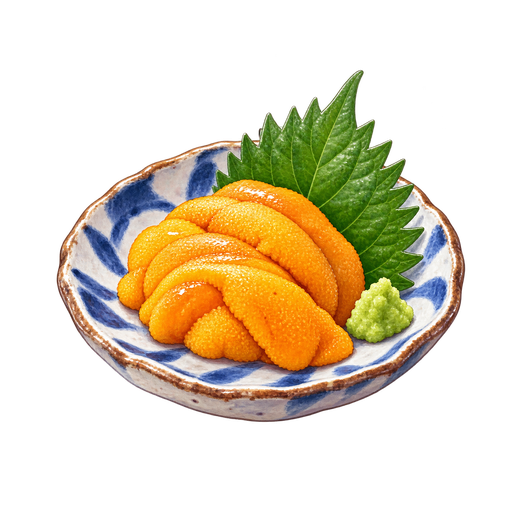
Hokkaido, Japan
うに
Uni, sea urchin roe eaten from the shell or the wooden tray, is a named Japanese delicacy with regional grading and a real season, not merely a nigiri topping.
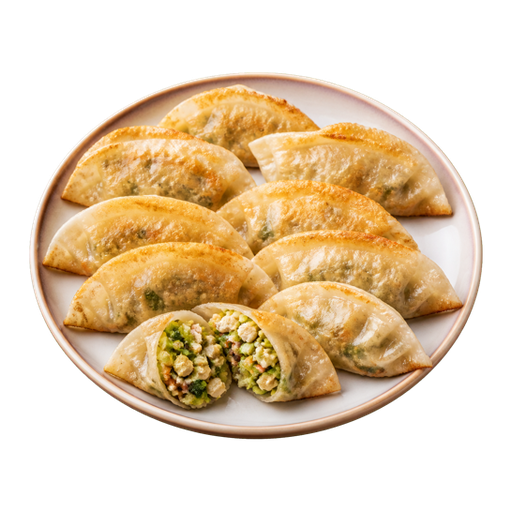
South Korea
야채만두
Dumplings filled with cabbage, chives, mushrooms, and tofu, without meat, a lighter alternative to traditional mandu.
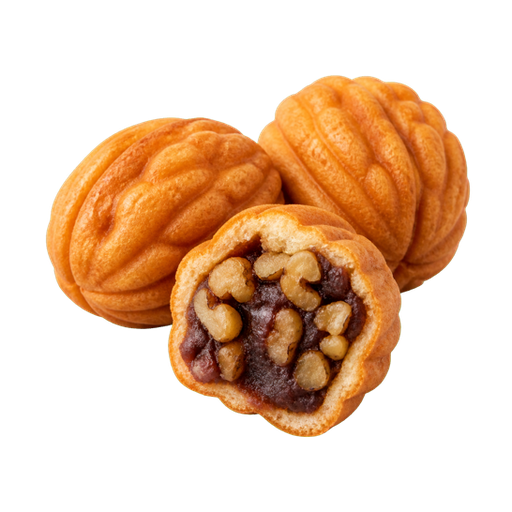
South Korea
호두과자
Small, walnut-shaped cakes filled with walnut pieces and red bean paste, baked in a special mold, a popular street snack.
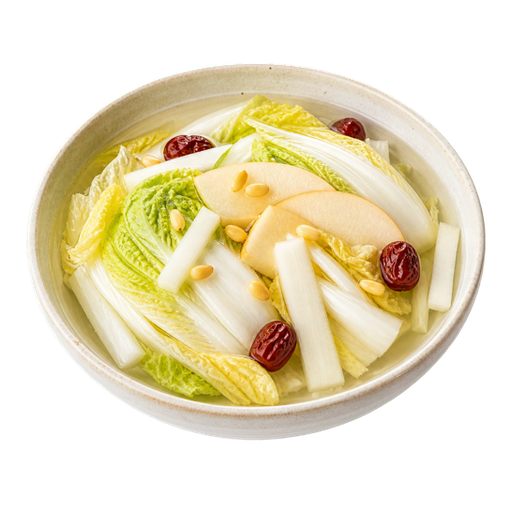
North Korea
백김치
A non-spicy kimchi made without gochugaru, with napa cabbage, radish, pear, jujube, and pine nuts in a clear, refreshing brine.
South Korea
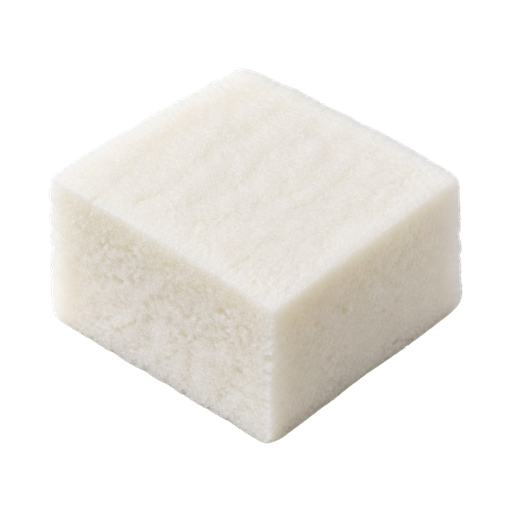
백설기
A pure white, steamed rice cake made from finely ground non-glutinous rice, the most basic and fundamental Korean tteok.