South Korea
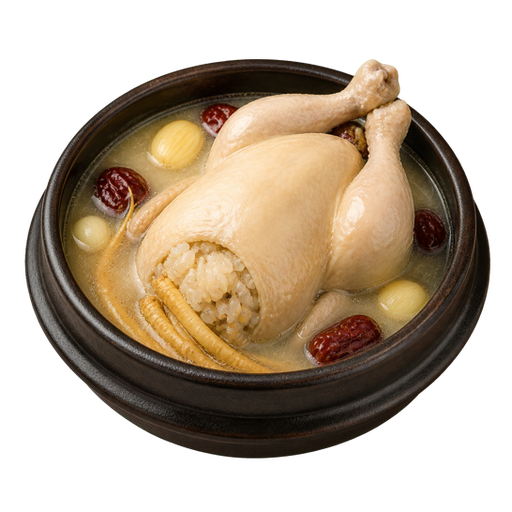
Ginseng Chicken Soup
삼계탕
A whole young chicken stuffed with glutinous rice, ginseng, jujubes, and garlic, boiled until tender, eaten on the hottest days of summer.

eastern-asia
Explore 148 foods connected to North Korea, from everyday staples to rare local specialties.
Start with Ginseng Chicken Soup →
The local shortlist
10 editor-selected foods for understanding the place through what people eat.
Open the guide →
The full directory
148 foods in this view. Filter by category, type, rarity, or search every recorded name.
South Korea
삼계탕
A whole young chicken stuffed with glutinous rice, ginseng, jujubes, and garlic, boiled until tender, eaten on the hottest days of summer.
South Korea
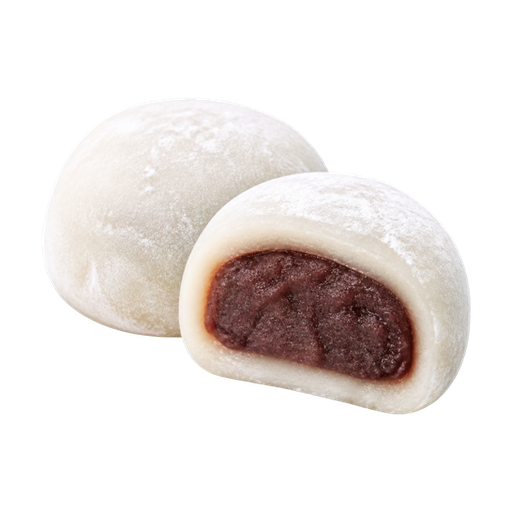
찹쌀떡
Soft, chewy glutinous rice cake filled with sweet red bean paste, similar to Japanese mochi, a popular snack and dessert.
South Korea
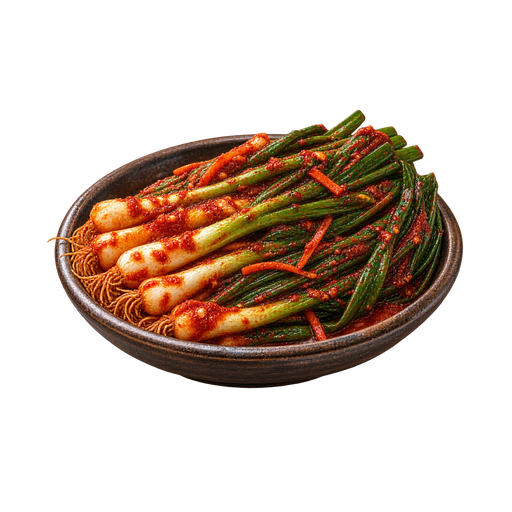
파김치
Green onions (scallions) fermented with chili paste, fish sauce, and anchovy sauce, a bold and chewy kimchi variety.
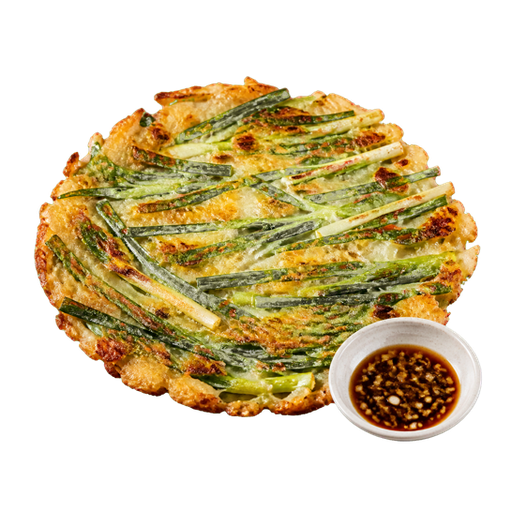
South Korea
파전
A savory pancake loaded with scallions in a rice flour batter, pan-fried until crispy, a classic rainy-day food and drinking snack.

South Korea
매실차
A sweet, tangy tea made from green plum syrup (maesil-cheong), preserved with sugar, served hot or cold.
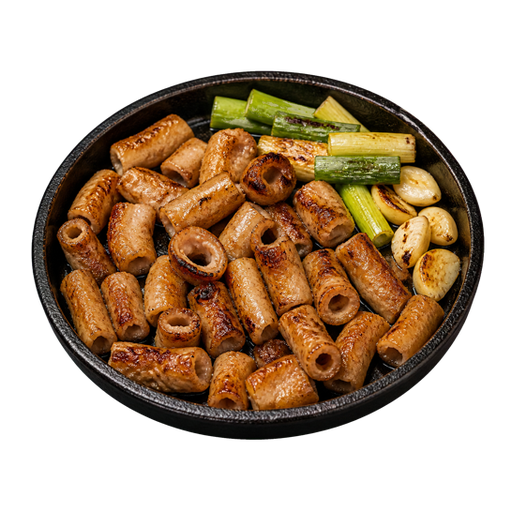
South Korea
곱창구이
Beef small intestines grilled at the table, either plain with salt or marinated in a spicy sauce, a popular drinking food (anju).
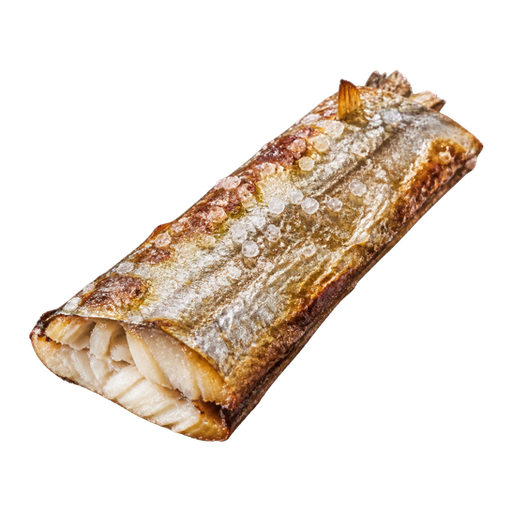
South Korea
갈치구이
Cutlassfish (beltfish) grilled with a sprinkle of salt until the skin is crispy and the flesh is moist and flaky.
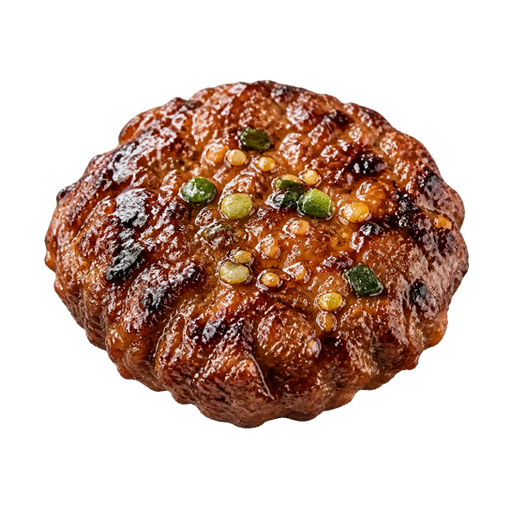
South Korea
떡갈비
Ground beef short ribs marinated and formed into patties, grilled until juicy and caramelized, a dish with royal court origins.
South Korea
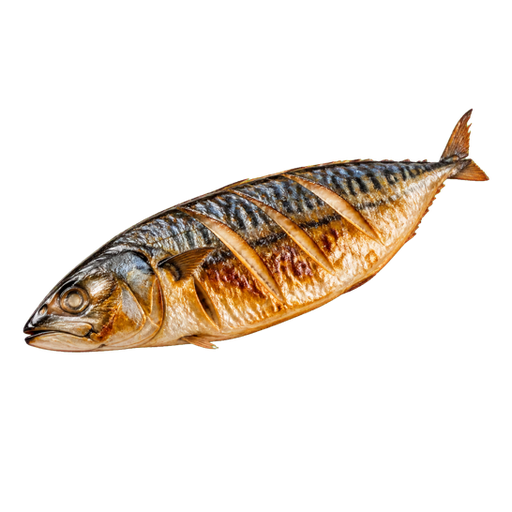
고등어구이
Mackerel salted, dried, then grilled or pan-fried until the skin is crispy and the flesh is moist, a common home-cooked dish.
South Korea
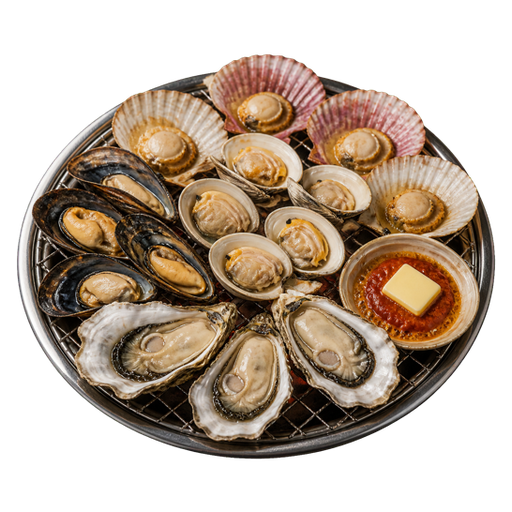
조개구이
Assorted shellfish (clams, mussels, oysters, scallops) grilled on a tabletop grill until they open, served with butter or gochujang.
South Korea
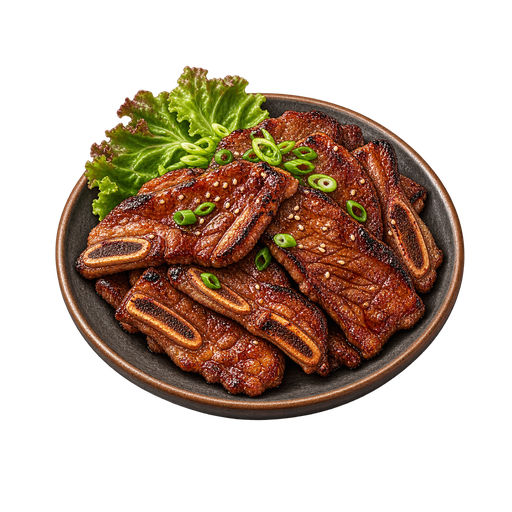
갈비
Beef short ribs marinated in a sweet soy-based sauce with pear, garlic, and sesame oil, grilled until caramelized.
Pyongan, North Korea
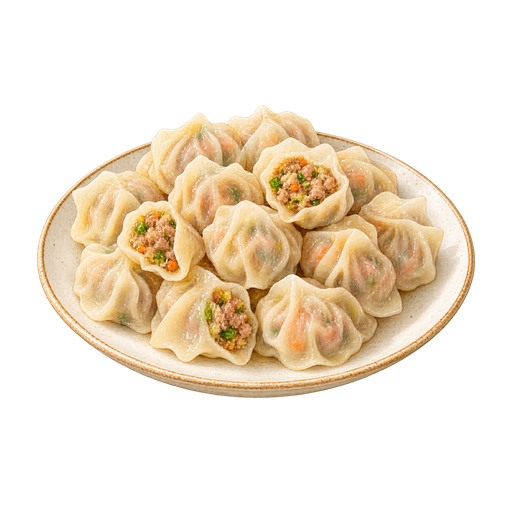
굴만두
Small dumplings without a thick covering, listed as a Pyongan province representative dish; the wrapper is thin and the filling is mostly meat and vegetables; steamed and served in quantity; a Pyongan specialty that emphasizes the filling over the dough; eaten with soy sauce and vinegar.
South Korea
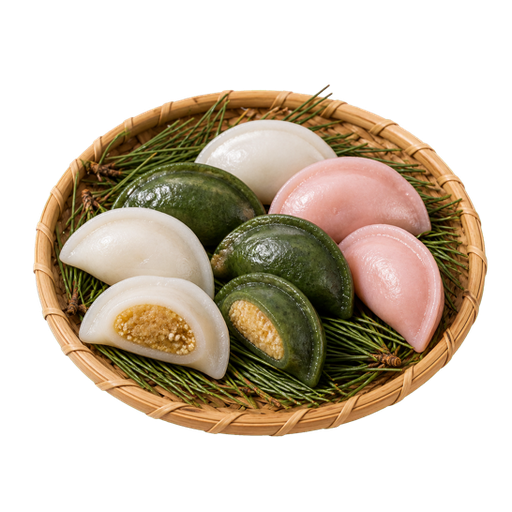
송편
Half-moon shaped rice cakes filled with sweet sesame, mung bean, or chestnut paste, steamed on pine needles for Chuseok (harvest festival).
South Korea
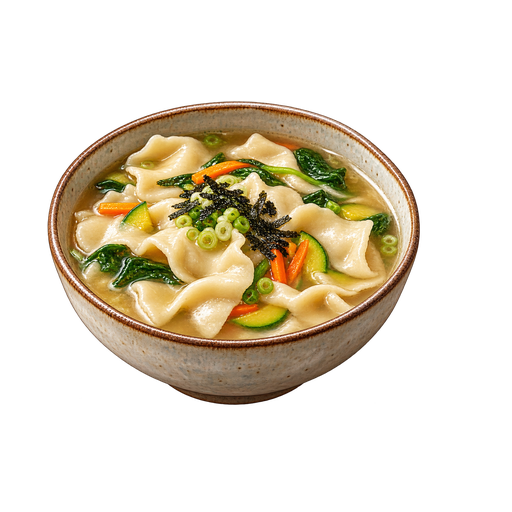
수제비
A comforting soup of hand-torn dough flakes cooked in a clear anchovy broth with potatoes, zucchini, and onions.
South Korea
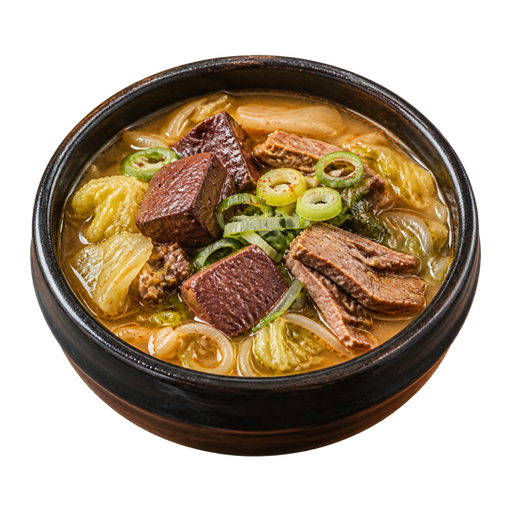
해장국
A general term for restorative soups eaten to cure hangovers, typically with beef broth, cabbage, and congealed blood, varying by region.
South Korea
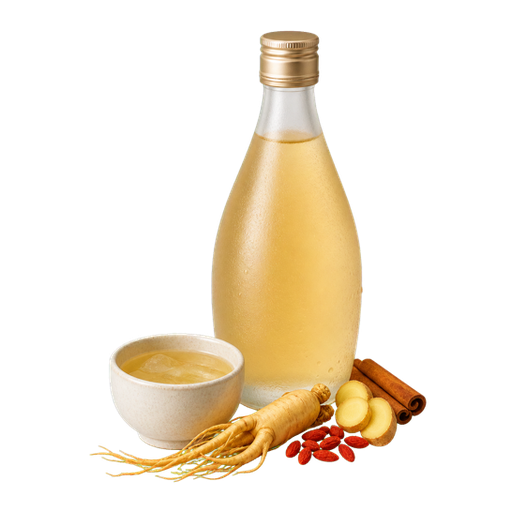
백세주
A herb-infused rice wine with ginseng as the dominant flavor, blended with goji berries, ginger, and cinnamon, at 13% ABV.
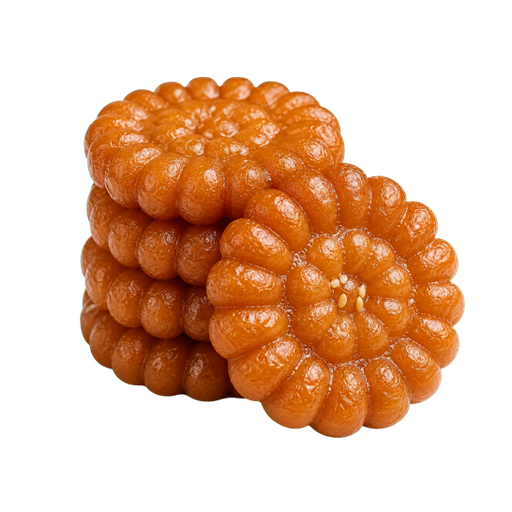
South Korea
약과
Traditional Korean cookies made with wheat flour, sesame oil, honey, and ginger, deep-fried and soaked in honey syrup.
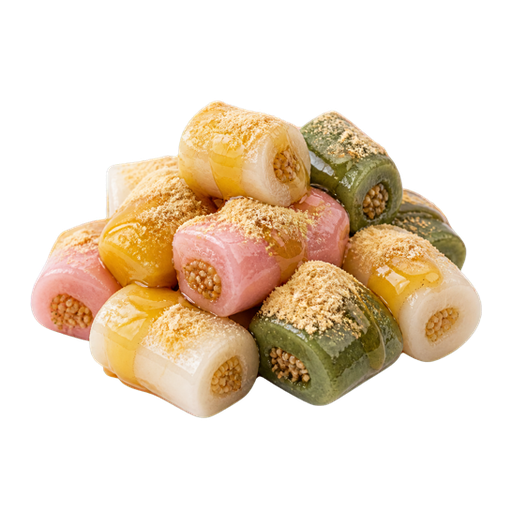
South Korea
꿀떡
Colorful, bite-sized steamed rice cakes drizzled with honey syrup, sometimes filled with sesame and dusted with soybean powder.

Pyongyang, North Korea
인조고기
Sausages made from soybeans and other ingredients, a way of getting protein when meat is scarce; the related injo kogi bap is cooked rice wrapped in the leftover skin from soybean paste; a popular North Korean street food that emerged from economic hardship; a creative substitute for meat sausages.
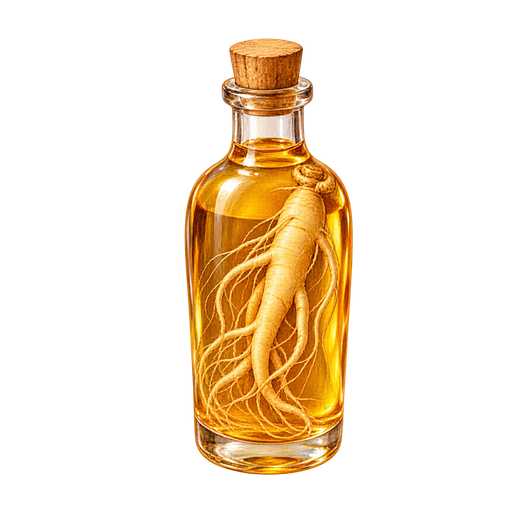
North Korea
인삼주
Ginseng wine or liquor, made by steeping Korean ginseng in alcohol; North Korea is a major producer of ginseng, particularly from Kaesong; the ginseng imparts an earthy, bitter flavor; considered medicinal and consumed in small amounts; a traditional Korean tonic that reflects the importance of ginseng in Korean culture.
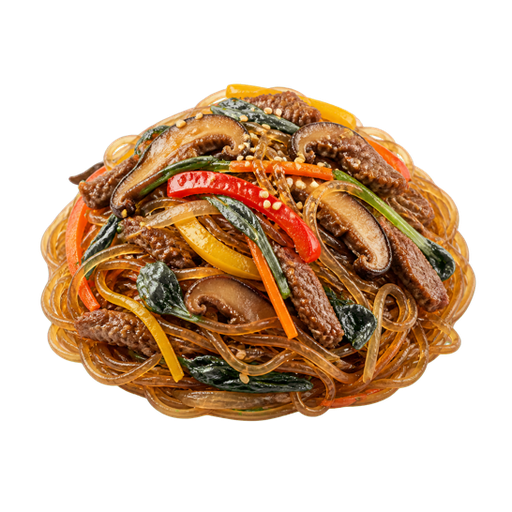
North Korea
잡채
Stir-fried sweet potato glass noodles (dangmyeon) with assorted vegetables, beef, and mushrooms, seasoned with soy sauce and sesame oil.
Pyongan, North Korea
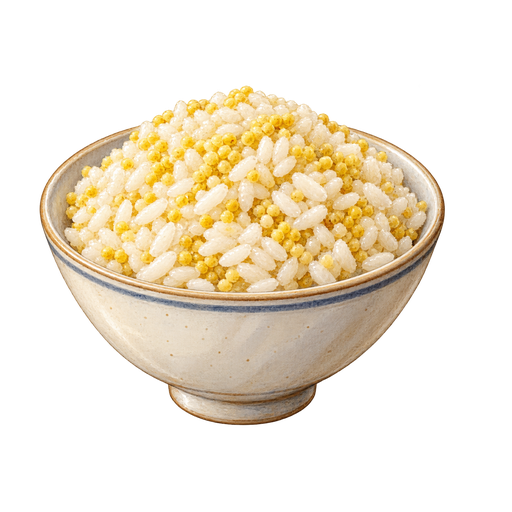
조밥
A bowl of mixed steamed rice and millet, commonly served in Pyongan province in place of plain steamed rice; millet is a key grain in North Korean agriculture; the mixture stretches scarce rice and adds nutrition; a daily staple of the Pyongan region; a practical, nourishing base for any meal.
South Korea
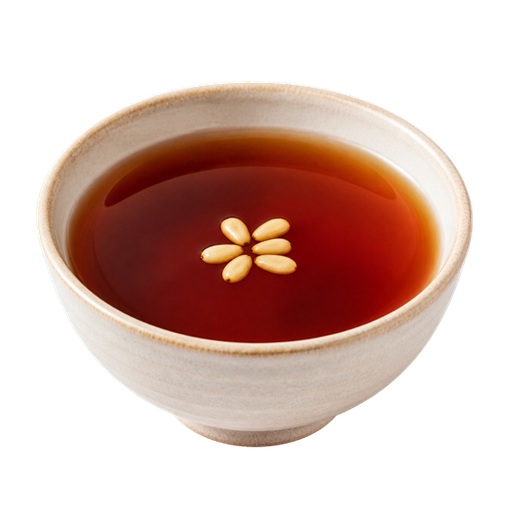
대추차
A sweet, warming tea made from dried jujubes boiled and strained, with a deep red-brown color, often garnished with pine nuts.
Kaesong, North Korea
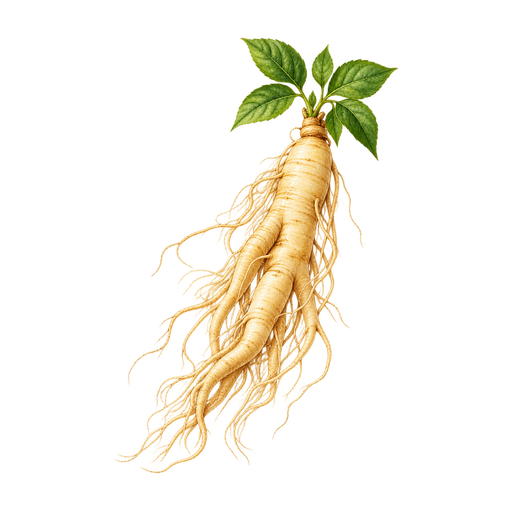
개성인삼
Ginseng from Kaesong, historically known as Koryo ginseng; one of North Korea's most famous agricultural products; prized for its medicinal properties and distinctive flavor; cultivated in the historic city of Kaesong for centuries; used in teas, medicines, and ginseng wine; a major export and cultural symbol.
North Korea
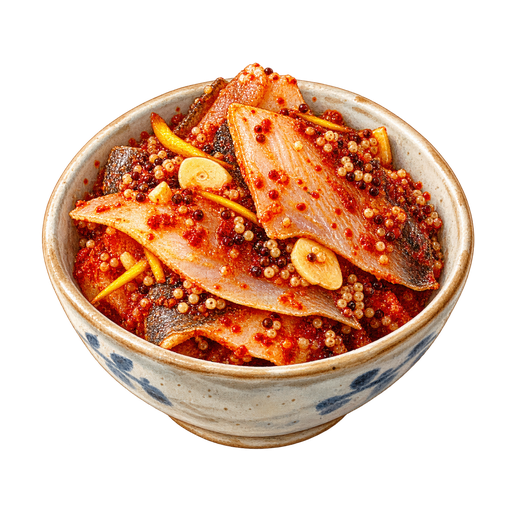
가자미식해
A fermented and salted flounder dish from North Korea; the fish is salted and fermented with quinoa, garlic, ginger, and chili flakes; a pungent, umami-rich preparation that preserves fish for long periods; a traditional North Korean food listed in Wikipedia's North Korean cuisine article.
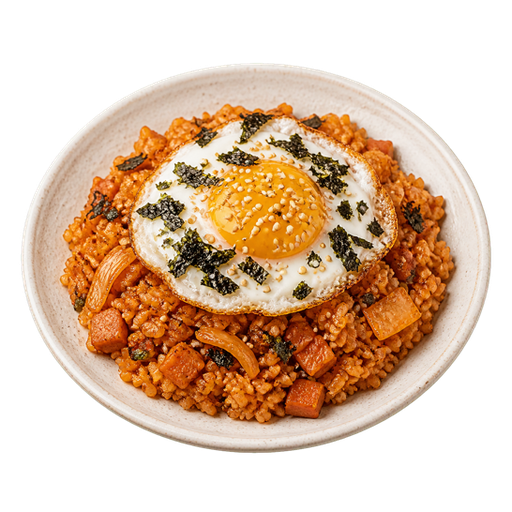
South Korea
김치볶음밥
Fried rice made with well-fermented kimchi, pork or spam, and gochujang, topped with a fried egg and sprinkled with sesame and seaweed.
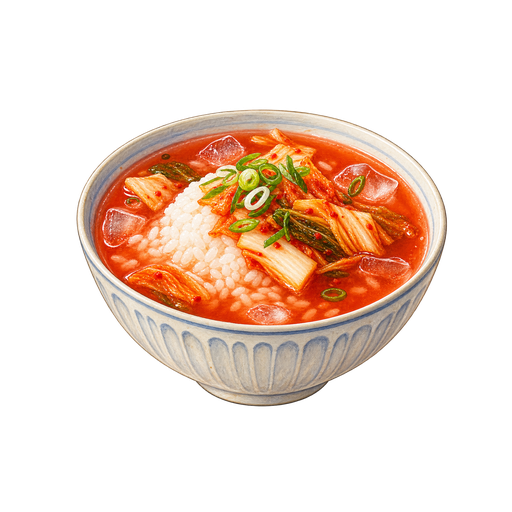
Pyongan, North Korea
김치말이
Cold kimchi broth with rice, a Pyongan province representative dish; old kimchi is chopped and simmered in water to make a tangy broth, then served over rice; a refreshing summer dish that uses aged kimchi; a homely, everyday food of the Pyongan region; light, tangy, and cooling.
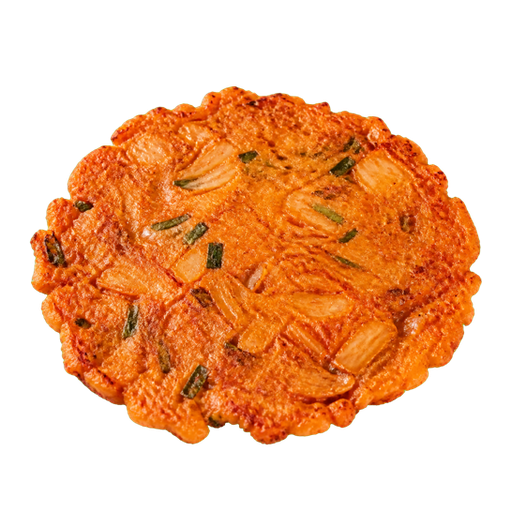
South Korea
김치전
A simple pancake made with well-fermented kimchi in a flour batter, pan-fried until crispy and tangy.
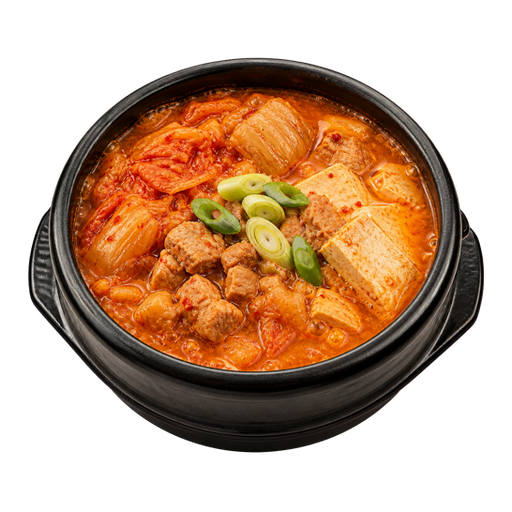
South Korea
김치찌개
A hearty stew made with well-fermented kimchi, pork, tofu, and scallions in a spicy, tangy broth, one of Korea's most common daily dishes.
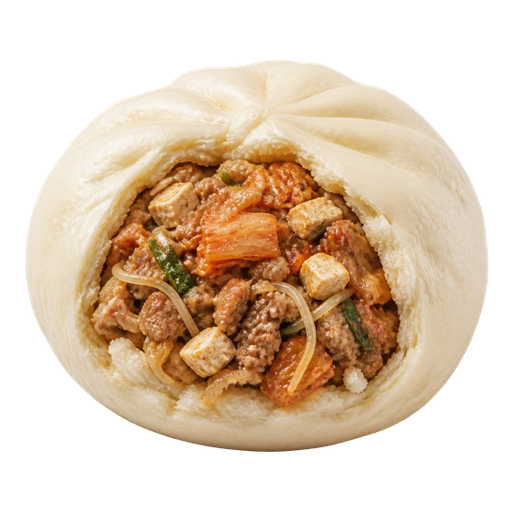
South Korea
왕만두
Large, round steamed buns with a thick wrapper and generous filling of pork, beef, sprouts, tofu, and kimchi.
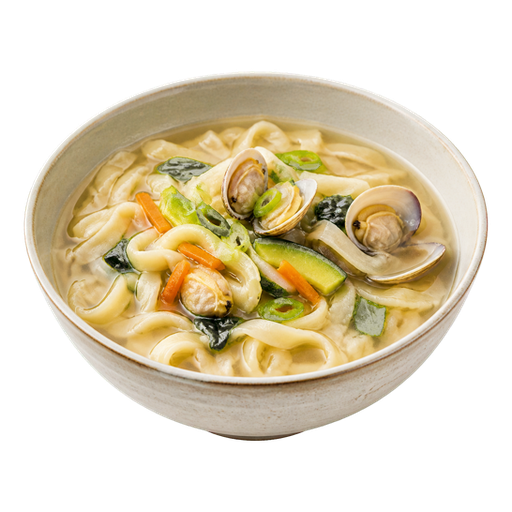
South Korea
칼국수
Handmade, knife-cut wheat noodles served in a savory anchovy or shellfish broth with vegetables and sometimes seafood.
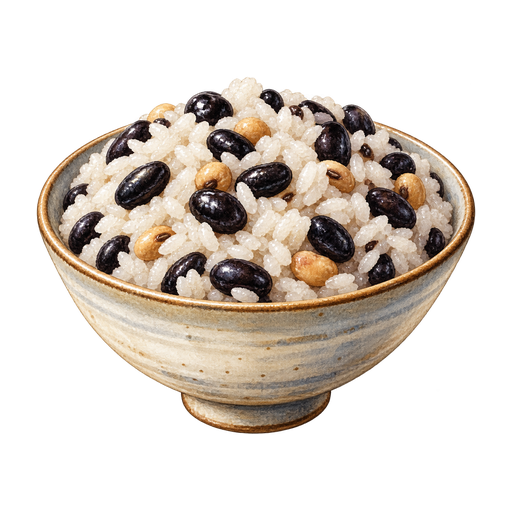
North Korea
콩밥
Rice cooked with beans, eaten often at breakfast for the protein it adds; a plain, nourishing staple of North Korean daily life; when rice runs short it is stretched with barley, millet, or corn; a simple dish that reflects the austere reality of North Korean food; the foundation of many meals.
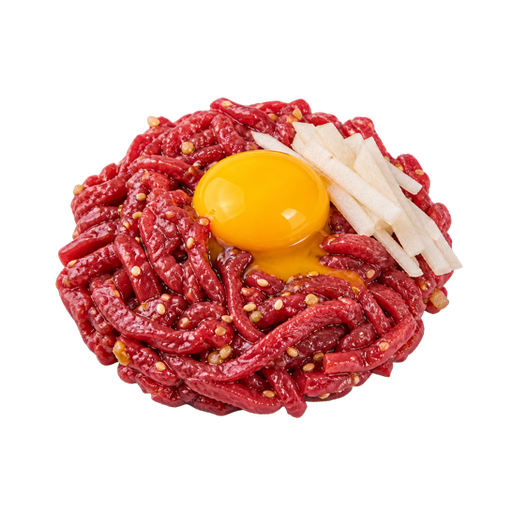
South Korea
육회
Fresh, thinly sliced raw beef marinated in soy sauce, sesame oil, garlic, and sugar, topped with a raw egg yolk and sliced pear.
South Korea
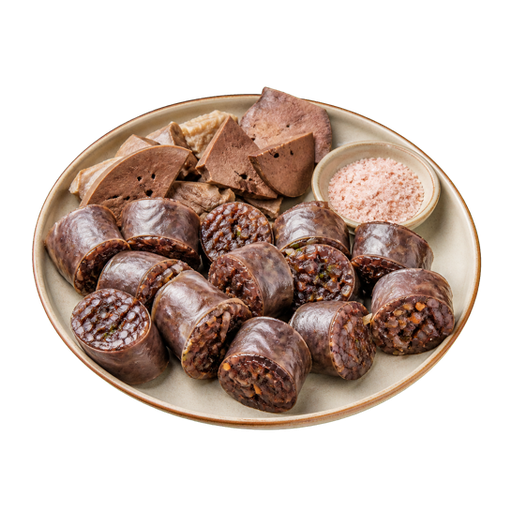
순대
Pork intestines stuffed with glass noodles, pork blood, vegetables, and glutinous rice, steamed and sliced, a popular street food.
North Korea
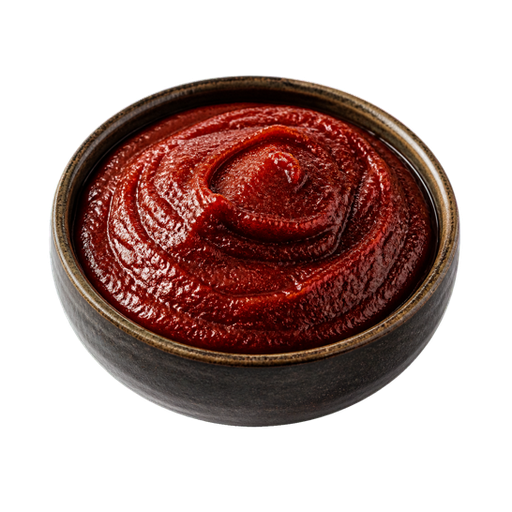
고추장
An essential fermented paste of gochugaru, glutinous rice, soybeans, and salt, with a complex spicy-sweet-savory flavor, the backbone of Korean cooking.
South Korea
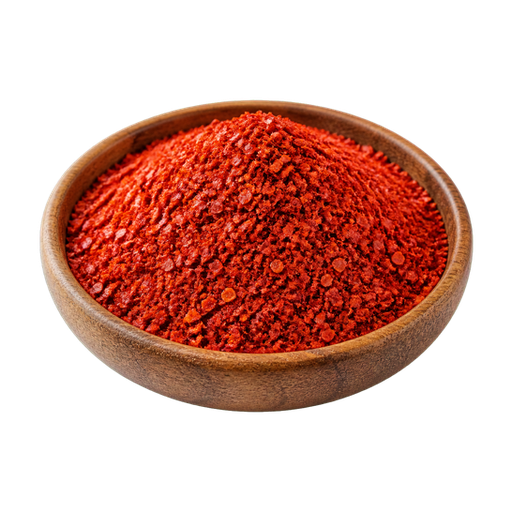
고춧가루
Fine chili flakes from Korean gochu peppers, essential for kimchi and gochujang, with a vibrant red color, smoky aroma, and moderate heat.