Greenland
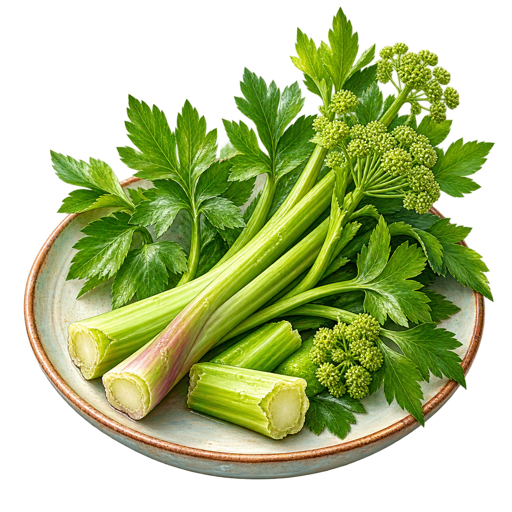
Angelica
Qajaliusaq
Arctic angelica; a wild herb used to infuse water and flavor dishes; carafes of angelica-infused water are served at kaffemik gatherings; a traditional Greenlandic herb; a key ingredient in New Arctic Kitchen cuisine.

Global food category
29 traditional foods, ingredients, and local specialties connected by one appetite.
Angelica
The full directory
29 foods match this view. Narrow them by country, type, rarity, or name.
Greenland
Qajaliusaq
Arctic angelica; a wild herb used to infuse water and flavor dishes; carafes of angelica-infused water are served at kaffemik gatherings; a traditional Greenlandic herb; a key ingredient in New Arctic Kitchen cuisine.
Australia
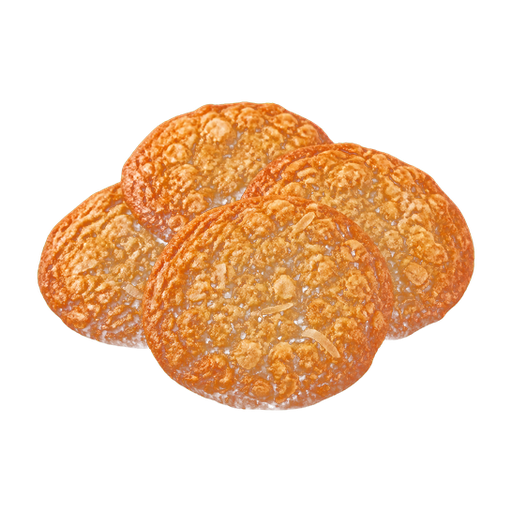
Native rainforest plant with aniseed flavour, used in teas, desserts, and as a spice, strong aniseed aroma with fresh leaves, a rare native gourmet ingredient.
Armenia
Ավելուկ
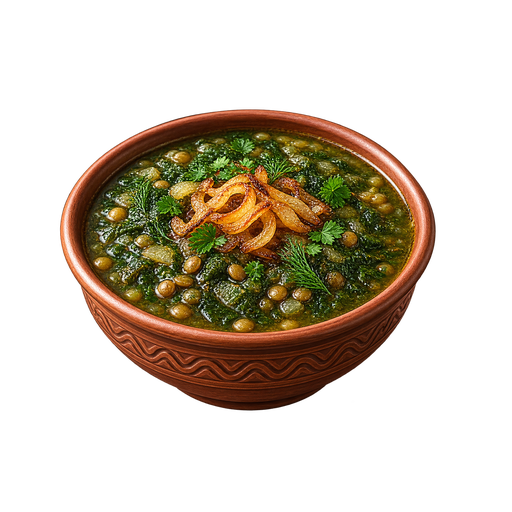
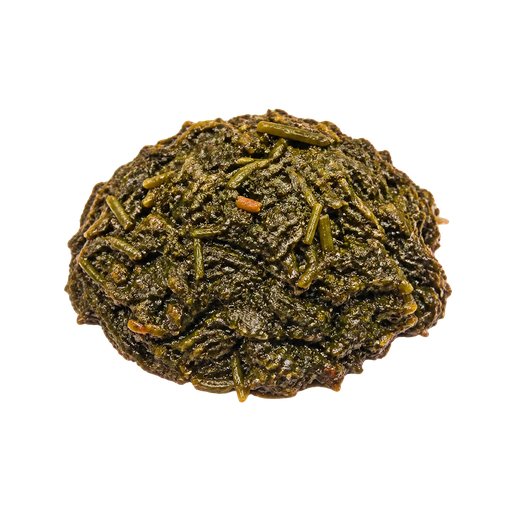
Wild mountain sorrel gathered in spring, plaited into long ropes and dried, then rehydrated for soup and salad through the winter.
Ethiopia
በሶበላ
Sacred basil — an Ethiopian basil variety with a clove-and-pepper aroma, central to niter kibbeh and many wot. One of the signature herbs that gives Ethiopian food its unmistakable perfume.
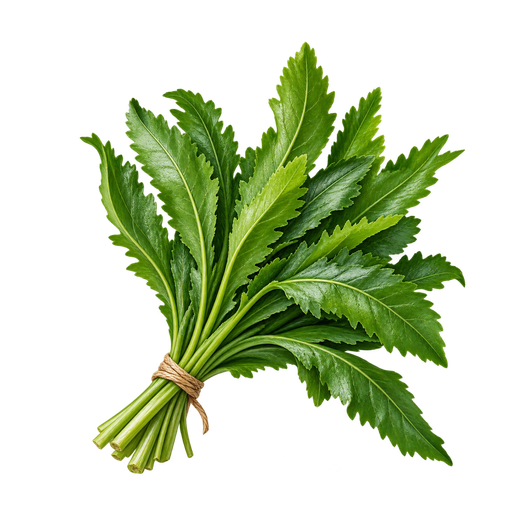
Colombia
A wild cilantro variety from the Colombian Pacific, with long, serrated leaves and a strong, aromatic flavor. Used in Pacific soups, stews, and tapao.
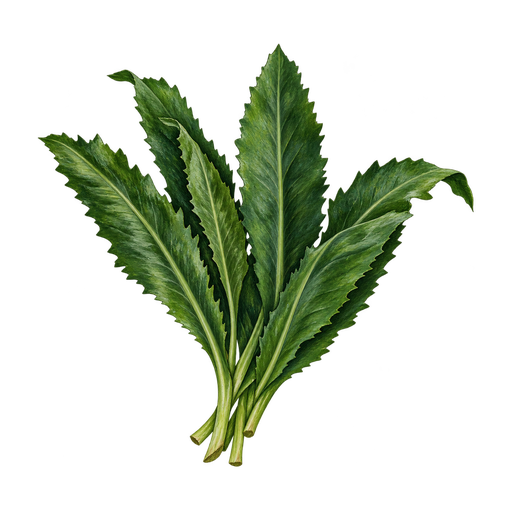
Dominican Republic
A Dominican herb (culantro/recao) with long, serrated leaves and a strong, aromatic cilantro-like flavor. Used in sofritos and stews, a key seasoning.
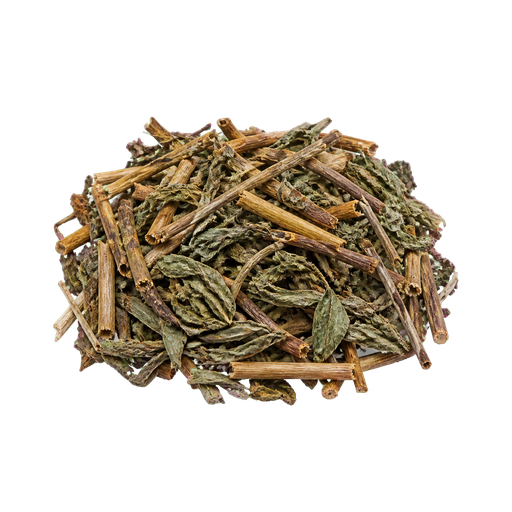
Ethiopia
ጌሾ
A buckthorn shrub whose stems and leaves are used to ferment and bitter Ethiopian tej (honey wine) and tella (beer). Gesho plays the role hops play in beer — without it, there'd be no Ethiopian fermented drinks.
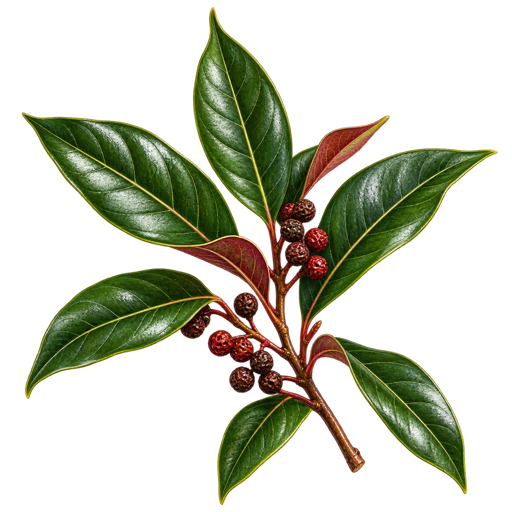
New Zealand
Leaves of the native pepper tree, dried and used as a hot, resinous seasoning with a slow-building burn.
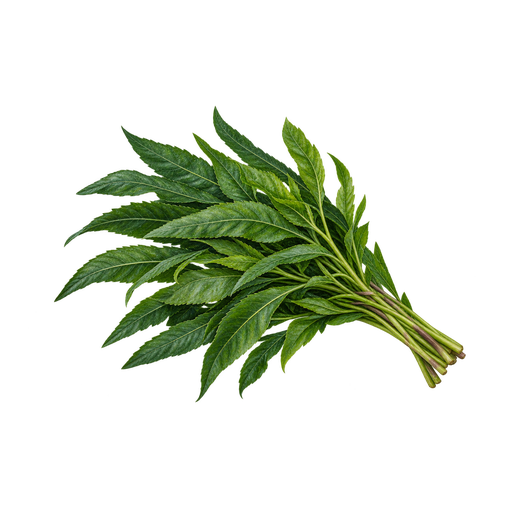
Peru
Peruvian black mint, essential for ocopa and green sauces
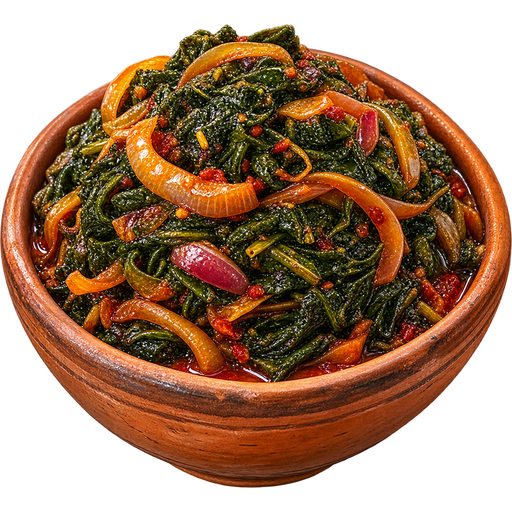
Burundi
Wild leafy greens, including African nightshade and other foraged herbs, used in Burundian stews; bitter and earthy, they are gathered from fields and fallow land and cooked down with palm oil and onions.
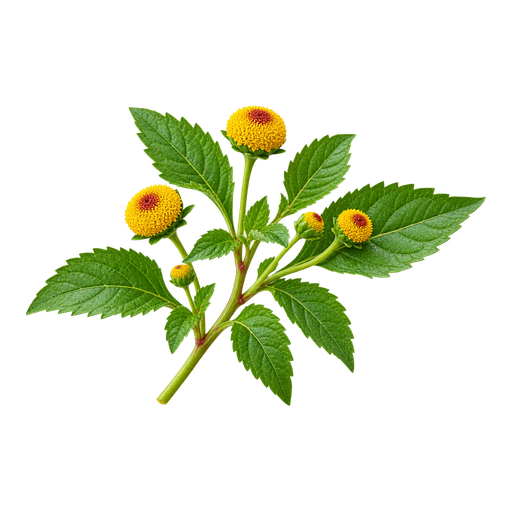
Brazil
A leafy Amazonian herb (paracress) whose leaves and yellow flowers numb and tingle the mouth, indispensable in tacacá and pato no tucupi.
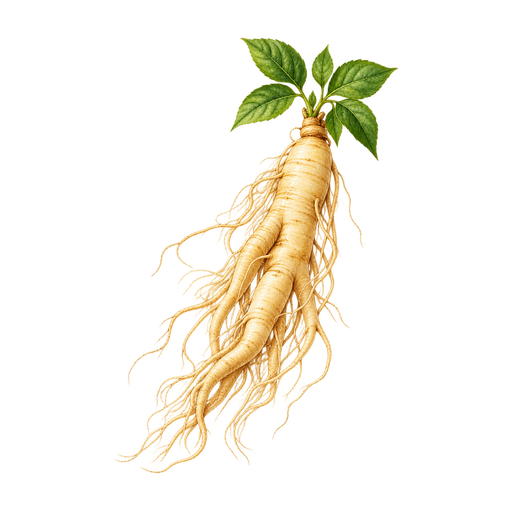
Kaesong, North Korea
개성인삼
Ginseng from Kaesong, historically known as Koryo ginseng; one of North Korea's most famous agricultural products; prized for its medicinal properties and distinctive flavor; cultivated in the historic city of Kaesong for centuries; used in teas, medicines, and ginseng wine; a major export and cultural symbol.
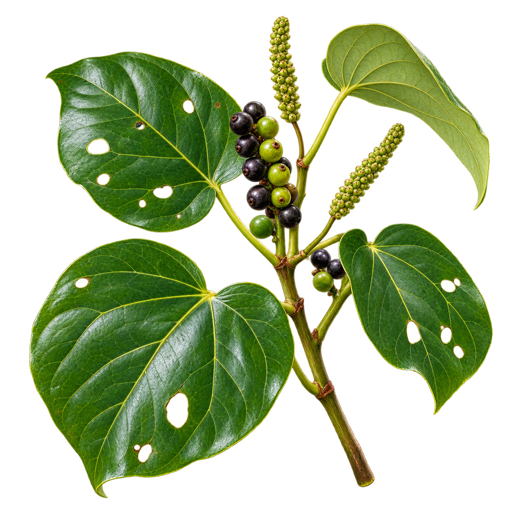
New Zealand
Heart-shaped leaves of a native shrub, dried for a mild peppery tea or used fresh as a wrapping and seasoning.
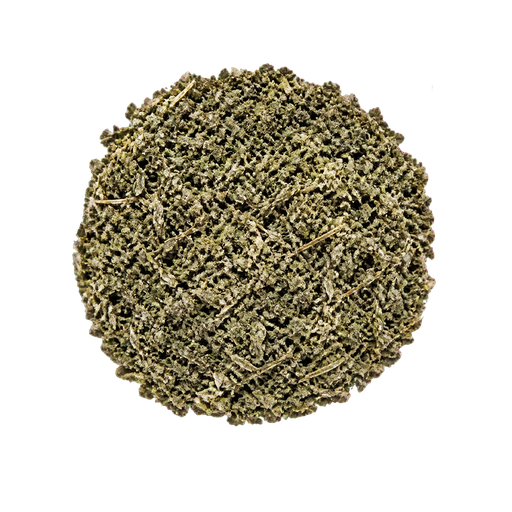
Ethiopia
ኮሰረት
A lemony, oregano-like Ethiopian herb used to flavor niter kibbeh and to sprinkle on kitfo. Dried and crumbled, it adds a bright, citrusy herb note that's hard to replicate with any other spice.
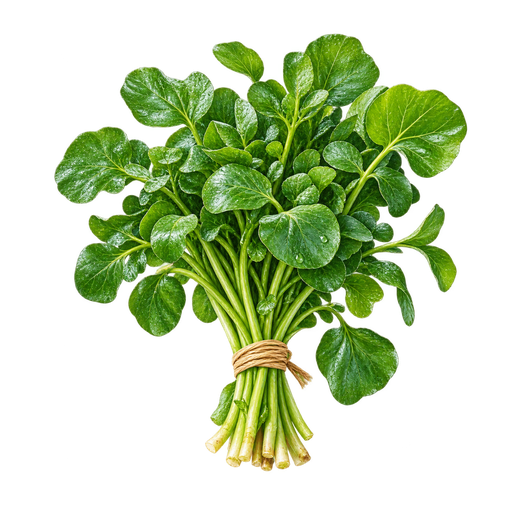
Luang Prabang, Laos
ຜັກນໍ້າ
River watercress grown in cold spring water in the north, eaten raw in salads or blanched alongside dips.
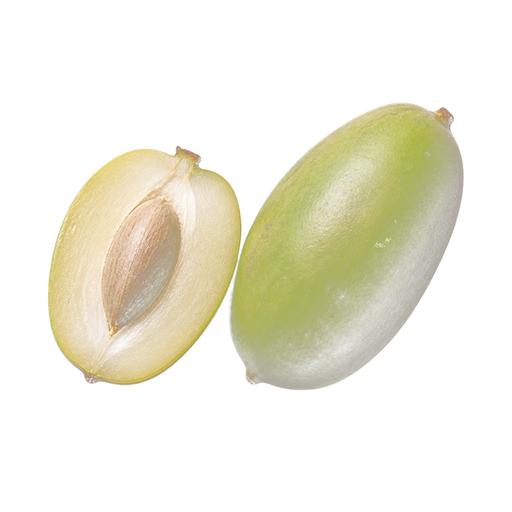
Australia
Lemon Ironwood
Native shrub with leaves containing highest citral content, more lemony than lemon, fresh aromatic leaves with strong lemon scent, used as tea, spice, and in modern cuisine.
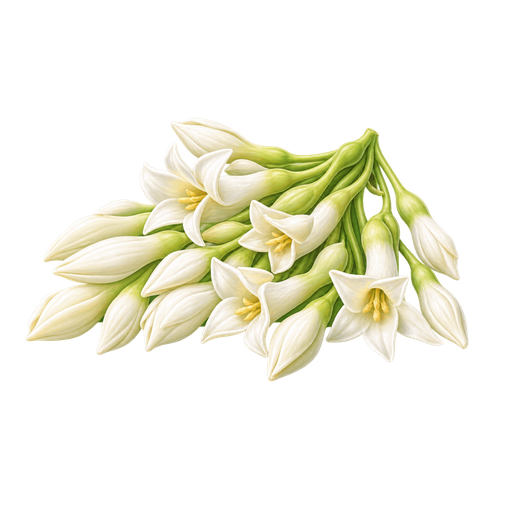
El Salvador
A Salvadoran native edible flower with distinctive flavor, used in pupusas, eggs, and dishes, a daily and essential ingredient
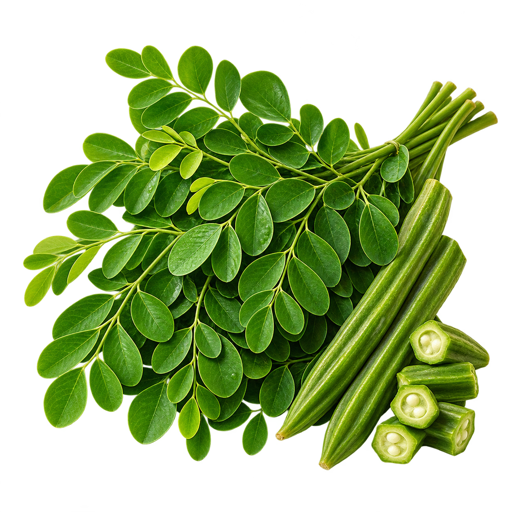
Malawi
Leaves of the Moringa oleifera tree, exceptionally rich in calcium and protein; used as a green relish and as a powdered supplement added to maize porridge for children.
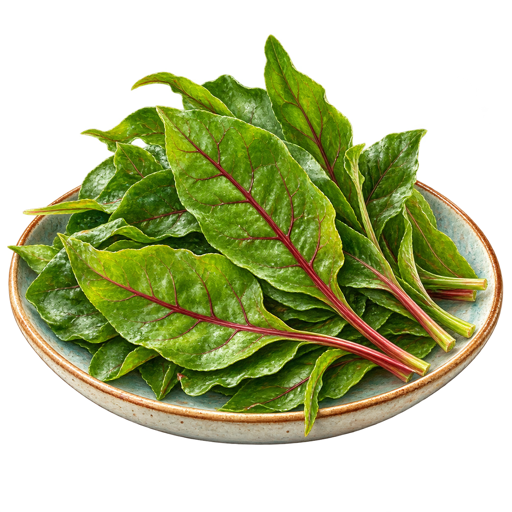
Greenland
Mountain sorrel (seernaq), a lemony Greenlandic herb eaten fresh or cooked with fish and seal.
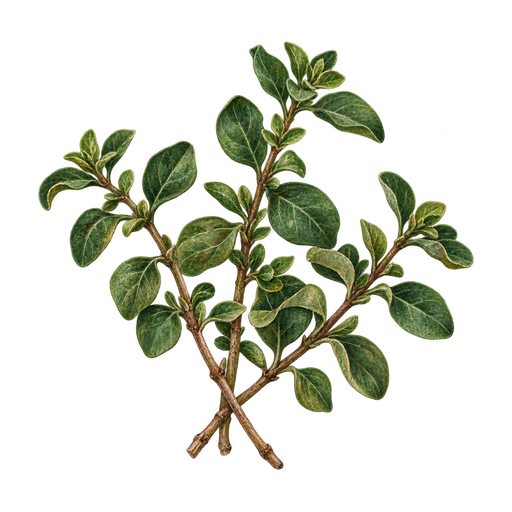
Dominican Republic
Dominican wild oregano, a key aromatic in Dominican cooking, especially in chivo liniero and meats. Stronger and more pungent than Mediterranean oregano.
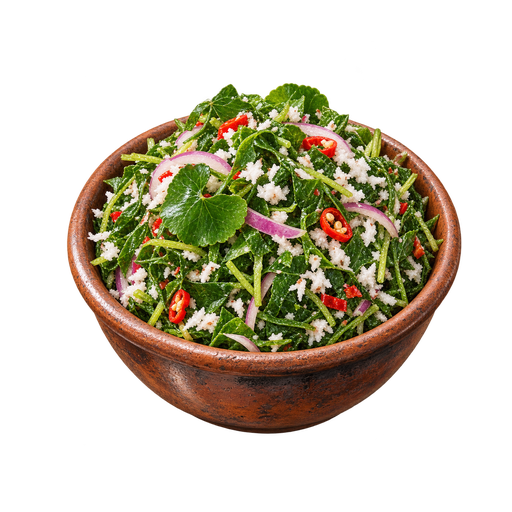
Sri Lanka
ගොටුකොළ
Centella asiatica leaves are sold fresh as gotu kola and used as a leafy green in Sri Lankan cooking
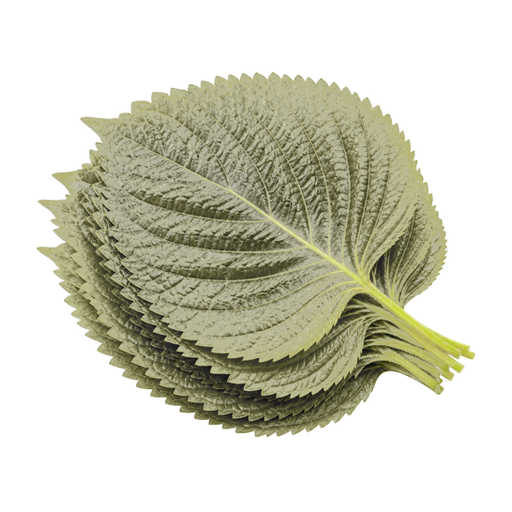
South Korea
깻잎
Aromatic perilla (sesame) leaves used in Korean cuisine for wraps, kimchi, and garnishes, with a unique nutty, minty-basil flavor.
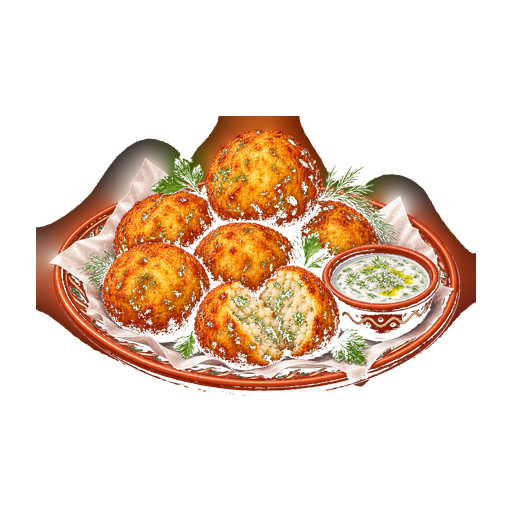
Gjirokastër, Albania
Traditional rice balls from Gjirokaster made with cooked rice, eggs, dried mint, and salt, fried in a special multi-cavity pan, crispy exterior with soft fluffy interior and distinctive mint flavor, a UNESCO city signature.
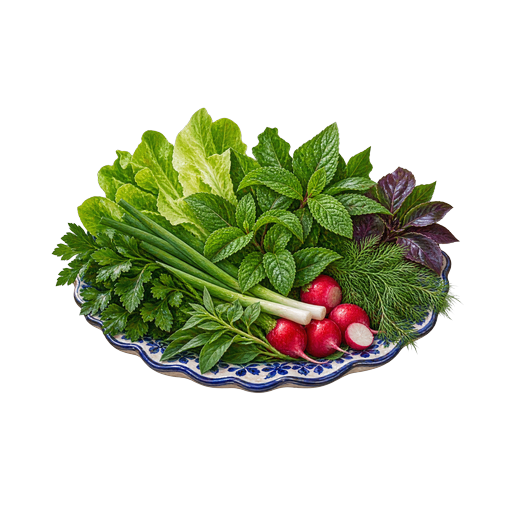
Iran
سبزی خوردن
A plate of raw herbs — mint, tarragon, basil, radish, spring onion — put on the table at every meal and eaten by the handful with cheese and bread.
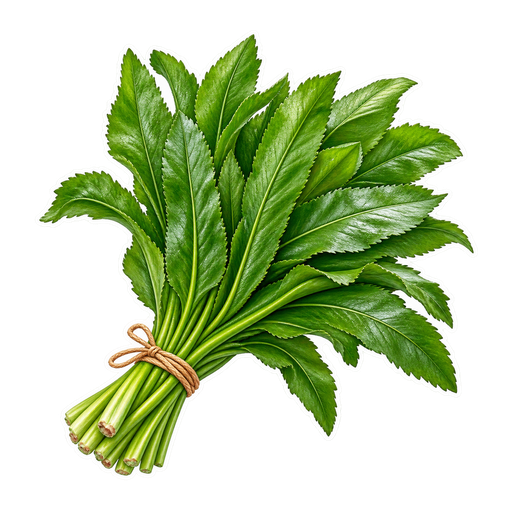
Trinidad and Tobago
Long serrated-leaf herb with a flavour like concentrated coriander, used raw in sauces and in green seasoning.
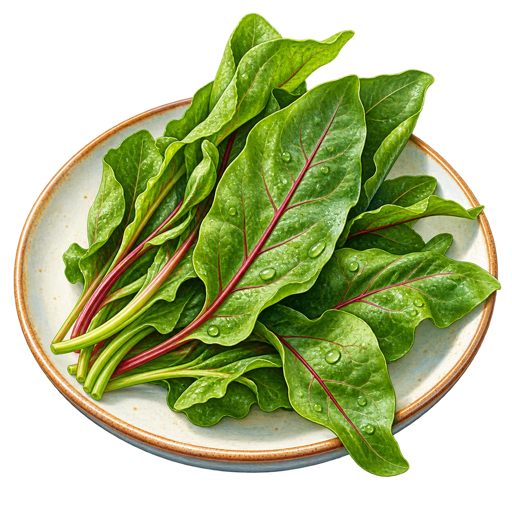
Greenland
Sheep's sorrel (Rumex acetosella); a wild herb gathered in Greenland; a traditional Greenlandic plant food; tart and lemony; one of the few plant foods in the traditional Greenlandic diet; a summer foraged green.
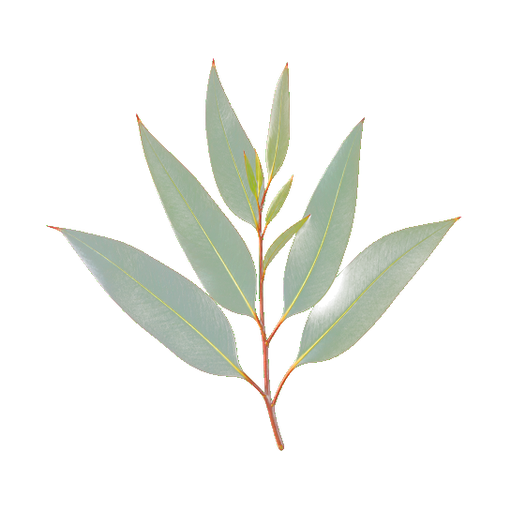
Australia
Eucalyptus leaves with strawberry-like aroma and flavour, used in desserts and as a spice, strong strawberry aroma with fresh leaves and good color, a rare native ingredient.
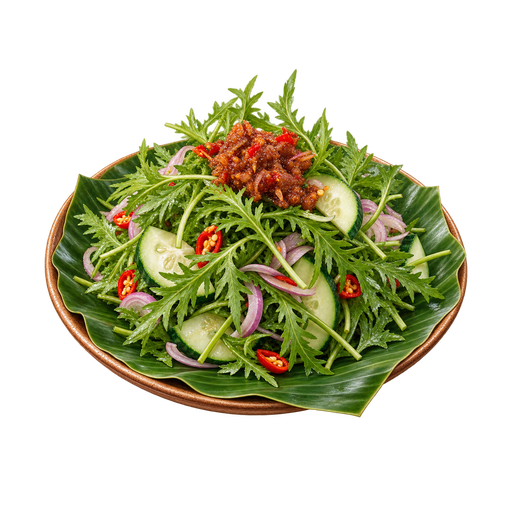
Malaysia
Cosmos caudatus leaves, antioxidant-rich herb eaten raw as ulam, fresh leaves with distinct herbal aroma and crisp texture, medicinal.
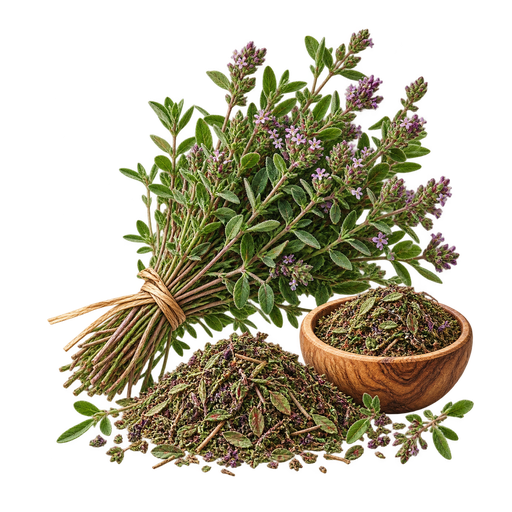
Lebanon
زعتر بري
The wild hyssop-like herb gathered on the hills each spring and dried as the base of the thyme-and-sumac blend.