
Poultry
Salt-Baked Chicken
盐焗鸡
Guangdong, China
Yanju ji, whole chicken buried and baked in a mound of hot coarse salt, is a named Hakka dish and a distinct technique.
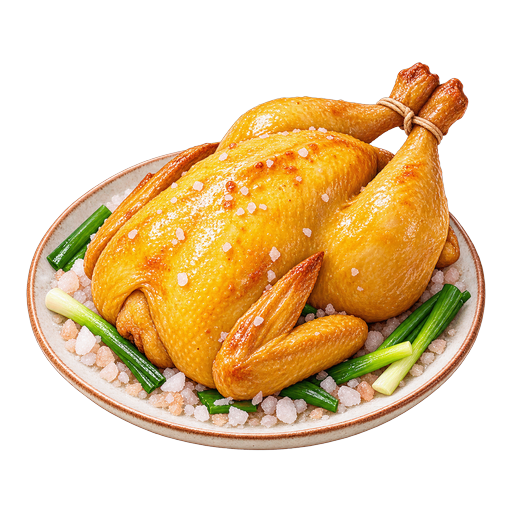
Original eatfuls sticker artwork
What it is
A closer look at Salt-Baked Chicken.
Yanju ji, whole chicken buried and baked in a mound of hot coarse salt, is a named Hakka dish and a distinct technique.
What to look for
Know it when you find it.
Wrapped in parchment at Hakka restaurants, skin tight and pale gold, meat faintly saline; save the bones for congee.
Where it belongs
Origins and
traditions.
Food rarely respects a border. These are the places the dataset connects most strongly to Salt-Baked Chicken.
Guangdong, China
Region-specific tradition
Names around the table
One food, more than one name.
Keep exploring
If this caught your eye…
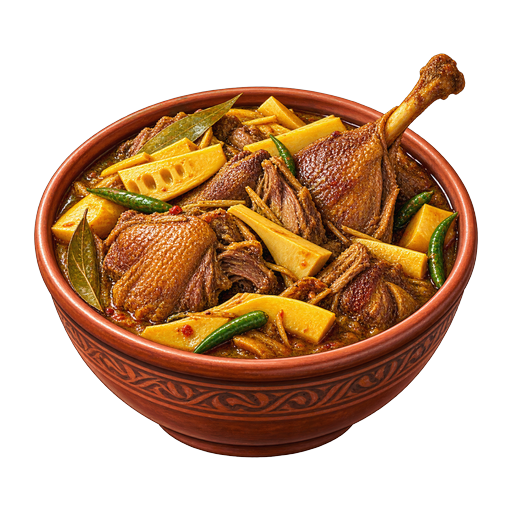
Bangladesh
Duck with Bamboo Shoot
আঁশ বাঁশ
Duck cooked with fresh bamboo shoot and heavy spice, a cold-season dish from the north and the hill tracts.
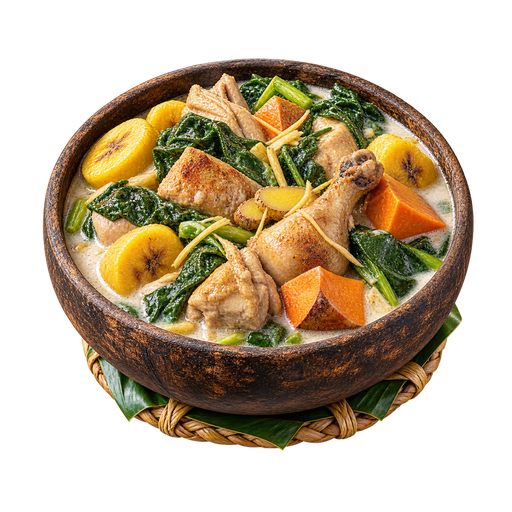
Papua New Guinea
Aigir
Hot-stone cooking method from East New Britain — hot rocks dropped into a pot of coconut milk with chicken, plantains, sweet potatoes, leafy greens, and ginger, cooked in 30 minutes.
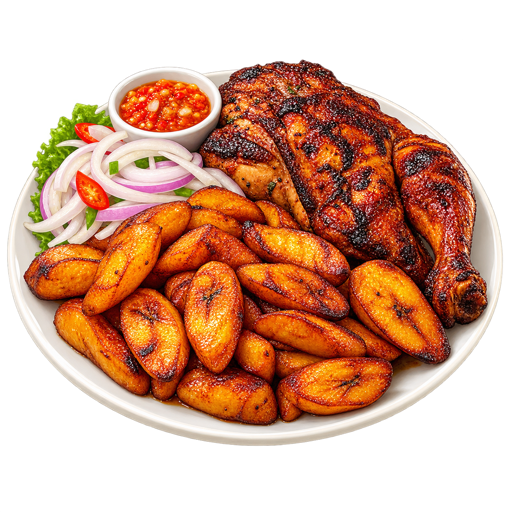
Côte d'Ivoire
Alloco Poulet
A plate of fried plantain with grilled or fried chicken and raw onion in chilli, the standard maquis order after dark.
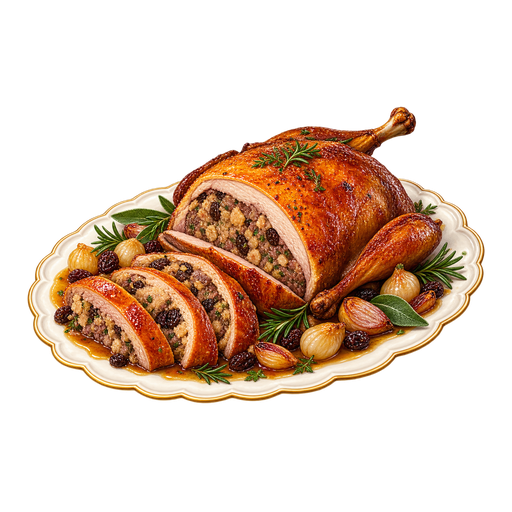
Italy
Anatra farcita alla Novarese
Anatra farcita alla Novarese is a named Italian poultry from Novara, built around its defining ingredient and cooked in a specific local style; the texture, seasoning, and serving form distinguish the dish.
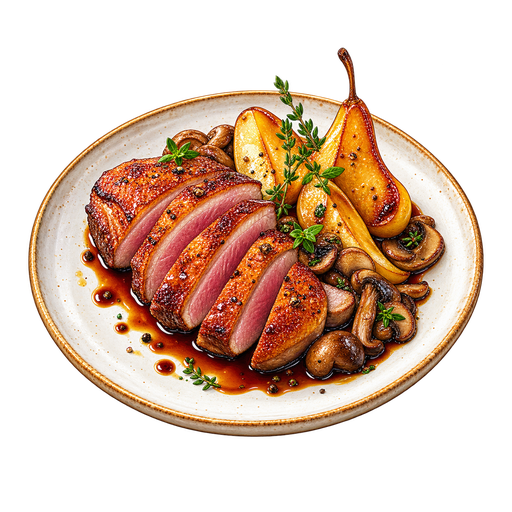
Andorra
Duck with Winter Pears
Ànec amb peres
Andorran duck breast with caramelised pears and mushrooms.
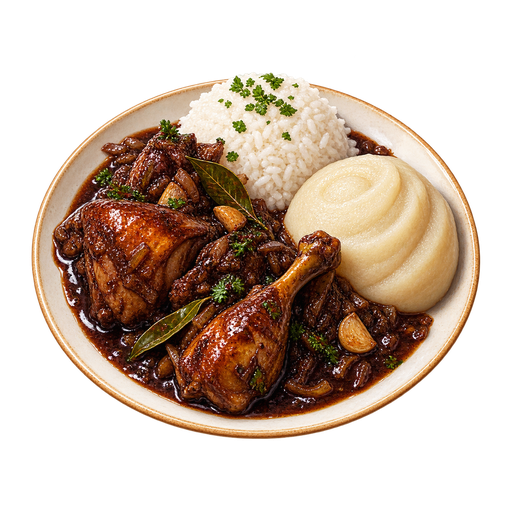
Angola
Cabidela
Chicken cooked in its own blood with vinegar, garlic, tomato and onion until the sauce goes dark and glossy.
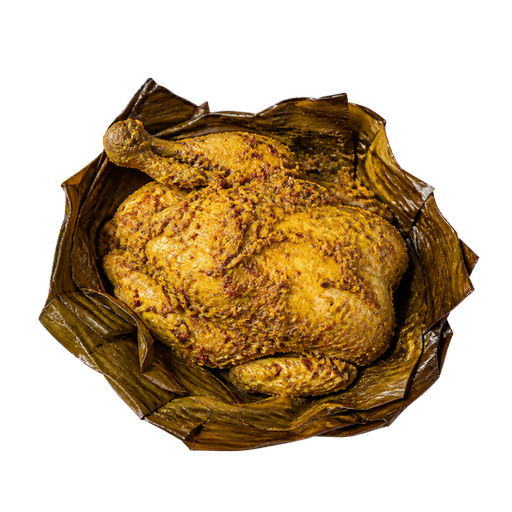
Bali, Indonesia
Betutu
Ayam Betutu
Balinese chicken stuffed with bumbu rajang spices, wrapped in banana leaves, then steamed or grilled.
Yogyakarta, Indonesia
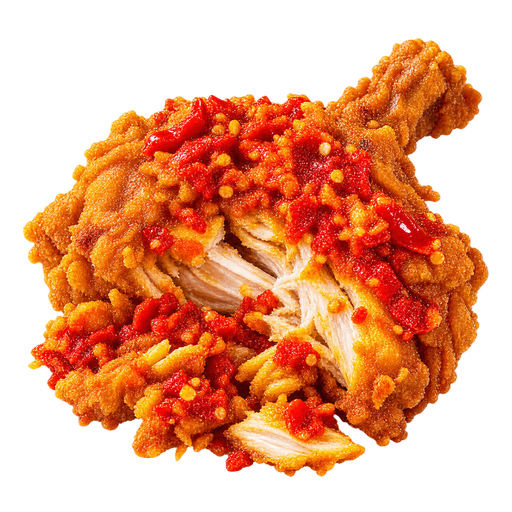
Ayam geprek
Ayam geprek, fried chicken smashed into raw sambal in a mortar, is a named Indonesian dish with its own nationwide chains and a documented Yogyakarta origin; localisation rescues it under guideline 1.6.