
Beef
Ropa Vieja
Cuba · Panama
Shredded beef cooked with onions and peppers, often in tomato sauce; Cuban recipes also include versions finished with citrus or wine.
 Beef
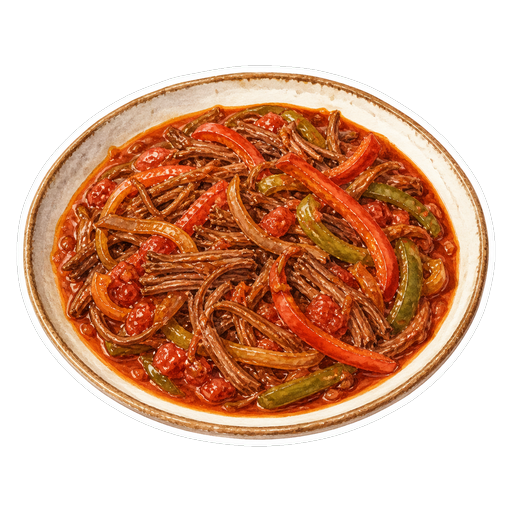
A closer look
 A closer look
What to look for.
Tender strands of beef mixed with softened onions and peppers; the sauce can be tomato-based or lighter.
Places to try
Where to eat it.
Explore places by city, with suggestions on what to order and how to get there.
Havana
Habana BluesThe menu describes shredded beef with peppers and onion.Last checked ·
- What to order
- Ropa vieja de res
- Address
- Calle H No. 405, between 17 and 19, Vedado, Havana
- Good to know
- Ask whether it is braised in tomato sauce and confirm availability.
Menus and hours can change. Check with the venue before going.
Geographic connections
Places and
traditions.
Explore the places connected to Ropa Vieja, from possible origins to local traditions.


Keep exploring
More foods to discover.

Provence, France

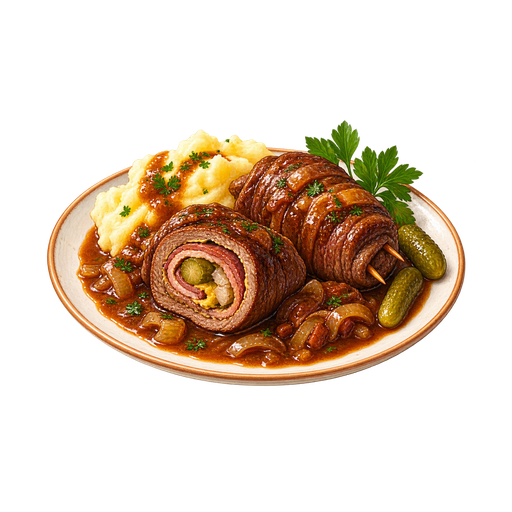
Alouettes sans têtes
Alouettes sans têtes are small beef rolls stuffed with bacon and herbs, then braised slowly in a savory sauce.

Caracas, Venezuela

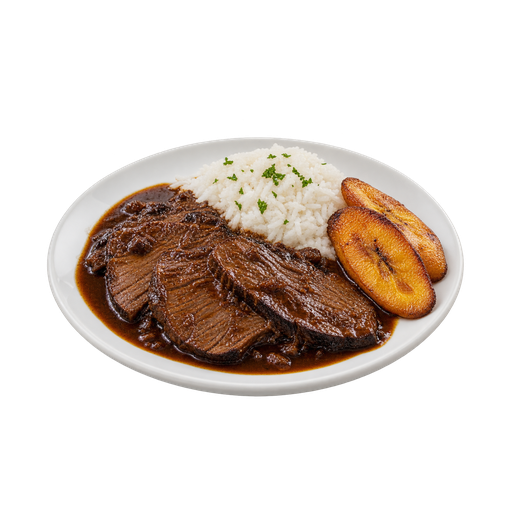
Asado Negro
Beef round browned with deeply caramelised papelón, then braised for hours in a dark, faintly sweet sauce.
Ethiopia

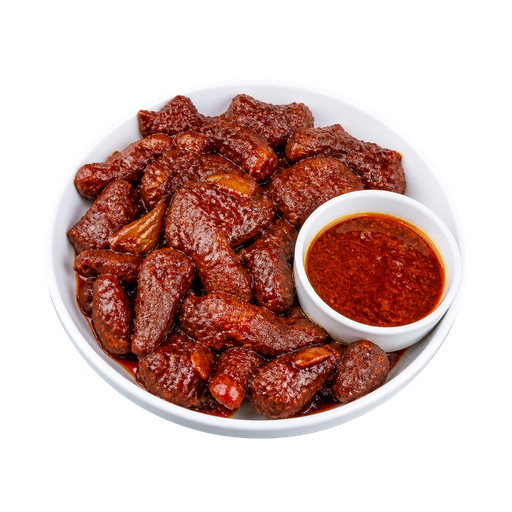
Awaze Tibs
አዋዜ ጥብስ
Pan-fried beef finished with awaze, a berbere-based sauce that may include oil, water, tej or wine.
Montenegro

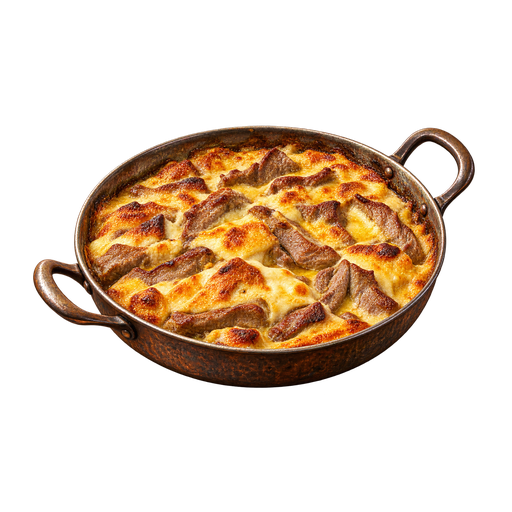
Balšića Tava
Veal baked under an egg-and-dairy topping until browned. Some recipes first simmer the meat with root vegetables and use milk and cream; dairy ingredients vary.

Russia · Latvia
Beef Stroganoff
Бефстроганов
Beef Stroganoff is a Russian dish of tender beef strips in a creamy sour-cream sauce with mustard.

Brazil

Bife a Cavalo
A beef steak topped with a fried egg, commonly served with rice, beans or fried potatoes.

Brazil
Bife à Parmegiana
A breaded beef cutlet topped with tomato sauce and melted cheese, commonly served with rice and fries.
Chile · Peru
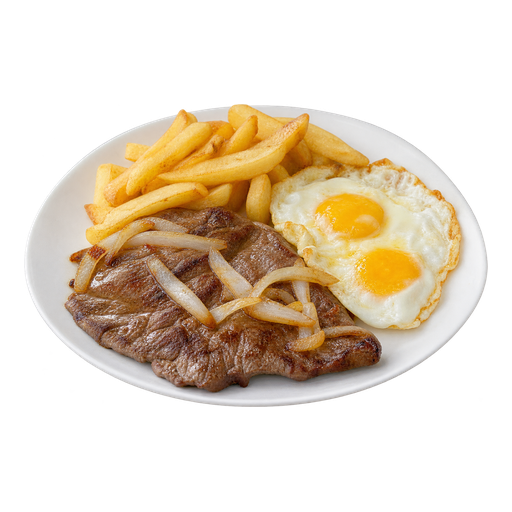
Bistec a lo Pobre
A steak plate with fried eggs and accompaniments such as fries, rice, cooked onion or plantain. Called bistec a lo pobre or lomo a lo pobre, the selection varies between Peruvian, Chilean and other regional versions.