Turkey
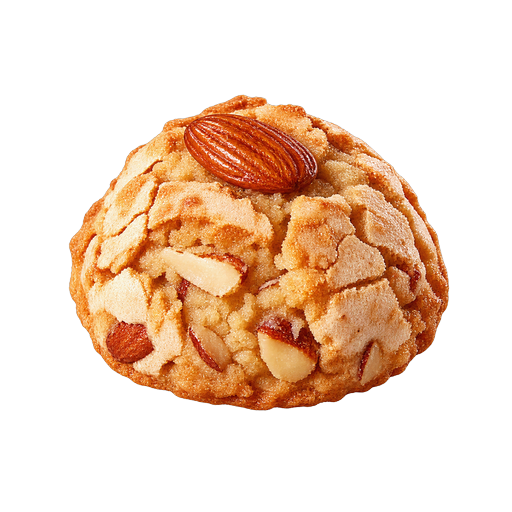
Acıbadem kurabiyesi
Acibadem kurabiyesi, the chewy Turkish almond macaroon sold by weight in dedicated shops, is a named confection.

western-asia
Explore 193 foods connected to Turkey, from everyday staples to rare local specialties.
Start with Acıbadem kurabiyesi →
The local shortlist
10 editor-selected foods for understanding the place through what people eat.
Open the guide →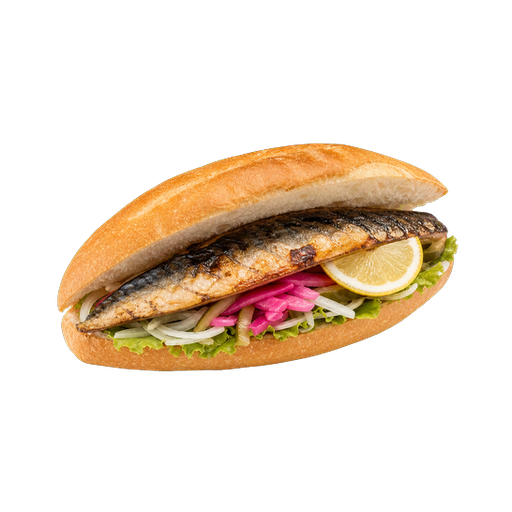
The full directory
193 foods in this view. Filter by category, type, rarity, or search every recorded name.
Turkey
Acibadem kurabiyesi, the chewy Turkish almond macaroon sold by weight in dedicated shops, is a named confection.
Turkey
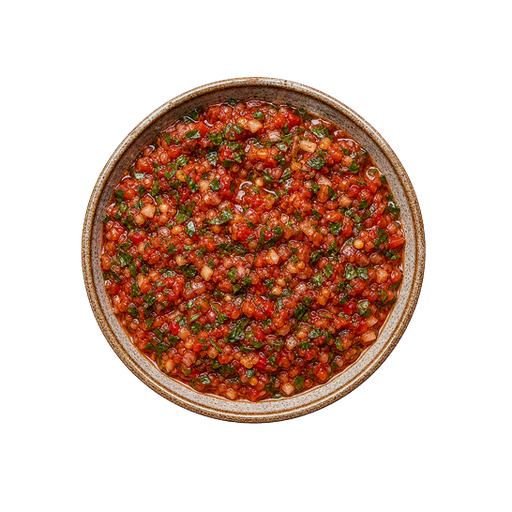
A fiery dip made from finely diced tomatoes, onions, parsley, and red pepper flakes, dressed with pomegranate molasses and olive oil. The vegetables are hand-chopped, never blended, giving it a chunky texture. A staple meze at kebab restaurants across Turkey.
Adana, Turkey
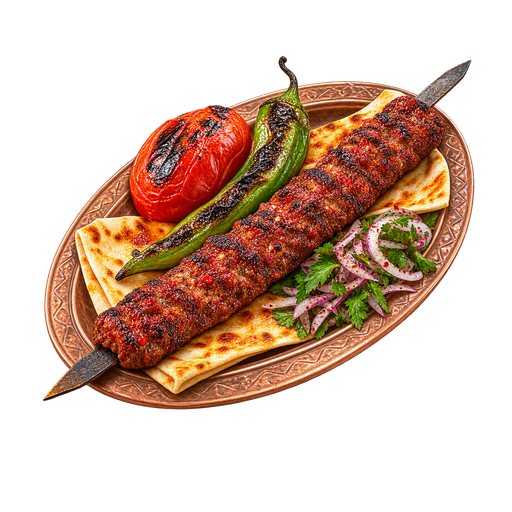
Adana Kebabı
A long, hand-minced lamb skewer blended with red pepper flakes and salt, grilled over charcoal until charred on the outside and juicy within. Named after the city of Adana in southern Turkey, it is one of the most iconic kebabs in Turkish cuisine and is traditionally served with grilled tomatoes, peppers, onion salad, and lavash flatbread.
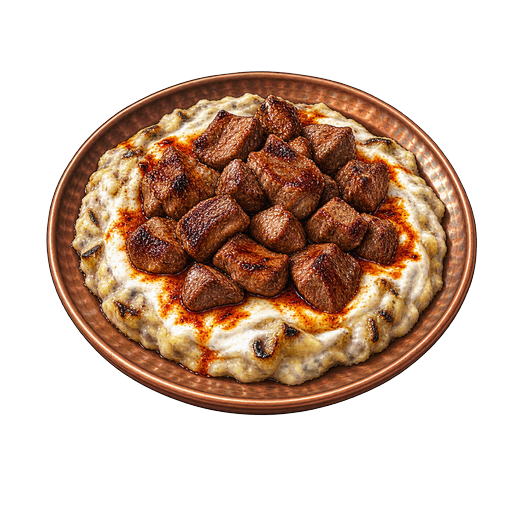
Black Sea Region, Turkey
A Black Sea köfte from Akçaabat: minced beef shaped by hand and grilled over charcoal.
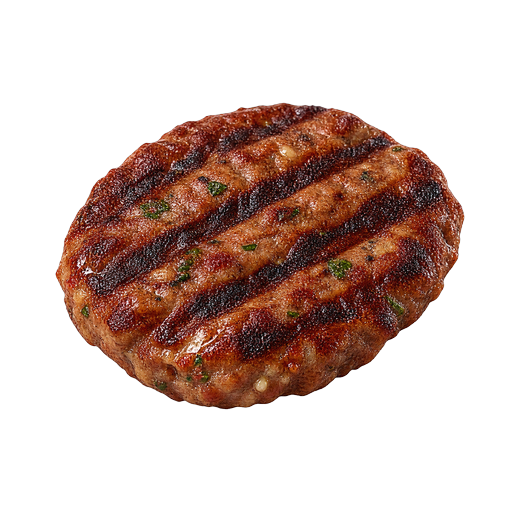
Gaziantep, Turkey
Smoky grilled eggplant puréed with yogurt, topped with buttered minced lamb.
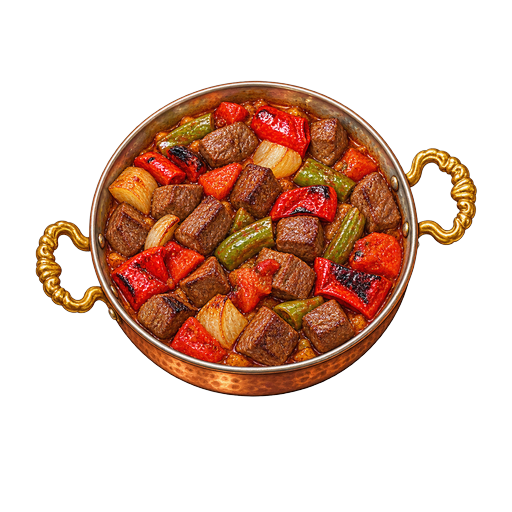
Central Anatolia, Turkey
Ankara Tava is a Turkish lamb-and-rice bake associated with Ankara, cooked until the meat is tender and the grains absorb the sauce.
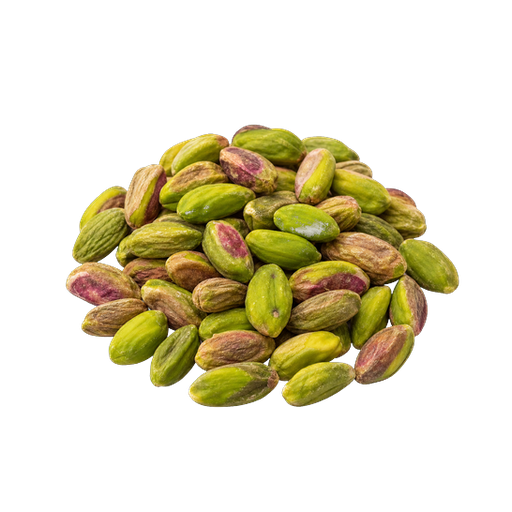
Southeastern Anatolia, Turkey
The pistachio variety grown in the Gaziantep region of southeastern Turkey, prized for its vivid green color, rich flavor, and high oil content. Antep pistachios are the essential ingredient in Gaziantep baklava and are used in desserts, katmer, lokum, and as a garnish across Turkish cuisine. Gaziantep's pistachio culture is central to its identity as a UNESCO Creative City of Gastronomy.
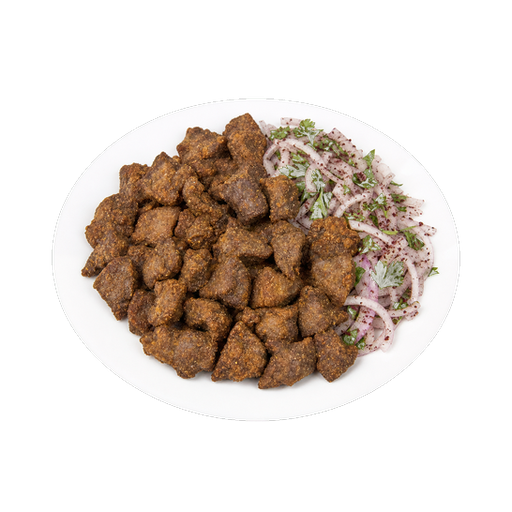
Turkey
Lamb or beef liver cut into small cubes, coated in flour, and deep-fried until crispy. Served with raw onion slices, sumac, and parsley. Despite the name, it is a thoroughly Turkish dish popular at meze tables and as a street snack, especially with rakı.
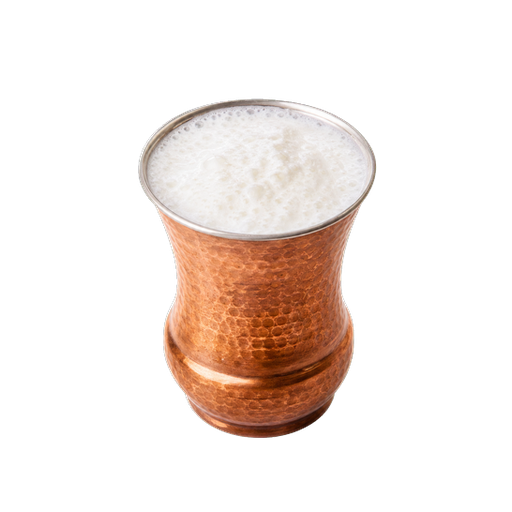
Turkey
Ajran
Ayran is a cold drink of yogurt, water and salt, whisked until lightly foamy. In Bulgaria it is a summer fountain and meal drink, never a sweet yogurt.
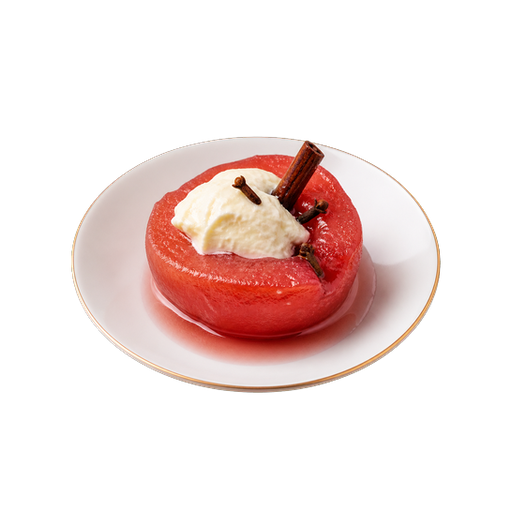
Turkey
Quince halves poached in sugar syrup with cloves and cinnamon until tender and translucent, turning a deep pink color. Served cold with kaymak or ice cream. This elegant dessert showcases the quince, a fruit beloved in Turkish cuisine, and is especially popular in autumn.
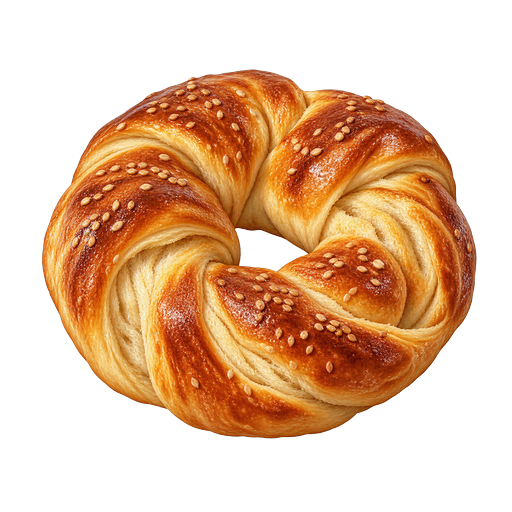
Turkey
Acma, the soft ring bread of the Turkish bakery counter, is bought by name alongside simit and is a different bread.
Turkey
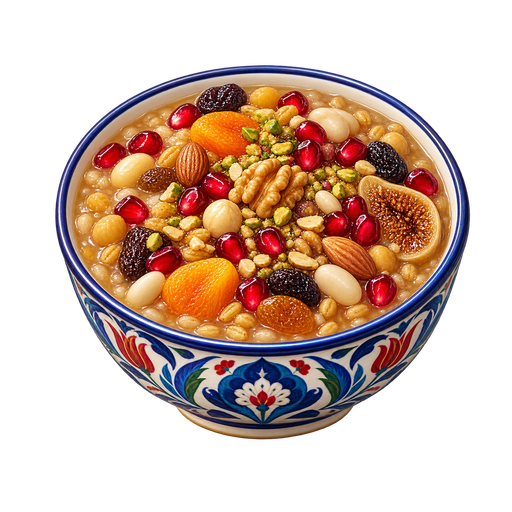
Also known as Noah's Pudding, aşure is one of the oldest and most symbolic Turkish desserts. Made with wheat, chickpeas, beans, dried fruits, nuts, and sugar, it contains more than fifteen ingredients. It is prepared in large pots during the month of Muharram and distributed to neighbors, friends, and family as a gesture of abundance and sharing.
Black Sea Region, Turkey
Bafra pidesi, the tightly rolled and sliced Black Sea pide, is a distinct form sold in dedicated Bafra pide houses across Türkiye.
Turkey
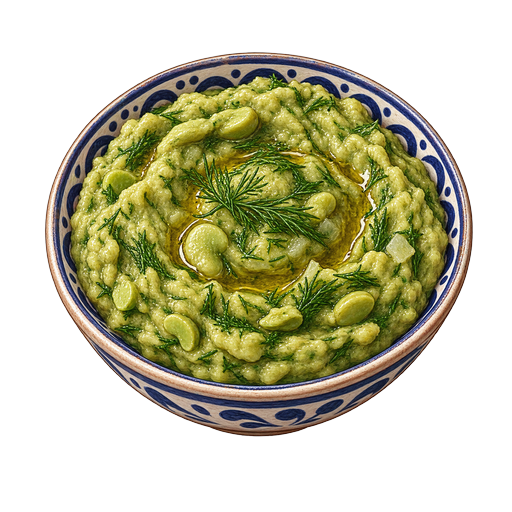
Turkish broad-bean purée meze, distinct from Greek fava.
Lebanon
بقلاوة
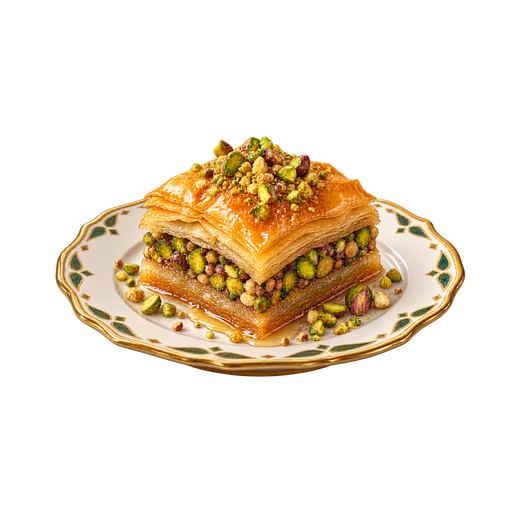
Layers of paper-thin phyllo brushed with butter and filled with chopped walnuts or pistachios, baked crisp then drenched in lemon- or rose-scented sugar syrup. One square, cut diamond-small, is the shared Ottoman dessert of the whole eastern Mediterranean.
Kazakhstan
Балқаймақ
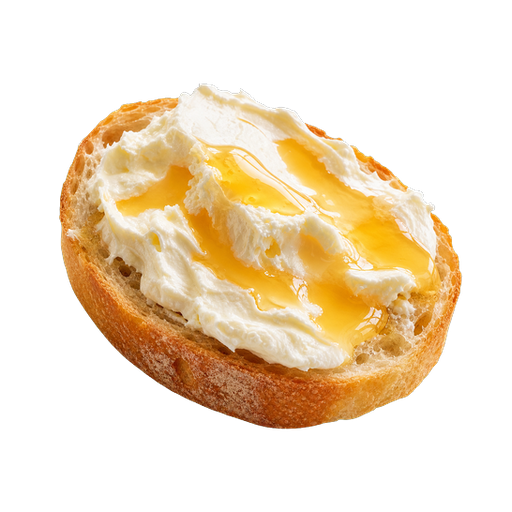
A quintessential Turkish breakfast combination of honey drizzled over kaymak, a rich clotted cream made from water buffalo milk. The contrast of sweet honey and creamy, slightly tangy kaymak on fresh bread is one of the most beloved morning treats in Turkey.
Istanbul, Turkey
Istanbul's iconic fish sandwich made with a grilled mackerel fillet served in half a loaf of white bread with onions, pickled vegetables, lettuce, and a squeeze of lemon. Sold from small motorboats moored at the Galata Bridge in Eminönü, it is one of the city's most recognizable street foods.
Turkey
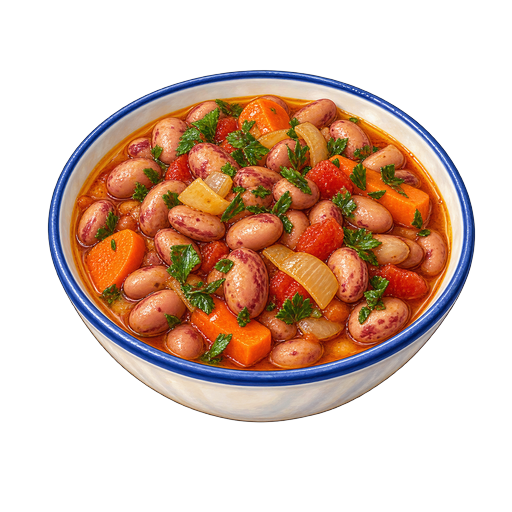
Borlotti beans braised in olive oil and tomato.
Central Anatolia, Turkey
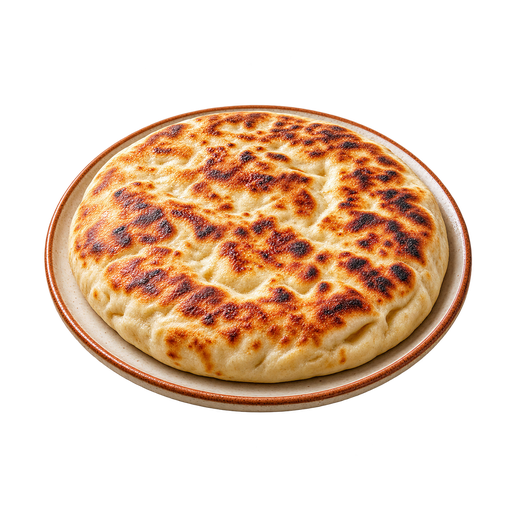
A soft, thick village flatbread baked on a griddle (sac) over open fire, with a chewy texture and slight char. Bazlama is the everyday bread of rural Turkey, especially in the Central Anatolian and Mediterranean regions, eaten fresh with butter, cheese, or honey.
Aegean Region, Turkey
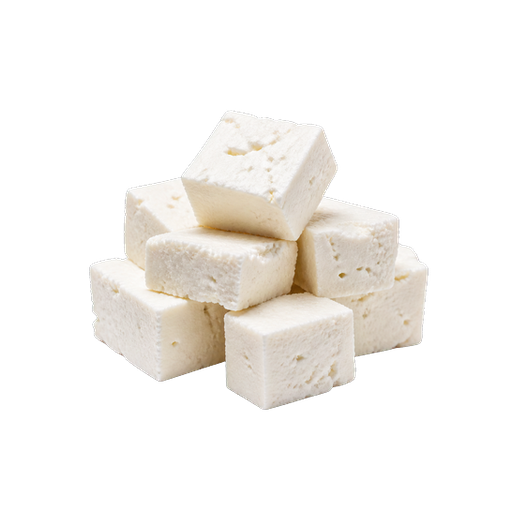
A brined white cheese made from sheep, goat, or cow milk, similar to feta but with its own distinct texture and flavor. It is the most common breakfast cheese in Turkey, served with olives, tomatoes, and bread. The Ezine variety from Çanakkale province, made with a blend of three milks and matured for at least eight months, received a protected designation of origin from the European Union.
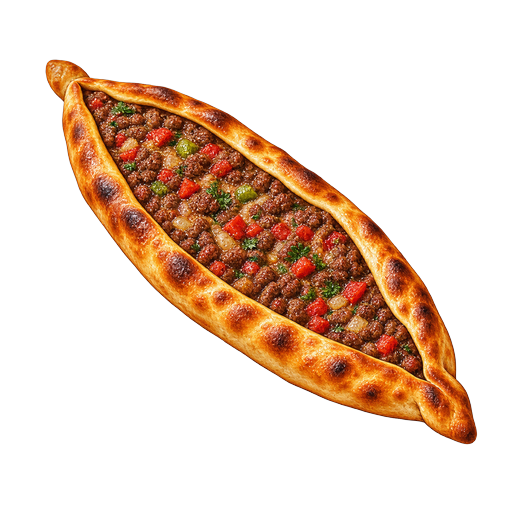
Turkey
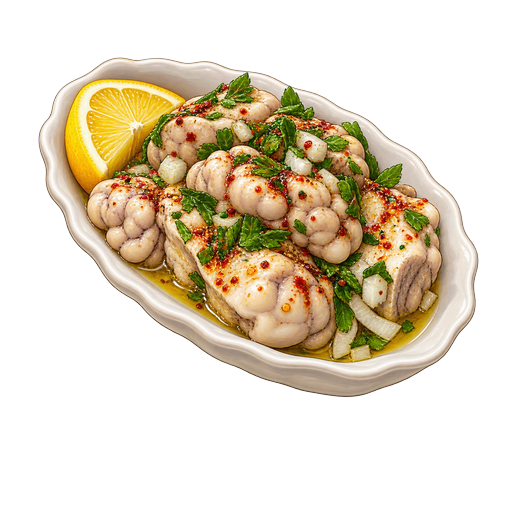
Beyin salatasi (poached brain dressed with lemon and oil) is a classic meyhane meze ordered by name and is a genuine collectible for adventurous eaters.
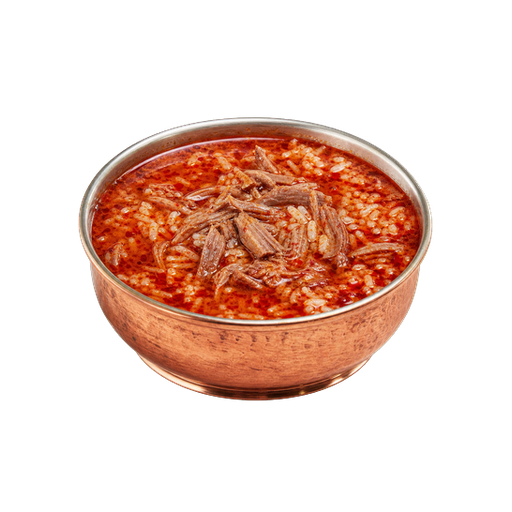
Gaziantep, Turkey
A spicy breakfast soup from Gaziantep made with rendered lamb fat, rice, shredded lamb meat, garlic, and pepper paste in lamb broth. Known for its fiery heat and rich flavor, it is a unique morning dish and a Gaziantep geographical indication product.
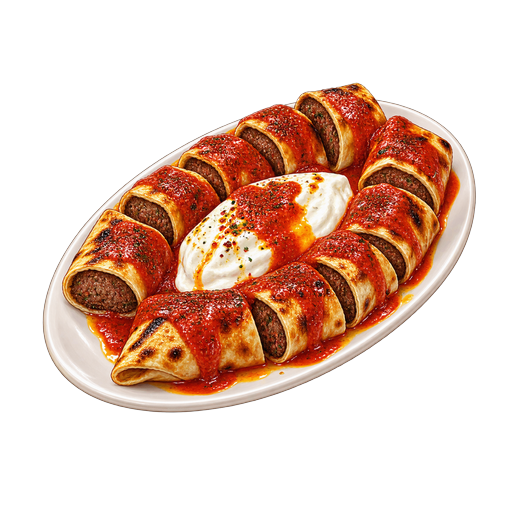
Turkey
Beyti kebab, minced lamb wrapped in lavash and sauced with tomato and yoghurt, is a named restaurant invention with a documented origin and is not a swap on any carried kebab.
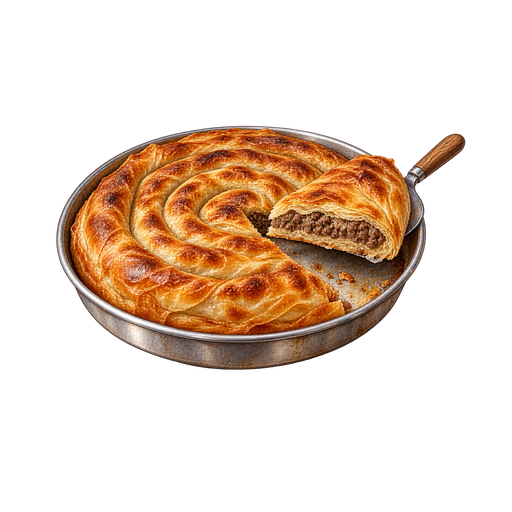
Sarajevo, Bosnia and Herzegovina
Burek
The Bosnian burek, layers of thin phyllo dough spiralled around a filling of minced beef and onions, baked until golden and crisp. In Bosnia, only the meat version is called burek.
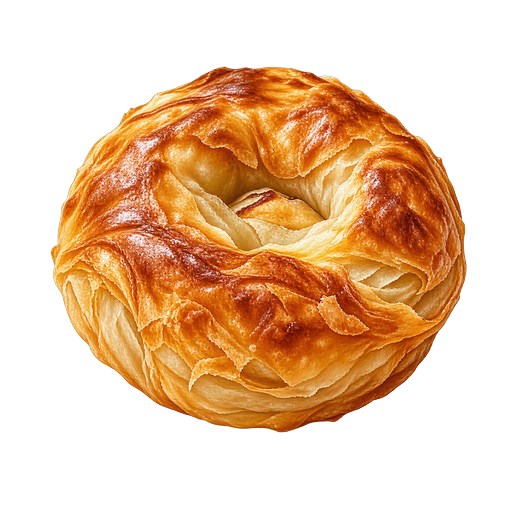
İzmir, Turkey
An İzmir pastry: flaky, dense and faintly sweet, made with sesame or tahini.
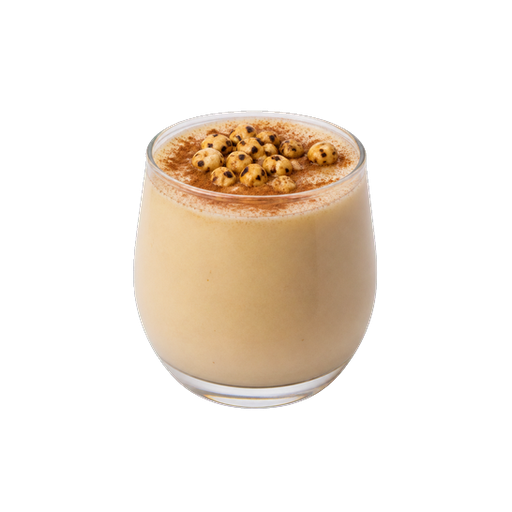
Prizren, Albania
Боза
A thick, tangy, and slightly sweet fermented drink made from millet, wheat, or bulgur. With ancient roots in Central Asia, boza is traditionally consumed in winter, sold by street vendors whose calls echo through neighborhoods at night. It is topped with cinnamon and roasted chickpeas (leblebi) and has a low alcohol content of about one percent.
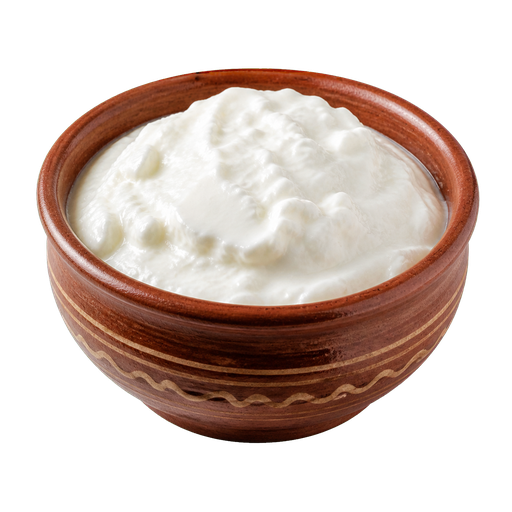
Bulgaria
Кисело мляко
Yogurt set with Lactobacillus bulgaricus, the bacterium named for the country — thick, sharply sour and eaten plain rather than sweetened.
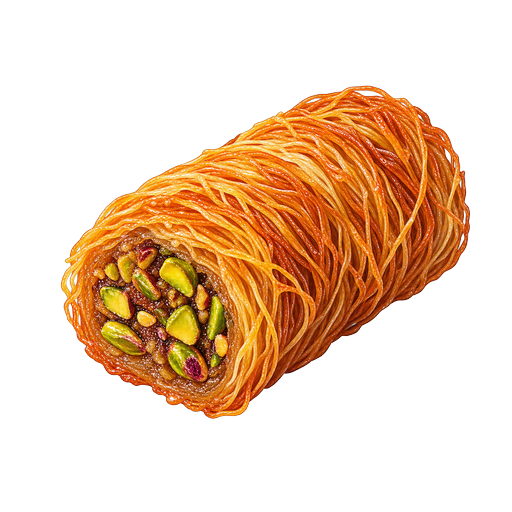
Turkey
Burma kadayıf is the rolled shredded-wheat-and-pistachio coil, sold by name in baklava houses as a separate form from ekmek kadayıfı and künefe.
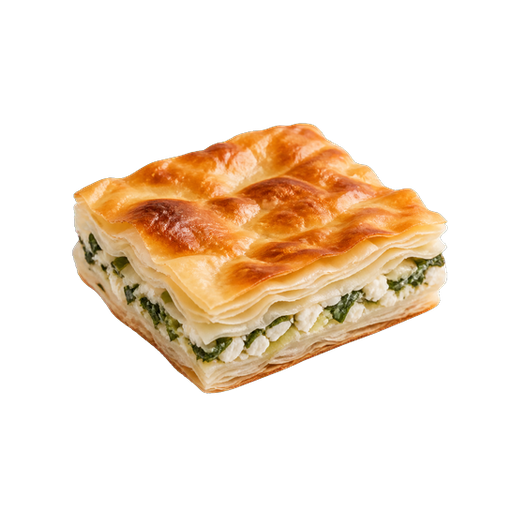
Turkey
Boşnak böreği
Layered pastries made from thin yufka dough sheets, filled with cheese, spinach, potatoes, or ground meat, and either baked or fried. Varieties include su böreği, which is boiled before baking for a moist, custard-like texture, and sigara böreği, crisp rolled cylinders. Börek is eaten at breakfast, as a snack, or as part of a meze spread.
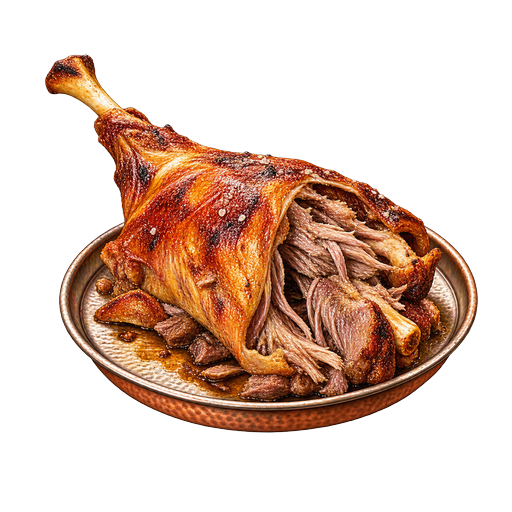
Southeastern Anatolia, Turkey
Buryan kebabi, lamb lowered into a sealed earth pit and cooked overnight, is a distinct technique and a Siirt institution sold from dawn.
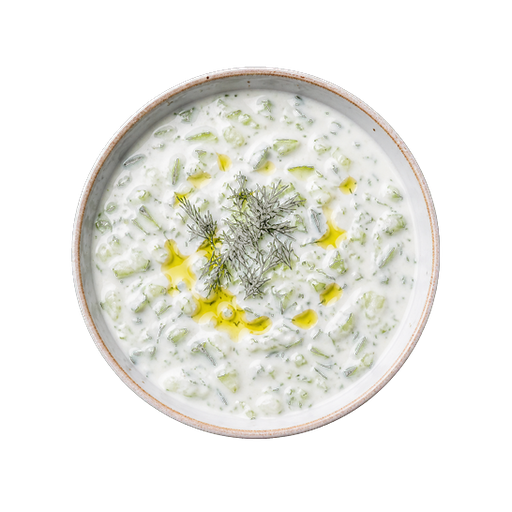
Turkey
A refreshing meze of strained yogurt mixed with grated cucumber, garlic, dill, and a drizzle of olive oil. Sometimes diluted with cold water to make a drinkable soup. Cacık is the Turkish cousin of tzatziki and accompanies grilled meats and rice dishes.
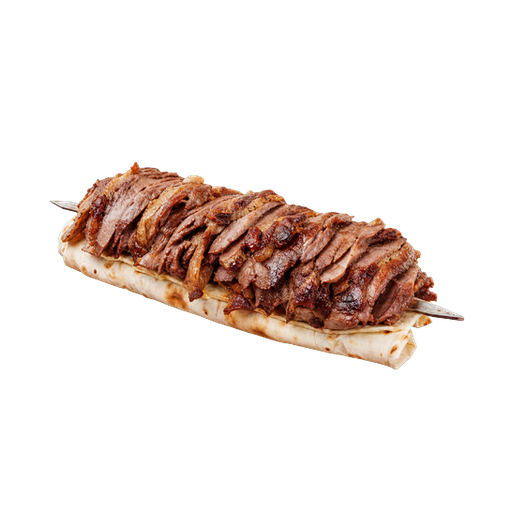
Erzurum, Turkey
A horizontally roasted lamb kebab from the Oltu district of Erzurum in northeastern Turkey. Marinated lamb is stacked on a horizontal spit and slow-roasted over wood fire, then shaved and served on skewers with lavash. It holds a geographical indication and is considered the ancestor of vertical döner.
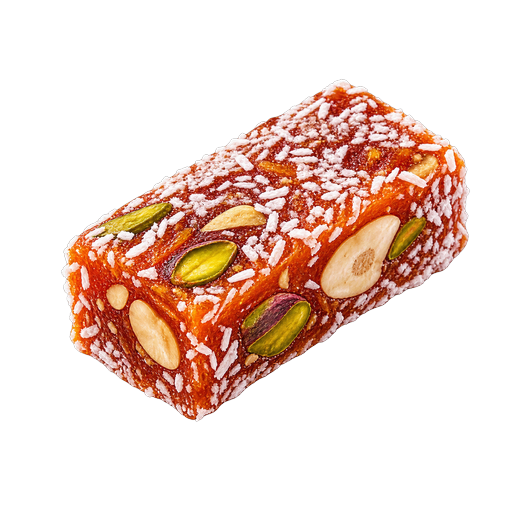
Mersin, Turkey
Cezerye, the carrot-and-nut jelly confection of Mersin, is sold by name in its own shops.
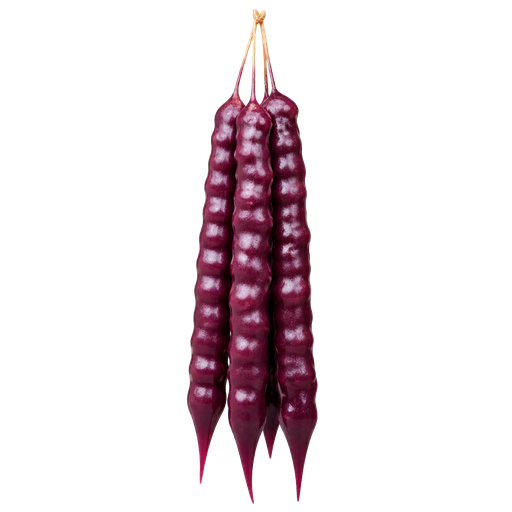
Turkey
Ჩურჩხელა
Walnuts or hazelnuts threaded on a string and dipped repeatedly in thickened grape must until they build a firm candle-shaped coating.
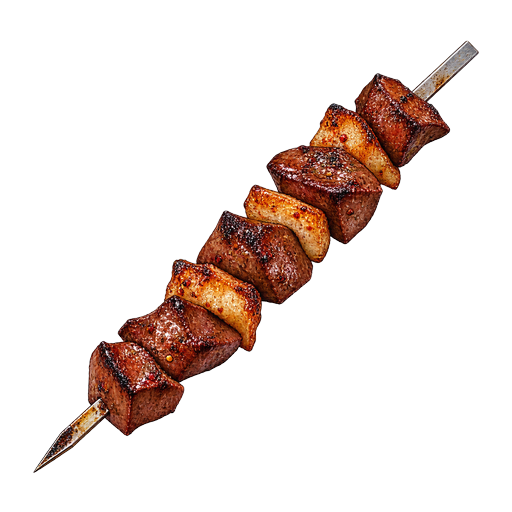
Şanlıurfa, Turkey
Skewers of lamb liver flame-grilled over charcoal, the dawn institution of Şanlıurfa and Diyarbakır, eaten hot off the coals with flatbread, raw onion and sumac before the heat arrives.
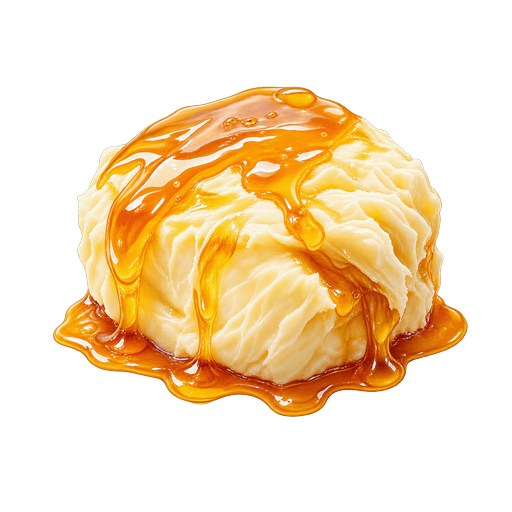
Black Sea Region, Turkey
Deli bal ("mad honey"), the grayanotoxin-bearing rhododendron honey of the eastern Black Sea, is genuinely singular and is bought by the spoonful by name.