Castile-La Mancha, Spain
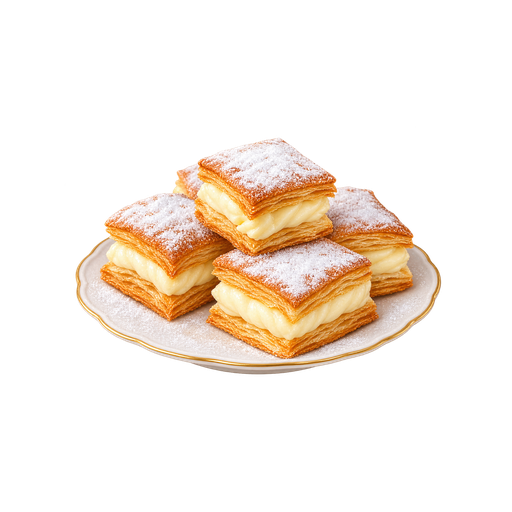
Miguelitos
Flaky puff pastry squares from La Roda, Albacete, filled with cream and dusted with powdered sugar, light and indulgent at once.

southern-europe
Explore 326 foods connected to Spain, from everyday staples to rare local specialties.
Start with Miguelitos →
The local shortlist
15 editor-selected foods for understanding the place through what people eat.
Open the guide →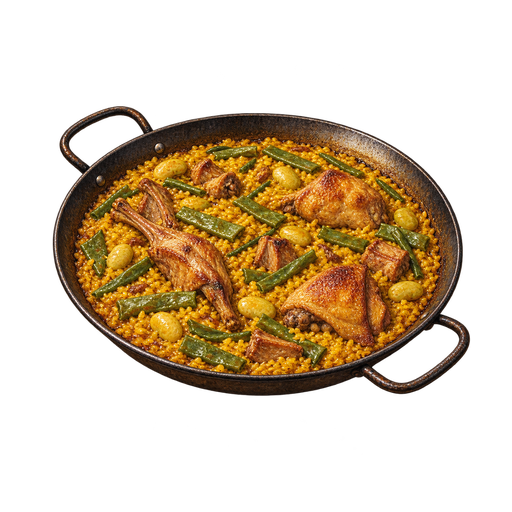
The full directory
326 foods in this view. Filter by category, type, rarity, or search every recorded name.
Castile-La Mancha, Spain
Flaky puff pastry squares from La Roda, Albacete, filled with cream and dusted with powdered sugar, light and indulgent at once.
Andalusia, Spain
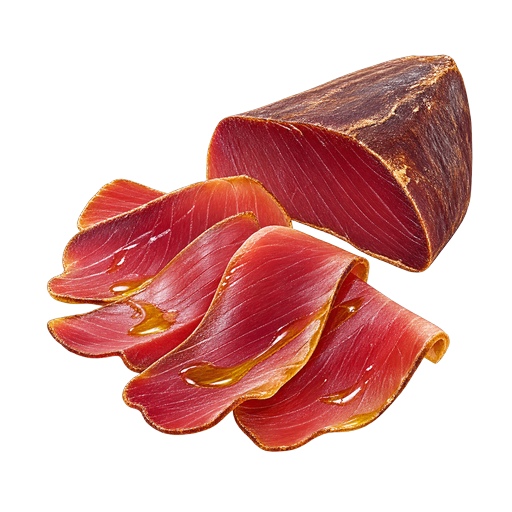
Cured tuna loin from Cádiz, a traditional salazón.
Dominican Republic
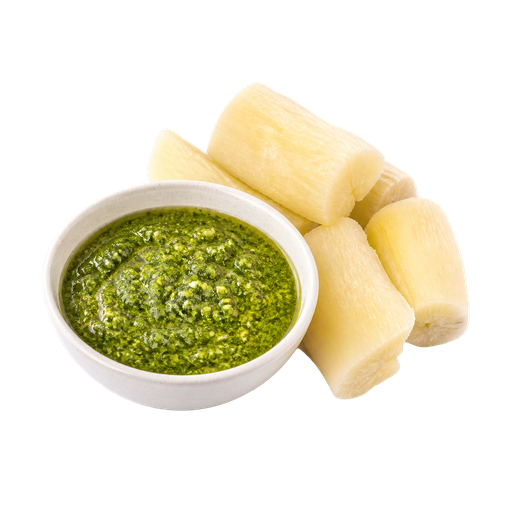
Mojo Do
A Dominican garlic sauce of olive oil, garlic, sour orange, and cilantro, served with yuca, tostones, and fish. A tangy, aromatic, garlicky condiment.
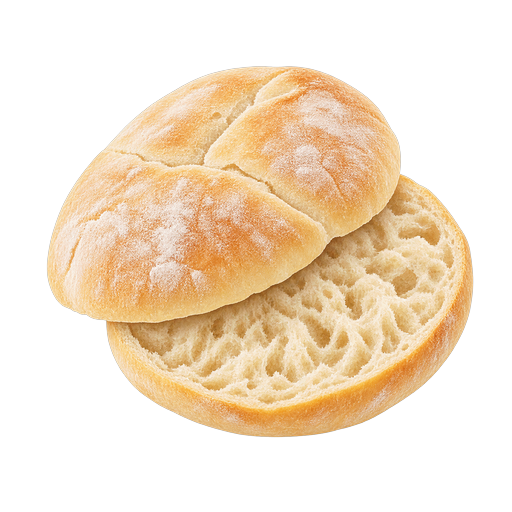
Andalusia, Spain
Soft Andalusian bread roll, often split for breakfast.
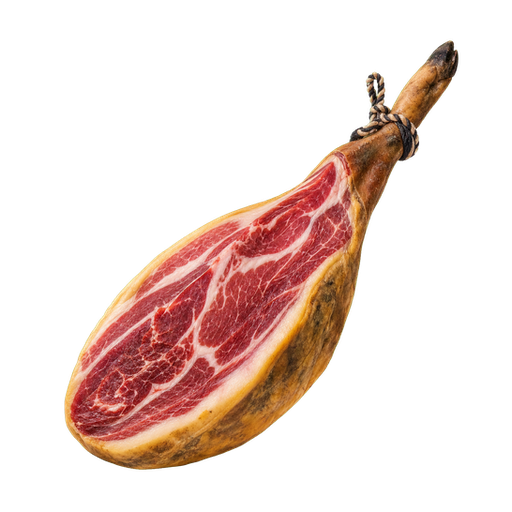
Spain
Jamon serrano
Dry-cured ham from white pigs, cured in mountain air, less expensive than iberico but a beloved everyday staple across Spain.
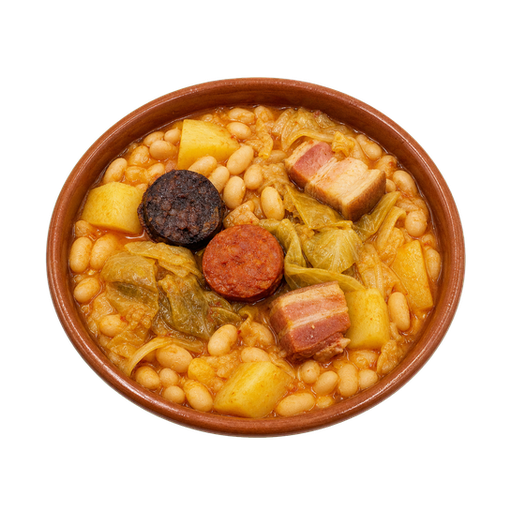
Cantabria, Spain
Cocido montanes
A hearty Cantabrian bean stew with cabbage, potatoes, and pork products including chorizo, morcilla, and bacon, flavored with smoked paprika.
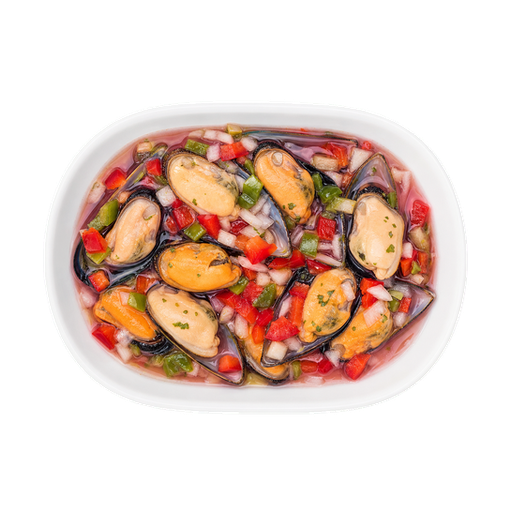
Galicia, Spain
Mejillones a la vinagreta
Galician mussels steamed, cooled, and dressed with red wine vinegar, olive oil, diced bell peppers, and onion, a popular cold tapa.
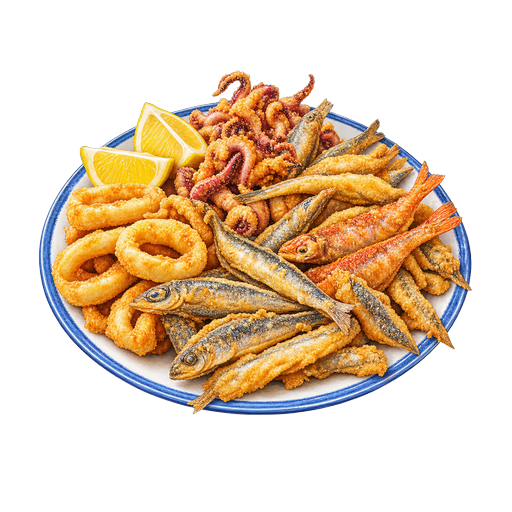
Andalusia, Spain
Fritura malagueña
Fritura Malagueña is a Málaga tapa of small fish and seafood coated in batter and fried until crisp.
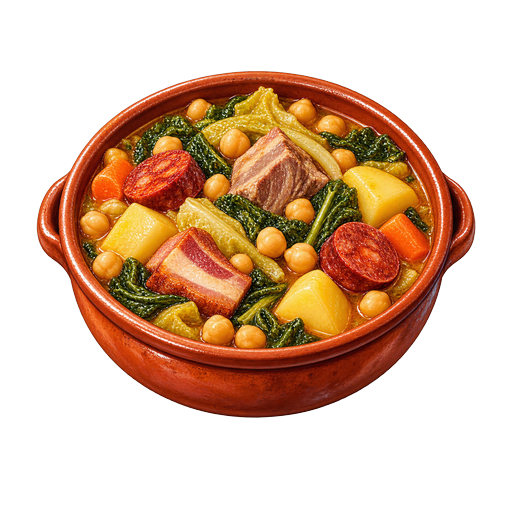
Andalusia, Spain
Berza Malagueña
Berza Malagueña is a Málaga stew of greens, chickpeas, and meat cooked together into a thick, hearty bowl.
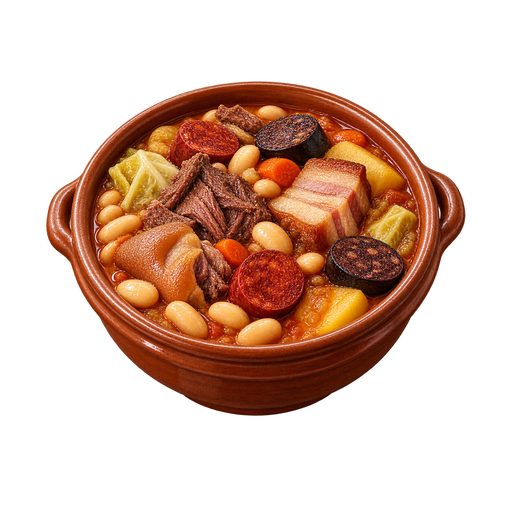
Castile and León, Spain
A traditional Castilian stew of pork, beans, and various meats and vegetables slow-cooked in a single pot, the ancestor of cocido madrileno.
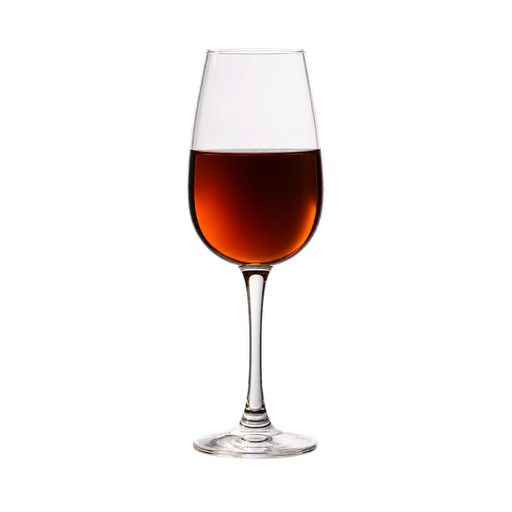
Andalusia, Spain
Oloroso
A full-bodied, oxidative sherry with a dark amber color and complex nutty, leathery, and balsamic aromas, aged without flor.
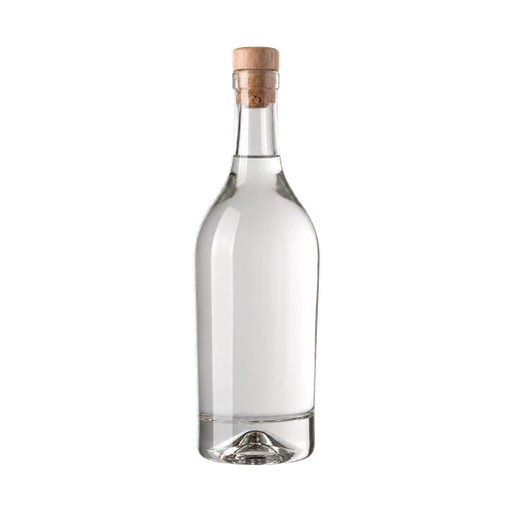
Galicia, Spain
A strong pomace brandy from northern Spain (Galicia, Leon, Asturias), distilled from grape skins left after winemaking, clear or barrel-aged.
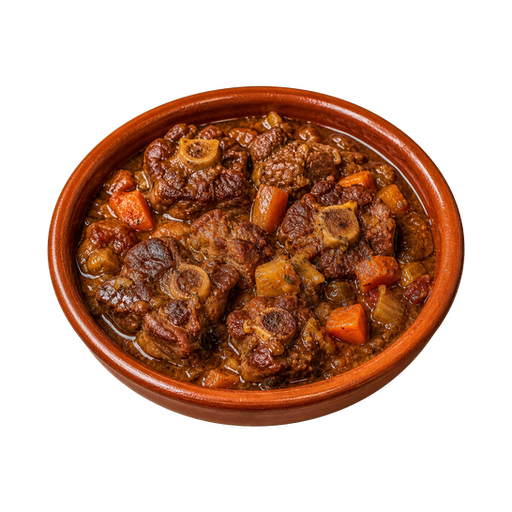
Andalusia, Spain
Rabo de toro
Slow-braised oxtail with red wine, vegetables, and spices until the meat falls off the bone, a Cordoba specialty with roots in Roman times.
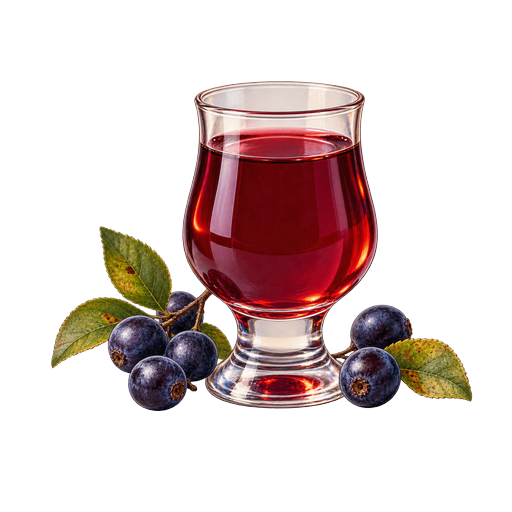
Navarre, Spain
Navarrese sloe-berry anise liqueur with PGI status.
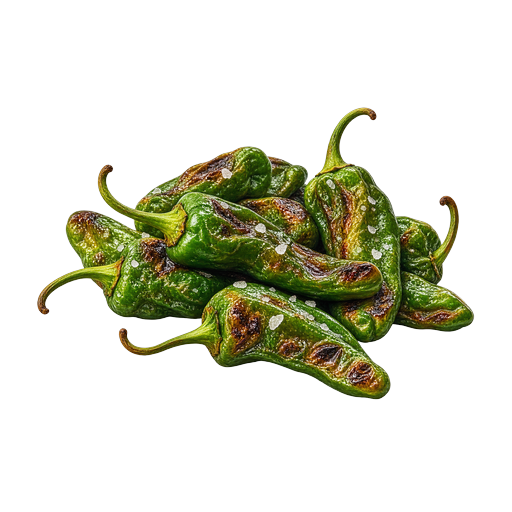
Galicia, Spain
Pimientos de Padrón
Blistered Galician peppers, the iconic "some are hot, some are not" tapa.
Valencia, Spain
The original paella from Valencia: short-grain rice cooked with chicken, rabbit, garrofon butter beans, green beans, and saffron over an open wood fire in a wide shallow pan.
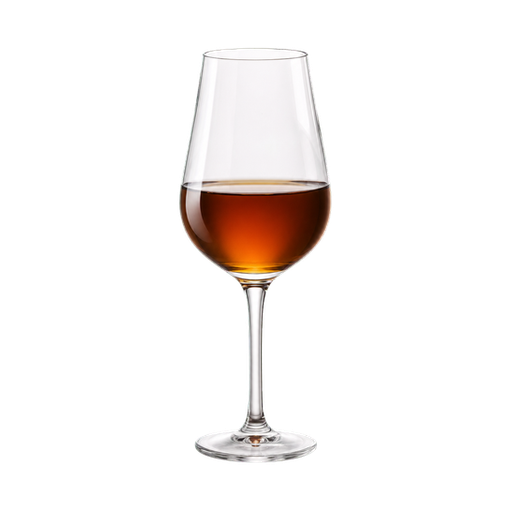
Andalusia, Spain
The rarest dry sherry style, combining the refined elegance of Amontillado with the robust body of Oloroso, a complex and hard-to-find wine.
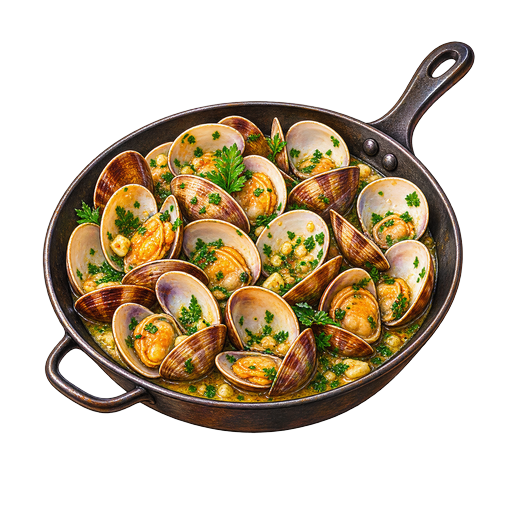
Galicia, Spain
Almejas a la sartén
Almejas a la sartén are Galician clams cooked quickly with garlic, olive oil, and white wine in a hot pan.
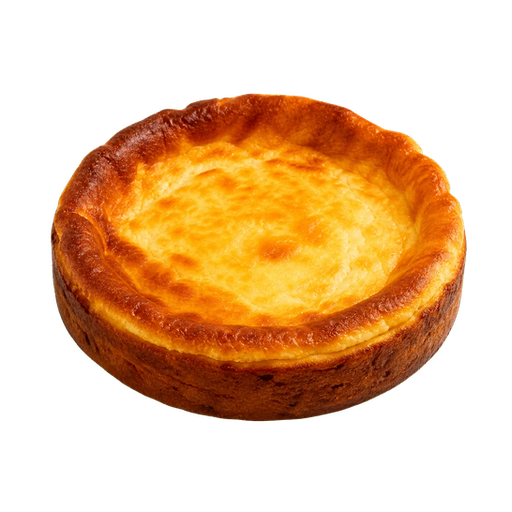
Cantabria, Spain
Quesada pasiega
A Cantabrian dessert similar to cheesecake, made with fresh cheese, butter, eggs, sugar, and lemon zest, with a creamy texture and golden top.
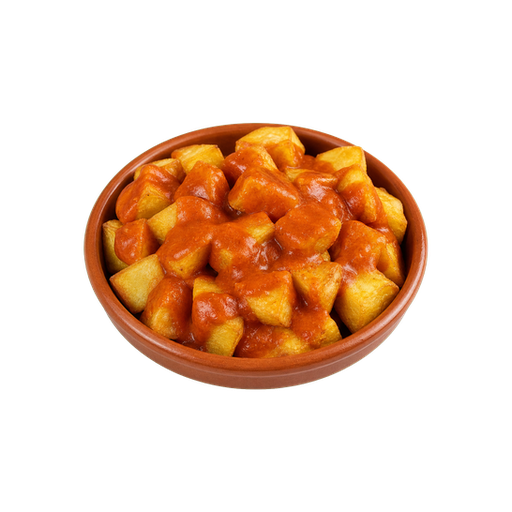
Spain
Crispy fried potato cubes served with a spicy paprika-based bravas sauce, one of the most iconic tapas in Spain.
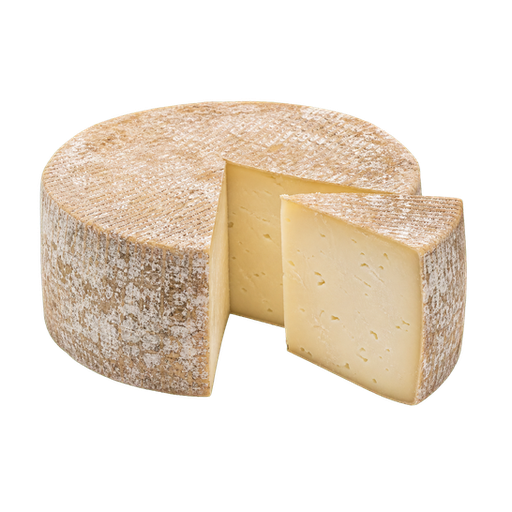
Andalusia, Spain
Queso payoyo
An artisanal cheese from the Sierra de Cadiz, made from Payoya goat milk, with a creamy texture and tangy, complex flavor.
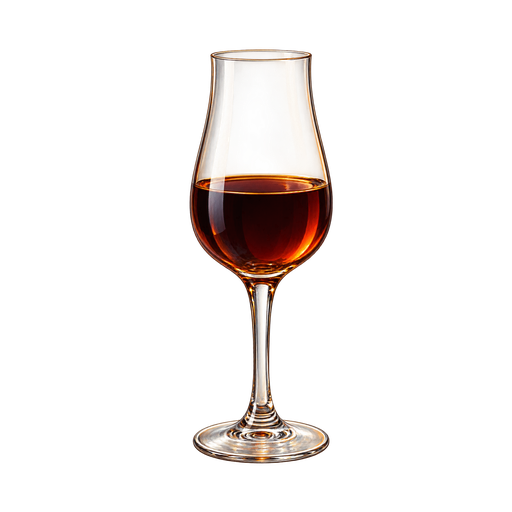
Andalusia, Spain
A sweet, thick, dark sherry made from sun-dried Pedro Ximenez grapes, with intense notes of dried fruit, honey, vanilla, and chocolate.

Catalonia, Spain
Brandy del Penedés
Brandy del Penedès is a Catalan grape brandy matured in oak, with concentrated fruit, spice, and a smooth finish.
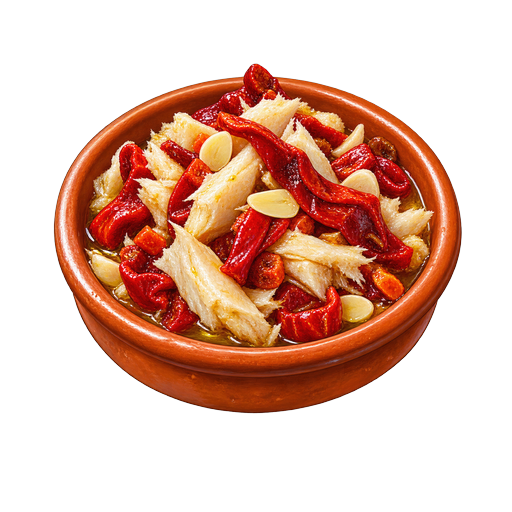
Valencian Community, Spain
Alicante salt-cod and escalivada spread.
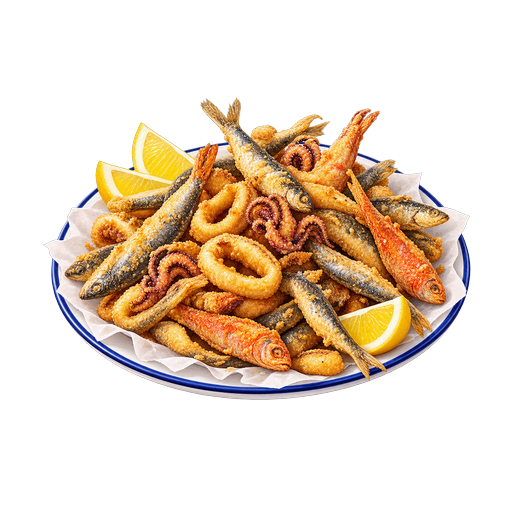
Gibraltar, Spain
Andalusian mixed fried small fish, the seaside tapa default.
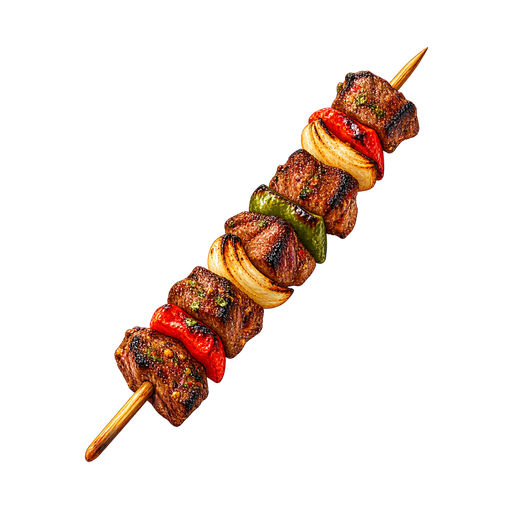
Gibraltar, Spain
Moroccan-style kebabs cooked over hot coals; diced lamb or chicken seasoned with olive oil, paprika, salt, and pepper, then skewered with peppers, onions, and sometimes chorizo; a staple at the Calentita food festival; reflecting Moroccan influence on Gibraltarian cuisine.

Andalusia, Spain
A small rolled sponge cake from Santa Fe, Granada, soaked in syrup and filled with cream, named after Pope Pius IX (Pio Nono).
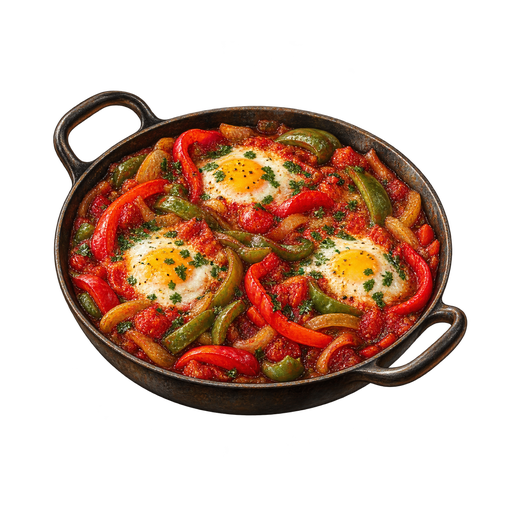
Nouvelle-Aquitaine, France
Piperade is a Basque stew of peppers, tomatoes, and onion, often finished with eggs.
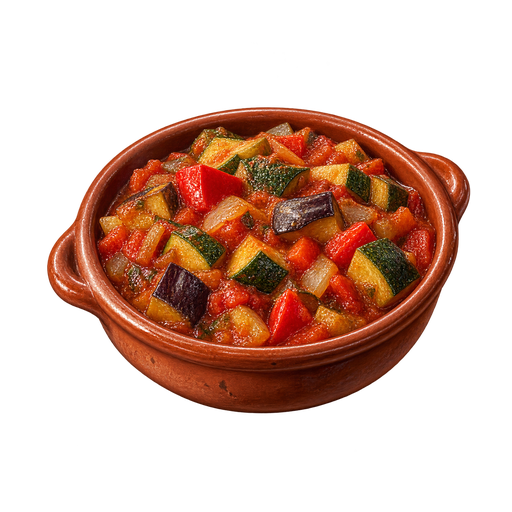
Castile-La Mancha, Spain
Pisto manchego
La Mancha's ratatouille-style dish of tomatoes, onions, eggplant, zucchini, and bell peppers slow-cooked in olive oil, often topped with a fried egg.
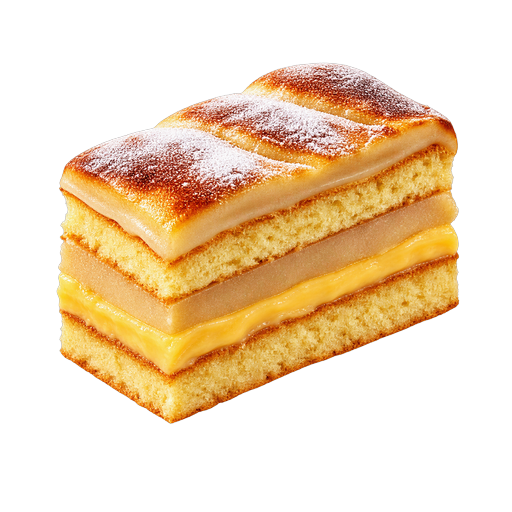
Castile and León, Spain
Ponche Segoviano layers sponge and pastry cream beneath marzipan, with a caramelized diamond grid across its rectangular top.
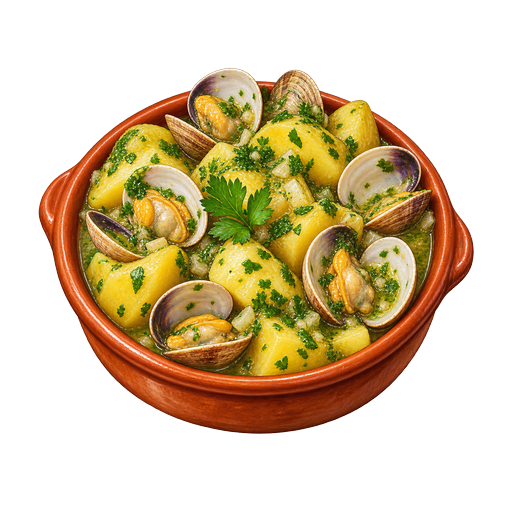
Basque Country, Spain
Patatas en salsa verde
Patatas en salsa verde are Basque potatoes simmered in parsley, garlic, and white-wine sauce.

Catalonia, Spain
Catalan DOCa red, powerful and mineral.
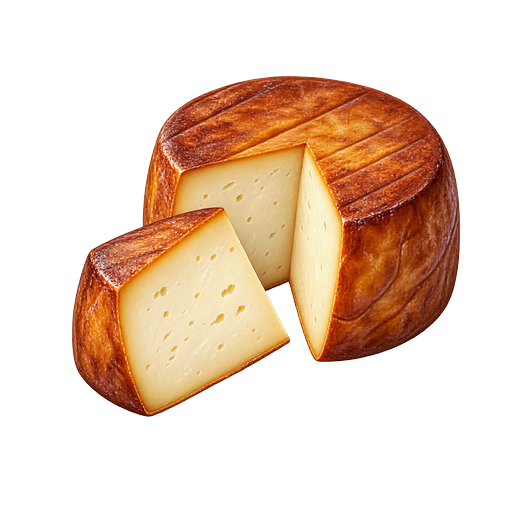
Asturias, Spain
Ahumado de Pría
Pría Smoked Cheese is an Asturian cow’s-milk cheese enriched with sheep’s cream, with a semi-soft buttery paste and amber smoky rind.
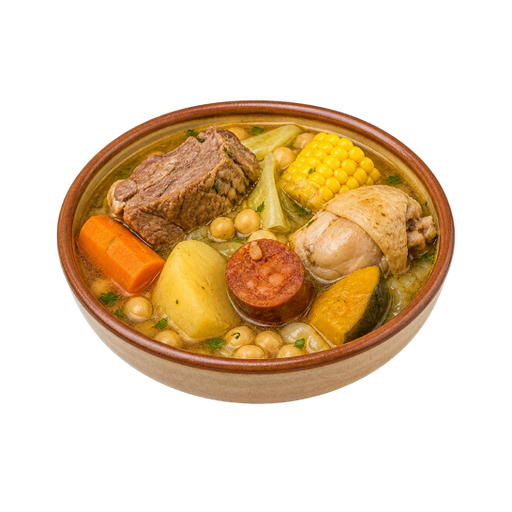
Argentina
Puchero magro
A boiled meat and vegetable stew of Spanish origin, made with beef, chorizo, bacon, potatoes, corn, squash, and chickpeas. Served in broth with the meats and vegetables arranged separately.
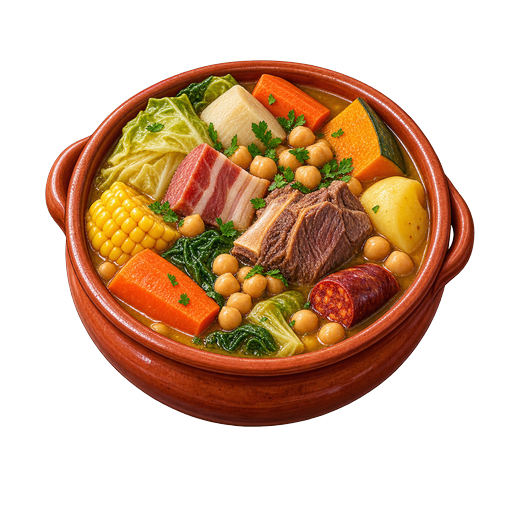
Canary Islands, Spain
Puchero canario is a Canarian stew of chickpeas, meat, corn, and vegetables cooked together in a rich broth.
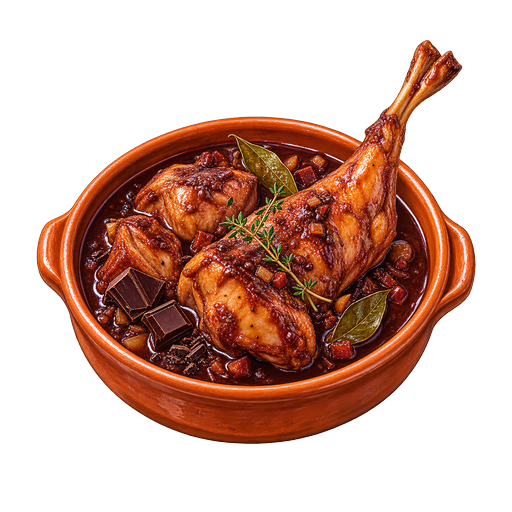
Catalonia, Spain
Conejo con chocolate
Conejo con chocolate is Catalan rabbit braised with onion, herbs, wine, and dark chocolate until tender.