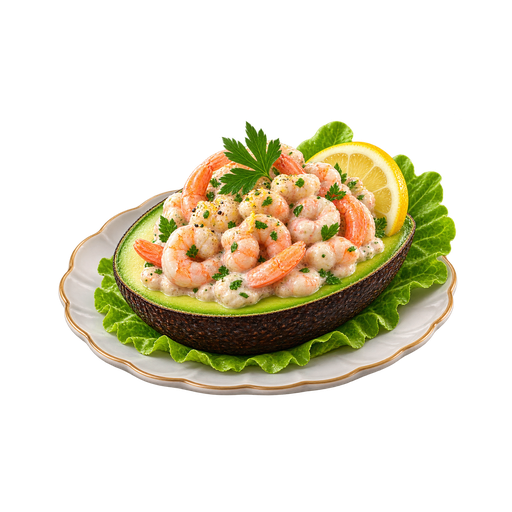
Guinea-Bissau
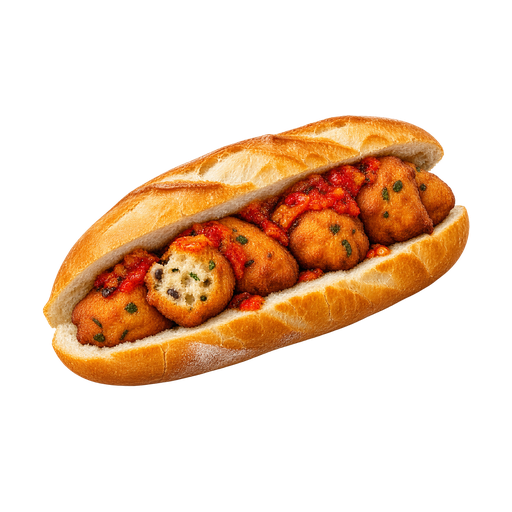
Accara
Black-eyed peas peeled, ground and whipped with onion and chilli, then dropped into hot oil and served in bread with pepper sauce.

western-africa
Explore 48 foods connected to Mauritania, from everyday staples to rare local specialties.
Start with Accara →
The local shortlist
12 editor-selected foods for understanding the place through what people eat.
Open the guide →
The full directory
48 foods in this view. Filter by category, type, rarity, or search every recorded name.
Guinea-Bissau
Black-eyed peas peeled, ground and whipped with onion and chilli, then dropped into hot oil and served in bread with pepper sauce.
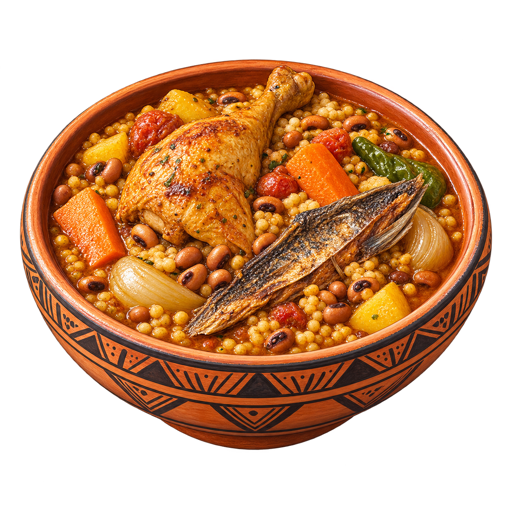
Mauritania
Chicken and bean stew flavored with dried fish, served with aïch couscous — small balls of maize or millet flour cooked in the stew broth; a complete one-pot meal that combines protein, starch, and the umami of dried fish in a single dish.
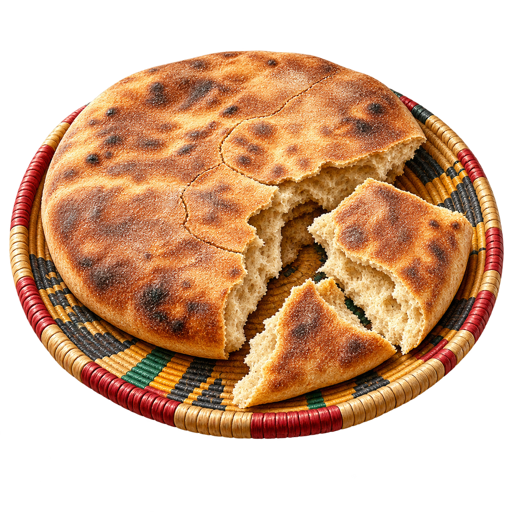
Mauritania
Flat galette of wheat or barley flour cooked in an oven or buried in hot sand (hofra); the everyday bread of Moor nomads, eaten torn and soaked in meat sauce or stew; the sand-baking method gives a distinctive earthy flavour.
Mauritania
Ataya
Chinese gunpowder tea brewed three times in succession, each round stronger, sweeter and more mint-heavy, and poured from height to build foam.
Morocco
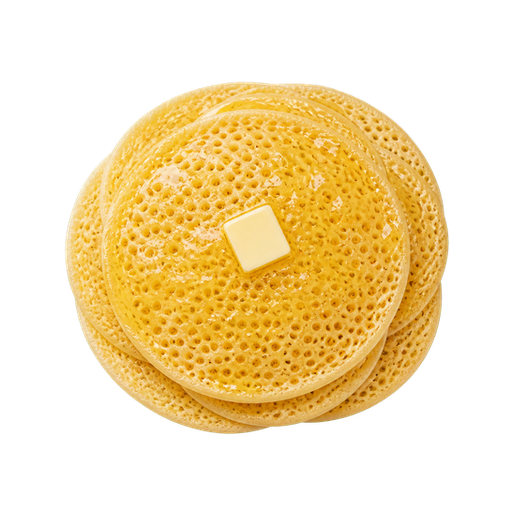
بغرير
Yeasted semolina pancakes cooked on one side so hundreds of tiny holes open across the surface.
Senegal River Valley (Trarza / Gorgol / Guidimaka), Mauritania
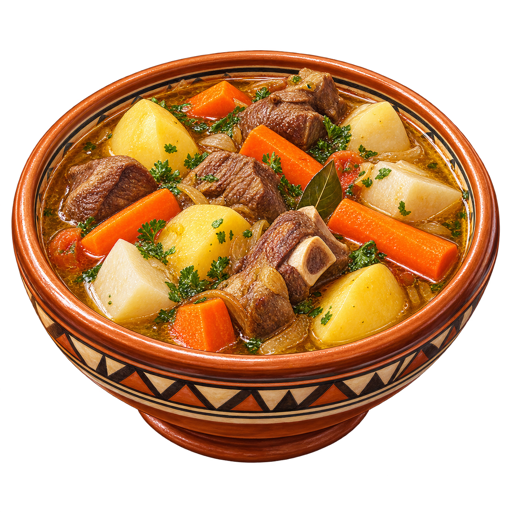
Meat and vegetable stew of lamb, potatoes, carrots, and turnips cooked in peanut oil; a Wolof-influenced dish from southern Mauritania, simpler than mafé but using the same peanut oil base.
Mauritania
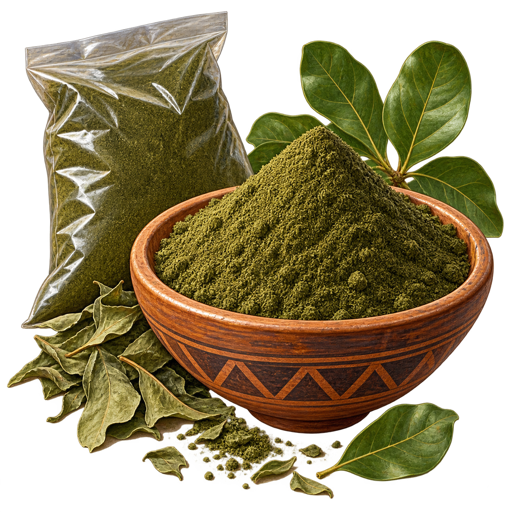
Lalo
Powdered dried baobab leaves used as a thickening agent in Mauritanian and Senegalese sauces; gives ngomou and other couscous dishes their characteristic dark green colour and slightly mucilaginous texture; a staple ingredient in Pulaar cooking.
Mauritania
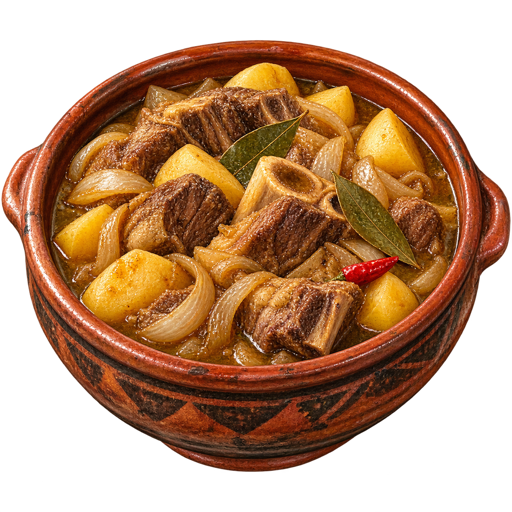
Lamb and potato stew with onions, bay leaves, white vinegar, and peanut oil; optionally spiced with chili; sometimes cooked buried in desert sand; a nomadic Moor dish eaten across Mauritania.
Adrar-Tagant (Date Oases / Taguella), Western Sahara
Dgig lmegli
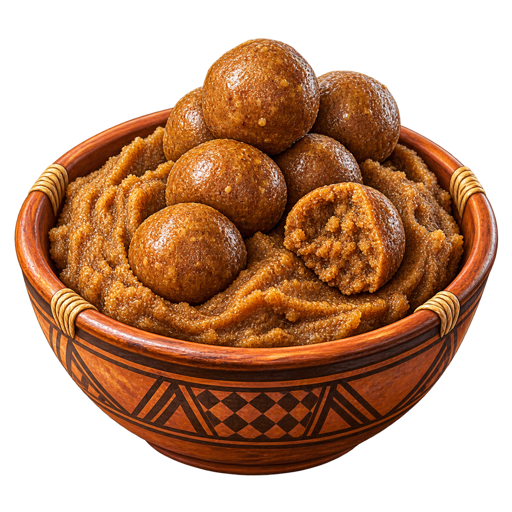
Boulghmane is toasted barley flour mixed with sugar, salt, water, and clarified butter or camel-hump fat into a dense paste or hand-formed balls, a western-Sahara pastoral travel food.
The Gambia
Buy
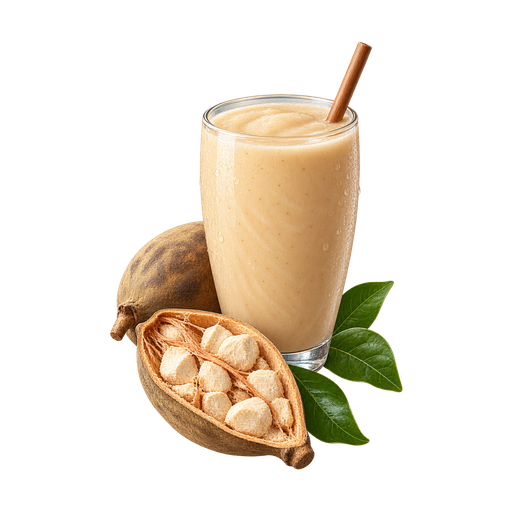
Baobab fruit pulp soaked, strained and blended with milk and sugar into a thick, tart white drink.
Mauritania
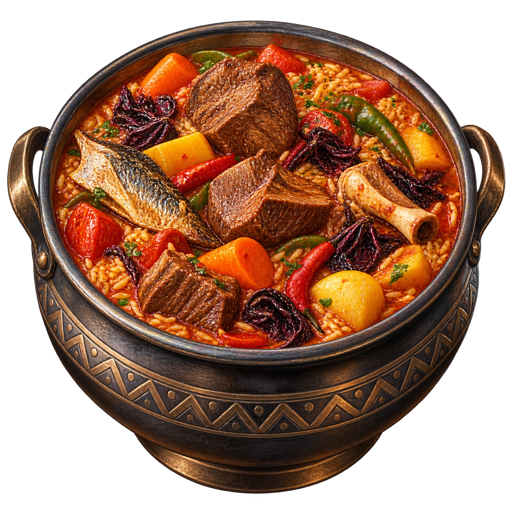
One-pot stew of camel meat, rice, and vegetables in a stock flavored with oil, tomato purée, chilies, dried fish, and bissap leaves
Eastern Mauritania (Hodh / Assaba Pastoral), Mauritania
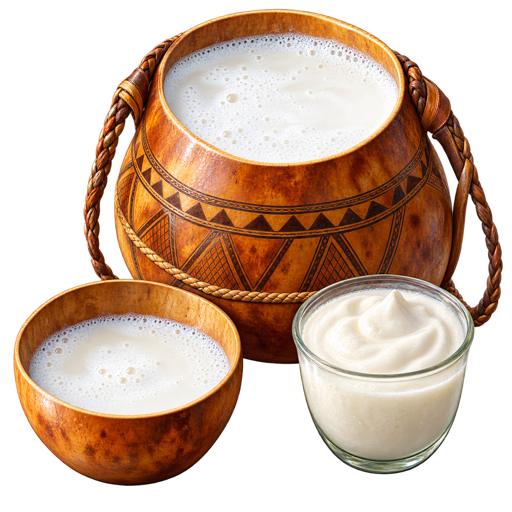
Lebben
Lebben is the named Mauritanian camel-milk drink: fresh or lightly curdled milk with a thin, frothy texture, slightly salty-sweet flavour, and a tangy fermented form served in pastoral communities.
Nouakchott, Mauritania
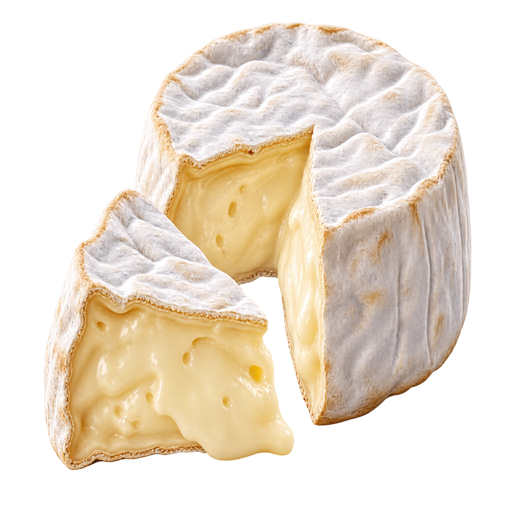
Caravane
Soft cheese made from pasteurized camel's milk; white bloomy rind, creamy interior with a slightly salty and delicately sweet flavour; created by Nancy Abeiderrhamane in the early 1990s at the Tiviski dairy in Nouakchott; one of the very few camel milk cheeses produced commercially in the world.
Eastern Mauritania (Hodh / Assaba Pastoral), Mauritania
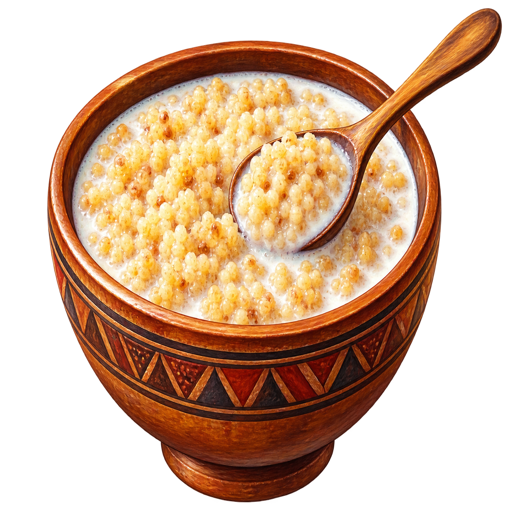
Light porridge of large-grain millet or sorghum couscous served with milk; a festive dish among the Soninké community, eaten at celebrations and as a sweet breakfast; the grains are steamed until fluffy and served in a bowl of fresh or curdled milk.
Mauritania
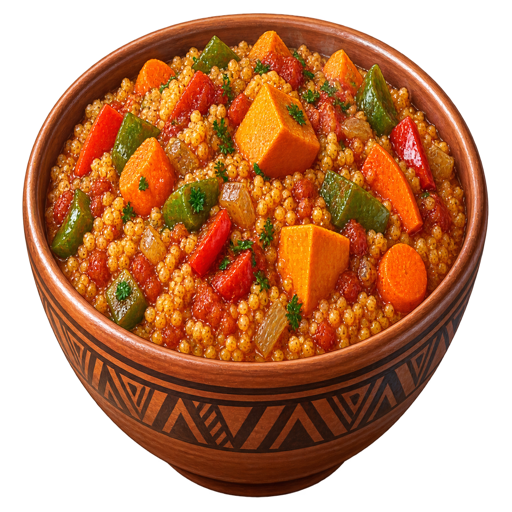
Millet cooked with a savoury vegetable sauce of tomatoes, carrots, sweet potato, bell pepper, and spices; a one-pot millet dish eaten across Mauritania, simpler than ngomou but a daily staple in the south and central regions.
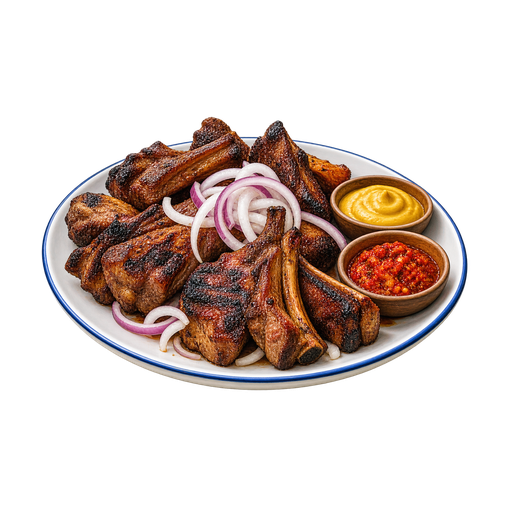
Mali
Lamb cut on the bone and grilled over wood in a dedicated dibiterie, then served on paper with raw onion, mustard and chilli.
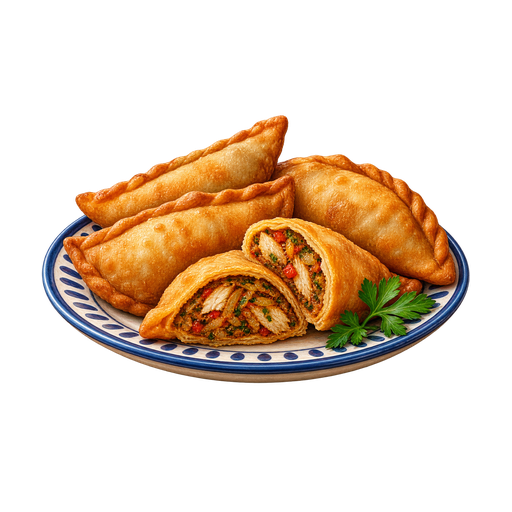
Senegal
Thin dough parcels filled with spiced fish or minced meat, folded into half-moons and deep-fried.
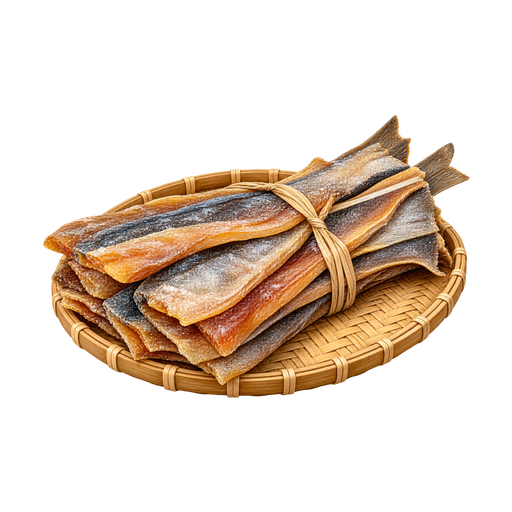
Nouadhibou, Senegal
Gejj
Fish salted and left to ferment and dry in the sun until hard, then broken into stews for depth.
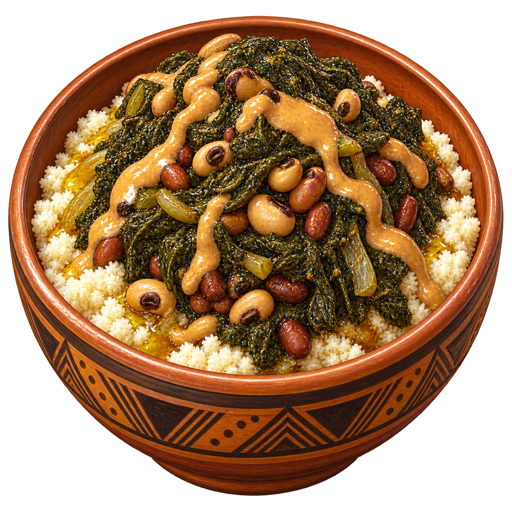
Senegal River Valley (Trarza / Gorgol / Guidimaka), Mauritania
Latchiri Haako
Sauce made from leafy vegetables — bean or cowpea leaves — served with beans over couscous, drizzled with peanut sauce and olive oil; a Pulaar and Soninke dish of the Senegal River valley, the dark leaf sauce contrasting with the white couscous.
Western Sahara
حريرة
Tomato soup thickened with lentils, chickpeas, herbs, and sometimes vermicelli, finished with a little flour.

The Gambia
Bissap
Dried hibiscus calyces steeped with sugar, mint and sometimes orange-blossom water into a deep red drink served ice-cold.
Northern Mauritania (Nouadhibou / Tiris Zemmour), Mauritania
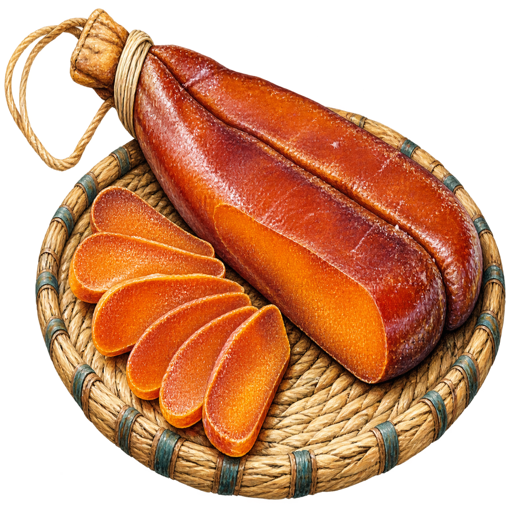
Poutargue Imraguen
Salt-cured mullet roe produced by Imraguen women on the Banc d'Arguin coast; the roe pouches are extracted from golden mullet, salted, pressed, and sun-dried for weeks; a traditional coastal delicacy undergoing GI registration; one of the few preserved-fish traditions of the Atlantic Sahara.
Nouadhibou, Senegal
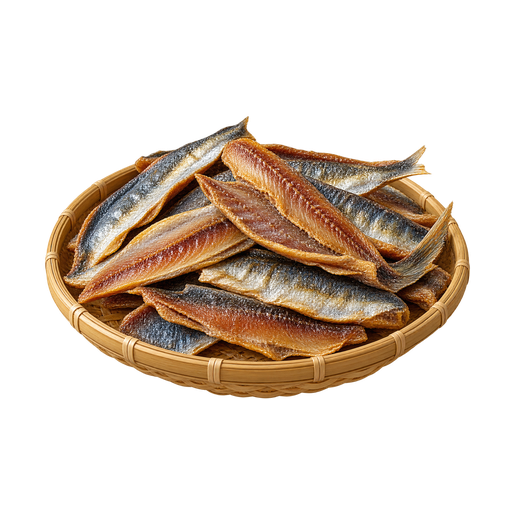
Ketax
Sardinella salted, smoked and dried into stiff, oily fillets used in rice dishes and bean stews.
Mauritania
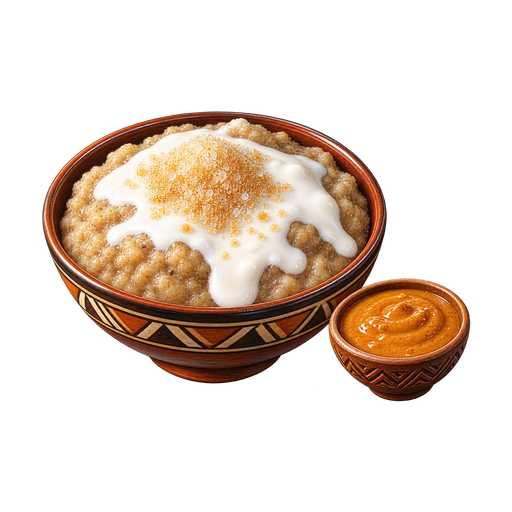
Laax
Coarse millet porridge cooked thick and served cold under sour milk and sugar, sometimes with a peanut and baobab sauce.
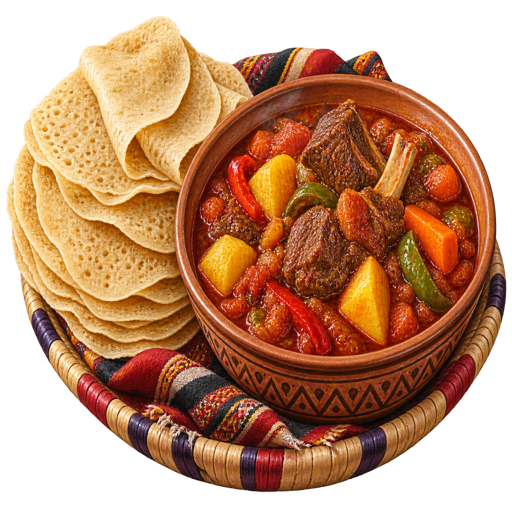
Adrar-Tagant (Date Oases / Taguella), Mauritania
Lamb stew with tomatoes, potatoes, carrots, and bell peppers served over thin millet-wheat pancakes; the pancakes are torn and rolled by hand to scoop up the stew; a Moor specialty of the Adrar region.
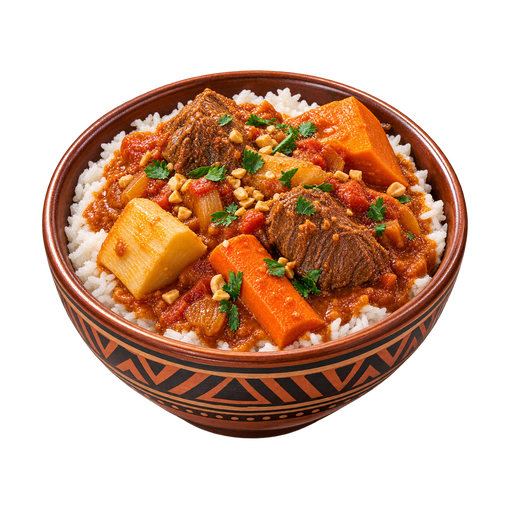
The Gambia
Sauce d'arachide
Beef, lamb or chicken stewed in a groundnut paste and tomato sauce with cassava, carrot and sweet potato, served over rice.
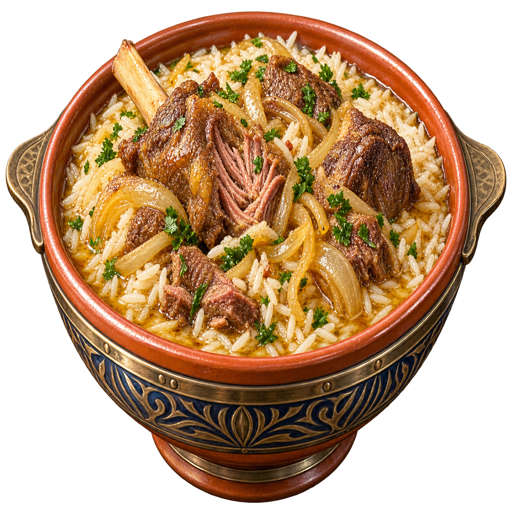
Mauritania
One-pot dish of lamb or goat meat with rice in an onion base; a variant of chubbagin with a lighter sauce and no tomato; flavored with onions, oil, and mild spices; a simple, everyday rice-and-meat dish across Mauritania.
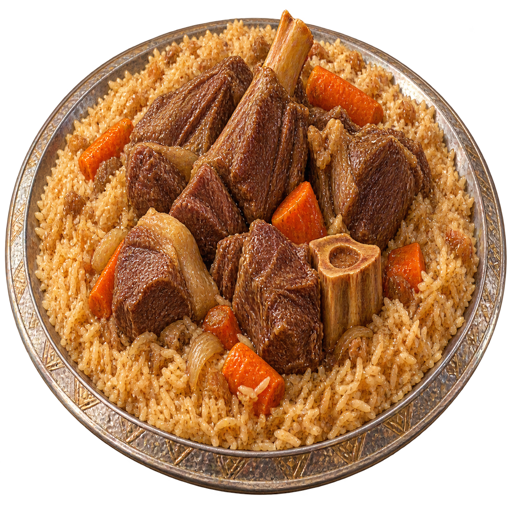
Western Sahara
Marou wa lham
Maru we-llham is rice cooked slowly in a lightly salted meat sauce, with the meat arranged at the centre; Sahrawi and Mauritanian versions commonly use camel or other meat.
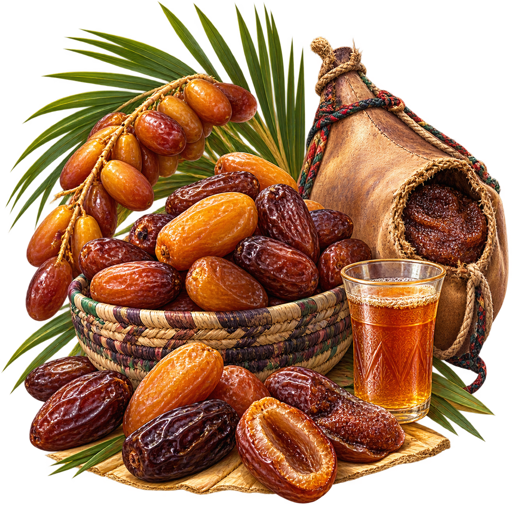
Adrar-Tagant (Date Oases / Taguella), Mauritania
Tamr
Dates grown in the oasis regions of Adrar, Tagant, Assaba, and Hodh; over 100 varieties harvested during the Guetna season (July–September); a staple energy food, eaten fresh, dried, or pressed into skins as paste for long-term storage; the date palm is central to oasis agriculture and Mauritanian hospitality.
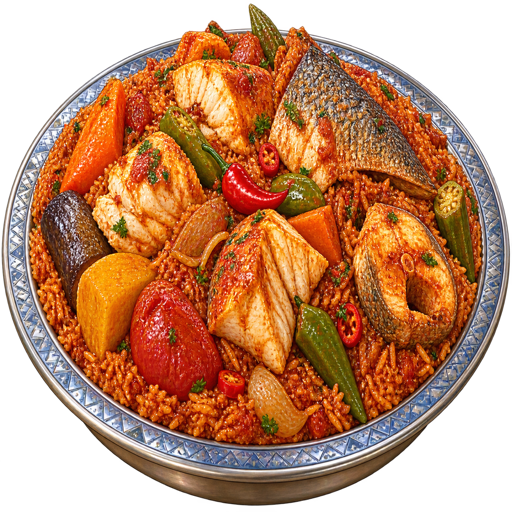
Mauritania
Chubbagin Lélé et Raabie
Fish and rice cooked with vegetables in a tomato and chili sauce; the Mauritanian version of Senegalese ceebu jën, adapted with local fish from the Atlantic coast and Mauritanian spice preferences.
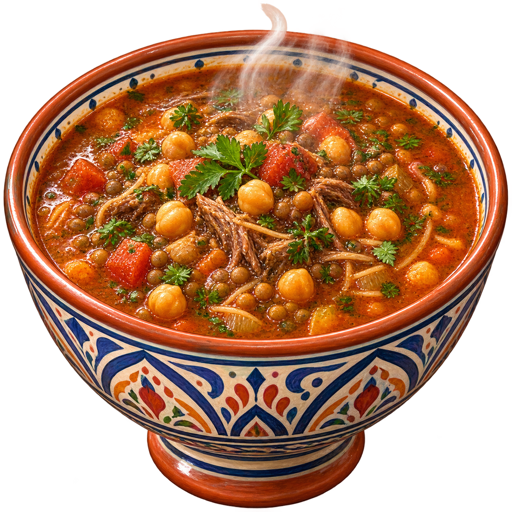
Mauritania
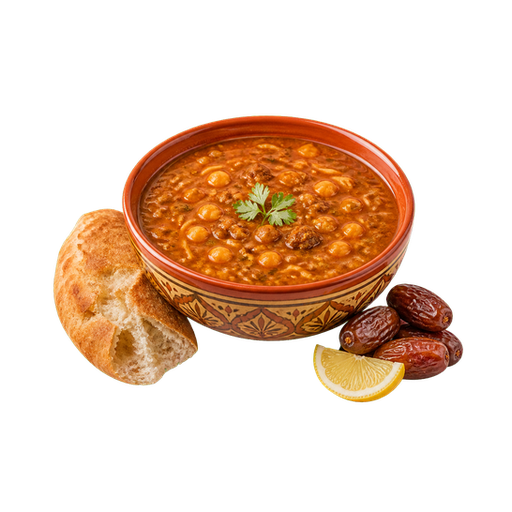
Moroccan-inspired soup of meat, chickpeas, lentils, tomatoes, and herbs; the traditional Ramadan iftar dish in Mauritania, adapted from Moroccan harira with local spice preferences; served with dates and bread to break the fast.
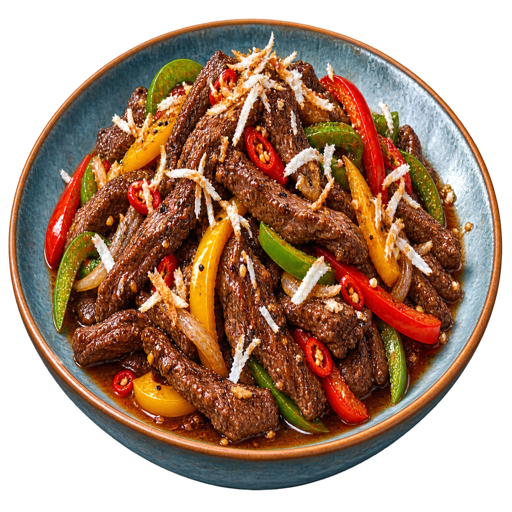
Mauritania
Thinly sliced beef steak fried with garlic, black pepper, bell peppers, chilies, and Tabasco, finished with shredded coconut, coconut water, soy sauce, and bouillon; a modern urban dish reflecting Creole and Asian influence in Nouakchott restaurants.
Senegal
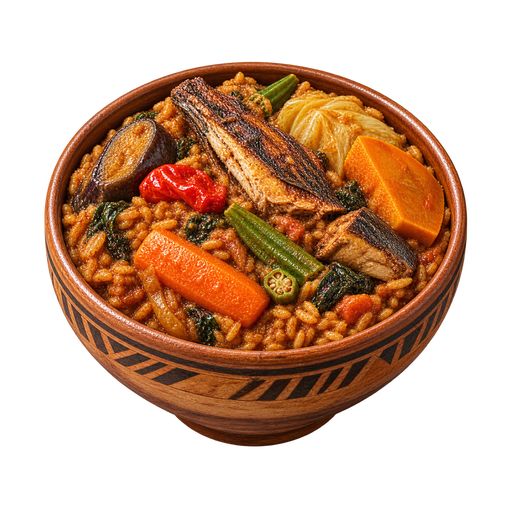
Mbaxal
Rice cooked with groundnut paste, dried fish and vegetables into a thick, savoury one-pot.
Western Sahara
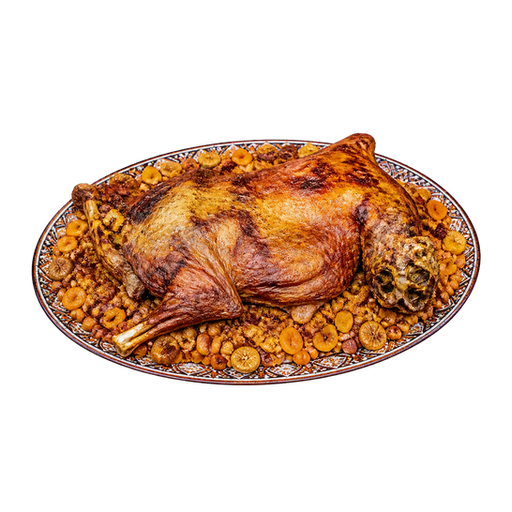
مشوي
Whole lamb slow-roasted over coals until the skin is crisp and the meat pulls away from the bone.
Morocco
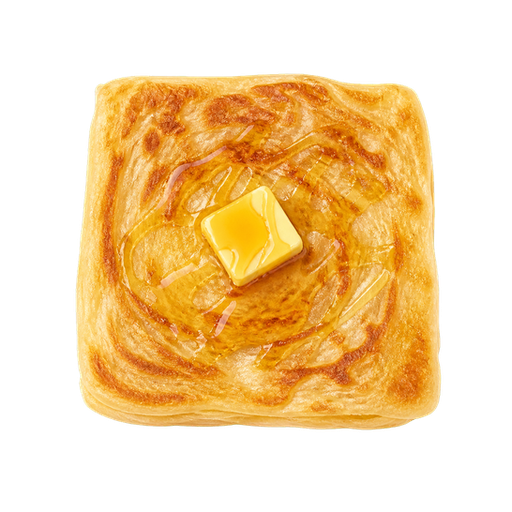
مسمن
Square layered Moroccan flatbread made by stretching, folding, and pan-frying oiled dough.
Senegal
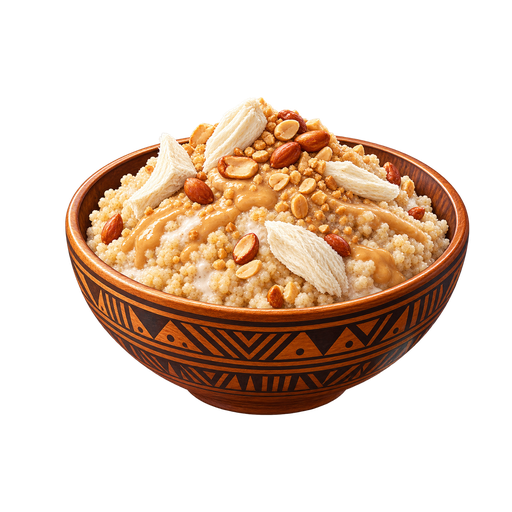
Ngalax
Millet couscous mixed with baobab fruit pulp and groundnut paste, sweetened and eaten cold.