
 A first taste
 Soups3
 Stews2
 Porridge2
 Herbal Drinks2
 Beer2
 Wine1
 Street Snacks1
 Puddings1
 Pastries1
 Nuts & Seeds1
 Meatballs1
 Juice1

Central African Republic · Cameroon +2
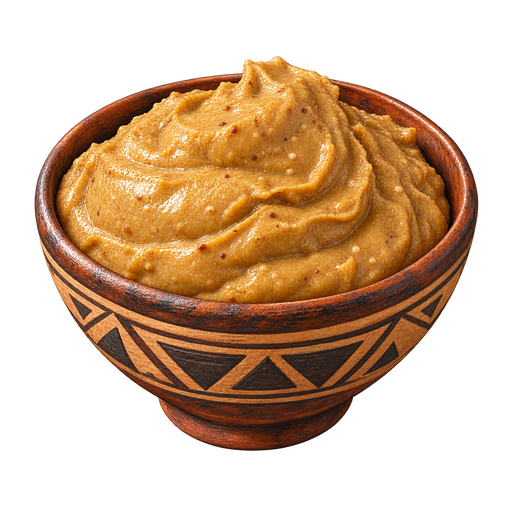
Akpakpa
Egusi are protein-rich seeds from certain cucurbit plants, dried and ground for use in soups and stews.

Middle Africa
Explore 20 foods connected to Central African Republic, from everyday staples to local specialties.
A first taste
A place to start
8 foods to introduce you to Central African Republic.
Open the guide →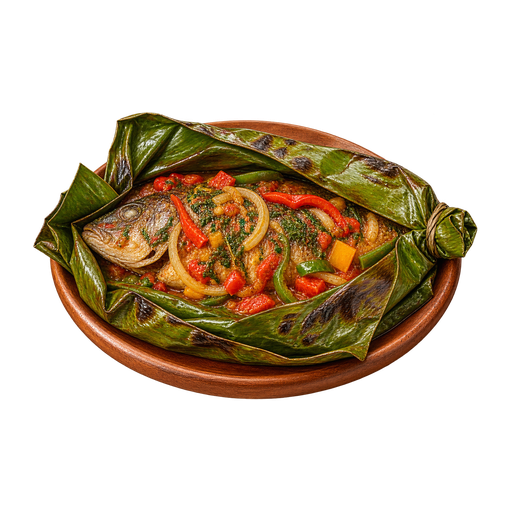
Food directory
Filter by category, type or rarity, or search by name.
Central African Republic · Cameroon +2
Egusi are protein-rich seeds from certain cucurbit plants, dried and ground for use in soups and stews.
Central African Republic
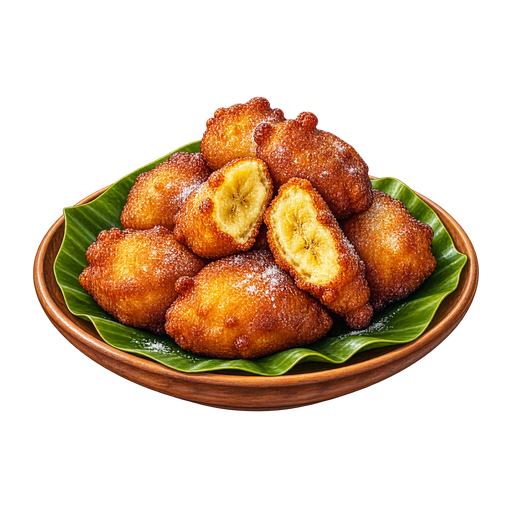
Macara ti Fôndô
Ripe bananas dipped in a light batter and deep-fried until puffed and golden, then dusted with sugar; a popular sweet snack and dessert in the Central African Republic.

Central African Republic
Gozo
A dense, sticky paste of fermented cassava flour cooked into a smooth dough; torn into pieces and used to scoop up sauces and stews across the Central African Republic.

Central African Republic
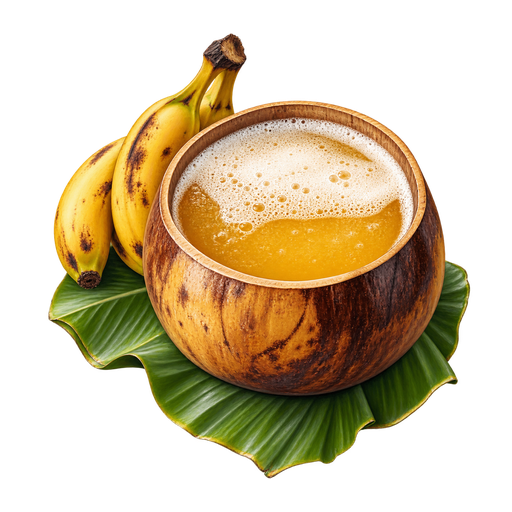
Banana Beer
A fermented banana drink; grain ingredients such as sorghum or millet occur in some recipes, and preparation and alcohol strength vary.
Central African Republic
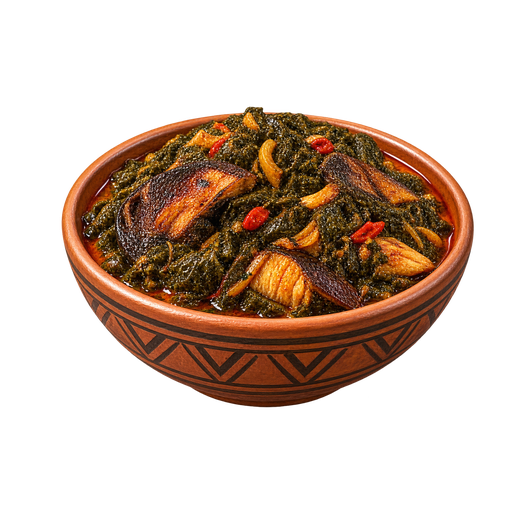
Koko ya
A Central African preparation of finely shredded Gnetum leaves, known locally as koko, cooked in a sauce or stew; fish, meat, groundnuts and other additions vary.

Central African Republic
Kanda
Central African meatballs served in sauce. One form combines beef and ground pumpkin seeds with tomato sauce; the included kanda ti nyma form uses an okra-and-peanut sauce.
Central African Republic
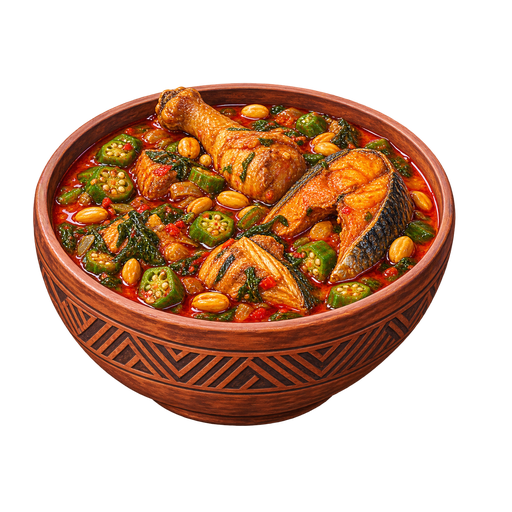
Palm Butter Soup
A red soup made from pounded palm-fruit pulp simmered with ingredients such as chicken, smoked fish, peanuts, okra or greens, served with fufu or rice.
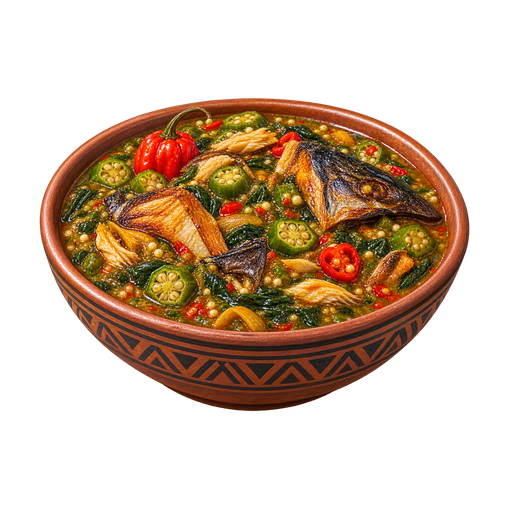
Central African Republic · Gabon
An okra soup or sauce simmered with dried or smoked fish, onions, garlic and hot peppers, served with fufu or rice.
Nigeria · Cameroon +8
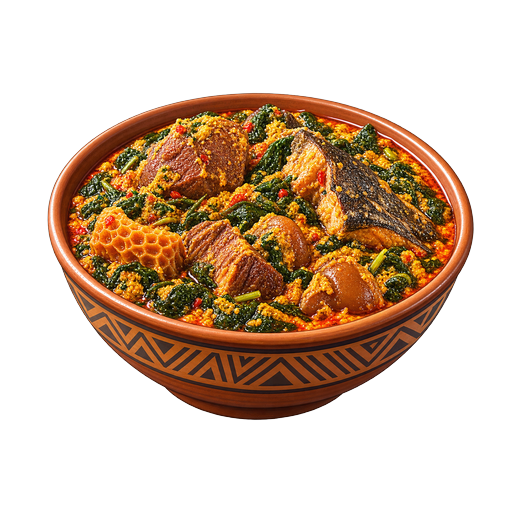
Egusi
A soup made with ground egusi seeds, often with palm oil, vegetables, meat or fish; texture varies with the method.
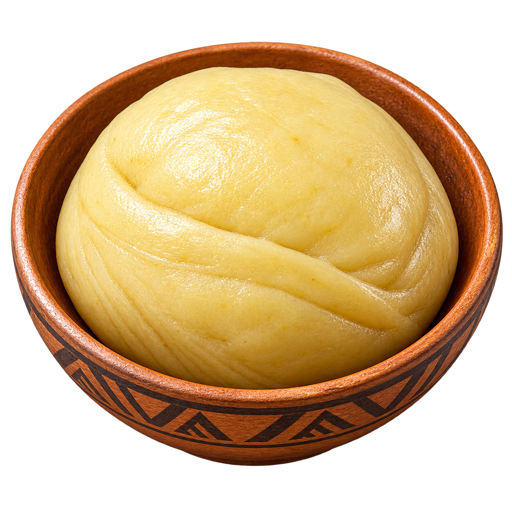
Central African Republic · Côte d'Ivoire +2
A smooth pounded staple made from boiled plantain, cassava or yam, alone or in mixtures. It is shaped into portions and eaten with sauces such as palm-nut, groundnut or okra sauce.

Cameroon · The Gambia +5
Ginger blended with water, lemon and sugar, then strained into a cold drink.

Mali · Guinea-Bissau +20
Bissap
A drink made by steeping dried hibiscus calyces in water, often sweetened. Mint, cinnamon, citrus and other flavourings vary; it may be served hot, chilled or packaged.
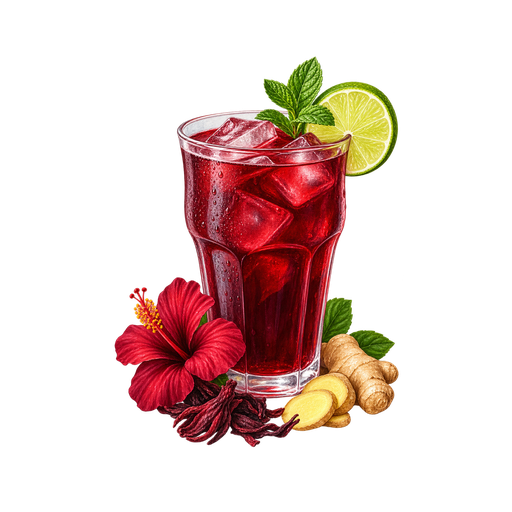
Central African Republic
Dried hibiscus calyces and fresh ginger steeped in hot water, sweetened and served chilled; a deep-red, tart drink.
Central African Republic · DR Congo
Fish fillets steamed in banana or cassava leaves over a bed of onions, garlic, tomatoes, parsley and hot peppers; eaten in the Central African Republic and the Congo basin.
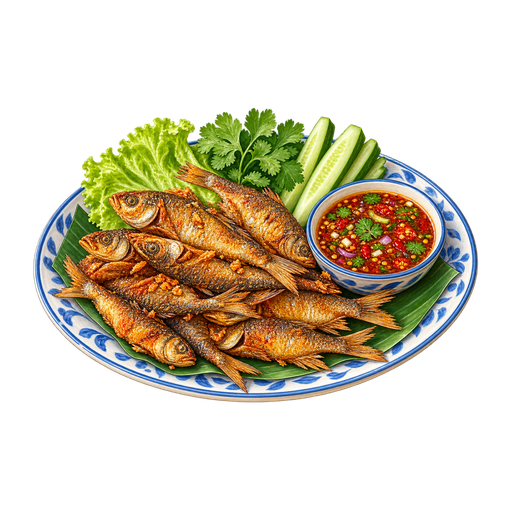
Central African Republic
Central African fried dough fritters, often made with flour, yeast and water. Recipes include plain, egg or banana versions, and savoury versions made with legumes.

Central African Republic
Mocaf
A beer brand from the Central African Republic associated with the MOCAF brewery.
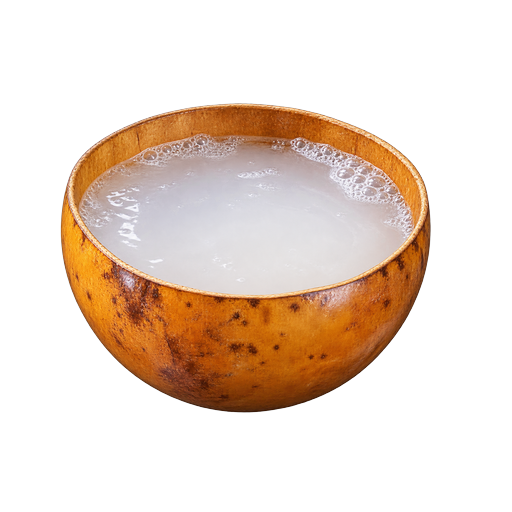
Sierra Leone · Liberia +25
Emu
A fermented drink made from tapped palm sap, with palm species and production practices varying by region. Philippine tuba includes coconut or nipa sap and bark-treated or untreated styles; Indonesian palm-sap tuak belongs to this broad wine family. Sweetness, acidity and strength change with fermentation and age. In Kwango, malafu has ceremonial importance among Yaka communities.

Central African Republic
Gnian
Tender leafy greens stewed with ground peanuts, onions and palm oil into a thick, nutty sauce; a home-style vegetable dish served with fufu or rice.
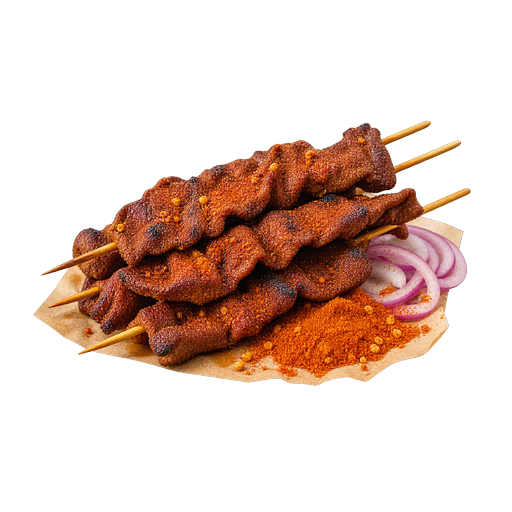
Niger · Togo +7
Seasoned grilled meat known by names such as suya, soya, chichinga or tchintchinga. Beef, chicken, pork, goat, mutton or offal may be used, on skewers or in pieces; spice mixtures and the use of groundnuts vary.
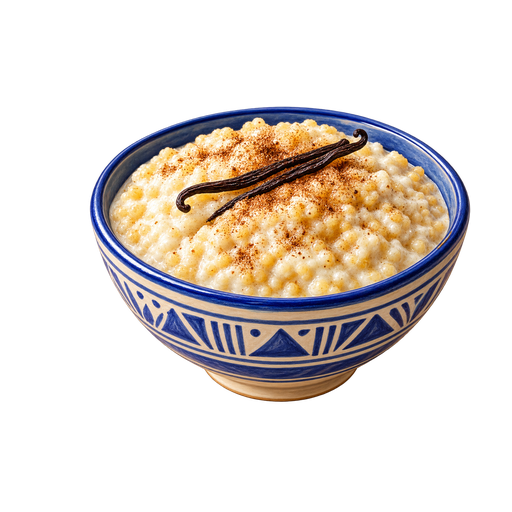
Mali · The Gambia +7
Caakiri
Cooked or steamed grain granules, often millet or couscous, mixed with sweetened curdled milk or yoghurt. Known as thiakry, dégué or caakiri, it has variations in dairy ingredients, spices, fruit and serving temperature.