
Game
Muttonbird
Tītī
New Zealand
Young sooty shearwater (tītī) harvested each autumn under Rakiura Māori customary rights on the islands around Stewart Island, salted and traditionally stored in kelp bags; dark, oily, intensely savoury meat.
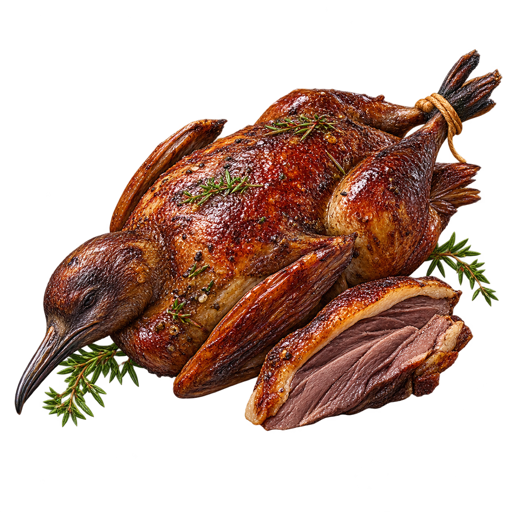
Original eatfuls sticker artwork
What it is
A closer look at Muttonbird.
Young sooty shearwater (tītī) harvested each autumn under Rakiura Māori customary rights on the islands around Stewart Island, salted and traditionally stored in kelp bags; dark, oily, intensely savoury meat.
What to look for
Know it when you find it.
Sold salted whole from South Island butchers and markets in winter; the open harvest season runs April to May. Cook long and slow, or boil and eat with potatoes.
Where it belongs
Origins and
traditions.
Food rarely respects a border. These are the places the dataset connects most strongly to Muttonbird.
Names around the table
One food, more than one name.
Keep exploring
If this caught your eye…
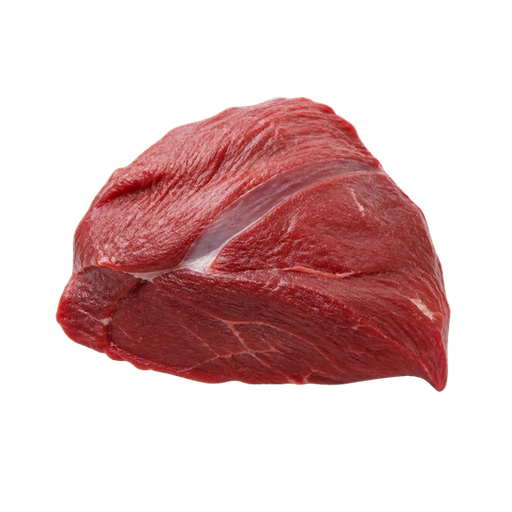
Sweden
Moose Meat
Älgkött
Large game meat from Swedish forests, traditional hunting food, lean and rich in flavor.
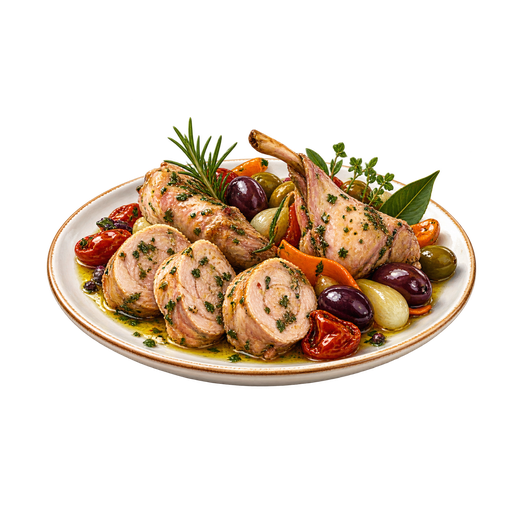
Piedmont, Italy
Antipasto di coniglio
In Piedmont, Antipasto di coniglio is rabbit marinated and braised with olives, wine, garlic, and herbs.
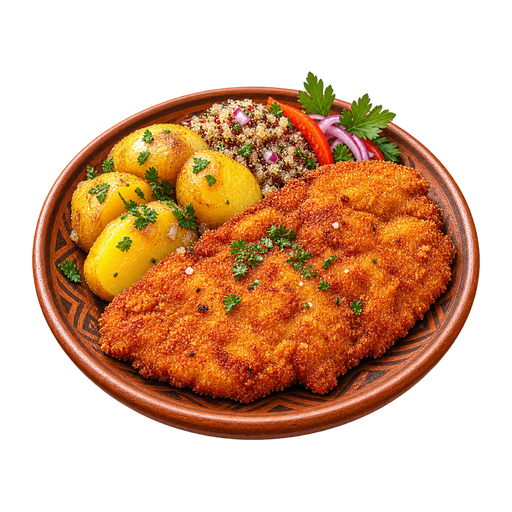
Cusco, Peru
Apanado de Alpaca
Cusco alpaca cutlet breaded and fried, served with potatoes or Andean grains.
Peru
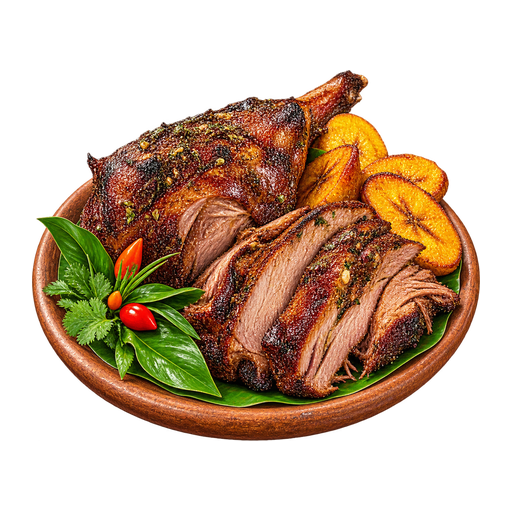
Asado de Picuro
Farmed majaz roasted in Madre de Dios; the copy distinguishes legal farmed game from protected wildlife.
Australia
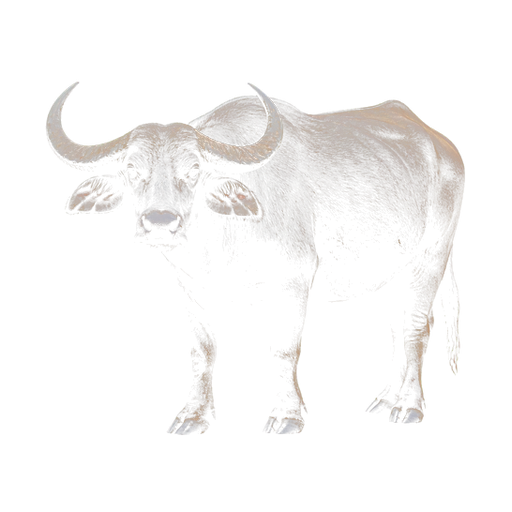
Buffalo
Water Buffalo
Lean red meat from feral water buffalo in northern Australia, rich flavour similar to beef, good marbling with rich colour and properly aged, a unique Northern Territory game meat.
Belize
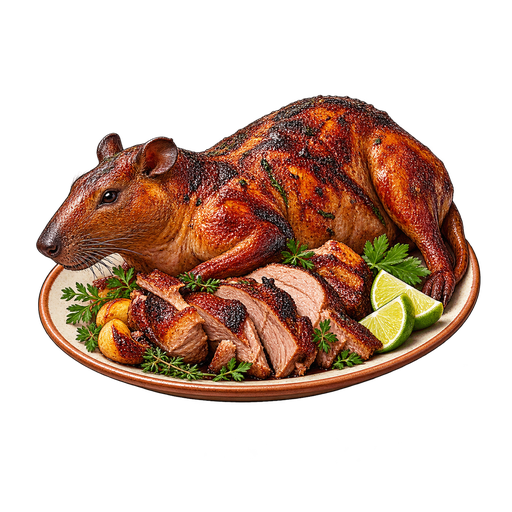
Gibnut
A Belizean dish of roasted or stewed gibnut, a large Central American rodent prized for its tender, pork-like meat; famously served at royal visits.
Lombardy, Italy
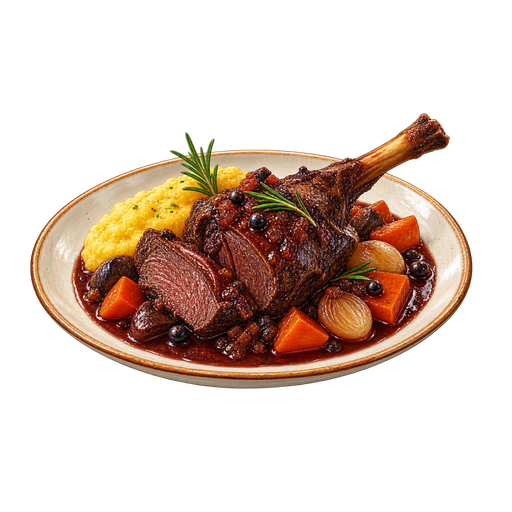
Camoscio in salmi
In Lombardy, Camoscio in salmi is chamois marinated and braised in red wine with juniper.
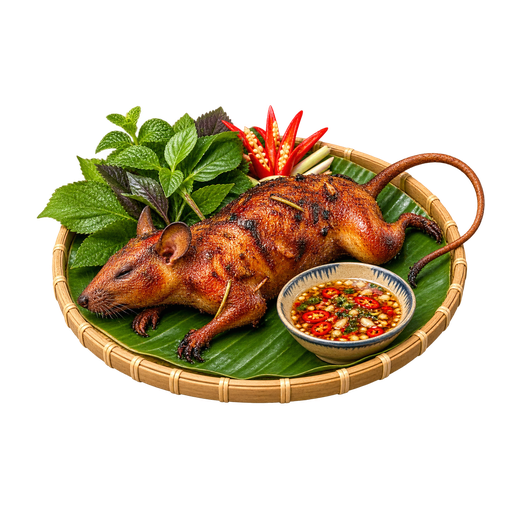
Vietnam
Chuột đồng quay lu (Rice Field Mouse Roasted in a Vase)
Chuột đồng quay lu
Chuot dong quay lu, rice-field rat roasted in a jar, is a named Mekong dish. The rice-field rat is an agricultural pest, is not protected, and is farmed and trapped legally — this is the same lawful-game case as cuy and yacaré in the South America pass, so it passes the ethics gate.