
Cheeses
Limburger
Belgium

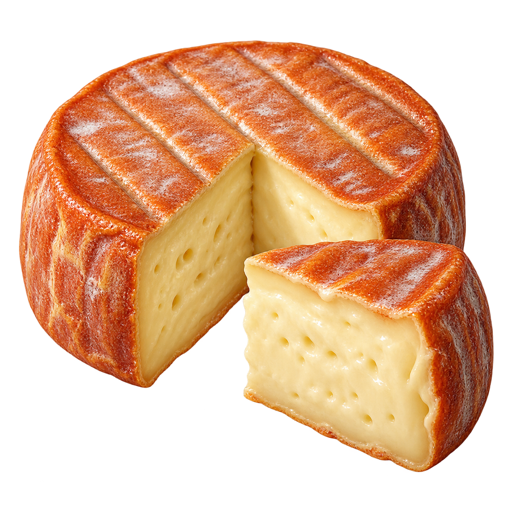
Limburger is a soft cow’s-milk cheese with an orange-red washed rind and a pungent aroma; strength varies with ripeness.
 Cheeses
A closer look
 A closer look
What to look for.
Look for a soft, pale centre beneath an orange-red rind, often in a rectangular block; check the producer label for the cheese’s actual place of manufacture.
Geographic connections
Places and
traditions.
Explore the places connected to Limburger, from possible origins to local traditions.
Other names & spellings 1
Keep exploring
More foods to discover.

Mongolia

Aarts
Аарц
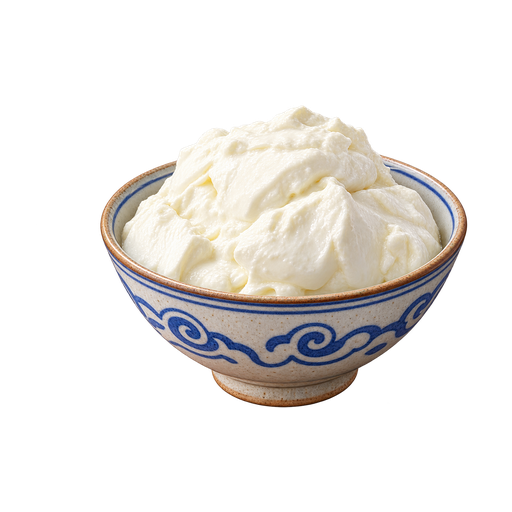
A sour fresh curd obtained from fermented milk, including the strained residue of milk-spirit distillation; it can be eaten fresh or dried into aaruul.

Mongolia
Aaruul
Ааруул
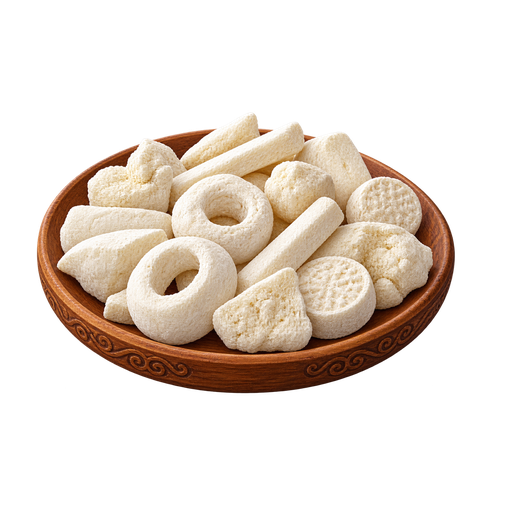
Curd pressed or shaped and dried into a firm Mongolian snack; forms range from hard pieces to smaller, more readily chewed strands.

Auvergne-Rhône-Alpes, France

Abondance
Semi-hard mountain cheese from Haute-Savoie with fruity nutty flavor.
Tuscany, Italy

Accasciato
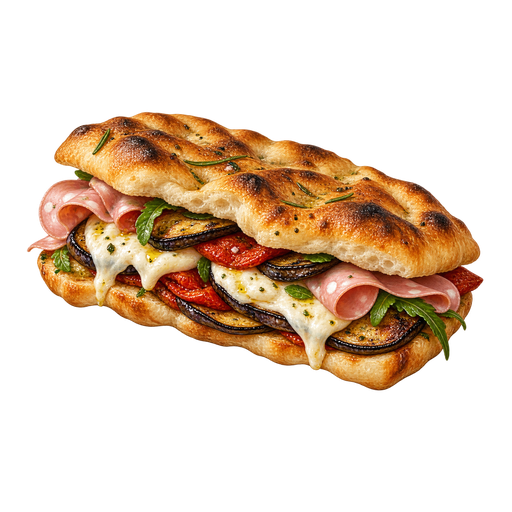
A soft Tuscan cheese associated with the Garfagnana, made from sheep’s milk or a mixture of sheep’s and cow’s milk. Its name refers to the way its form slumps after it is removed from the mould; it is eaten fresh or briefly matured.
Italy
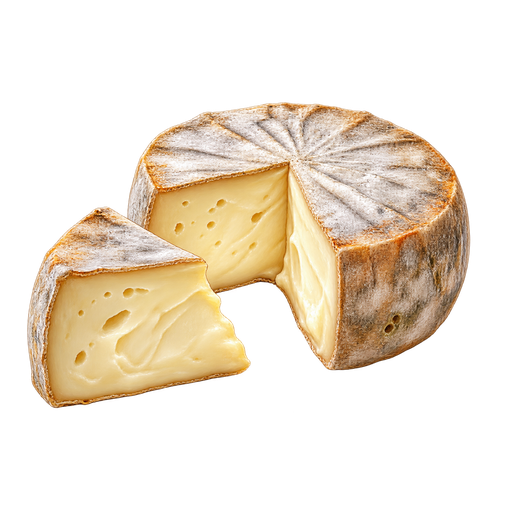
Acceglio
A fresh cheese traditionally made from raw cow’s milk in Acceglio, in Piedmont’s Cuneo province.

Adjara, Georgia

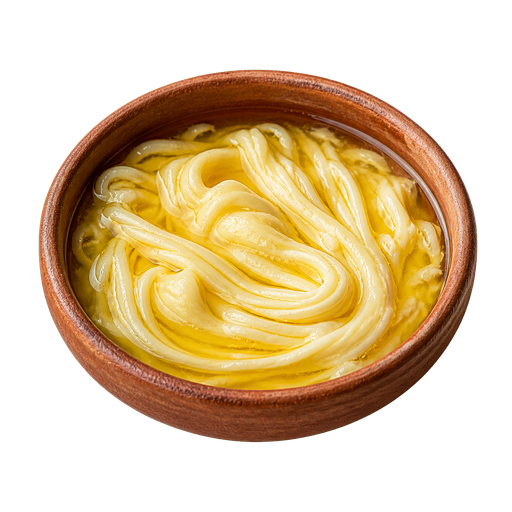
Adjarian Cheese in Butter
Ბორანო
Young cheese melted in clarified butter until it separates into strings sitting in a pool of golden fat, eaten with bread.
Veneto, Italy
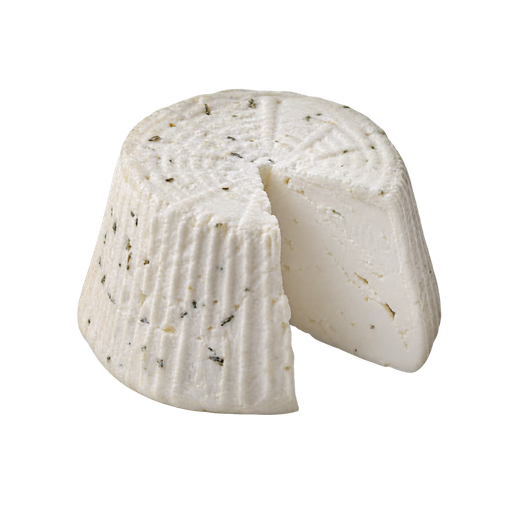
Acidino
A fresh, soft goat’s-milk cheese from Veneto’s Asiago plateau, particularly Lusiana. Its small white forms are mildly tangy and may be mixed with fresh mountain herbs. It is sold soon after production, in short logs or truncated cones.
North Caucasus, Russia

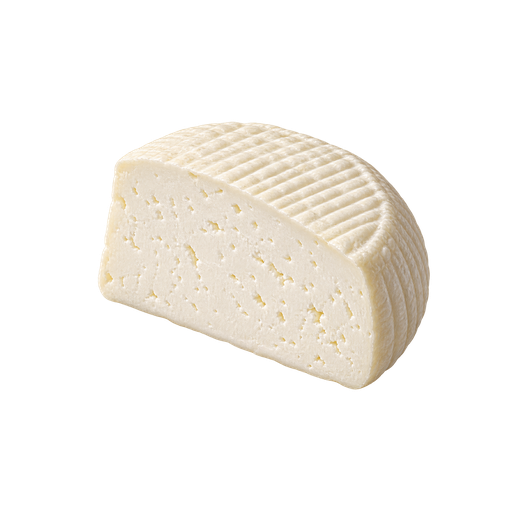
Adygei Cheese
Адыгейский сыр
Soft Circassian cheese from the North Caucasus.