country Essentials · 11 foods
Equatorial Guinea Essentials
A considered first route through Equatorial Guinea: the foods that carry its everyday habits, celebrations, ingredients, and memory.
Explore all Equatorial Guinea foods →THE
ESSENTIALS
The complete shortlist
11 foods to know.
Each selection includes the reason it belongs here—so this is a guide, not just a pile of names.
Equatorial Guinea
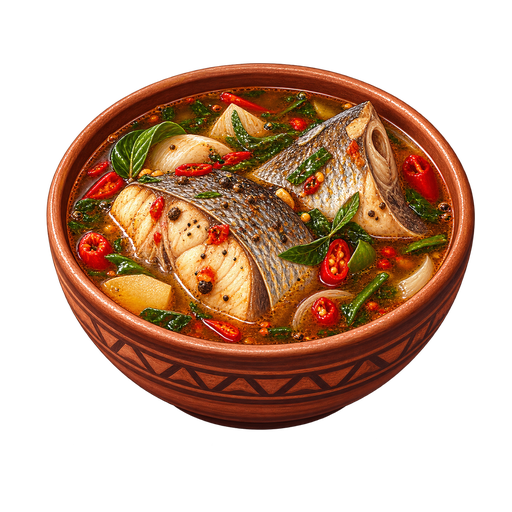
Pepper Soup
Pepesup
The national signature dish of Equatorial Guinea — a spicy fish soup with white fish, tomatoes, onions, garlic, ginger, Scotch bonnet peppers, and palm oil; fiery and aromatic; served with cassava or plantains; the dish that defines Equatoguinean cuisine.
Río Muni Interior (Kie-Ntem / Wele-Nzas / Centro Sur), Equatorial Guinea
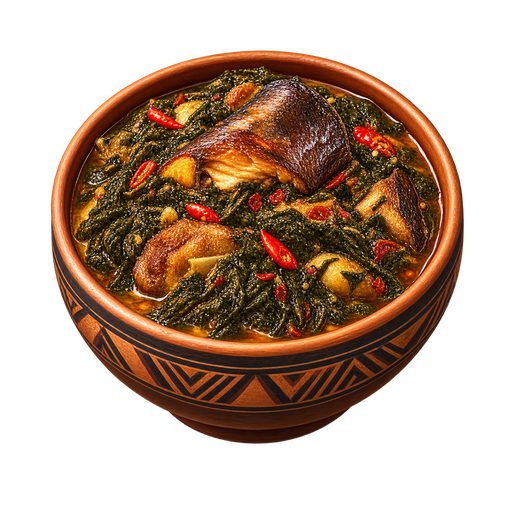
Bambucha
The Fang people's signature ishtu — crushed cassava leaves simmered with palm kernel juice, palm oil, spices, and smoked fish; the leaves are toxic when raw and must be thoroughly cooked; the defining dish of the Río Muni mainland.
Cameroon
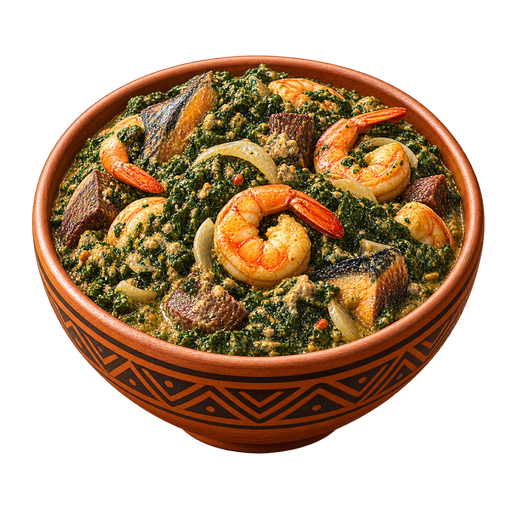
Ndolé
Ndole
A rich ishtu of bitter leaves, groundnuts, palm oil, and crayfish with fish, beef, or chicken; adopted from Cameroon but now firmly Equatoguinean; served with plantains, yams, or rice; a Central African classic shared across borders.
Bioko (Island / Malabo), Equatorial Guinea
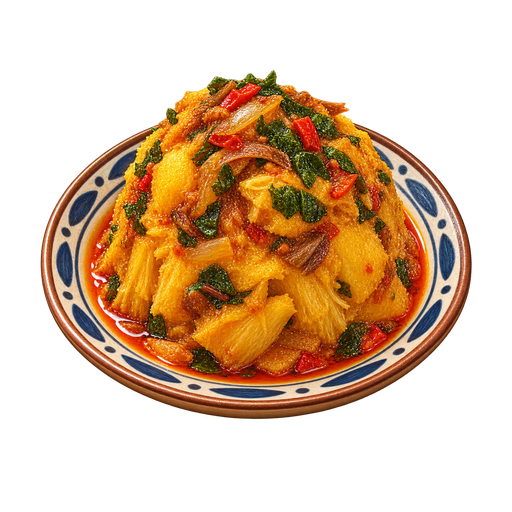
Bokao
A Bioko Island traditional dish of grin/watalif leaves, spinach, chard, eggplant, smoked fish, and palm oil; the Bubi people's ancestral green ishtu; high in nutritional value; unique to the island's forest tradition.
The Gambia
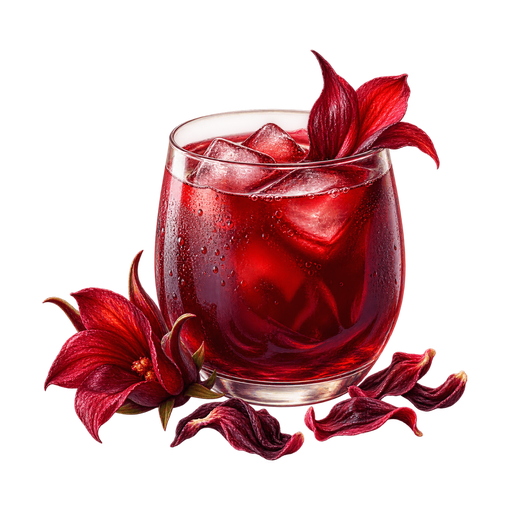
Hibiscus Juice
Bissap
The national drink of Equatorial Guinea — a milky, sweet, spiced hibiscus tea; bright red in colour with a tart flavour; served at every gathering and ceremony; the crimson welcome of Equatoguinean hospitality.
Equatorial Guinea
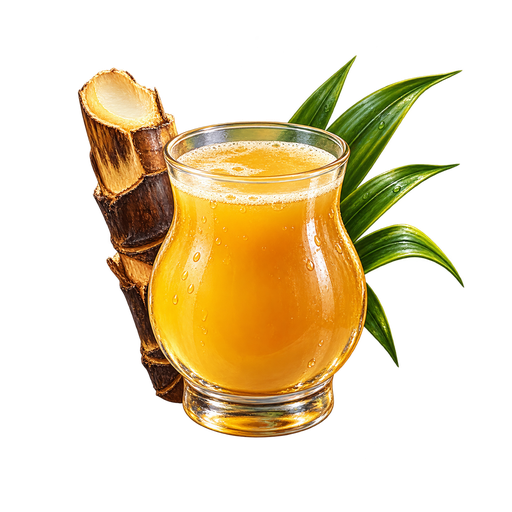
Malamba
Fermented sugarcane juice aged for about two weeks into a cloudy, mildly alcoholic beverage; unique to Equatorial Guinea; brewed at home and at village ceremonies; the ancestral drink of the Fang and Bubi peoples.
Annobón (Island), Equatorial Guinea
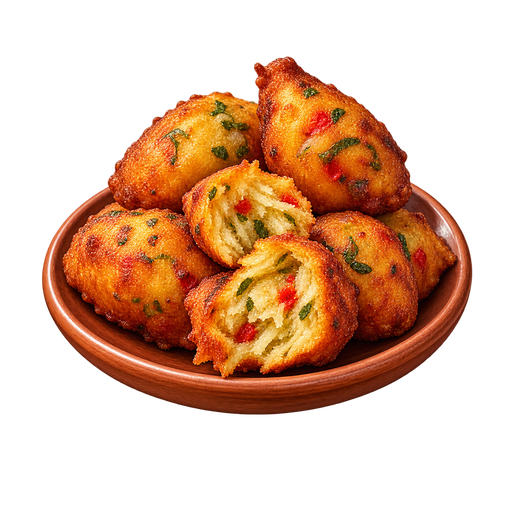
Pissoj
Annobonese bread made from grated yam or cassava with coconut milk, wrapped in banana leaves and steamed; variants include white, red (with palm oil), and coconut; unique to the isolated Annobón Island; a Creole specialty found nowhere else.
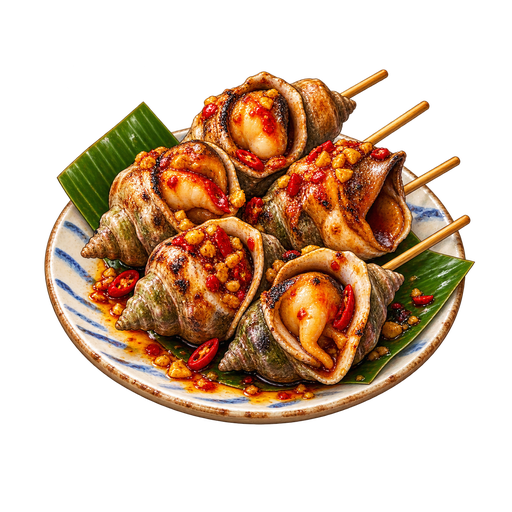
Bioko (Island / Malabo), Equatorial Guinea
Bilola
Large sea snails grilled on skewers or cooked in garlic-chili oil; a Bioko Island coastal delicacy; sold at markets on the island; the sea snail that defines Bioko's coastal cuisine.
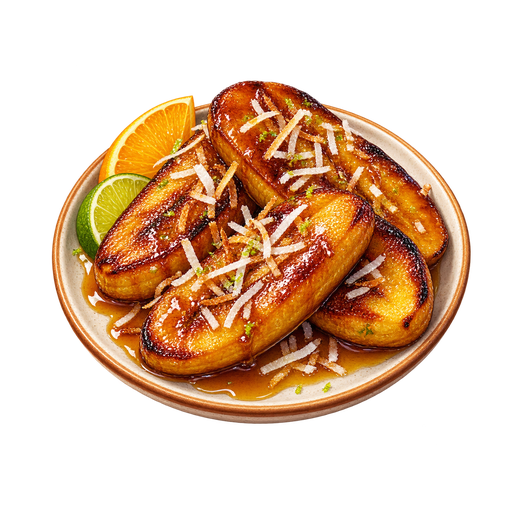
Equatorial Guinea
Akwadu
Baked bananas doused in butter, baked until golden, drizzled with citrus juice, brown sugar, and honey, topped with shredded coconut; a popular Equatoguinean breakfast or dessert; the sweet face of Equatoguinean cuisine.
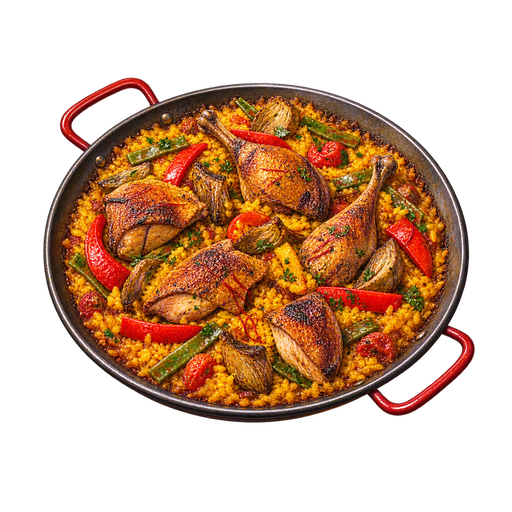
Equatorial Guinea
Guineafowl Paella
Paella de pintada
Guineafowl paella — a one-pot rice dish with guineafowl, black-eyed peas, and African spices; the Spanish-African fusion that defines Equatoguinean cuisine; black-eyed peas replace saffron; served at celebrations.
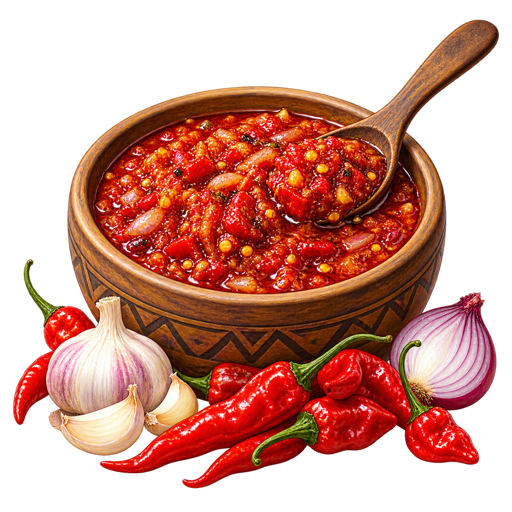
DR Congo
Congolese Hot Sauce
Pili pili
The fiery African bird's eye chili, essential to nearly every Equatoguinean dish; used in pepesup, stews, and as a condiment; the heat that defines the Equatoguinean table.