South Korea
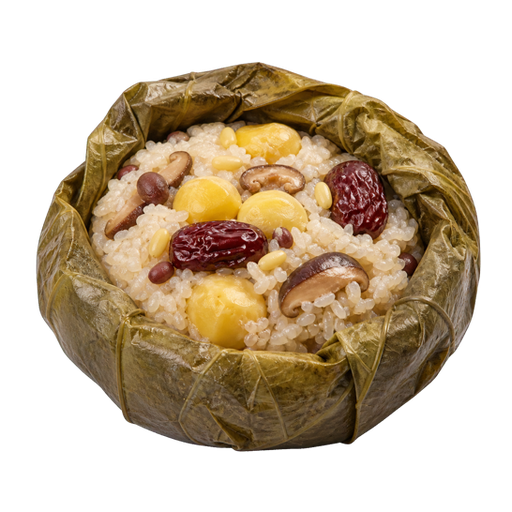
Lotus Leaf Rice
연잎밥
Rice with chestnuts, jujubes, and mushrooms wrapped in lotus leaves and steamed, a Korean Buddhist temple food with a fragrant lotus aroma.

eastern-asia
Explore 203 foods connected to South Korea, from everyday staples to rare local specialties.
Start with Lotus Leaf Rice →
The local shortlist
15 editor-selected foods for understanding the place through what people eat.
Open the guide →
The full directory
203 foods in this view. Filter by category, type, rarity, or search every recorded name.
South Korea
연잎밥
Rice with chestnuts, jujubes, and mushrooms wrapped in lotus leaves and steamed, a Korean Buddhist temple food with a fragrant lotus aroma.
South Korea
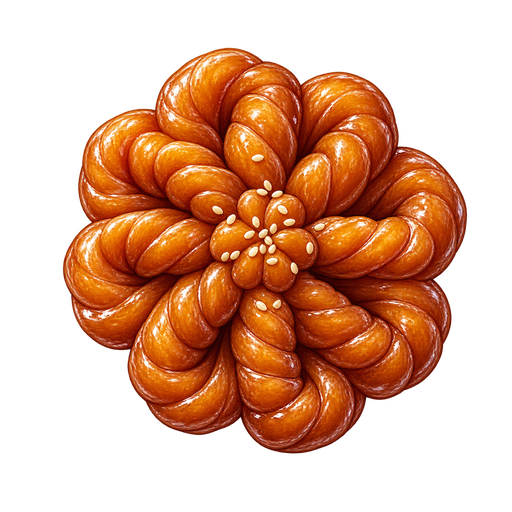
매작과
Maejakgwa is made with thin fried dough ribbons glazed with ginger syrup.
South Korea
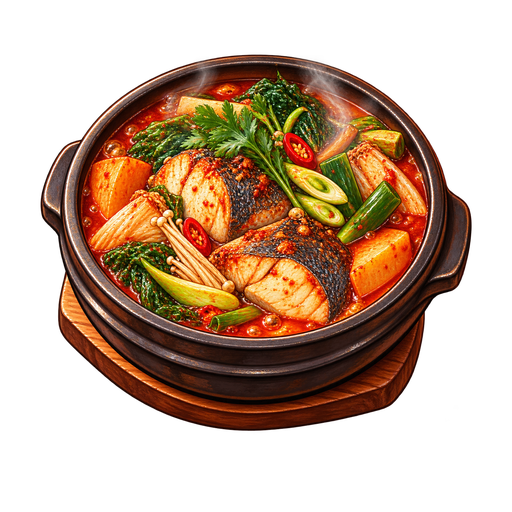
매운탕
Maeuntang, the spicy fish stew built from the frame left after raw fish is sliced, is a named Korean dish with a fixed place at the end of a hoe meal.
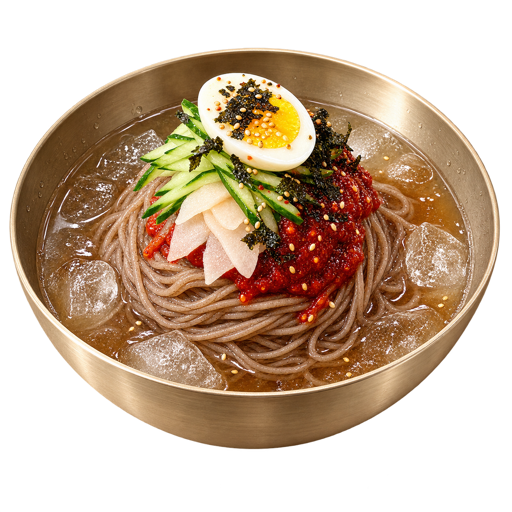
Gangwon, South Korea
막국수
Cold buckwheat noodles served with a crisp broth or spicy dressing, the named noodle dish of Gangwon's mountain towns.
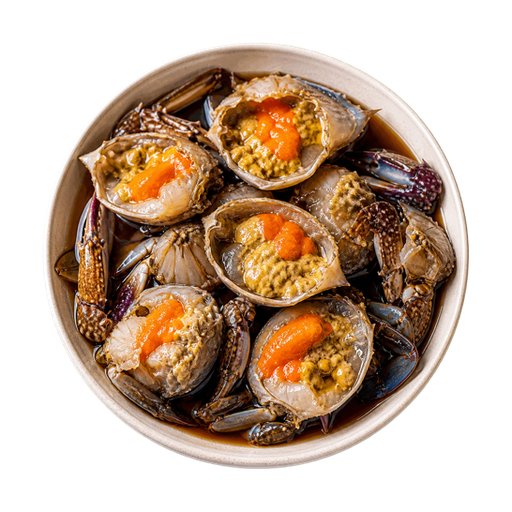
South Korea
게장
Raw crabs marinated in either soy sauce (ganjang gejang) or a spicy gochujang sauce (yangnyeom gejang), prized for the rich crab roe.
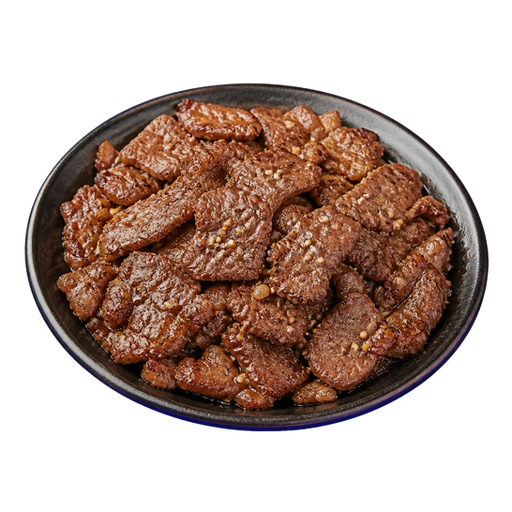
South Korea
목살주물럭
Pork neck (moksal) marinated with sesame oil, garlic, salt, and pepper, then grilled as jumulleok.
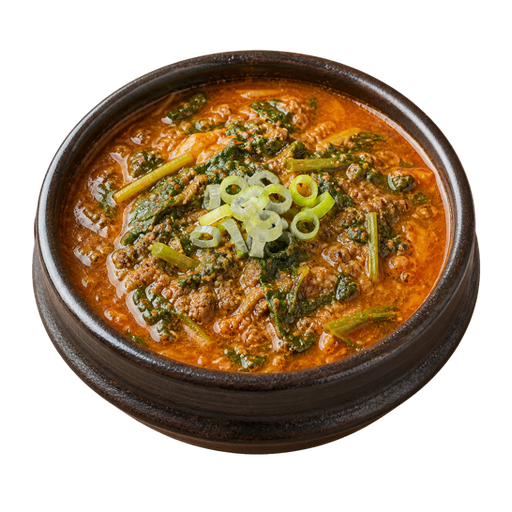
South Korea
추어탕
A hearty, spicy soup made with ground mudfish (loach), doenjang, gochujang, and vegetables, a traditional health food.
Seoul, South Korea
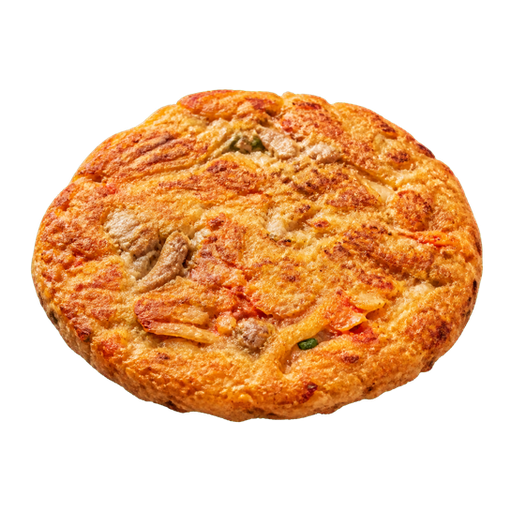
빈대떡
A crispy pancake made from ground mung beans with kimchi and pork, a specialty of Gwangjang Market in Seoul.
South Korea
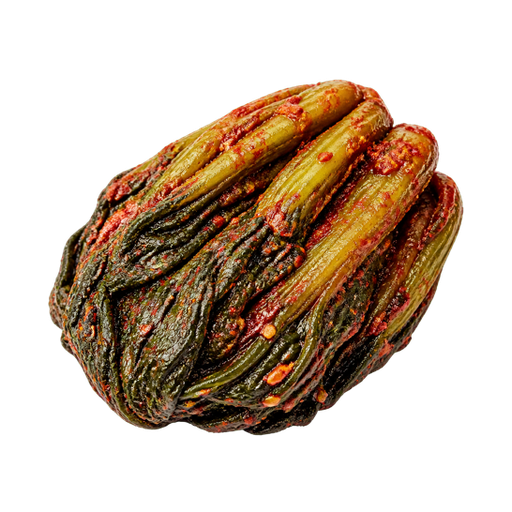
갓김치
Pungent mustard leaves fermented with chili paste and anchovy sauce, a bold and peppery kimchi from the Jeolla region.
North Korea
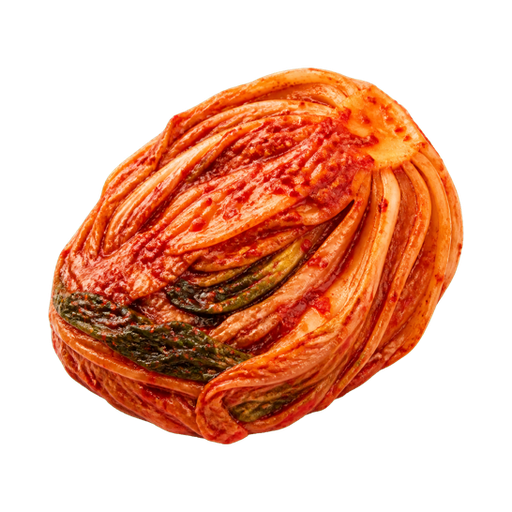
배추김치
The essential Korean kimchi: napa cabbage coated with gochugaru, garlic, ginger, and salted seafood (jeotgal), then fermented.
South Korea
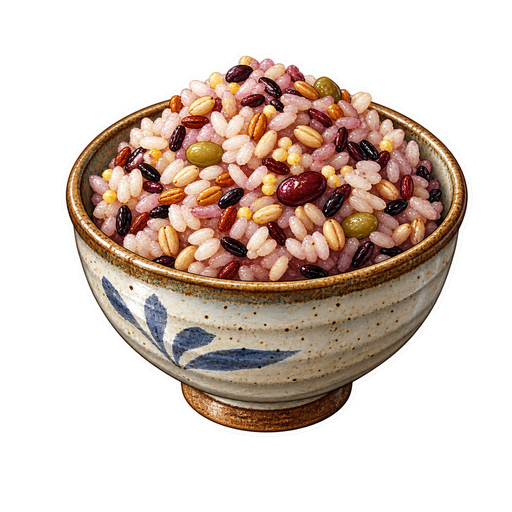
오곡밥
Ogokbap, five-grain rice eaten at Jeongwol Daeboreum with nine kinds of dried vegetable, is a named calendar dish with a hard lunar window.
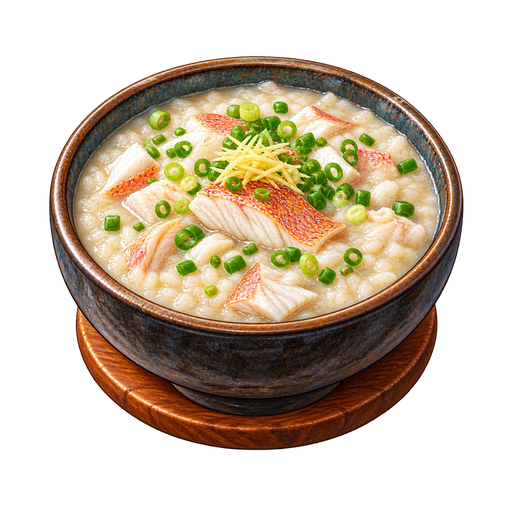
Jeju, South Korea
옥돔죽
A Jeju porridge of tilefish (okdom), simmered into a delicate, savoury congee.
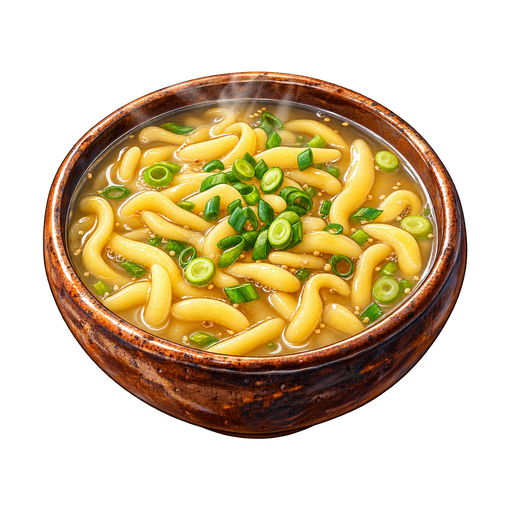
Gangwon, South Korea
올챙이국수
Olchaengi guksu, corn-starch noodles pushed through a perforated plate so they fall like tadpoles, is a named Gangwon dish and a distinctive technique.
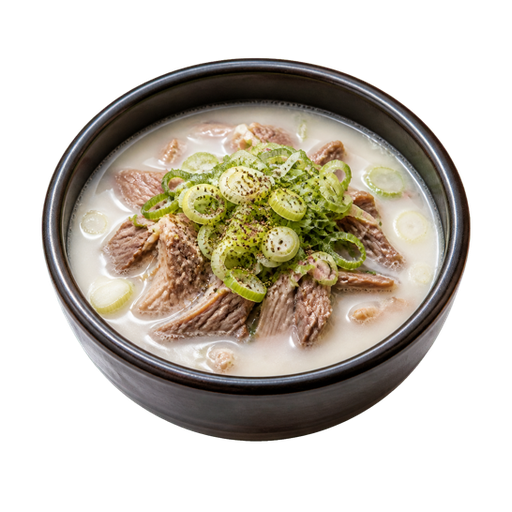
South Korea
설렁탕
A milky-white soup made by simmering ox leg bones for 10+ hours until the broth becomes cloudy and rich with collagen, seasoned at the table.
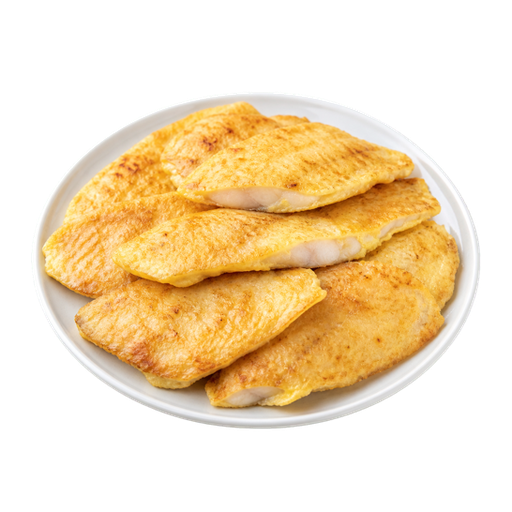
South Korea
생선전
White fish fillets coated in flour and egg, pan-fried until golden, an elegant dish often served at formal occasions.
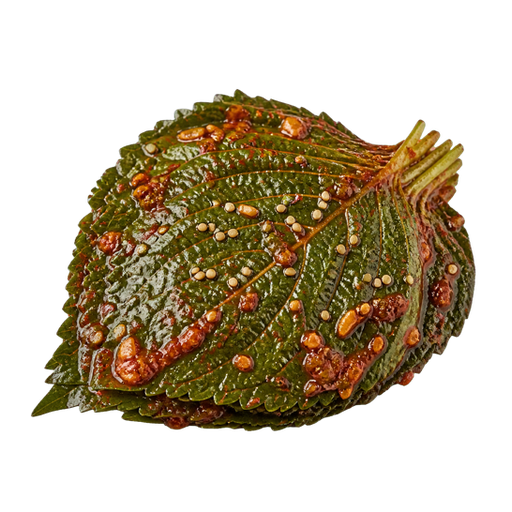
South Korea
깻잎김치
Perilla leaves layered with a soy or chili marinade, fermented into a nutty, savory, and aromatic side dish.

South Korea
깻잎
Aromatic perilla (sesame) leaves used in Korean cuisine for wraps, kimchi, and garnishes, with a unique nutty, minty-basil flavor.
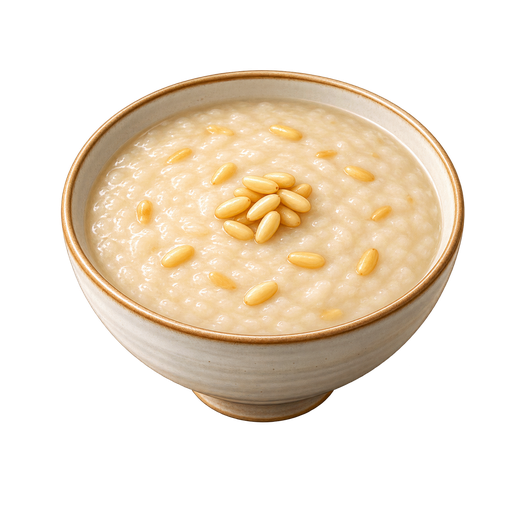
South Korea
잣죽
A smooth, luxurious rice porridge made with ground pine nuts, with a rich, nutty flavor and a silky texture.
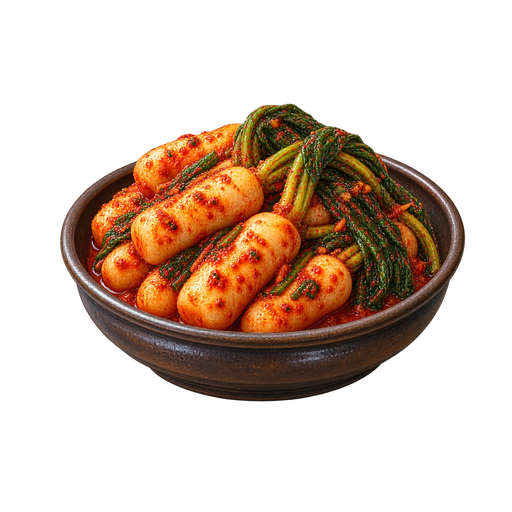
South Korea
총각김치
Small whole radishes with their greens attached, fermented in a spicy chili paste, known for an extra-crunchy texture.
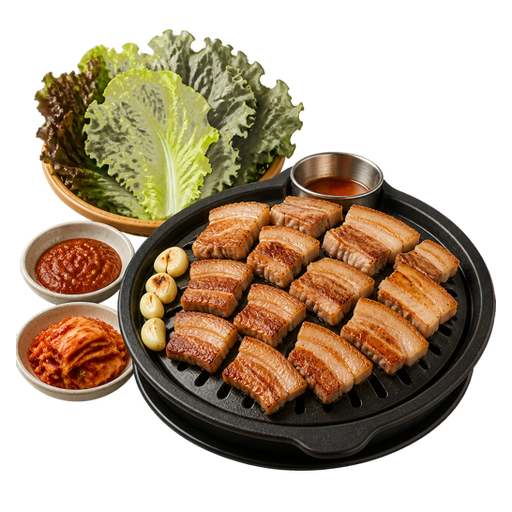
South Korea
삼겹살
Thick slices of pork belly grilled at the table on a dome or grill pan, served with lettuce wraps, garlic, ssamjang, and kimchi.
South Korea
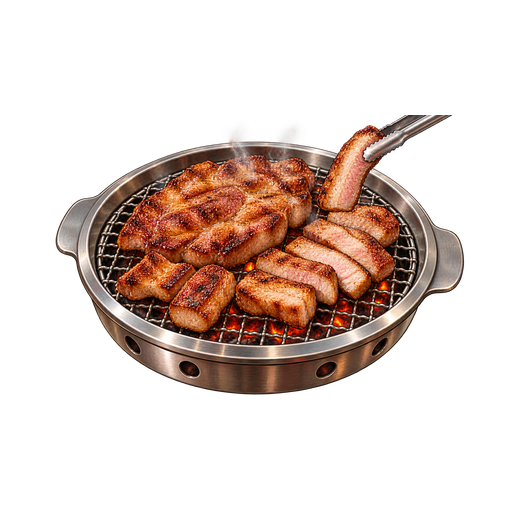
목살
Pork neck/collar cut, prized for its tenderness and marbling, grilled at the table either plain or lightly marinated.
Busan, South Korea
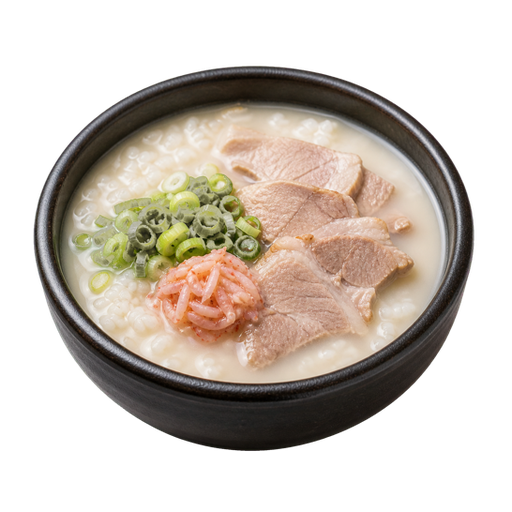
돼지국밥
A Busan specialty of milky pork bone broth served over rice, with tender pork slices, a rich and hearty comfort food.
South Korea
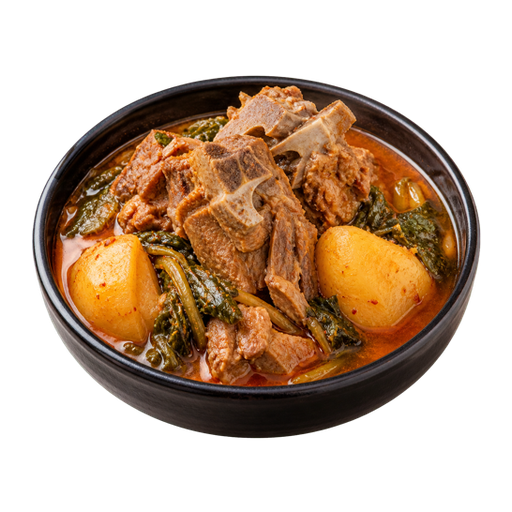
감자탕
A hearty soup made with pork spine bones, potatoes, and sesame leaves in a spicy, rich broth, a popular hangover cure.
Gangwon, South Korea
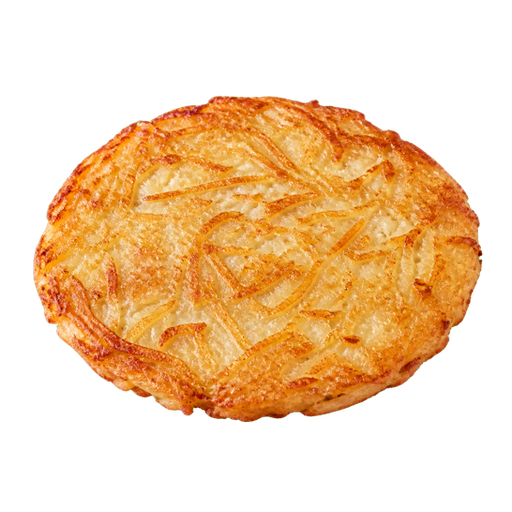
감자전
Small, round pancakes made from grated potatoes, pan-fried until crispy and golden, a Gangwon province specialty.
South Korea
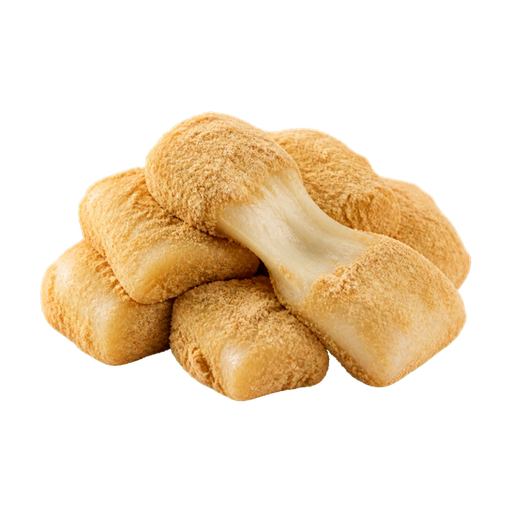
인절미
Glutinous rice pounded until elastic and chewy, cut into pieces and coated in roasted soybean powder, a classic Korean rice cake.
South Korea
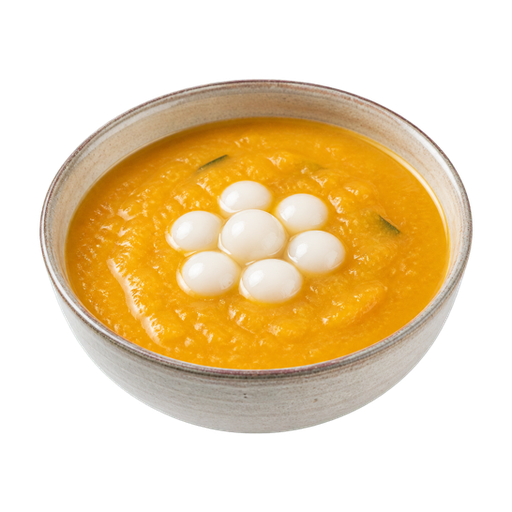
호박죽
A creamy, slightly sweet porridge made with kabocha squash, often topped with sweet rice balls (saealsim), a comforting winter dish.
Pyongyang, North Korea
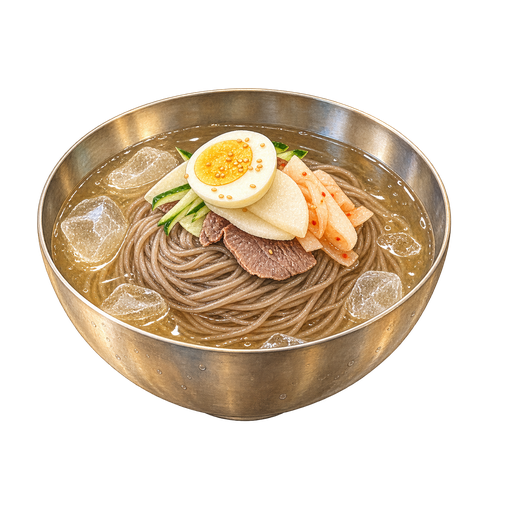
평양냉면
Cold buckwheat noodles in a tangy broth of beef, pheasant, or dongchimi water kimchi, topped with pickled radish, sliced meat, Korean pear, and half a boiled egg; served in a large metal bowl with ice chunks; the signature dish of Pyongyang, eaten with vinegar and mustard; long noodles symbolize longevity and are left uncut.
Kaesong, North Korea
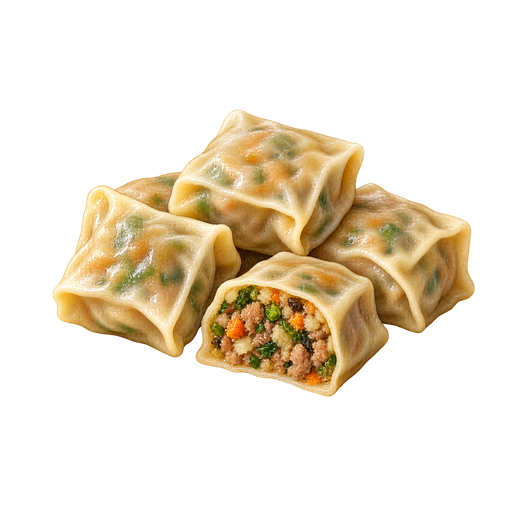
편수
Square-shaped mandu (dumplings) popular in Kaesong; stuffed with seasoned meat and vegetables; the square shape distinguishes them from the round or crescent mandu of other regions; a Kaesong specialty reflecting the historic city's refined culinary tradition; served steamed or in soup.
South Korea
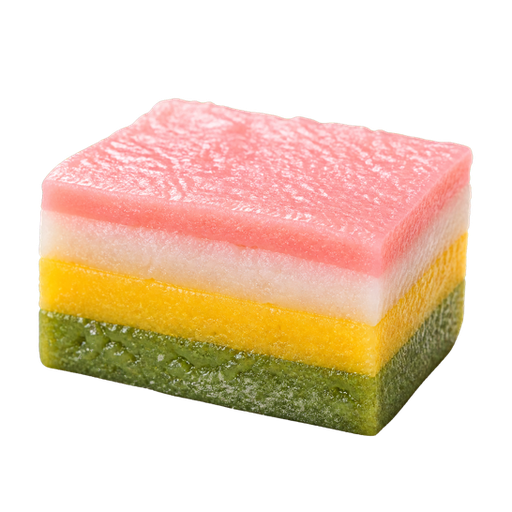
무지개떡
A steamed rice cake with colorful layers (green, yellow, pink, white) resembling a rainbow, served at celebrations.
South Korea
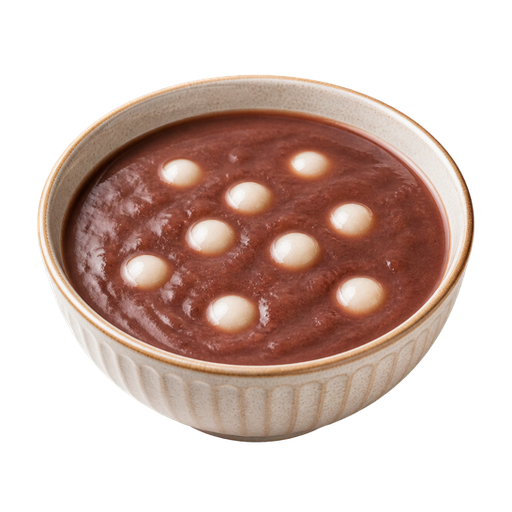
팥죽
A creamy porridge made from adzuki beans, traditionally eaten on the winter solstice (Dongji), often with small rice balls inside.
South Korea
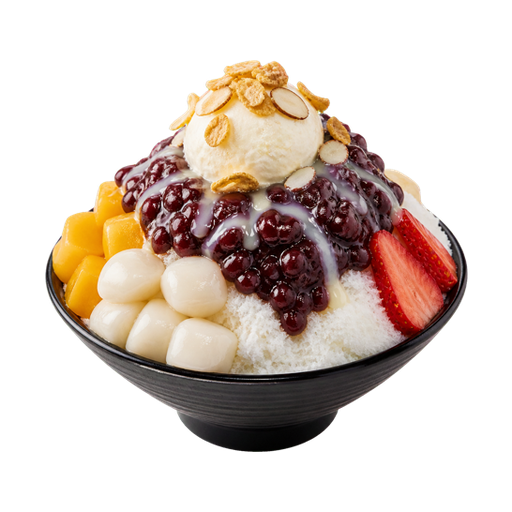
팥빙수
A popular Korean dessert of finely shaved ice topped with sweet red bean paste, rice cakes, condensed milk, fruit, and cereal.
South Korea
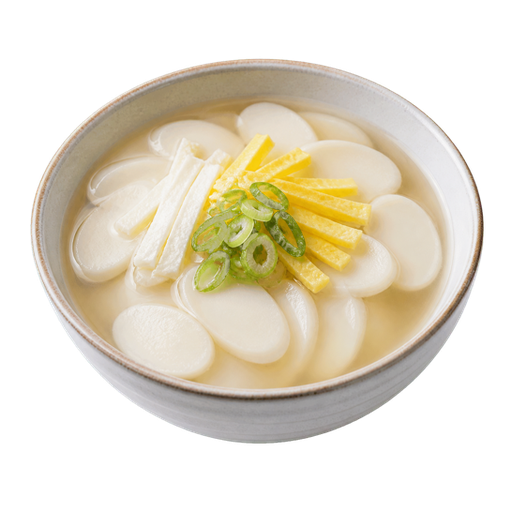
떡국
A soup with oval-shaped sliced rice cakes in a clear beef broth, traditionally eaten on New Year's Day for good luck and longevity.
North Korea
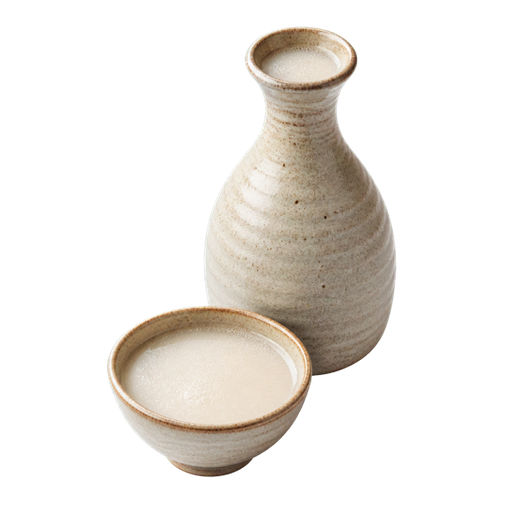
막걸리
Korea's oldest alcoholic beverage: unfiltered, cloudy rice wine with a slight fizz, mildly sweet and tangy, made with nuruk starter.
South Korea
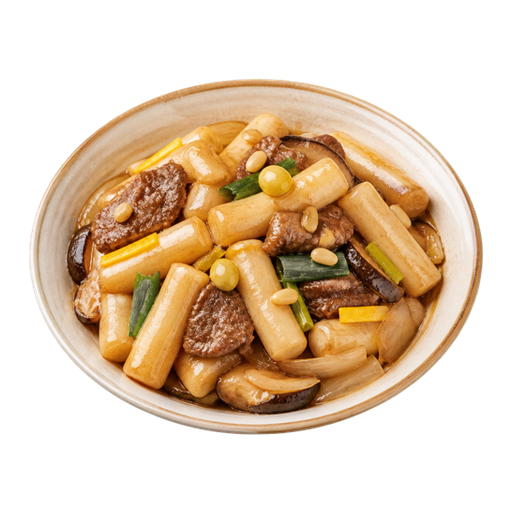
궁중떡볶이
The original, non-spicy version of tteokbokki from the royal court, stir-fried in soy sauce with meat, vegetables, and nuts.
South Korea
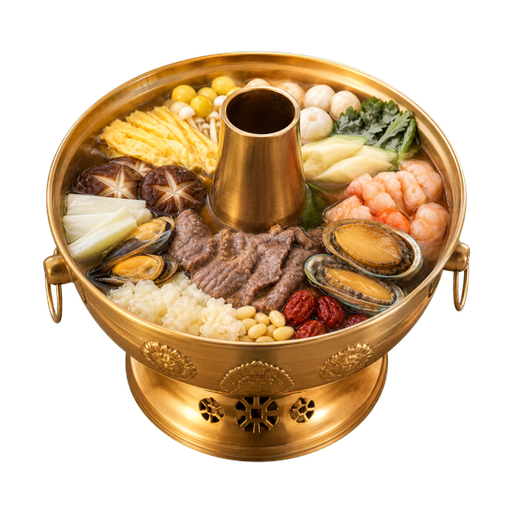
신선로
An elaborate royal court hot pot with a rich broth and meticulously arranged ingredients (meat, seafood, vegetables, nuts) in a special vessel.
South Korea
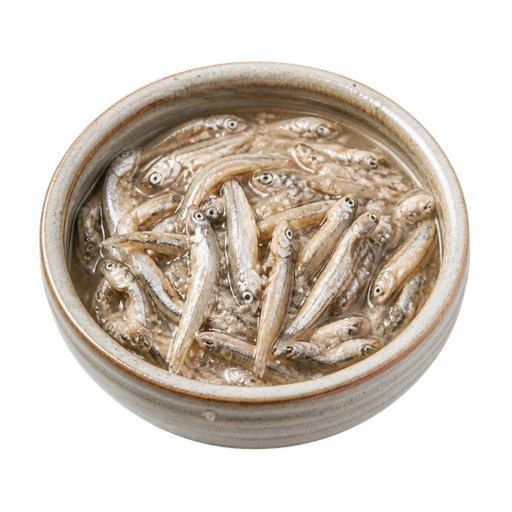
멸치젓
Anchovies salted and fermented for months, a key ingredient in kimchi and the base for many Korean soups and stews.