South Korea
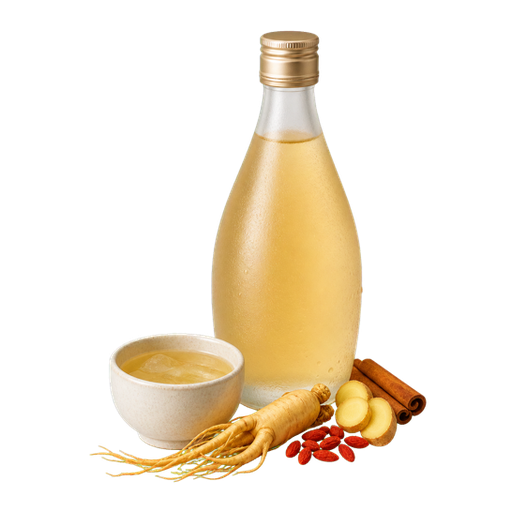
Herbal Rice Wine
백세주
A herb-infused rice wine with ginseng as the dominant flavor, blended with goji berries, ginger, and cinnamon, at 13% ABV.

eastern-asia
Explore 203 foods connected to South Korea, from everyday staples to rare local specialties.
Start with Herbal Rice Wine →
The local shortlist
15 editor-selected foods for understanding the place through what people eat.
Open the guide →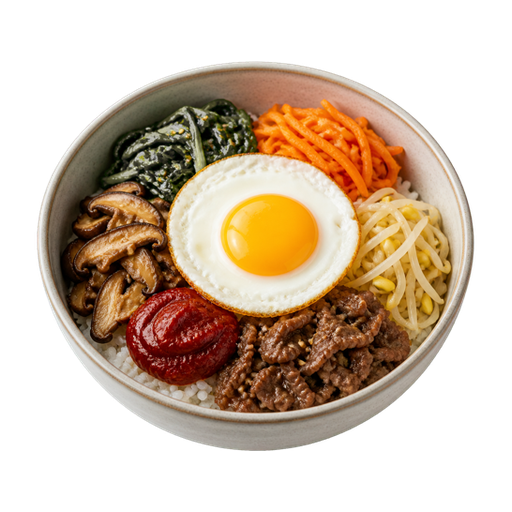
The full directory
203 foods in this view. Filter by category, type, rarity, or search every recorded name.
South Korea
백세주
A herb-infused rice wine with ginseng as the dominant flavor, blended with goji berries, ginger, and cinnamon, at 13% ABV.
South Korea
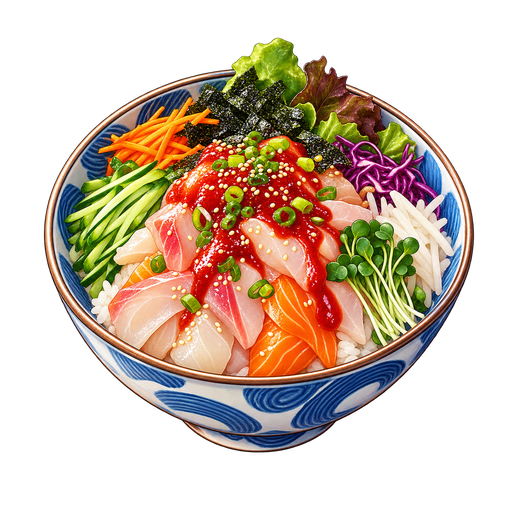
회덮밥
Hoedeopbap is made with raw fish over rice with vegetables and gochujang.
South Korea
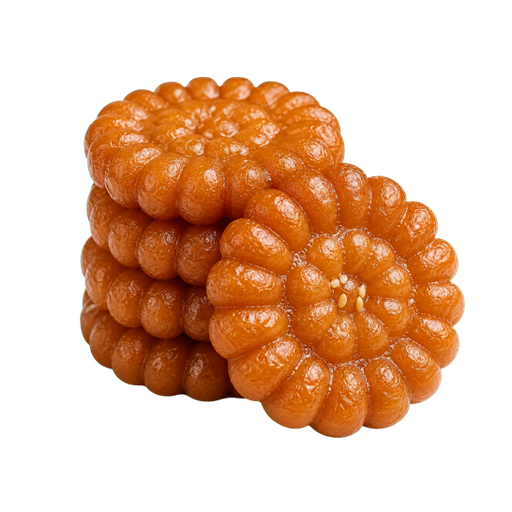
약과
Traditional Korean cookies made with wheat flour, sesame oil, honey, and ginger, deep-fried and soaked in honey syrup.
South Korea
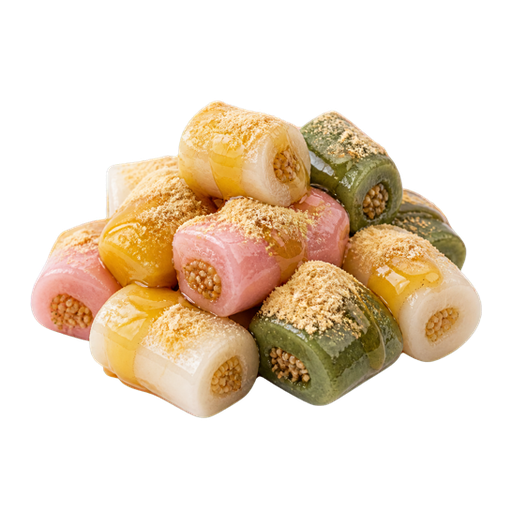
꿀떡
Colorful, bite-sized steamed rice cakes drizzled with honey syrup, sometimes filled with sesame and dusted with soybean powder.
South Jeolla, South Korea
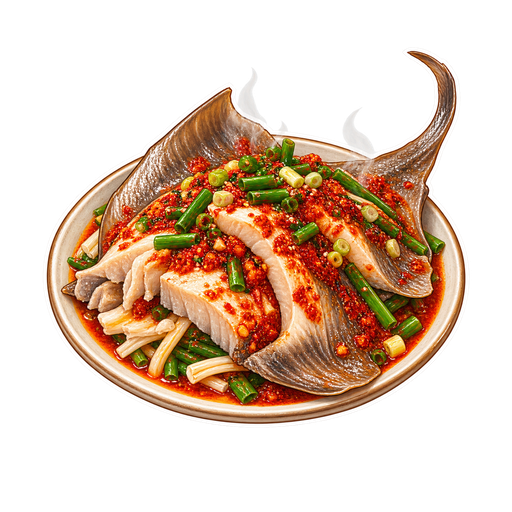
홍어찜
Hongeojjim, skate fermented until it reeks of ammonia and eaten with pork and kimchi, is one of the most singular foods in Asia and a genuine Jeolla institution.

South Korea
화채
Hwachae, fruit and rice cake floating in chilled omija or watermelon liquid, is a named traditional Korean summer punch.
North Korea
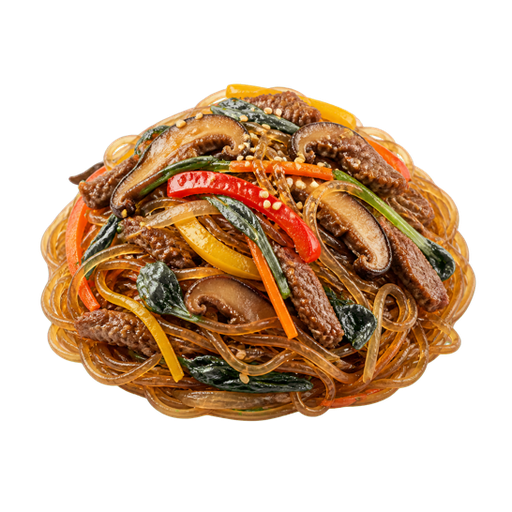
잡채
Stir-fried sweet potato glass noodles (dangmyeon) with assorted vegetables, beef, and mushrooms, seasoned with soy sauce and sesame oil.
Jeju, South Korea
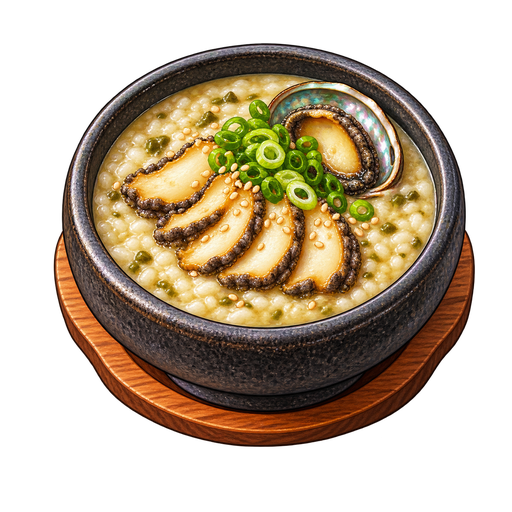
제주 전복죽
Jeju abalone porridge: rice cooked slowly with sliced abalone into a savoury, ocean-sweet congee.
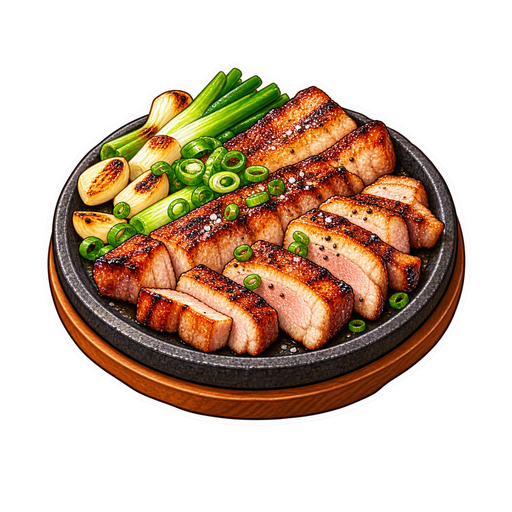
Jeju, South Korea
제주 흑돼지
Jeju's black pig, prized for its rich, tender meat and usually grilled.

Jeju, South Korea
제주 감귤
Jeju's hallabong and tangerines, sweet and juicy citrus grown on the island.
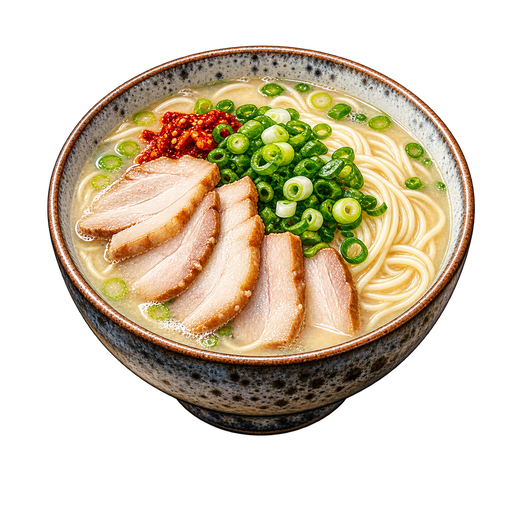
Jeju, South Korea
제주 고기국수
Jeju pork noodle soup: thin noodles in a rich pork broth, a morning staple.
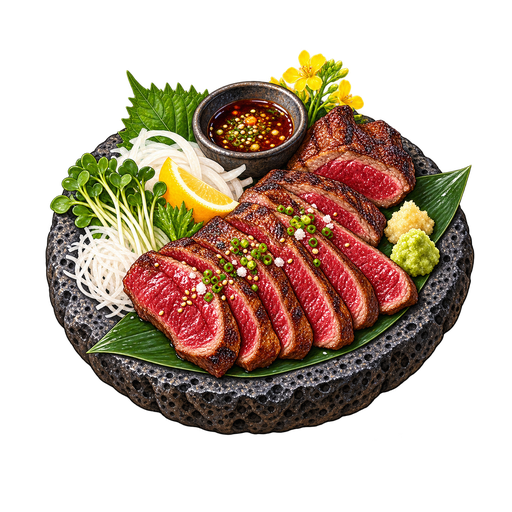
Jeju, South Korea
제주 말고기
Jeju's horse meat, served as raw loin, grilled or in stews.
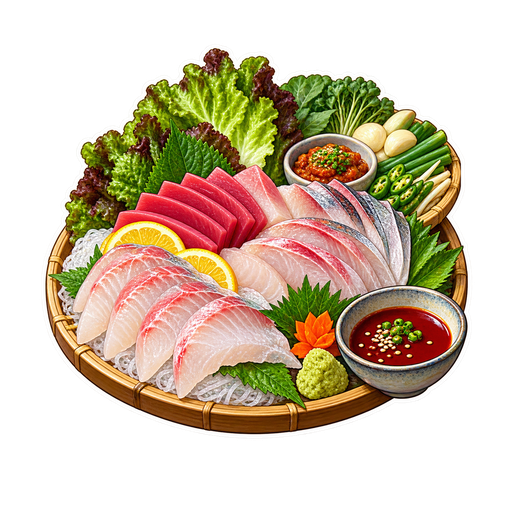
Jeolla, South Korea
전라도 회
Raw fish from the Jeolla coast, cut thick and served with sesame leaves and gochujang.
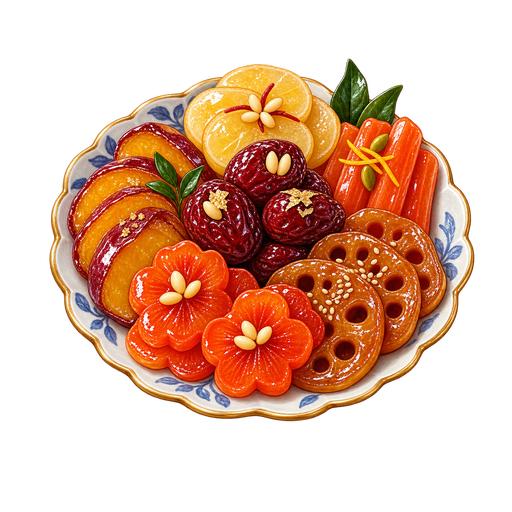
South Korea
정과
Jeonggwa is made with fruit and roots slowly simmered in honey until translucent.
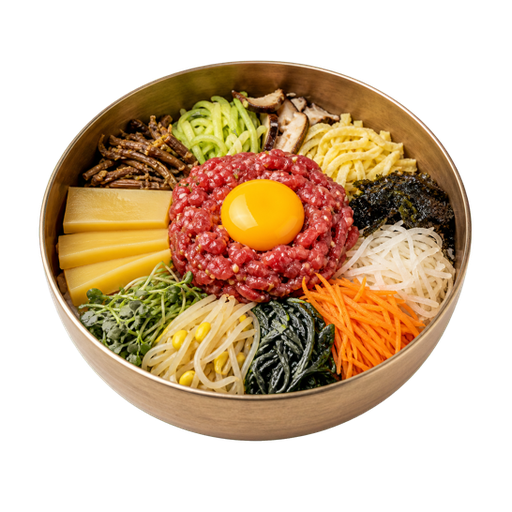
Jeonju, South Korea
전주비빔밥
The most famous regional bibimbap from Jeonju, featuring yellow mung bean jelly (hwangpomuk), beef tartare, and an exceptionally elaborate array of toppings.
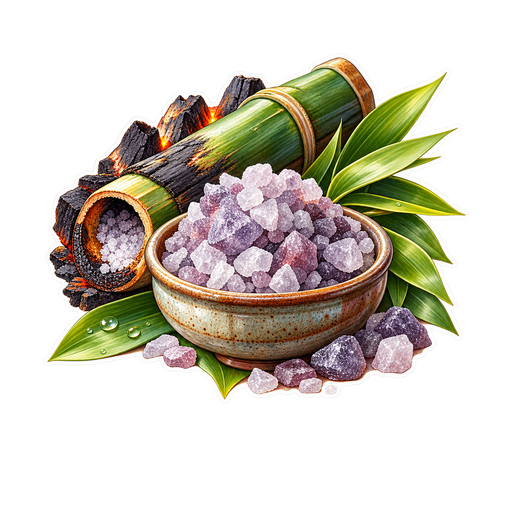
South Korea
죽염
Jugyeom, bamboo salt roasted nine times inside bamboo sealed with clay, is a singular Korean product with named producers and temple provenance, and is precedented by the artisanal salts already carried.
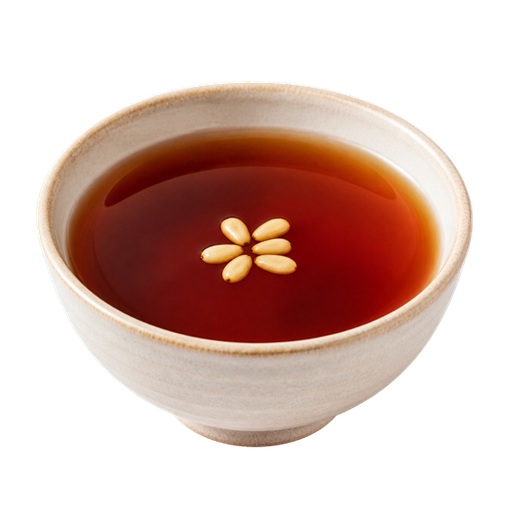
South Korea
대추차
A sweet, warming tea made from dried jujubes boiled and strained, with a deep red-brown color, often garnished with pine nuts.
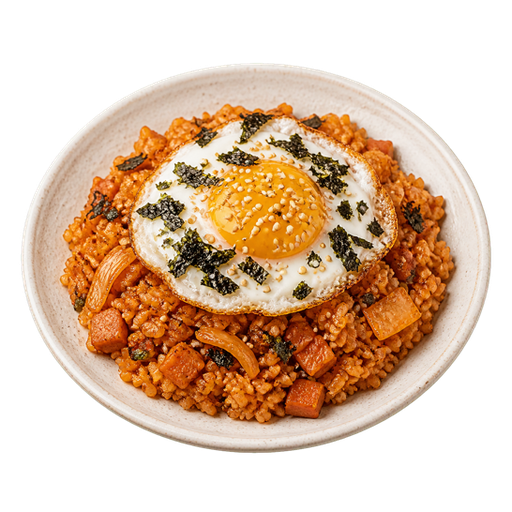
South Korea
김치볶음밥
Fried rice made with well-fermented kimchi, pork or spam, and gochujang, topped with a fried egg and sprinkled with sesame and seaweed.
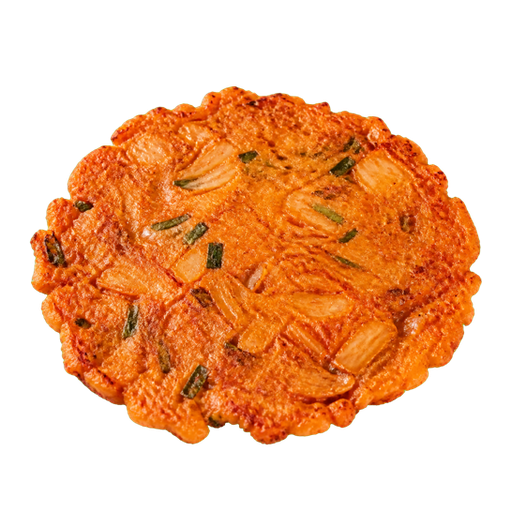
South Korea
김치전
A simple pancake made with well-fermented kimchi in a flour batter, pan-fried until crispy and tangy.
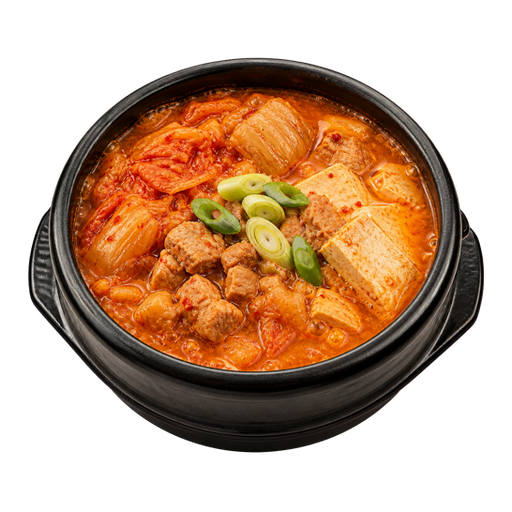
South Korea
김치찌개
A hearty stew made with well-fermented kimchi, pork, tofu, and scallions in a spicy, tangy broth, one of Korea's most common daily dishes.
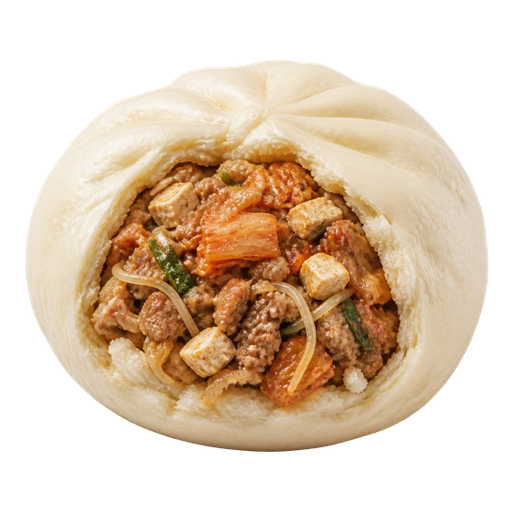
South Korea
왕만두
Large, round steamed buns with a thick wrapper and generous filling of pork, beef, sprouts, tofu, and kimchi.
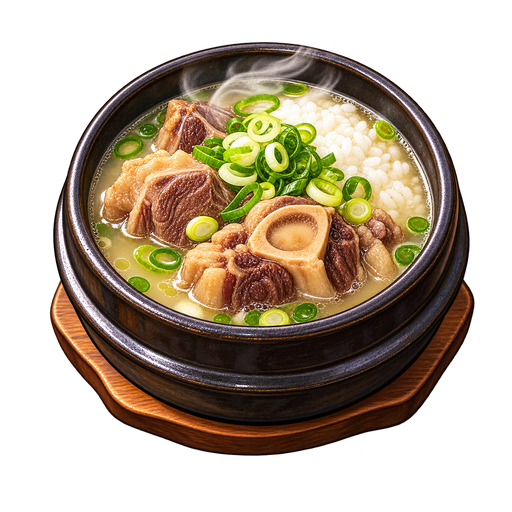
South Korea
꼬리곰탕
Kkori gomtang is oxtail simmered slowly into a milky broth, often served with sliced meat and scallions.

South Korea
꽈배기
Kkwabaegi, the twisted sugar-dusted doughnut of Korean market stalls, is a named street item.
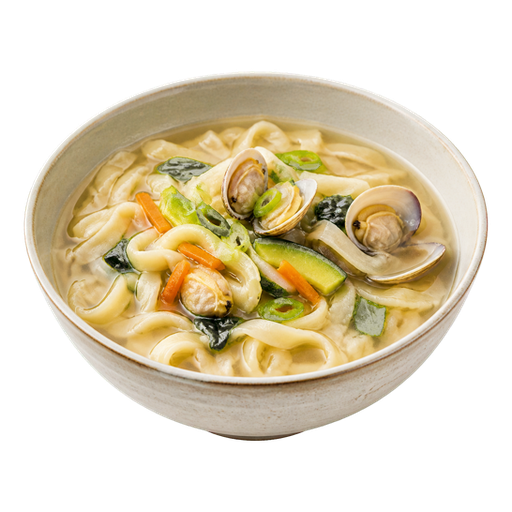
South Korea
칼국수
Handmade, knife-cut wheat noodles served in a savory anchovy or shellfish broth with vegetables and sometimes seafood.
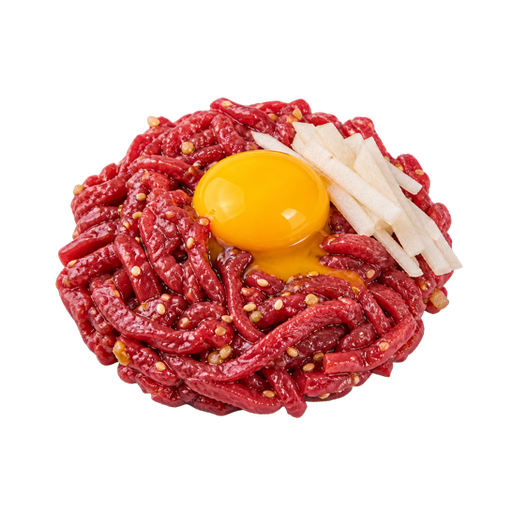
South Korea
육회
Fresh, thinly sliced raw beef marinated in soy sauce, sesame oil, garlic, and sugar, topped with a raw egg yolk and sliced pear.
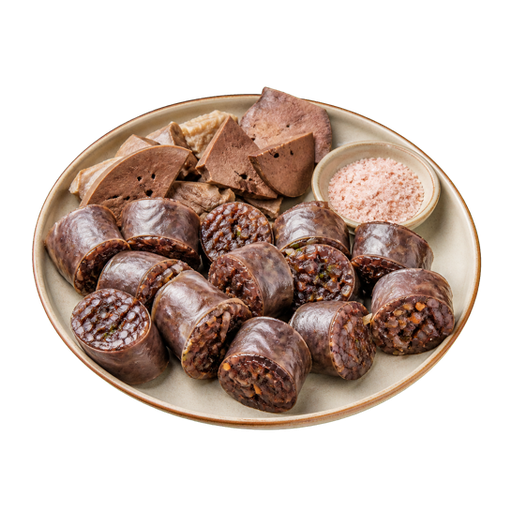
South Korea
순대
Pork intestines stuffed with glass noodles, pork blood, vegetables, and glutinous rice, steamed and sliced, a popular street food.
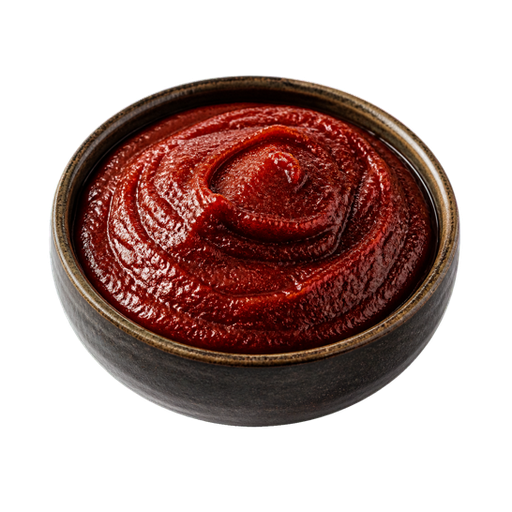
North Korea
고추장
An essential fermented paste of gochugaru, glutinous rice, soybeans, and salt, with a complex spicy-sweet-savory flavor, the backbone of Korean cooking.
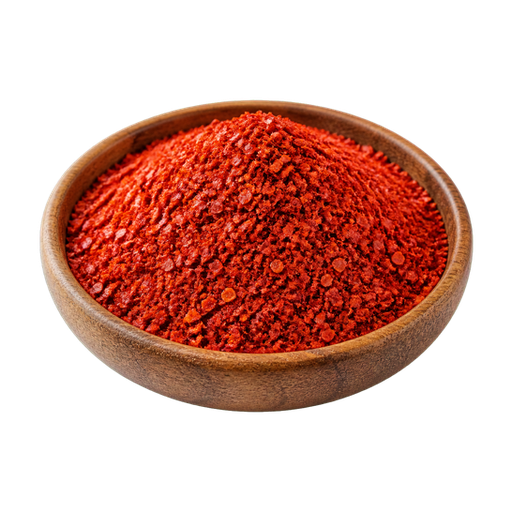
South Korea
고춧가루
Fine chili flakes from Korean gochu peppers, essential for kimchi and gochujang, with a vibrant red color, smoky aroma, and moderate heat.
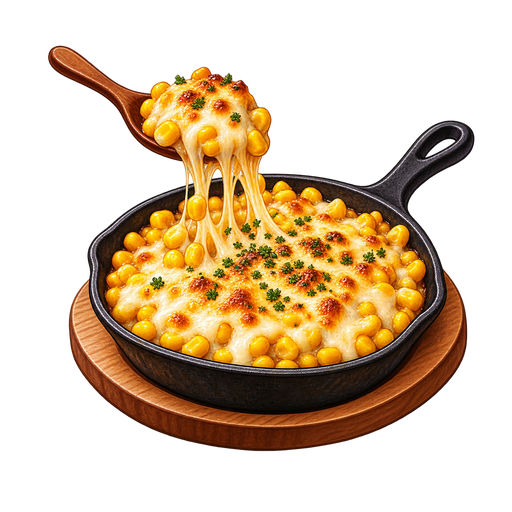
South Korea
콘치즈
Korean corn cheese, sweetcorn baked under melted cheese, is a named fixture of Korean pubs and barbecue restaurants; localisation rescues it under guideline 1.6.
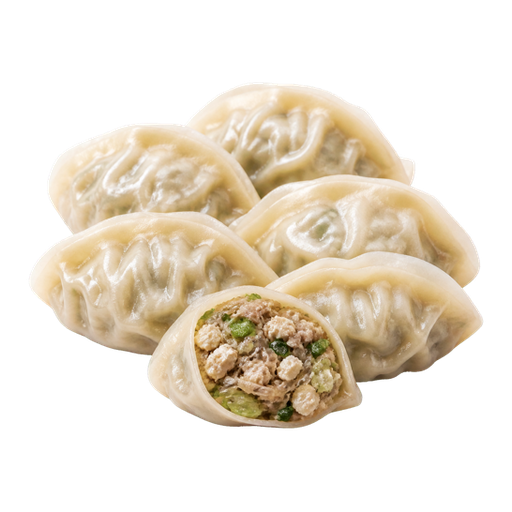
North Korea
만두
Korean dumplings filled with a mixture of meat, tofu, vegetables, and glass noodles, available steamed, boiled, pan-fried, or deep-fried.
South Korea
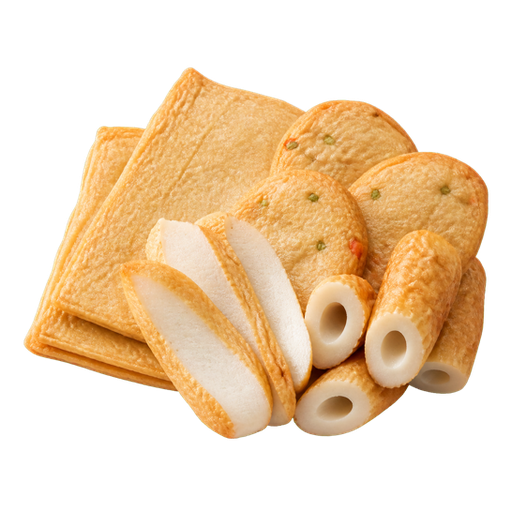
어묵
Fish cakes made from ground white fish, flour, and starch, shaped into sheets or pieces, used in soups, stir-fries, and street food.
South Korea
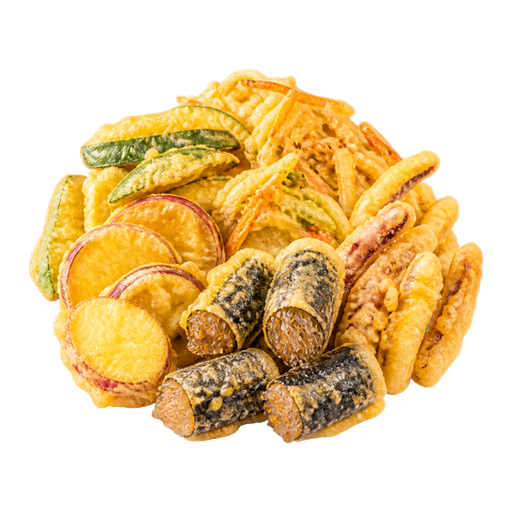
튀김
Assorted battered and deep-fried items including vegetables, squid, sweet potatoes, and gimmari (fried seaweed rolls), a street food staple.
North Korea
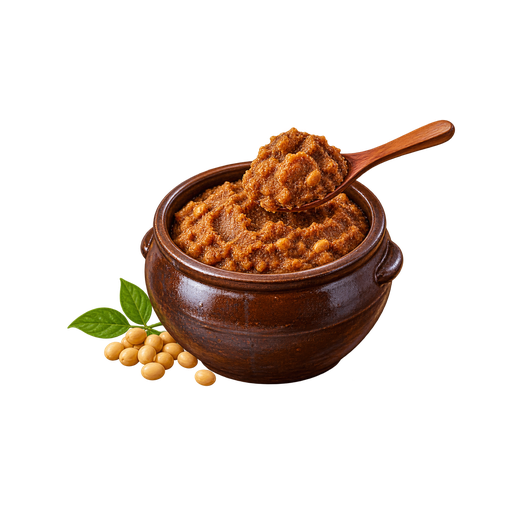
된장
Korea's foundational fermented soybean paste, made from meju blocks fermented in brine, with an earthy, pungent, and deeply umami flavor.
South Korea
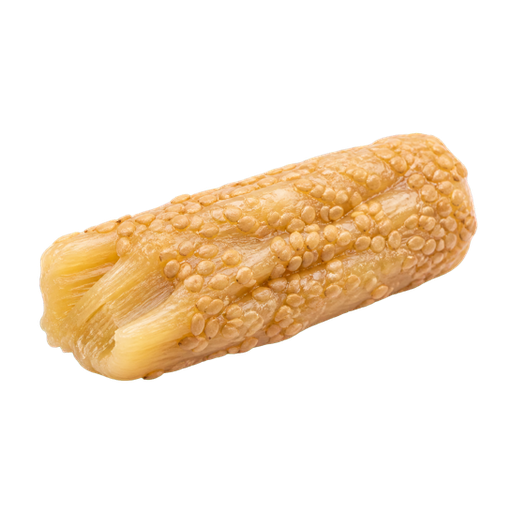
엿
A traditional confection made from steamed glutinous rice, sweet potatoes, or corn, with varieties including sesame-coated and pumpkin.
South Korea
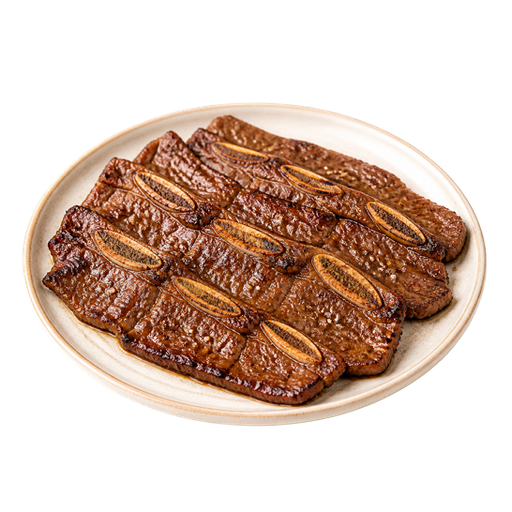
LA갈비
Beef short ribs cut across the bone (flanken cut) so they cook quickly on a tabletop grill, marinated in a sweet soy sauce.
South Korea
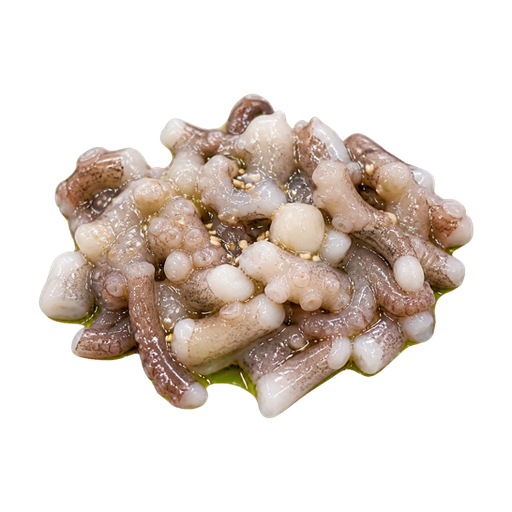
산낙지
Freshly killed small octopus, cut into pieces and served immediately while the tentacles are still moving, seasoned with sesame oil and salt.