Gabon
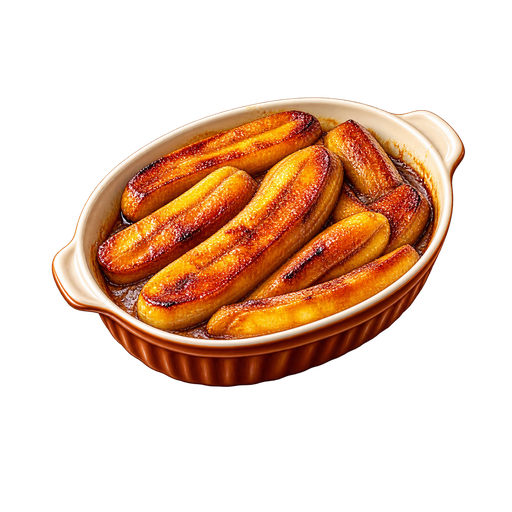
Baked Bananas Gabon
Bananes au four
Bananas coated with bread crumbs and served with sour cream and brown sugar; a sweet dessert preparation found in Gabonese homes.

middle-africa
Explore 30 foods connected to Gabon, from everyday staples to rare local specialties.
Start with Baked Bananas Gabon →
The local shortlist
8 editor-selected foods for understanding the place through what people eat.
Open the guide →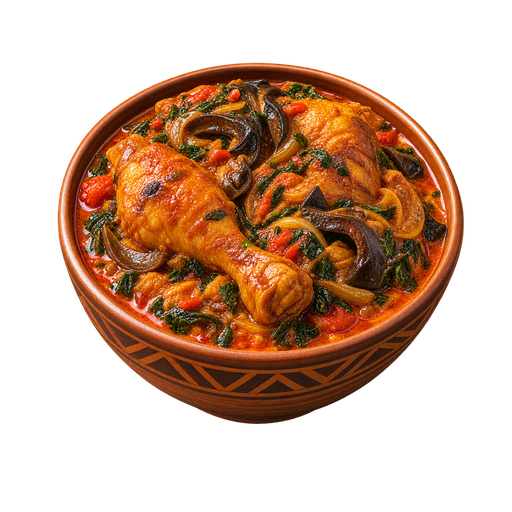
The full directory
30 foods in this view. Filter by category, type, rarity, or search every recorded name.
Gabon
Bananes au four
Bananas coated with bread crumbs and served with sour cream and brown sugar; a sweet dessert preparation found in Gabonese homes.
Ghana
Gari
Roasted fermented cassava granules; consumed dry, with water, or as paste (piron); a versatile cassava product; the instant food of Benin; eaten with sauce or as a snack.
Ngounié-Nyanga (Southern Forest), Gabon
A large ball of pounded plantains, cut into pieces and served with sauce; a specialty of the Bapunu and Nzebi peoples of southern Gabon.
Cameroon
Ndo'o
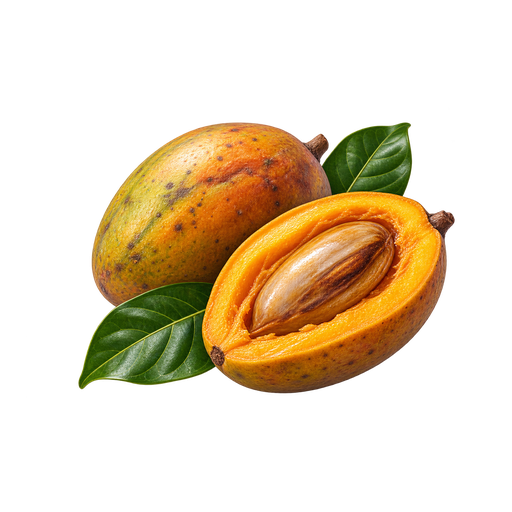
The dried and ground kernel of the wild mango, used as a thickener that turns sauces glossy and slightly stretchy.
Gabon
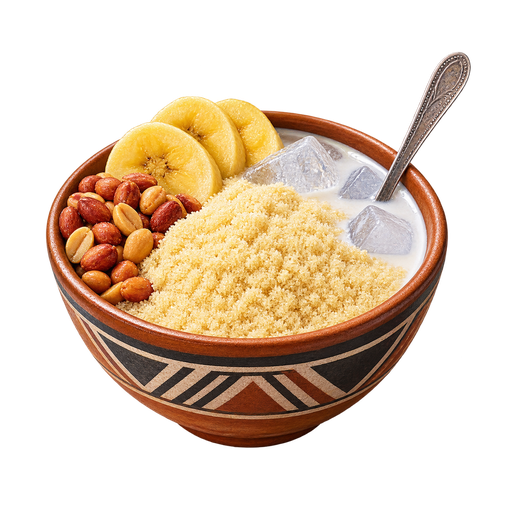
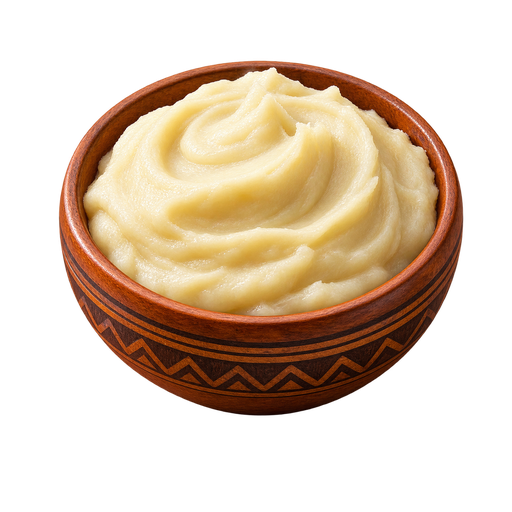
Puree de manioc
Cassava tubers soaked, pounded into a white paste, and cooked into a porridge; served for breakfast or dessert with peanuts, sugar, or salt; a drinkable meal for adults and children.
DR Congo
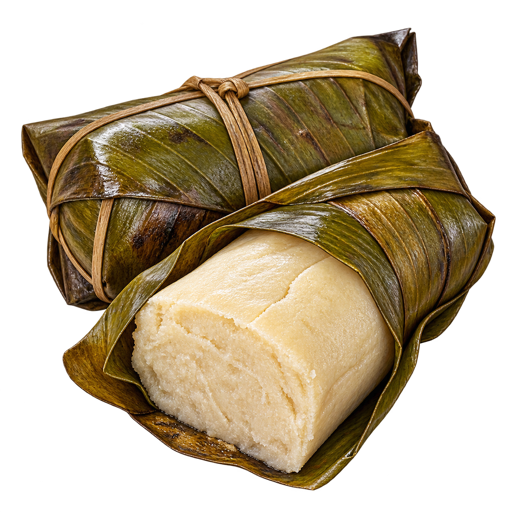
Kwanga
A fermented cassava bread wrapped in marantaceae leaves and steamed; the cassava is soaked in water for up to fourteen days, then pounded into a paste and wrapped in leaves for steaming; dense, slightly sour, and incredibly filling; commercially produced throughout the country; a staple across Central Africa; darker in some parts, nearly white in others; eaten with all kinds of sauces and fish.
DR Congo
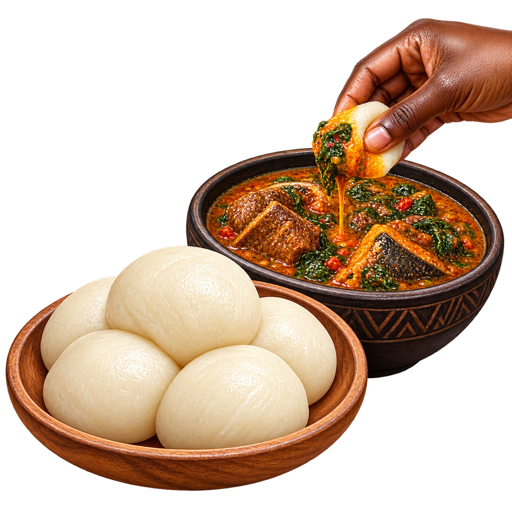
Fufu
The staple food of the Congo — a smooth, dense, slightly elastic dough made from cassava flour, corn flour, or sometimes plantains; rolled into golf-ball-sized balls and dipped into stews; the proper way to eat it is to pinch off a piece with the right hand, indent with the thumb, and scoop up sauce; present on all Congolese tables from north to south; the universal accompaniment.
DR Congo
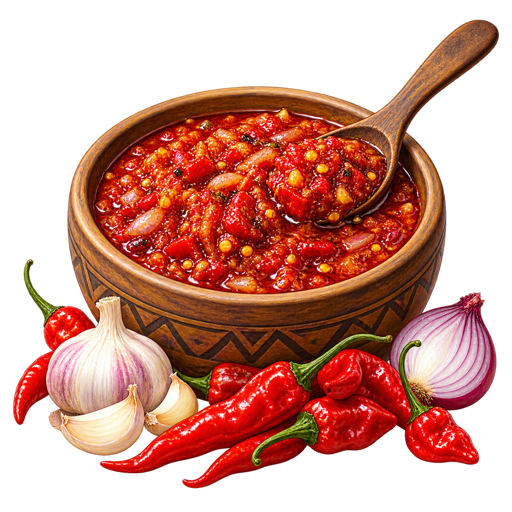
Pili pili
A very hot chili pepper sauce served with nearly everything in the Congo; made from pili-pili peppers, onions, garlic, and oil; occasionally dried and sprinkled on fruit; the Congolese condiment that adds fire to any dish; listed in Wikipedia's Congolese cuisine; the heat of Central African cuisine; found at every table and street stall.
DR Congo
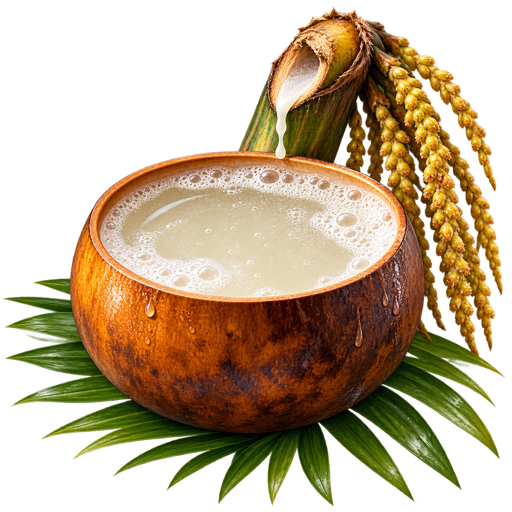
Malafu
Palm wine made from the sap of a wild palm tree, fermented by natural yeasts; has an alcohol content of between five and seven percent; listed in Wikipedia's Congolese cuisine; a traditional beverage across Central Africa; the sap is collected from cut palm flower stems and ferments naturally; a refreshing, slightly sweet drink; the traditional alcohol of the Congo.
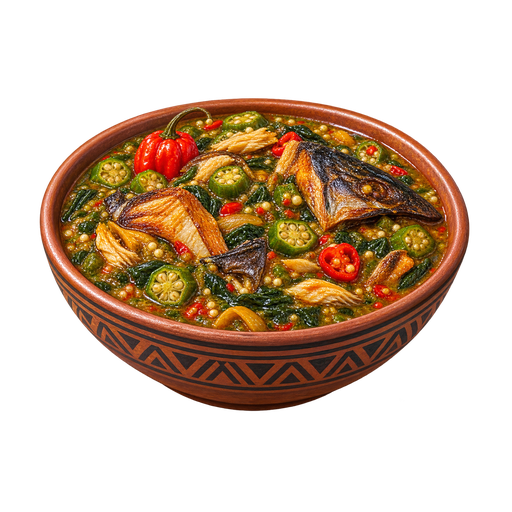
Central African Republic
A thick okra soup or sauce simmered with dried or smoked fish, onions, garlic and hot peppers; often thickened with tomato paste or a pinch of baking soda and served with fufu or rice.
DR Congo
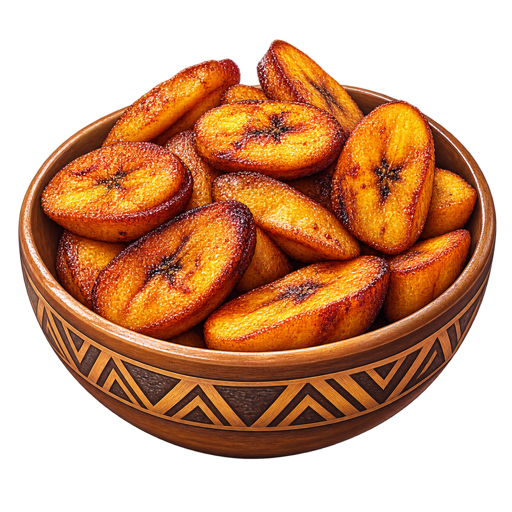
Makemba
Fried plantains, a popular street food and side dish across the Congo; ripe plantains sliced and fried golden; eaten as a side or a snack; turn up alongside just about everything; in Congo's largest cities, fried plantains have become a popular fast food item, even overshadowing French fries; a simple, beloved staple.
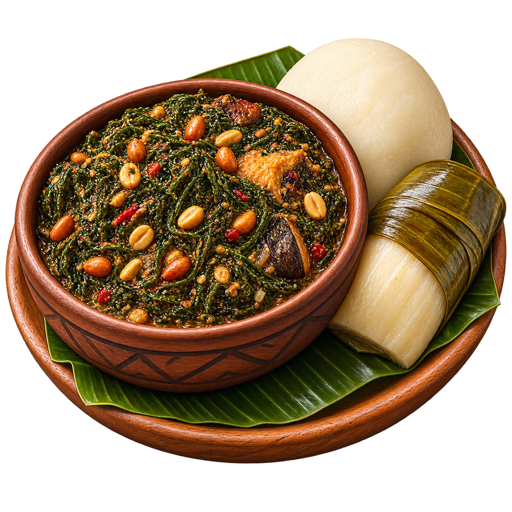
DR Congo
A vegetable dish made from the leaves of Gnetum africanum (African spinach); the leaves are rolled into a bundle and cut into thin strips, giving them a filament appearance; usually prepared with spices and peanuts; a specialty of the western provinces of DRC; also known as okok in Cameroon; a nutritious, earthy vegetable dish; served with fufu or chikwangue.
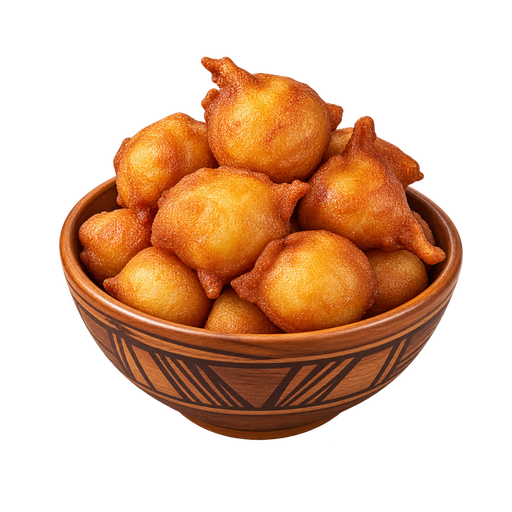
Gabon
Beignets
Deep-fried dough balls, both sweet and savoury; banana beignets made with overripe bananas, flour, and sugar; savoury beignets salés studded with onions; sold by street vendors in markets.
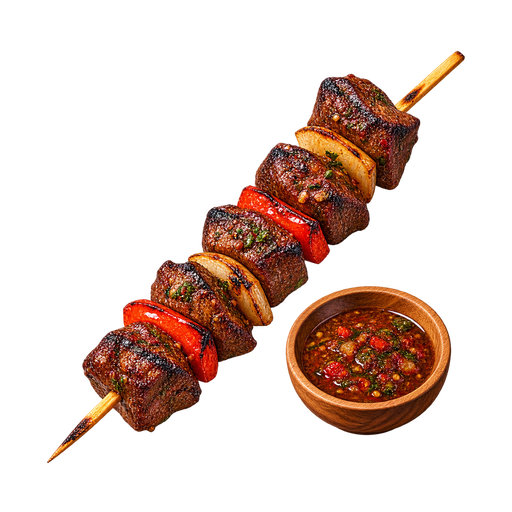
Libreville, Gabon
Brochettes
Meat skewers (chicken, beef, fish) grilled over charcoal; chicken feet and wings are particularly popular in Libreville; served with bread, chikwangue, or spaghetti with mayonnaise.
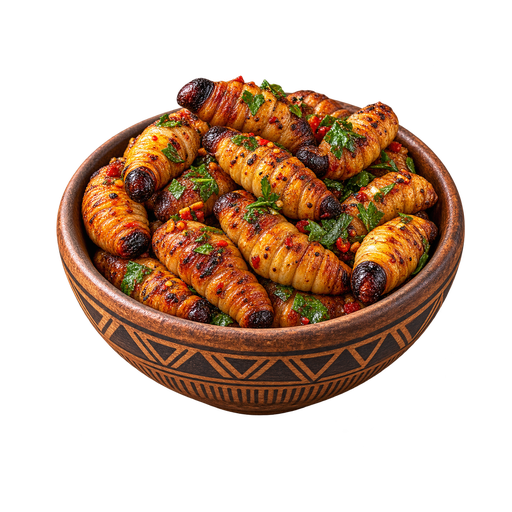
Haut-Ogooué (Southeastern / Franceville), Gabon
Chenilles
Edible caterpillars (Parotis baldersalis) collected from Tabernaemontana crassa trees on the Plateaux Bateke; an important source of protein; pan-fried or stewed with vegetables.
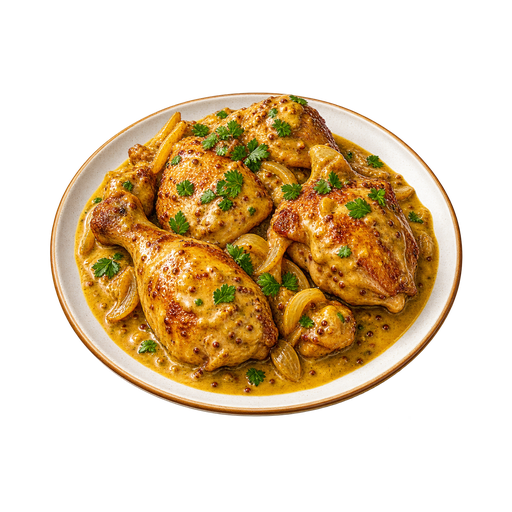
Gabon
Poulet a la moutarde
Chicken marinated with lemon, garlic, onions, and Dijon mustard, then roasted or simmered; a French-influenced Gabonese dish that bridges local ingredients with French technique.
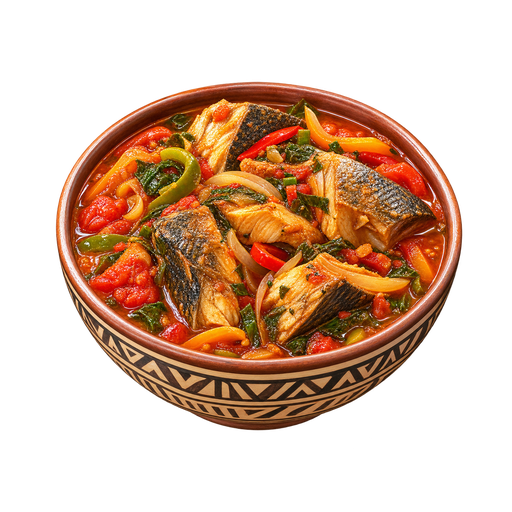
Gabon
Poisson sale
A weekend stew of salted cod with cabbage, carrots, onions, tomatoes, and peppers; a Gabonese family dish served with manioc or pounded plantains.
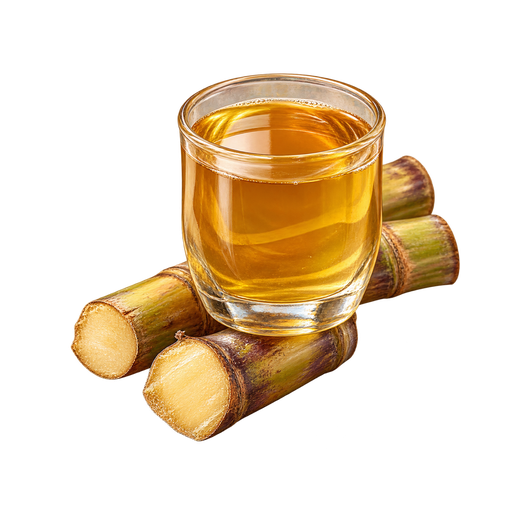
Gabon
Vin de canne a sucre
A traditional fermented beverage made from sugarcane juice; sold alongside palm wine at depots like PK6 in Libreville; sweet, tangy, and mildly alcoholic.
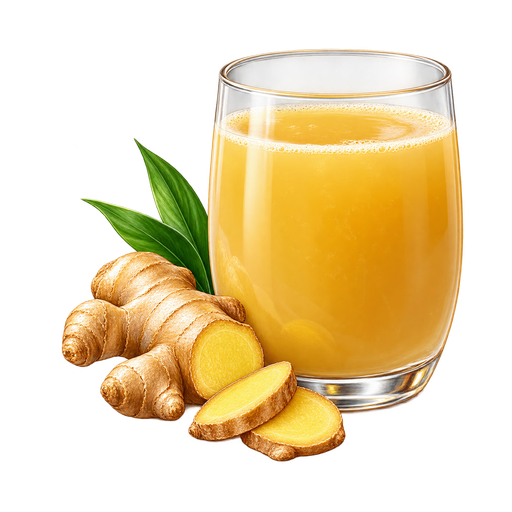
Cameroon
Jus de gingembre
Raw ginger blitzed with water, lemon and sugar and strained into a fierce, throat-burning cold drink.
Cameroon
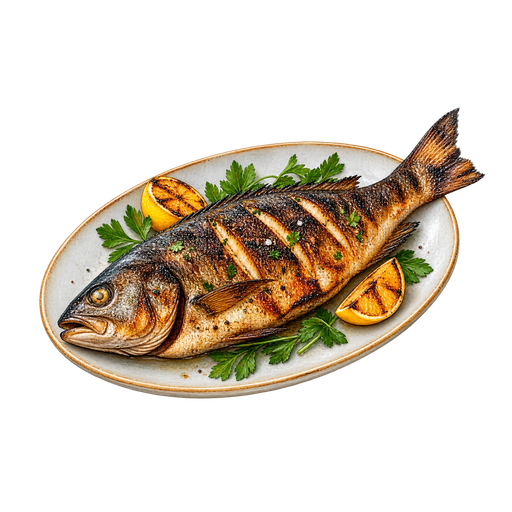
Poisson braisé
Whole fish scored, packed with a garlic, ginger and pepper paste and grilled over coals, served with fried plantain and a raw onion-and-pepper salsa.

The Gambia
Bissap
Dried hibiscus calyces steeped with sugar, mint and sometimes orange-blossom water into a deep red drink served ice-cold.
DR Congo
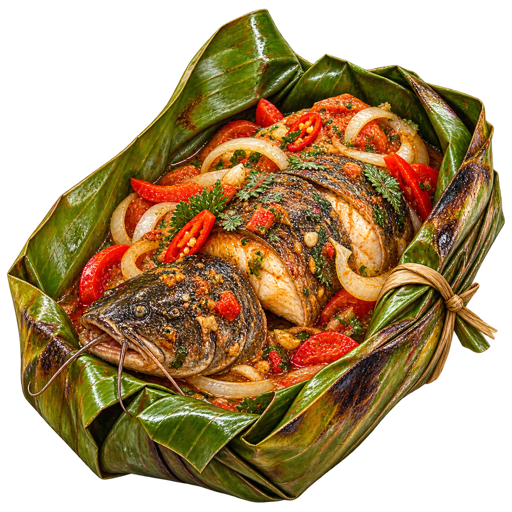
Liboké
An emblematic Congolese cooking method — fish, chicken, or meat marinated with spices and vegetables, then wrapped in banana leaves and steamed or grilled; the word means 'package' in Lingala; the parcel keeps everything moist and lets seasonings sink in; the most popular version is fish liboke with catfish, tomatoes, onions, garlic, and chili; a defining technique of Congolese cuisine.
The Gambia
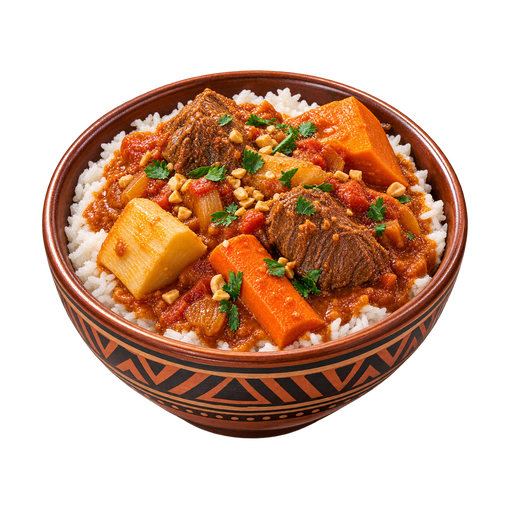
Sauce d'arachide
Beef, lamb or chicken stewed in a groundnut paste and tomato sauce with cassava, carrot and sweet potato, served over rice.
Cameroon
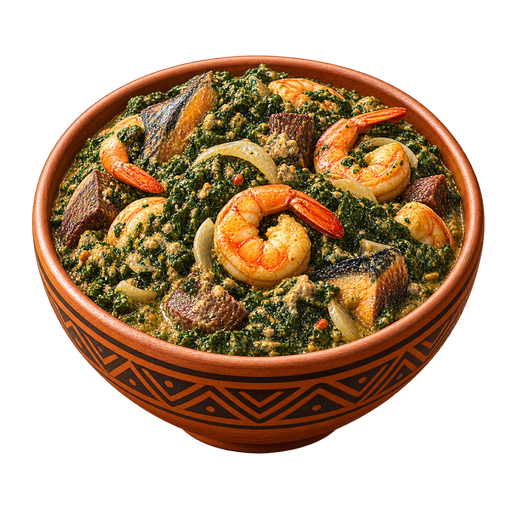
Ndole
Bitterleaf boiled and washed repeatedly to draw out the bitterness, then cooked with ground peanuts, crayfish, beef, smoked fish and pork rind into a thick green stew.
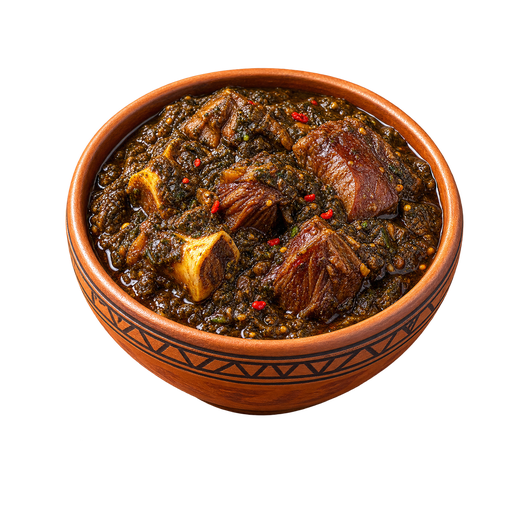
Ngounié-Nyanga (Southern Forest), Gabon
A thick brown paste made from roasted and ground wild mango seeds (Irvingia gabonensis); looks like chocolate and has a slightly bitter, nutty flavour; used as a sauce base for meat and fish.
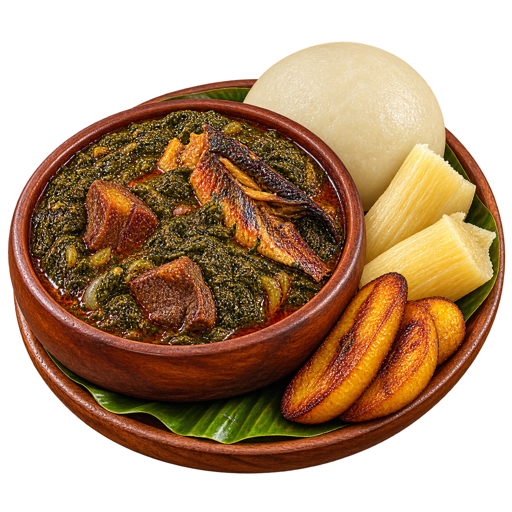
DR Congo
Saka saka
The beloved national staple of the Congo — cassava leaves pounded into a fine paste and slow-cooked for hours with palm oil, onions, garlic, and often smoked fish or beef; rich in protein, vitamins, and minerals; the palm oil gives a characteristic reddish-brown color and nutty flavor; served with fufu, chikwangue, or plantains; the backbone of daily Congolese dining.
Gabon
Chicken braised in a thick, deep-orange sauce of palm nut pulp, peanut butter, tomatoes and aromatics; the Central African take on the palm-nut chicken stew found across the Congo basin.
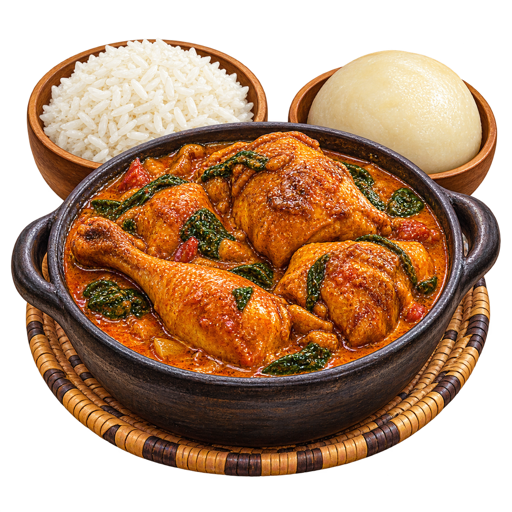
DR Congo
Poulet moambe
The national dish of the Democratic Republic of the Congo — chicken braised low and slow in a glossy, deep-orange sauce built from palm nut pulp, peanut butter, tomatoes, and warm aromatics; the name 'moambe' refers to the palm butter made from the pericarp of palm nuts; served with rice, fufu, or chikwangue; the soul of Congolese culinary tradition.

Gabon
The national lager of Gabon, brewed by SOBRAGA since 1966; the name is a contraction of Regie gabonaise des boissons; the most consumed alcoholic beverage in the country and a cultural symbol.
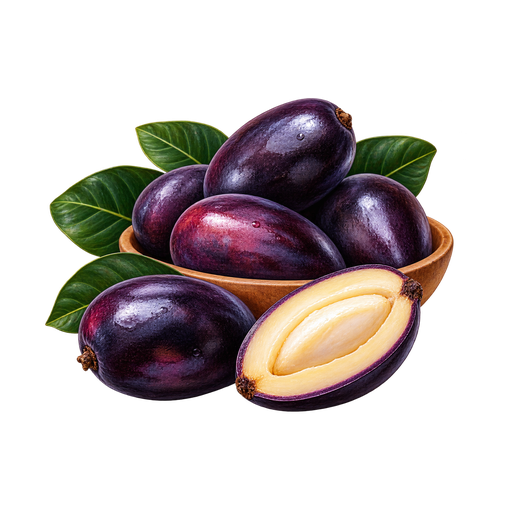
Republic of the Congo
A purple-black oily fruit roasted or dipped in hot water until the flesh softens into something between avocado and olive, eaten with maize.