Aruba
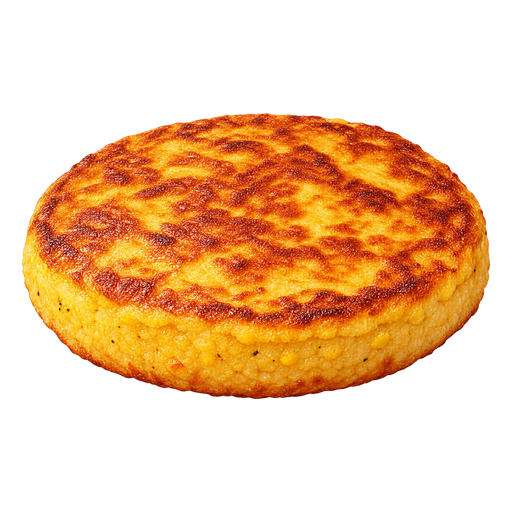
Aruban Cornmeal Pancake
Pan Bati
Pan bati is a soft, thin Aruban cornmeal pancake made with flour and sugar on a flat griddle, eaten sweet at breakfast or savory with soups and sauces.

caribbean
Explore 71 foods connected to Bonaire, from everyday staples to rare local specialties.
Start with Aruban Cornmeal Pancake →
The local shortlist
6 editor-selected foods for understanding the place through what people eat.
Open the guide →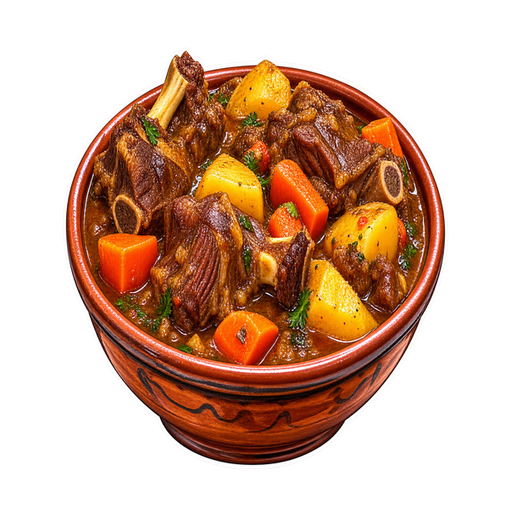
The full directory
71 foods in this view. Filter by category, type, rarity, or search every recorded name.
Aruba
Pan Bati
Pan bati is a soft, thin Aruban cornmeal pancake made with flour and sugar on a flat griddle, eaten sweet at breakfast or savory with soups and sauces.

Aruba
Pastechi
A traditional Aruban breakfast and snack: a deep-fried crescent pastry filled with cheese, chicken, beef, tuna, or vegetables, seasoned with onion, green pepper, celery, raisins, cumin, nutmeg, and hot pepper.
Aruba
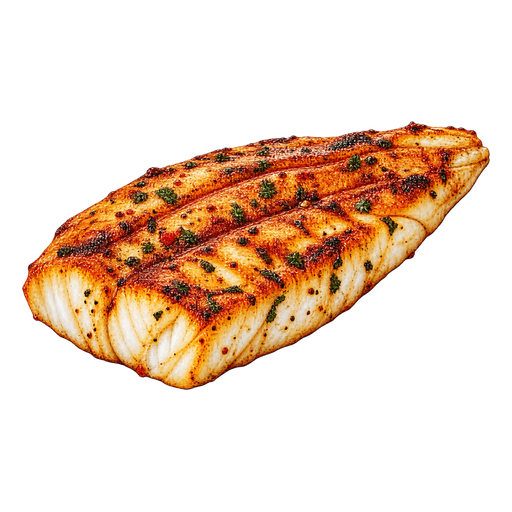
Pisca Hasa
Pisca hasa is fish fried until crisp and served with creole sauce; Aruba, Curaçao, and Bonaire each have named island forms, including Piska Korá and Bonaire Piska Hasá.
Aruba
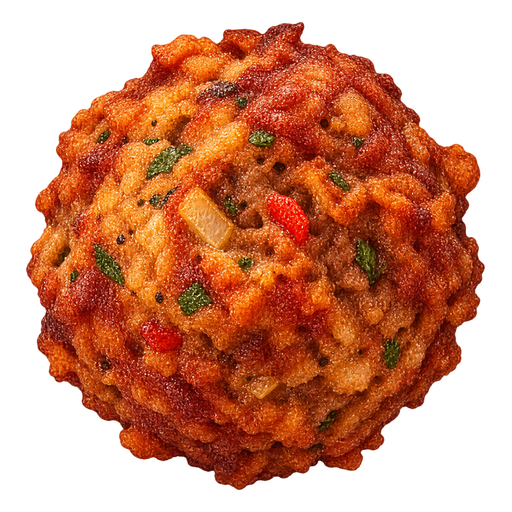
Balchi Carni
Balchi di carni; Aruban meat balls; a traditional snack and side dish; deep-fried; a feature of roadside snack-bars; a staple of Aruban street food
Aruba
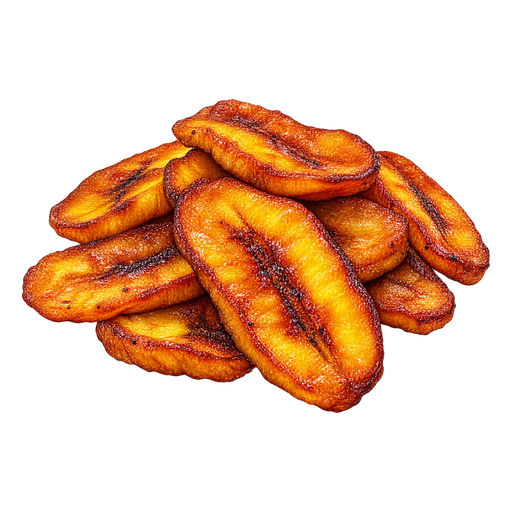
Banana hasa (fried plantain); a popular Aruban side dish; plantains fried as a sweet accompaniment; never eaten raw; served with stews, fish, and meat dishes; a staple of Aruban cuisine.

Brazil
Batida di Coco
A blended cachaça cocktail shaken with fruit such as coconut, passion fruit or lemon plus sugar and ice, Brazil's casual bar classic.
Aruba
Carni Stoba
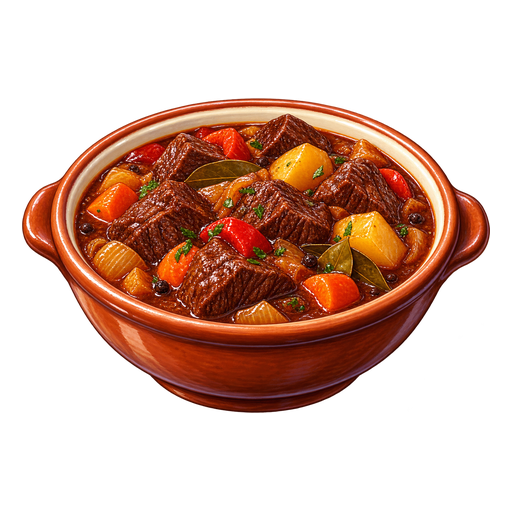
Carni stoba; a classic Aruban beef stew; beef slow-cooked with potatoes, carrots, onions, garlic, and chili peppers in a tomato-based gravy; a staple of Aruban cuisine; served with funchi or pan bati; requires 2-3 hours of braising; a hearty, comforting dish; a feature of everyday Aruban meals.
Netherlands
Bitterballen
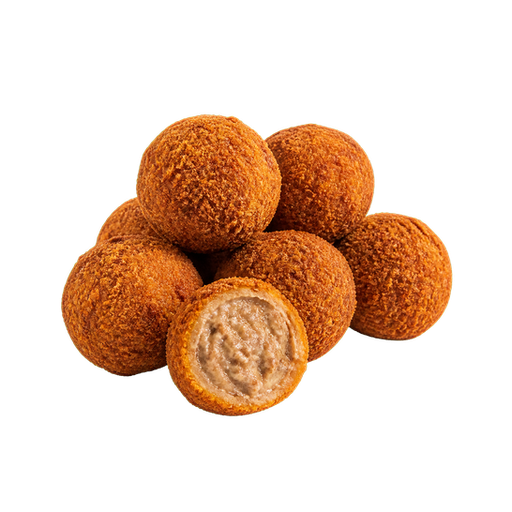
Small round version of kroket made with beef or veal ragout, popular bar snack served with mustard, traditionally with liquors.
Curaçao
Bolo Pretu
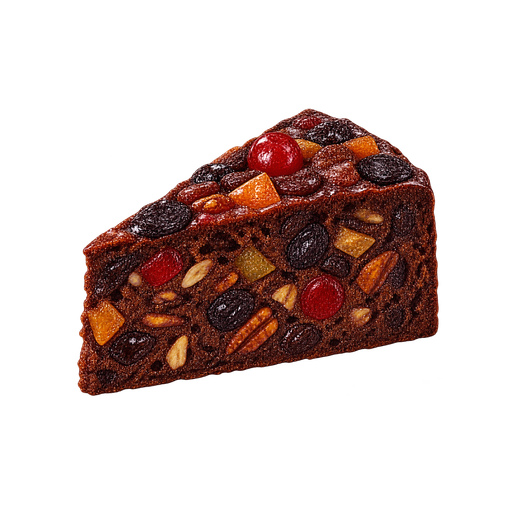
Bolo pretu (black cake); a traditional Curaçaoan festive cake; a rich, dark fruitcake; a feature of celebrations and special occasions; a reflection of Dutch and Caribbean influences
Aruba
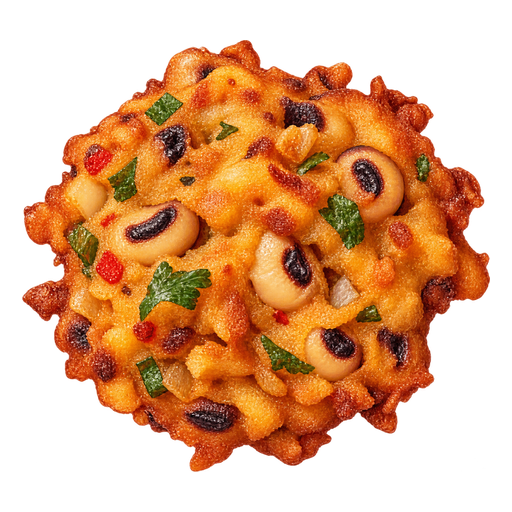
Cala
Cala; black-eyed pea fritters; beans soaked overnight in water, peeled, ground, and fried in ball shapes; a popular Aruban snack; a feature of roadside snack-bars; a staple of Aruban street food
Bonaire
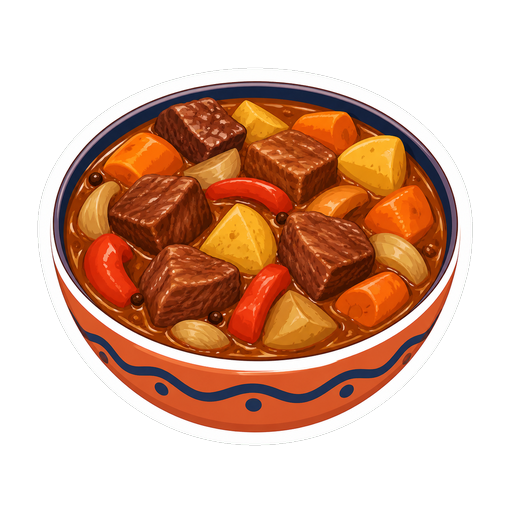
Stoba di Baka
Beef stew with an Antillean twist; made with beef cubes, vegetables, and spices in a hearty sauce; often served with rice or tutu (funchi with black beans and brown sugar)
Bonaire
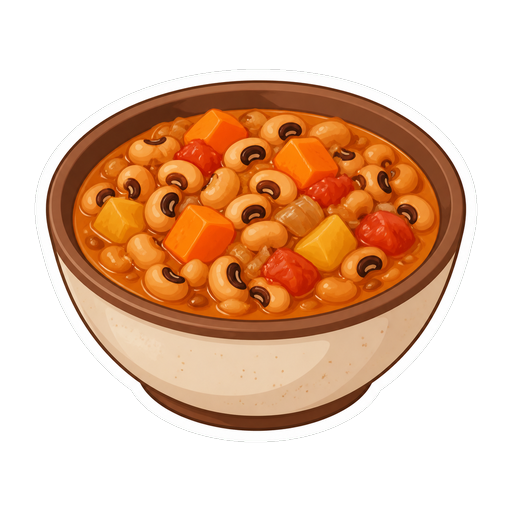
Stoba di Boonchi Wowo Pretu
A vegan stew made with black-eyed peas (zwarte oogbonen), onions, celery, garlic, tomatoes, cumin, coriander, paprika, cinnamon, and basil; served with rice and crispy bread cubes; a traditional Bonairean dish

Bonaire
Bonaire Blond
Bonaire Blond is a branded blonde ale associated with Bonaire Blond Brewery in Kralendijk, made with locally harvested aloe vera flowers and brewed with a Netherlands partner.

Bonaire
Funchi Hasa
A fried version of funchi; thick cornmeal pudding sliced and fried until golden and crispy on the outside
Bonaire
Stoba di Kabritu
Bonaire's national dish and food; slow-cooked goat meat simmered for hours with onions, tomatoes, bell peppers, local herbs (yerba di hole, oregano, thyme), lime juice, and spices; meat falls off the bone with rich savory flavor; traditionally served with funchi and bana hasa
Bonaire
Li
A typical local ice cream that is a cross between water ice and ice cream; made in different flavors including peanut butter, pistachio, pineapple, and fruit mix; sold at Toko's or by locals from home
Bonaire
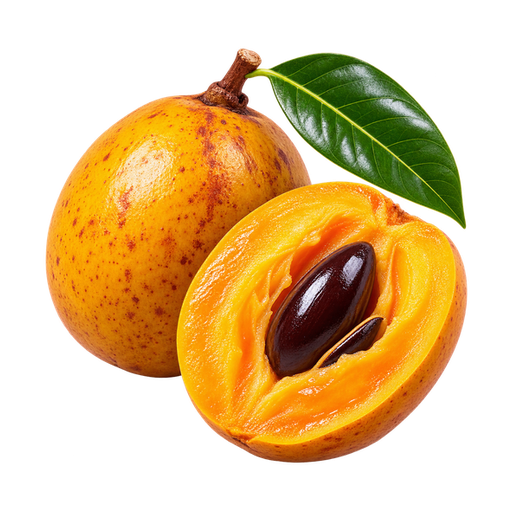
Mispel
Mispel is a small brown local fruit found on Bonaire and eaten as a seasonal island specialty.

Bonaire
Palito
A cousin of pastechi and a popular Bonairean breakfast or snack; same batter as pastechi wrapped around hotdogs or cocktail sausages, then fried; compared to a corn dog but with pastechi batter; a Bonairean street food
Bonaire
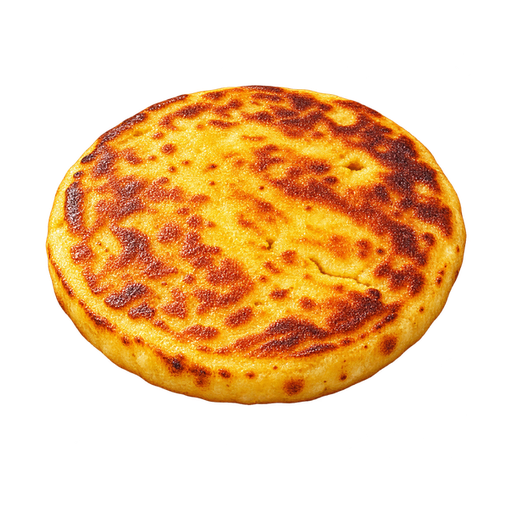
Pan Bati
A savory pancake made from cornmeal, thicker than Dutch pancakes with a slightly sweet taste from added sugar; traditionally made from leftover funchi; can be eaten with jam or butter for breakfast or with savory stews; means 'smash bread' in Papiamentu

Bonaire
Pastechi
Bonaire's street food; crescent-shaped deep-fried dough with a sweet hint; fillings include cheese (traditionally Edam), chicken, fish (tuna, red snapper, mahi-mahi), beef, and vegetables; dough lighter than empanadas; sold at early morning stands along Kralendijk boulevard; a Bonairean tradition.
Bonaire
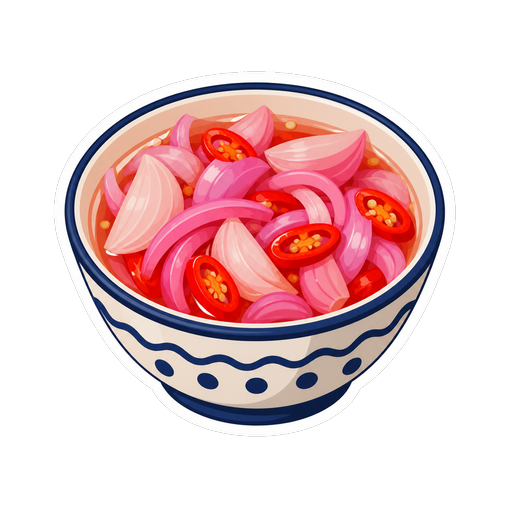
Siboyo den Pika
A classic Bonairean condiment of pickled onions and chili in a spiced, salted, sweetened vinegar base; literally 'onions in hot sauce'; made with onions, Scotch bonnet or Madame Jeanette, salt, sugar, pimento seeds, and vinegar; adds a burst of flavor and heat to any meat or stew

Bonaire
Saliña di Bonaire
Sea salt harvested from Bonaire's historic salinas, where salt pans remain a defining landscape and part of the island's working heritage.
Bonaire
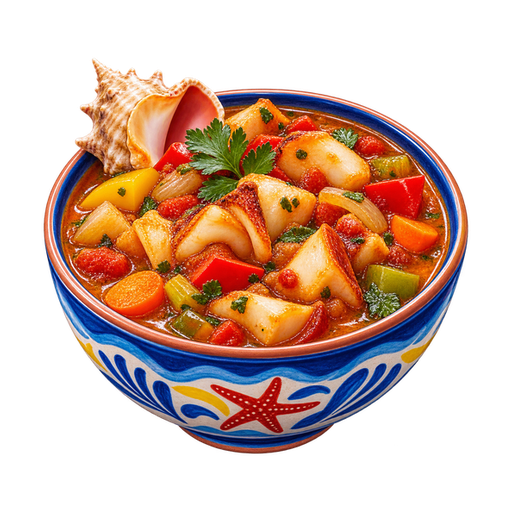
Karko Stobá
A traditional Bonairean stew made with conch (karko), vegetables, and spices; conch is tenderized before cooking

Bonaire
Cadushy
Cadushy of Bonaire Liqueur is a 20% bottled spirit made from kadushi cactus and lime at Bonaire's Cadushy Distillery, marketed as a taste of the island.

Bonaire
Captain Don's Whisky is a single-barrel whisky aged and bottled by Bonaire's Cadushy Distillery, named for diver Captain Don Stewart and sold as a Bonaire product.
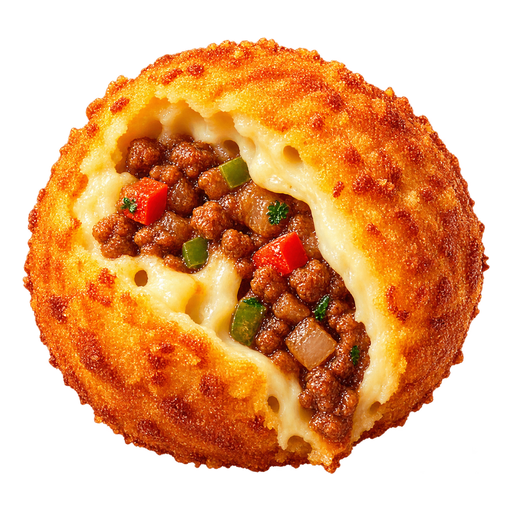
Aruba
Bolita di Keshi
Bolita di keshi are crisp fried balls of grated Gouda or Edam bound with flour and egg, a cheese-forward snack sold at Aruban bakeries and roadside snack-bars.
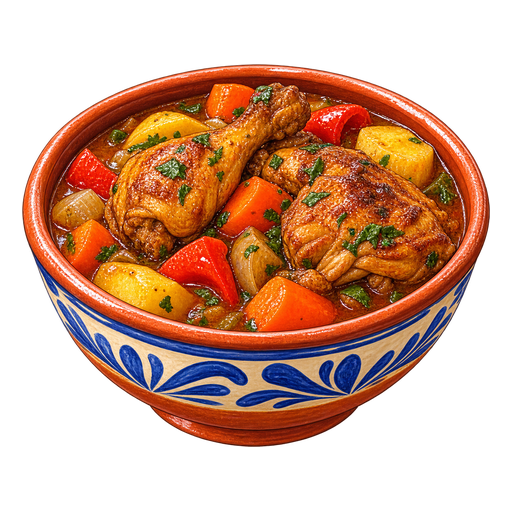
Aruba
Galina Stoba
Galina stoba; a traditional Aruban chicken stew; chicken slow-cooked with potatoes, onions, garlic, tomatoes, and spices; a staple of Aruban cuisine; served with white rice and beans (arroz moro) or funchi; a hearty, comforting dish; a feature of everyday Aruban meals
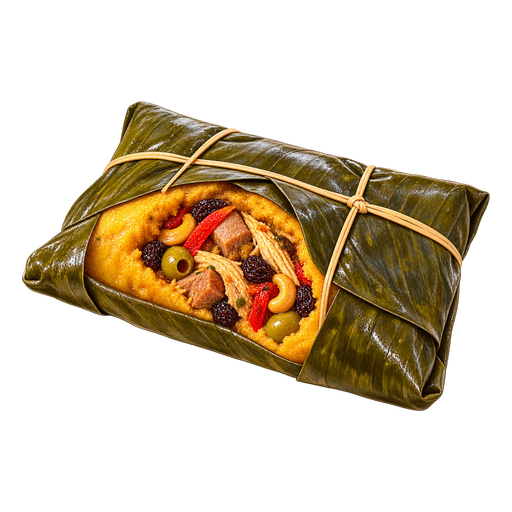
Aruba
Ayaca
Ayaca; a Christmas staple in Aruba with as many recipes as families; cornmeal dough spread on banana or plantain leaves; filled with chicken, pork, prunes, raisins, olives, cashew nuts, ham, and piccalilli; folded in leaves, tied with string, and boiled for an hour; families come together to prepare it listening to Christmas music
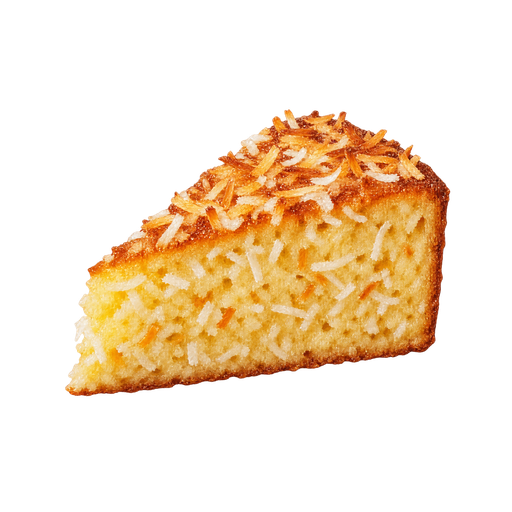
Curaçao
Bol di Coco
Bol di coco; a traditional Curaçaoan coconut cake; a sweet delight of Krioyo cuisine; made with fresh coconut; a feature of celebrations and gatherings; a reflection of the island's tropical ingredients
Aruba
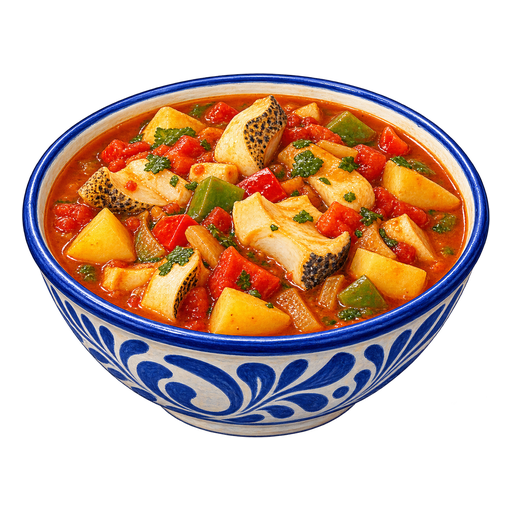
Calco Stoba
Calco stoba; a traditional Aruban conch stew; conch meat simmered with onions, green peppers, tomatoes, hot peppers, and white-wine vinegar stock; conch is a shellfish like an oyster with firm, white meat; a popular local seafood dish; a staple of Aruban cuisine; a feature of coastal dining.
Aruba
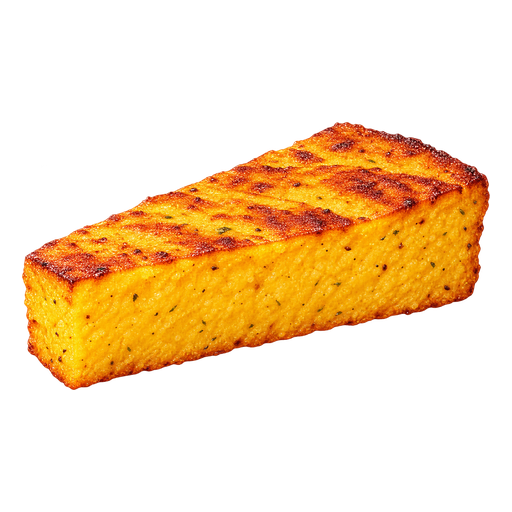
Funchi
Funchi; a cornmeal polenta-like side dish; one of the three core ingredients of Aruban cuisine; served with nearly every stew; a legacy of indigenous Arawak corn cultivation; a gluten-free corn-based side; designed to balance strong stew flavors
Aruba
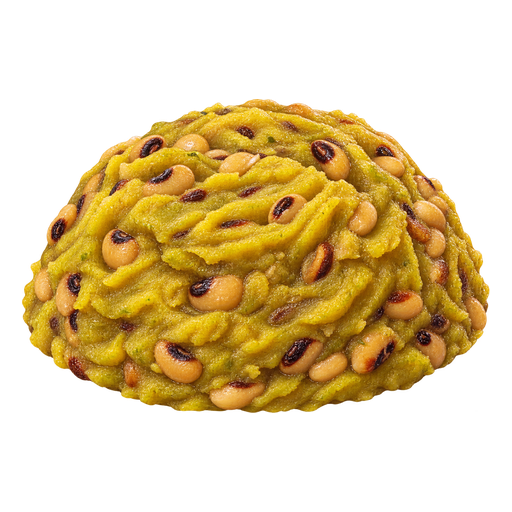
Tutu
Tutu; a cornmeal and mashed black-eyed pea side dish; a gluten-free corn-based side; beans and sugar cooked into funchi; a staple of Aruban cuisine; served with stews to balance strong flavors; appears at traditional meals
Netherlands
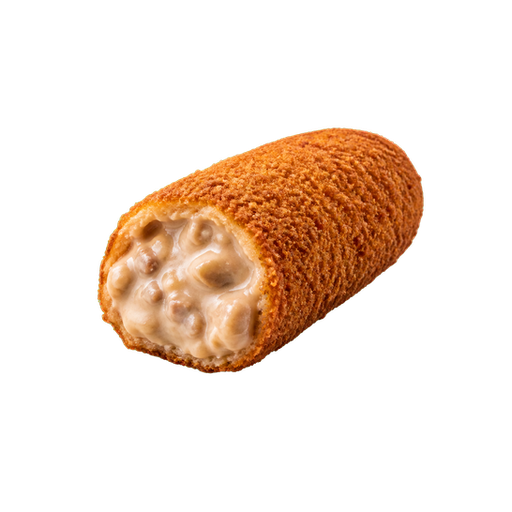
Kroket
A Dutch breadcrumbed ragout croquette, served alone or in a soft roll with mustard.

Netherlands
Advocaat
Creamy Dutch liqueur made from egg yolks, sugar, brandy, vanilla, and cream, smooth custard-like consistency with 14-20% alcohol.
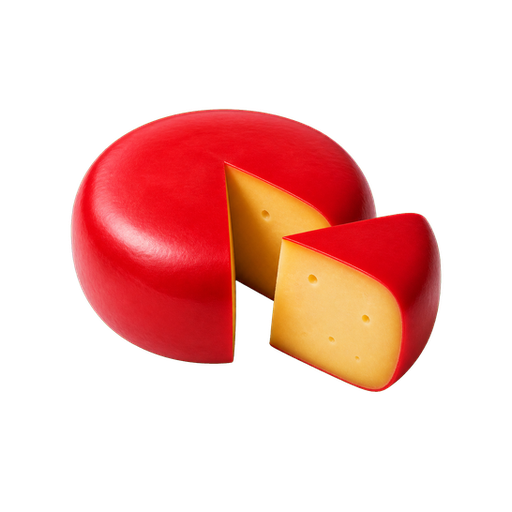
North Holland, Netherlands
Edammer kaas
Semi-hard cheese with mild sweet to piquant flavor depending on maturity, spherical shape with red wax coating, PGI status.

Curaçao
Empana; a traditional Curaçaoan stuffed pastry; filled with cheese, meat, fish, or chicken; a popular snack and street food; a feature of roadside snack-bars and bakeries; a staple of Curaçaoan cuisine; a grab-and-go treat; similar to pastechi but with its own distinct preparation.