Eastern Anatolia, Turkey
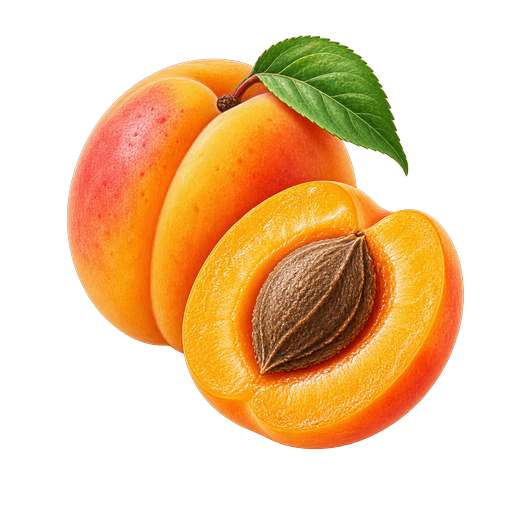
Malatya Kayısısı
Sun-dried apricots of the Malatya region, amber to deep brown, intensely sweet with a faint tart skin — Turkey's flagship dried fruit and a protected designation.

Global food category
186 traditional foods, ingredients, and local specialties connected by one appetite.
Malatya Kayısısı
The full directory
186 foods match this view. Narrow them by country, type, rarity, or name.
Eastern Anatolia, Turkey
Sun-dried apricots of the Malatya region, amber to deep brown, intensely sweet with a faint tart skin — Turkey's flagship dried fruit and a protected designation.
Balearic Islands, Spain
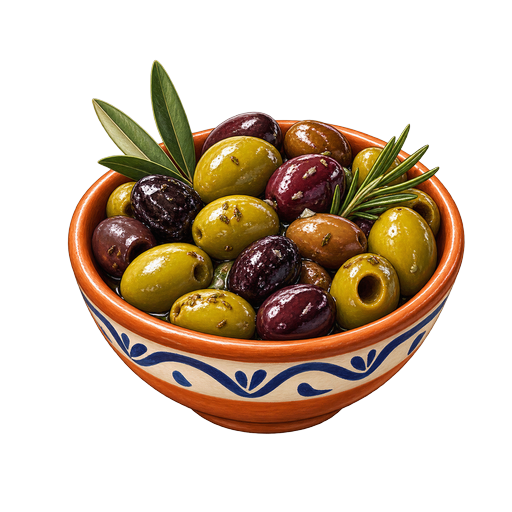
Aceituna de Mallorca
Mallorca Olives are Mallorquina table olives sold whole green, cracked green, or naturally black, with a firm bite and gently bitter, briny flavour.
Indonesia
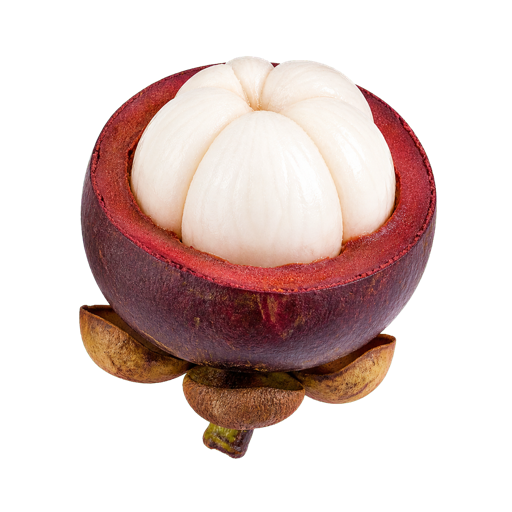
Manggis
Queen of fruits, sweet-tangy white segments in purple rind, deep purple rind with juicy white segments and sweet-tart balance, a legendary Malaysian tropical fruit
Papua New Guinea
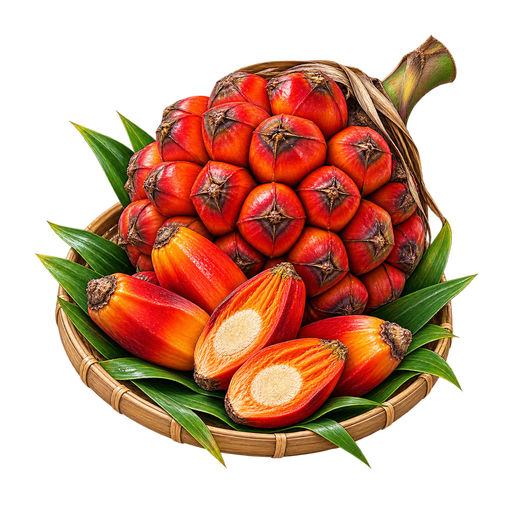
Marita is the bright orange pandanus fruit of the PNG Highlands, eaten ripe or mashed into a thick fruit preparation; its oily pulp is intensely coloured and fragrant.
South Africa
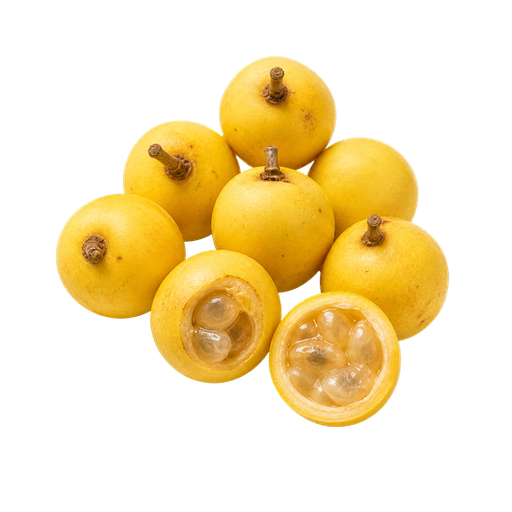
Marula
A South African wild fruit from the marula tree, sweet and tangy, used in Amarula and fermented drinks
New Caledonia
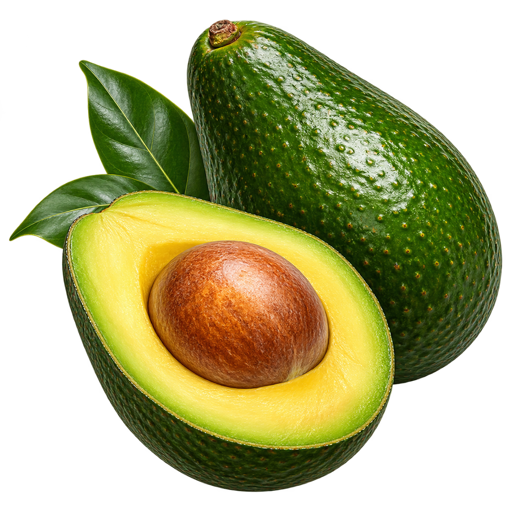
Avocat de Maré
Maré avocado; a specialty of the Loyalty Islands; buttery avocado from the island of Maré; a prized local product; a feature of island cuisine; a versatile, creamy fruit
Malawi
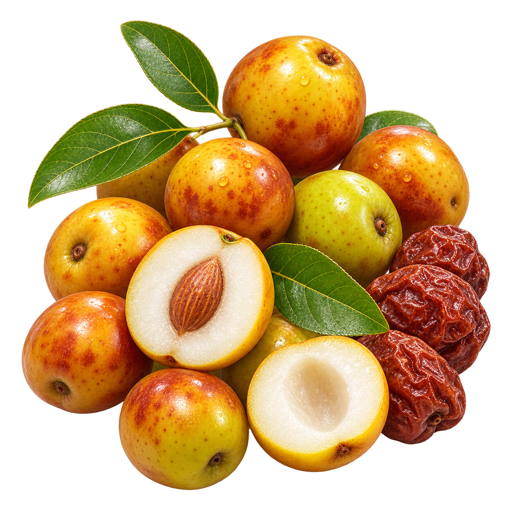
Ziziphus mauritiana, a wild jujube fruit called masau in Malawi; small, crisp, and sweet-to-subacid, eaten fresh or processed into chips, powder, fruit leather, and beverages.
Zimbabwe
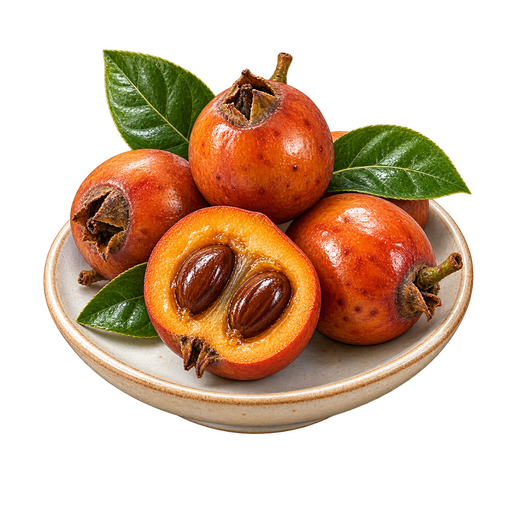
Small jujube-like fruit from the Zambezi valley, eaten fresh, dried, or fermented into a strong local brew during the Muzeze festival.
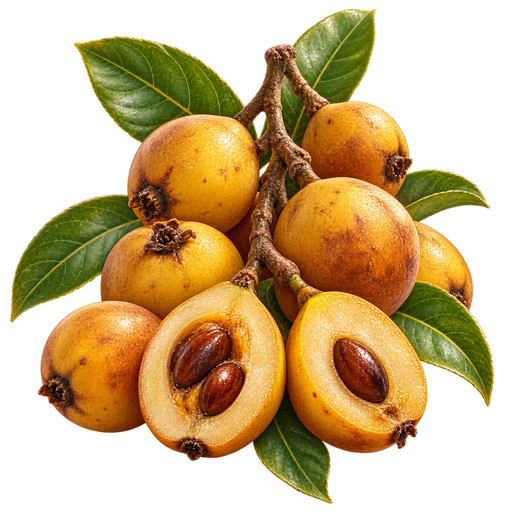
Malawi
Uapaca kirkiana, an indigenous wild loquat with yellow-brown, pear-flavoured fruit; eaten fresh and used to make a traditional wine and opaque beer in Malawi.
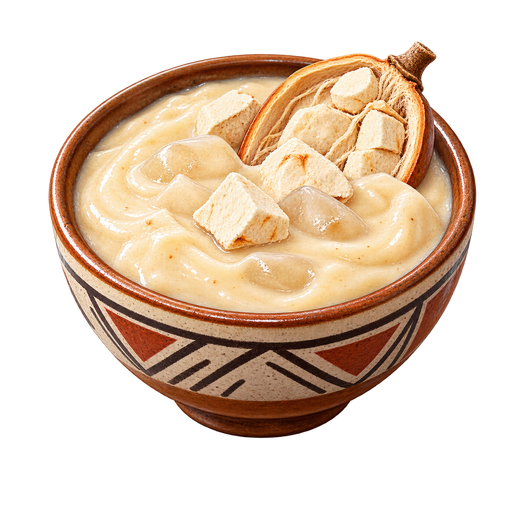
Zimbabwe
Monkey orange, a hard green-shelled fruit that is cracked open to a tart, seedy pulp eaten raw or cooked down with sugar.
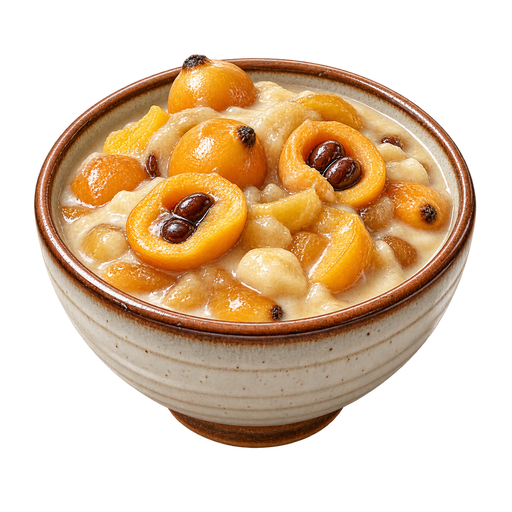
Zimbabwe
The snot apple: a hard brown pod whose fibrous pulp is chewed and sucked, slippery and faintly sweet-sour.
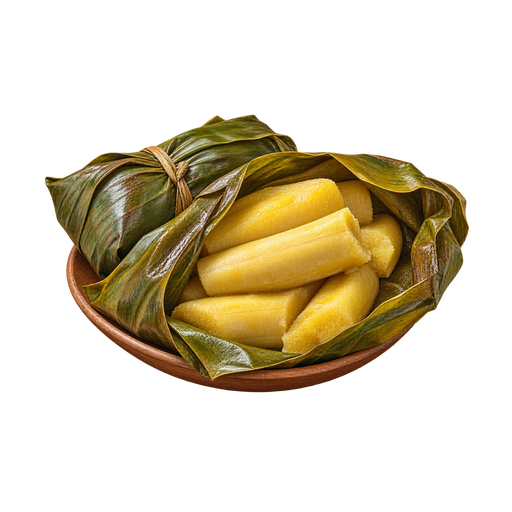
Uganda
Green cooking bananas peeled, wrapped in their own leaves and steamed for hours over a pot until they turn soft and pale yellow, then mashed in the bundle.
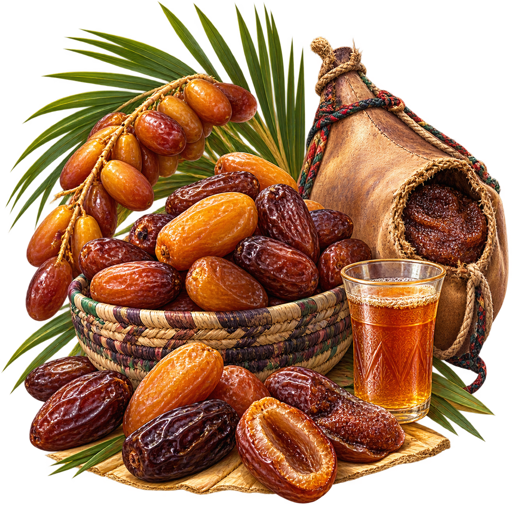
Adrar-Tagant (Date Oases / Taguella), Mauritania
Tamr
Dates grown in the oasis regions of Adrar, Tagant, Assaba, and Hodh; over 100 varieties harvested during the Guetna season (July–September); a staple energy food, eaten fresh, dried, or pressed into skins as paste for long-term storage; the date palm is central to oasis agriculture and Mauritanian hospitality.
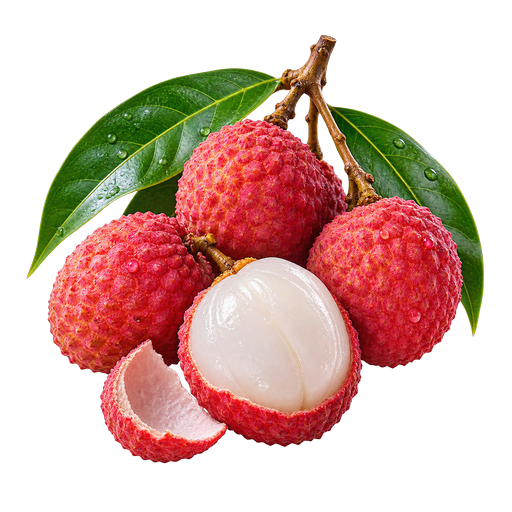
Mauritius
Litchi
Lychees from the island's short December-to-January crop, sold in bunches on the branch at the roadside.
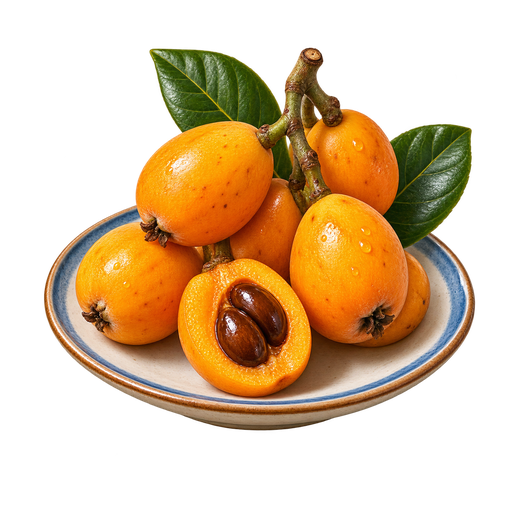
Zimbabwe
Sugar plum, a brown-skinned wild fruit of the miombo woodland with sticky orange flesh tasting of dried apricot.
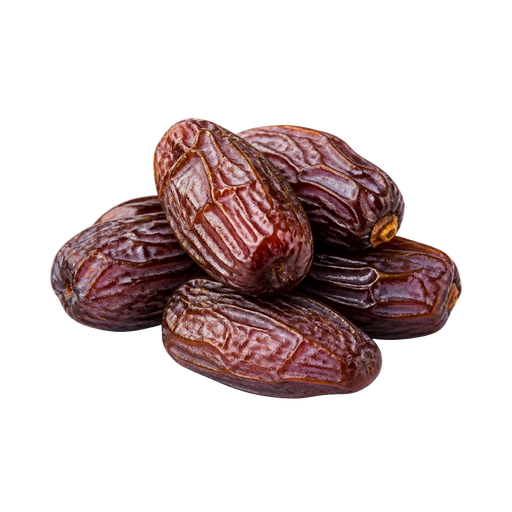
Israel
תמר מג'הול
Medjool dates originated in Morocco’s Tafilalt oasis and are now cultivated in the Jordan Valley and around the Dead Sea, where large soft fruits ripen in autumn.
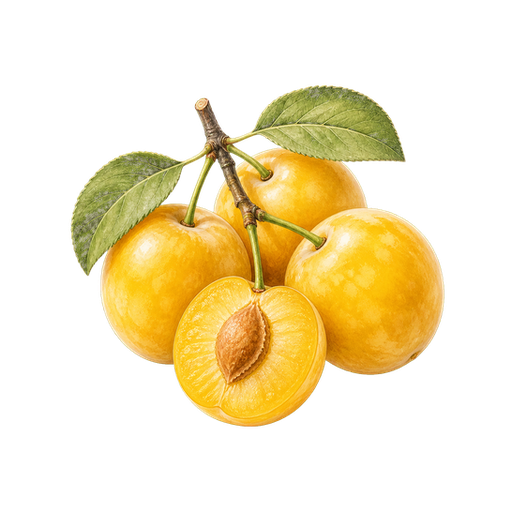
Grand Est, France
Mirabelle
Small sweet yellow plum from Lorraine, used in tarts and eau-de-vie.
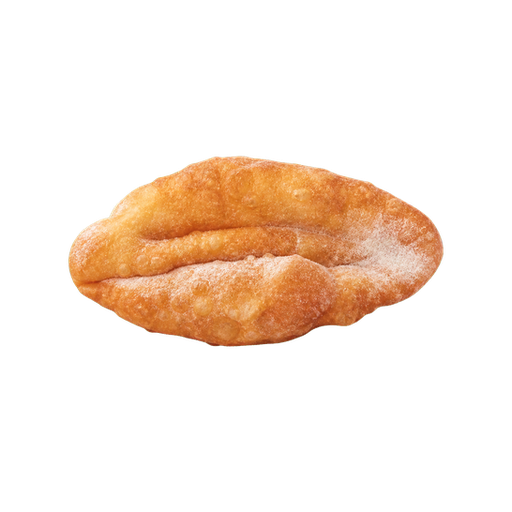
Argentina
A small, sweet, brown fruit from the mistol tree of the Argentine northwest, eaten fresh or dried for bolanchao. A pre-Hispanic food of the Chaco region.
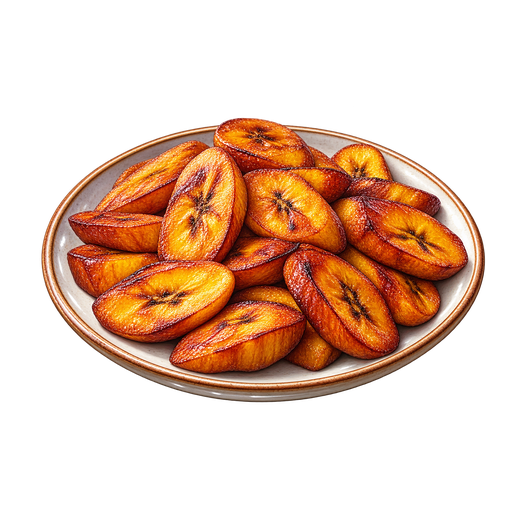
Rwanda
Ripe plantain slices deep-fried until golden and crisp, served as a sweet street snack; sometimes plated with a scoop of vanilla ice cream in tourist restaurants; sold at vendors and stalls across Rwanda.
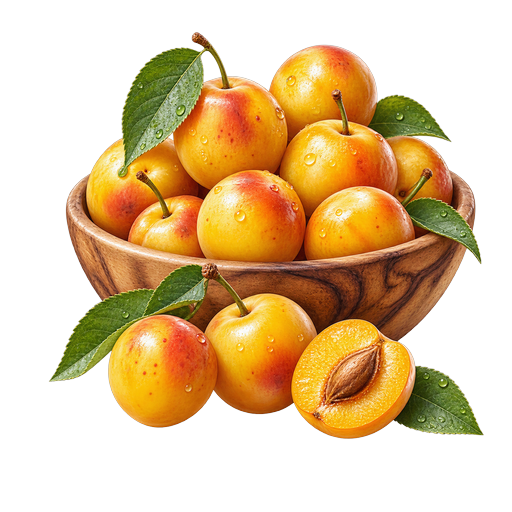
Luxembourg Moselle, Luxembourg
Mirabelle
Golden mirabelle plums grown along the Moselle, an EU-protected Luxembourgish speciality.
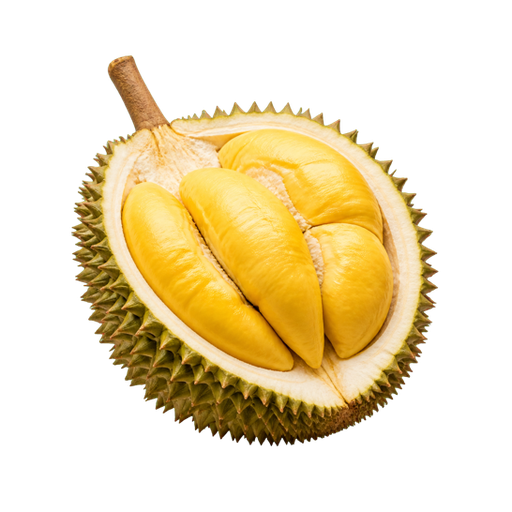
Kelantan, Malaysia
Premium durian variety from Pahang, thick creamy flesh with intense flavor and bitter-sweet balance, the most prized durian cultivar.
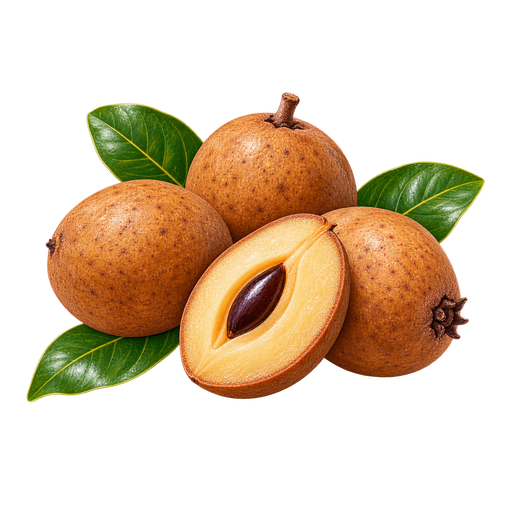
Jamaica
Brown-skinned fruit with grainy, malty brown flesh tasting of brown sugar and pear, eaten when it gives to a thumb.
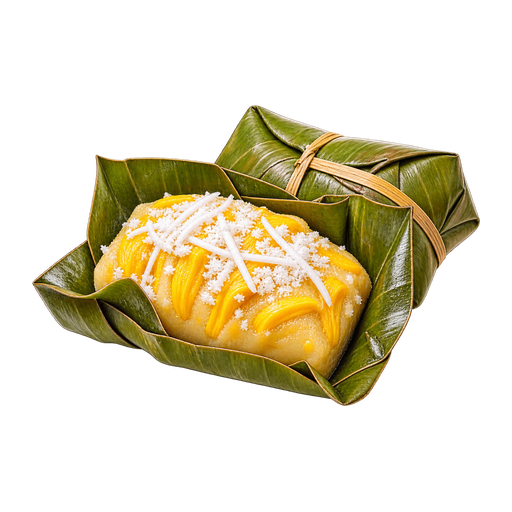
Cambodia
នំចាក់ចុល
Sweet made from sugar palm fruit (chak) with coconut milk and palm sugar, served cold.
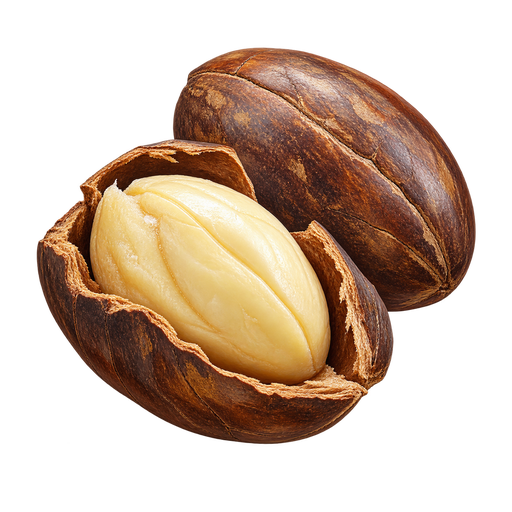
Papua New Guinea
Okari is a PNG tree nut roasted or cooked into a rich paste, with a firm, oily bite and a flavour like a mild almond.
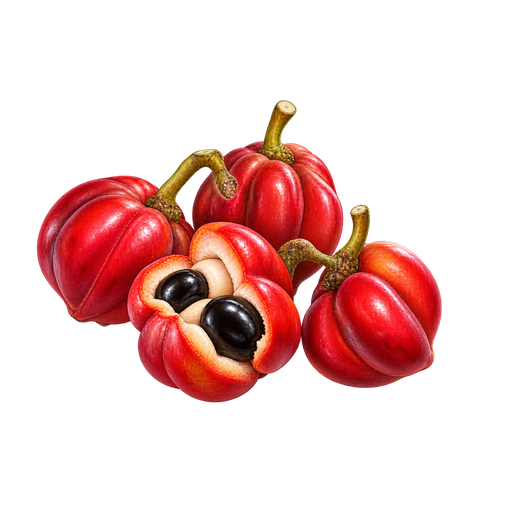
Sao Tome and Principe
Óssame
Óssame is a red, bulbous fruit unique to Sao Tome and Principe; used in some versions of calulu; a local ingredient that adds color and flavor to the national dish; a fruit that is little known outside the islands; a unique Santomean ingredient; the red fruit of the islands.
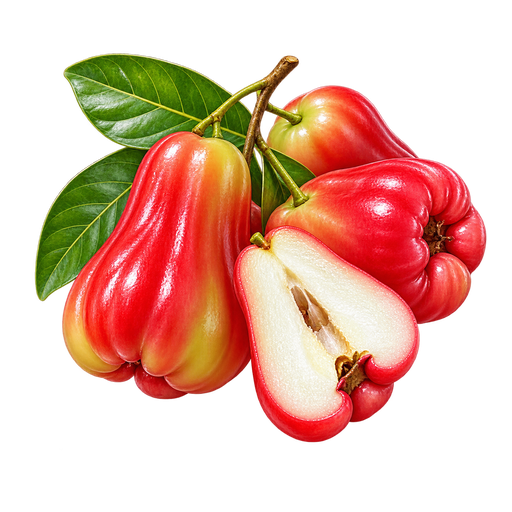
Jamaica
Deep crimson pear-shaped fruit with crisp white flesh, mildly sweet and mostly water, in season around Easter.
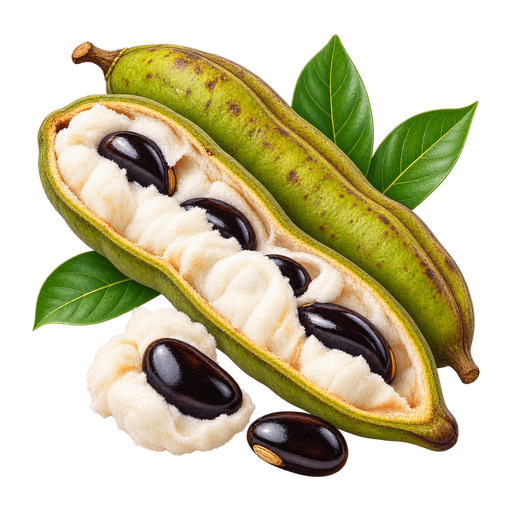
Peru
A long Andean fruit with cottony sweet pulp around large black seeds.
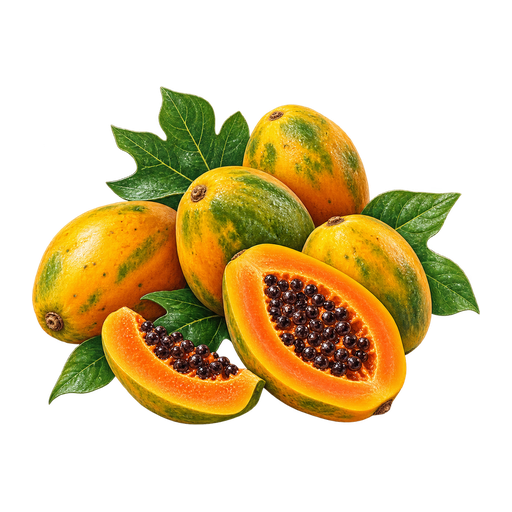
Arequipa, Peru
Small highland papaya from southern Peru, distinct from the large tropical fruit.
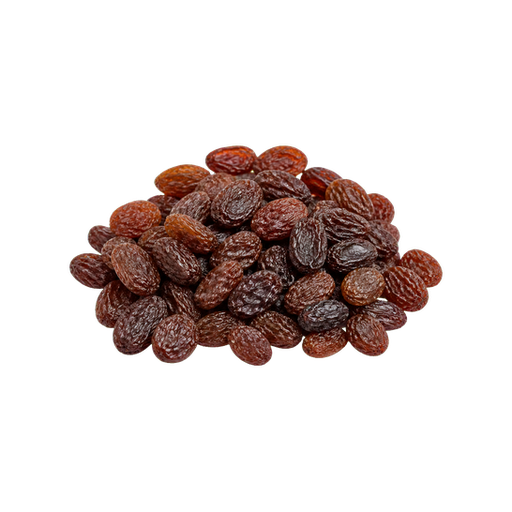
Mendoza, Argentina
Raisins from Mendoza, dried grapes from Argentina's wine country, used in locro, carbonada, and desserts. A staple ingredient of the Cuyo and national cuisine.
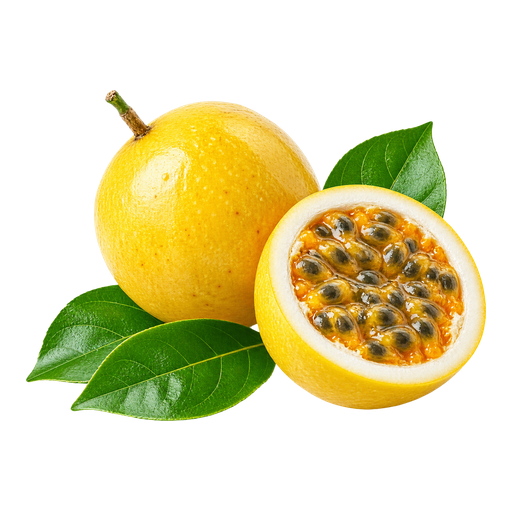
Brazil
Maracudja
Passion fruit, the seedy aromatic fruit of a climbing vine native to South America, ubiquitous in Brazilian juices, mousses and desserts.
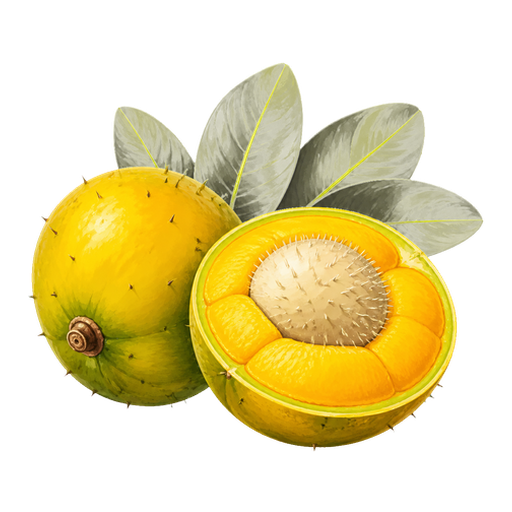
Goiás, Brazil
A spiky, golden-yellow Brazilian fruit from the cerrado, with a rich, buttery, slightly resinous flesh clinging to a large seed. Used in rice, chicken and stews.
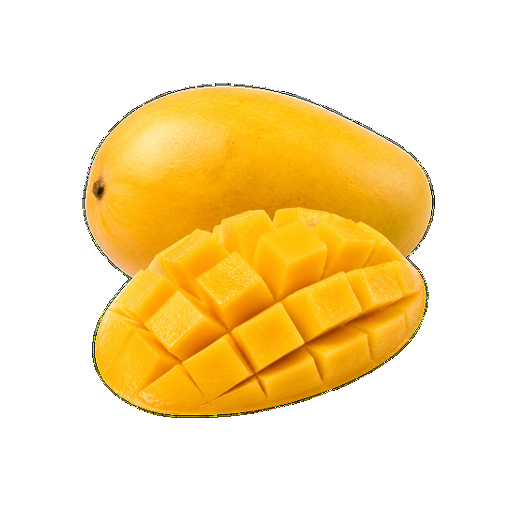
Philippines
Mangga
The world-renowned Philippine mango (Carabao variety), known for its exceptional sweetness, juicy texture, and no fibers.
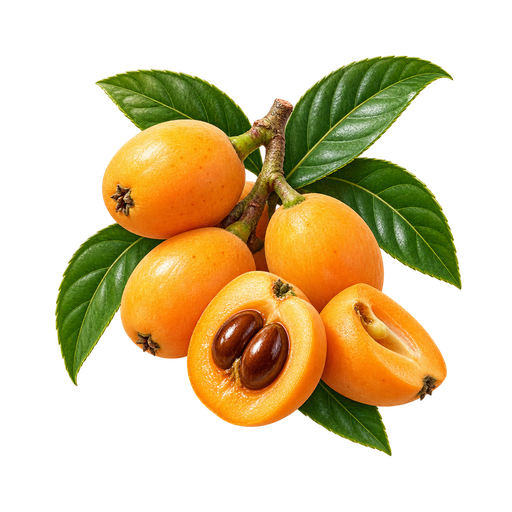
Madagascar
Loquats grown in the highlands, sold in the short spring season in small orange bunches.
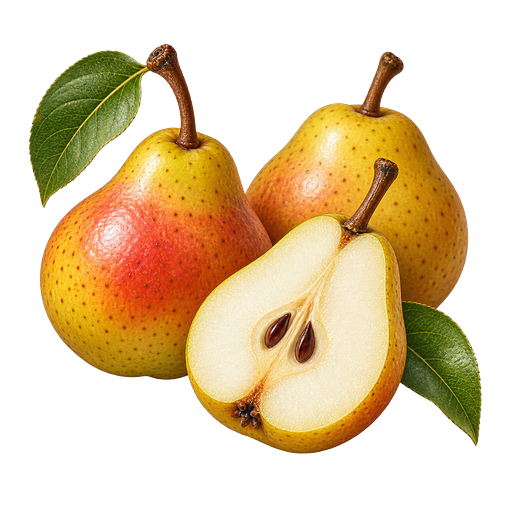
Fribourg, Switzerland
Protected small Fribourg pear traditionally served cooked with festive meat dishes.
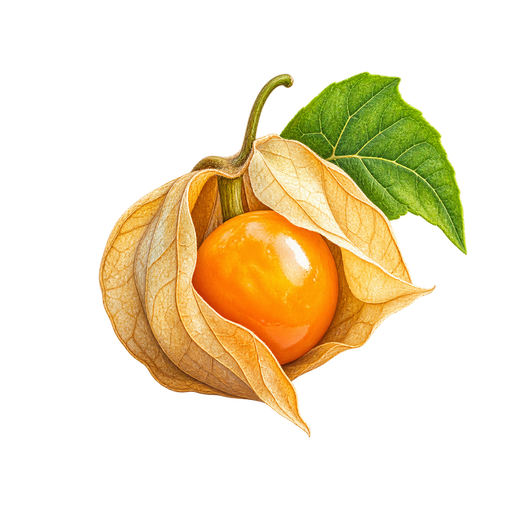
Madagascar
Voanantsindrana
A small orange physalis fruit sold in its papery husk, tart and sweet at once.
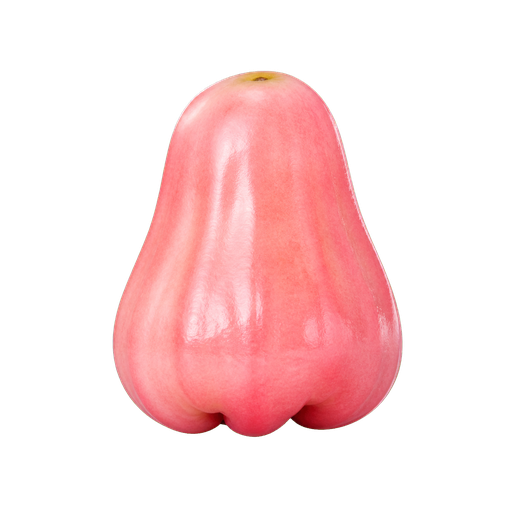
Dominican Republic
A Dominican tropical fruit (rose apple) with pale pink, crisp, aromatic flesh, eaten fresh. A lowland fruit, sweet and floral, with a rose-like aroma.