Nagaland, India
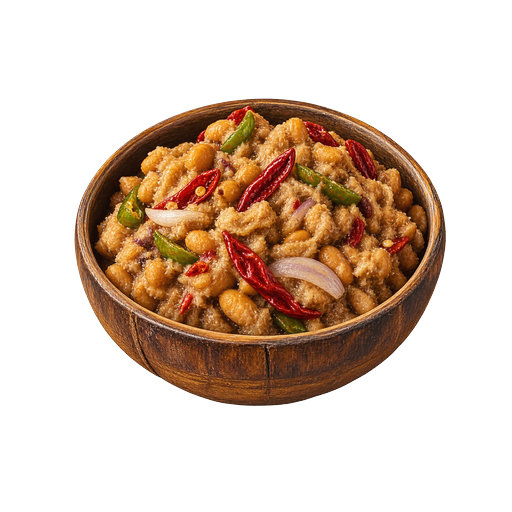
Akhuni
Axone
A Naga fermented soybean paste, pungent and savoury, used to season vegetables and stews.

Global food category
54 traditional foods, ingredients, and local specialties connected by one appetite.
Akhuni
The full directory
54 foods match this view. Narrow them by country, type, rarity, or name.
Nagaland, India
Axone
A Naga fermented soybean paste, pungent and savoury, used to season vegetables and stews.
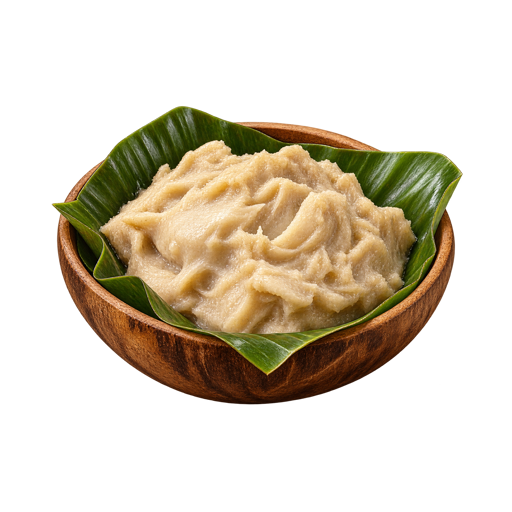
Chuuk State (Central FSM), Federated States of Micronesia
Apwet is Chuukese fermented breadfruit kept for a shorter period than the longest-preserved forms, leaving a tangy, soft paste that can be cooked or served with savoury food.

Kaesong, North Korea
보쌈김치
A Kaesong specialty: spiced napa cabbage leaves folded around a filling of sliced pine nuts, apples, pears, chestnuts, and jujubes; elaborately wrapped and fermented; at the table the top is cut in a cross so the bundle opens like a flower; a celebratory and ceremonial dish from the historic city of Kaesong.
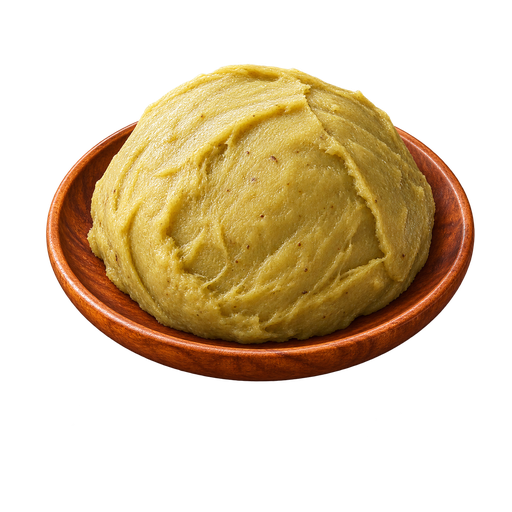
Marshall Islands
Bwiro is breadfruit fermented with saltwater, kneaded, baked in an earth oven, and stored as a tart preservation paste that can last through lean seasons.
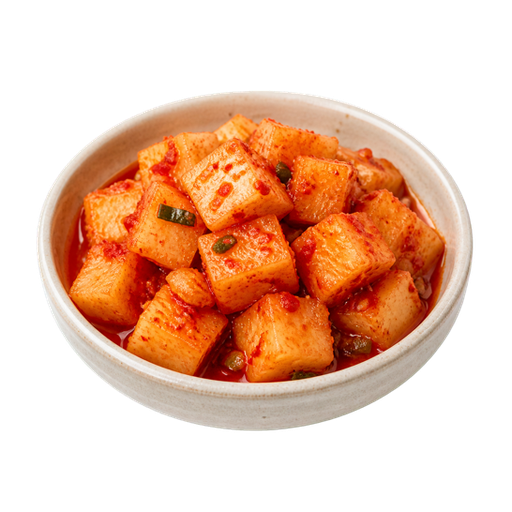
North Korea
깍두기
Korean radish cut into cubes and fermented with chili paste, garlic, and ginger, the perfect accompaniment to ox bone soup.
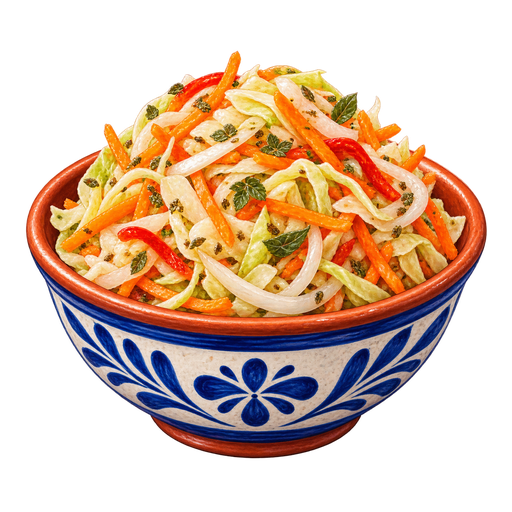
El Salvador
A Salvadoran fermented cabbage and carrot slaw with vinegar and oregano, the essential pupusa companion
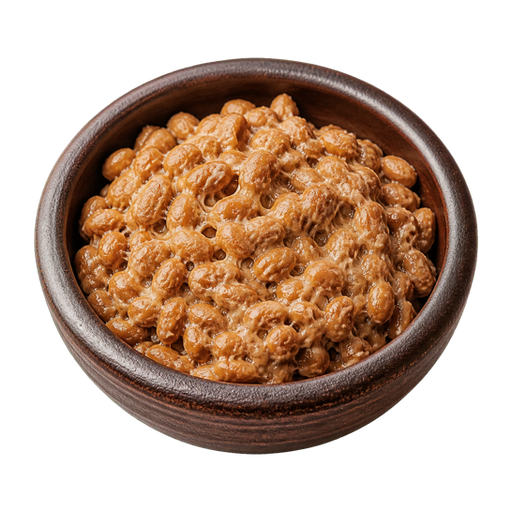
South Korea
청국장
A quick-fermented soybean paste with a strong, pungent aroma and a stringy texture from Bacillus subtilis, used in stews.

Myanmar
ပဲငါးပိ
Soybean fermented and pressed into discs, dried and either toasted whole or ground into curries as a vegetarian source of umami.
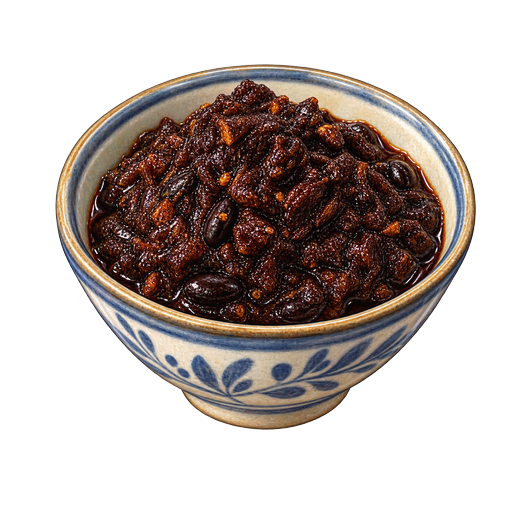
Myanmar
ပုန်းရည်ကြီး
Thick, dark paste of fermented horse gram from Myanmar's dry zone, used where fish paste would be in a coastal kitchen. It is a named bean-based accompaniment, distinct from soybean pe-ngapi.
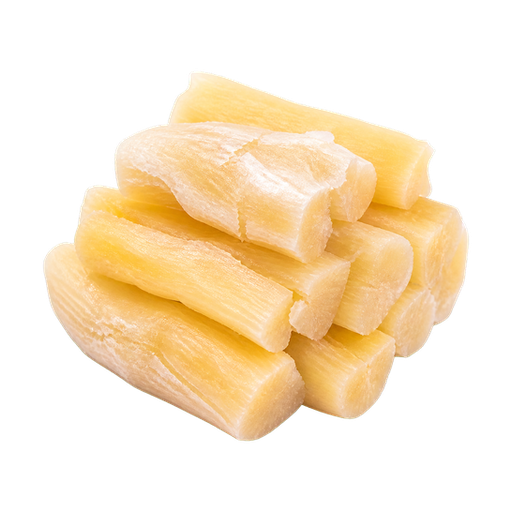
Indonesia
Tape Singkong
Fermented cassava, sweet and slightly alcoholic, soft and aromatic, traditional snack.
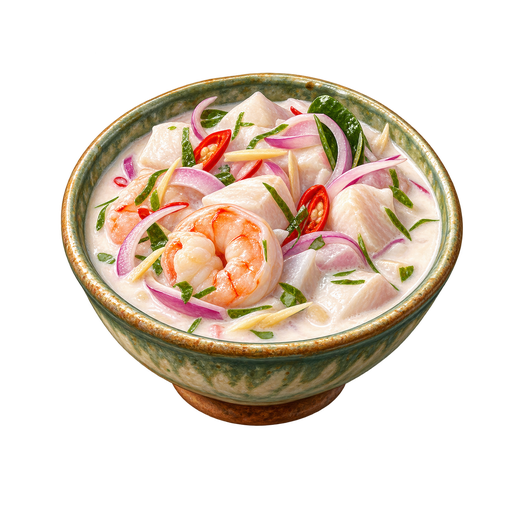
French Polynesia
Miti Hue
Miti hue is fermented fish or seafood mixed with coconut and aromatics; the ageing gives the Tahitian preparation a pronounced savoury tang.
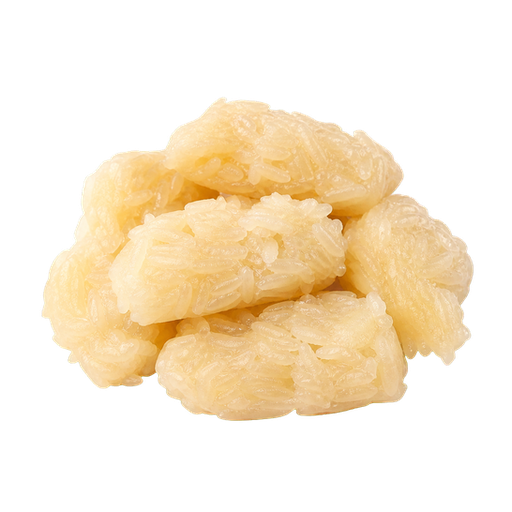
Brunei
Tape Ketan
Fermented glutinous rice, slightly sour-sweet with soft texture and alcoholic aroma, snack

South Korea
메주
Dried, fermented soybean blocks that are the foundation of doenjang, ganjang, and gochujang, made by soaking, grinding, and fermenting soybeans.
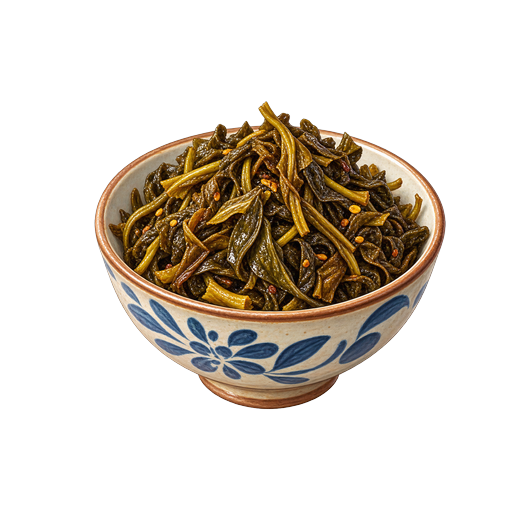
Myanmar
လက်ဖက်
Young tea leaves steamed and packed into bamboo or clay to ferment for months, ending up soft, sour and faintly bitter.
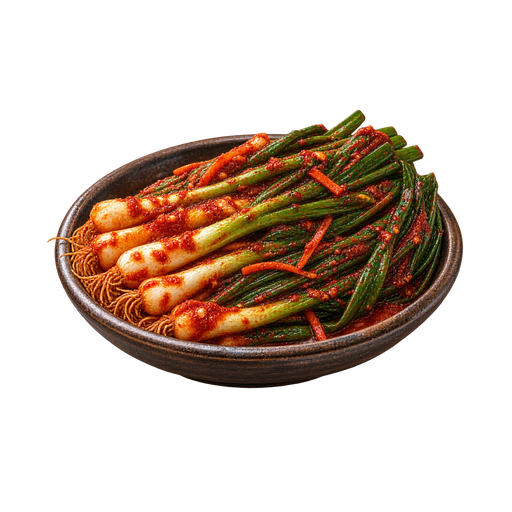
South Korea
파김치
Green onions (scallions) fermented with chili paste, fish sauce, and anchovy sauce, a bold and chewy kimchi variety.
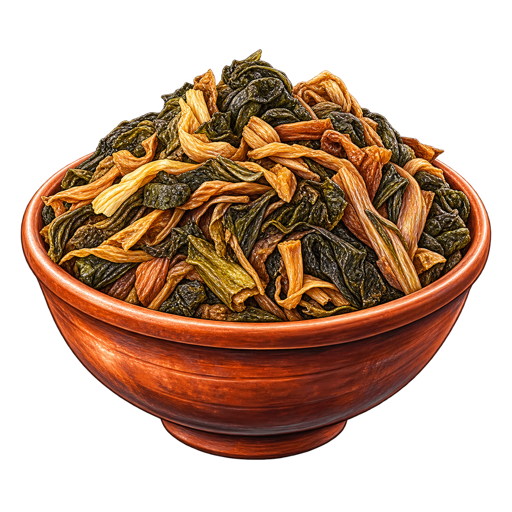
Nepal
गुन्द्रुक
Leafy greens are fermented, dried, and later rehydrated for sour soups and side dishes across Nepal.
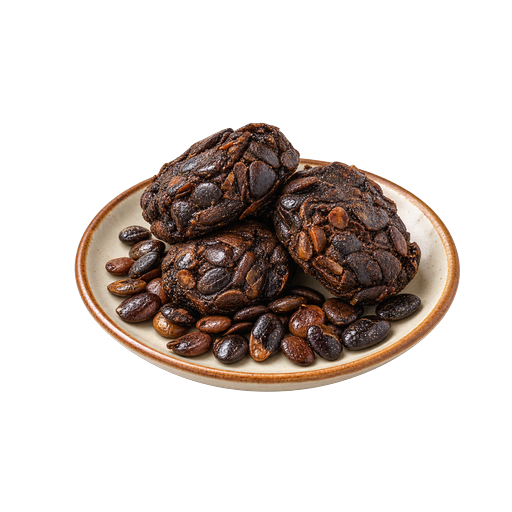
Niger
Ìrú
African locust beans fermented until they turn black and pungent, pressed into cakes and used a pinch at a time in soups.
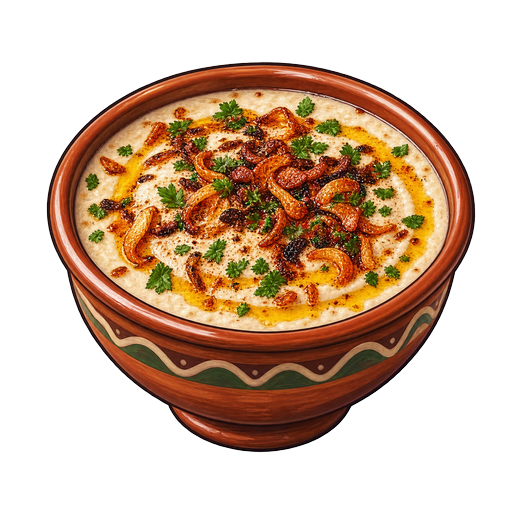
Egypt
كشك
An Egyptian fermented dairy product of dried yogurt and cracked wheat, used in soups and stews.
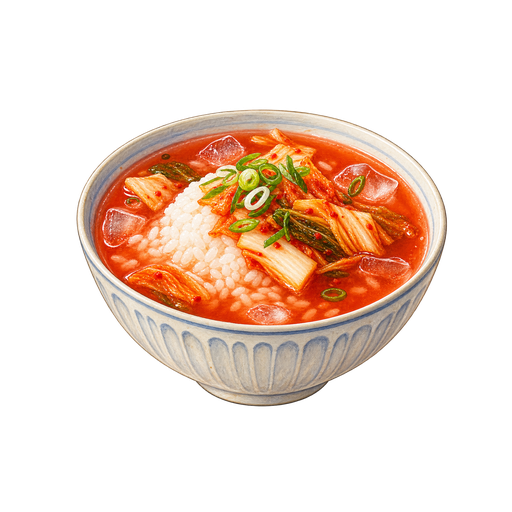
Pyongan, North Korea
김치말이
Cold kimchi broth with rice, a Pyongan province representative dish; old kimchi is chopped and simmered in water to make a tangy broth, then served over rice; a refreshing summer dish that uses aged kimchi; a homely, everyday food of the Pyongan region; light, tangy, and cooling.
Koshi and Eastern Nepal, Nepal
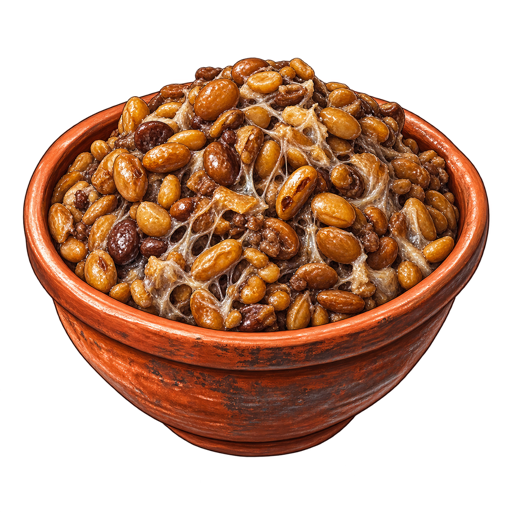
किनेमा
Soybeans are cooked, fermented, and used as a sticky, savory ingredient in eastern Nepal's Kirat cooking.

North Korea
고추장
An essential fermented paste of gochugaru, glutinous rice, soybeans, and salt, with a complex spicy-sweet-savory flavor, the backbone of Korean cooking.

North Korea
된장
Korea's foundational fermented soybean paste, made from meju blocks fermented in brine, with an earthy, pungent, and deeply umami flavor.
Federated States of Micronesia
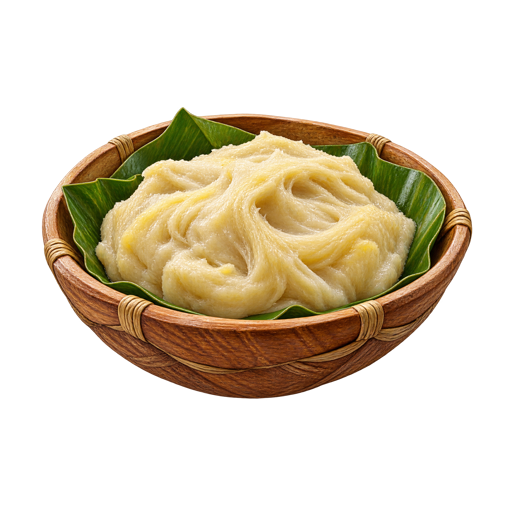
Mahr
Breadfruit fermented in leaf-lined pits for months to years; reduces to a tart, doughy paste; crucial food security crop that can sustain communities through cyclones and crop failures; eaten at various fermentation stages; one of the most ancient and important preservation technologies in the Pacific.
Nepal
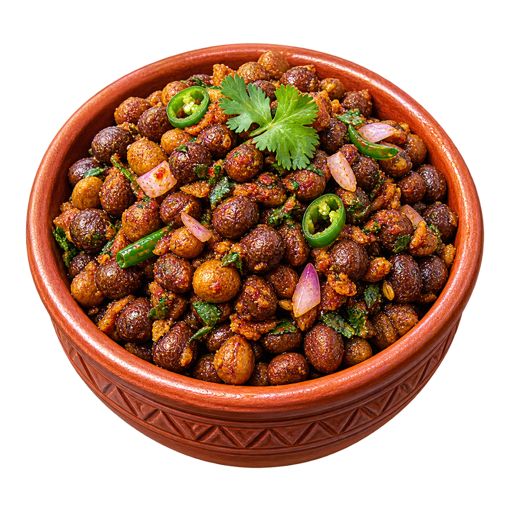
मस्यौरा
Sun-dried lentil and vegetable patties, a Nepali pantry staple rehydrated in curries.
Japan
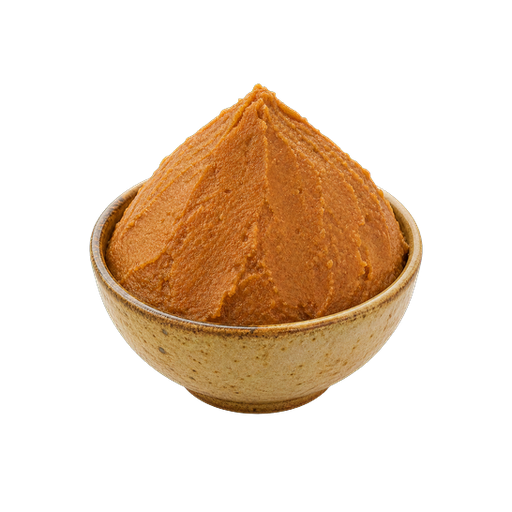
味噌
Fermented soybean paste, the foundation of Japanese cooking, with regional varieties from white to dark.
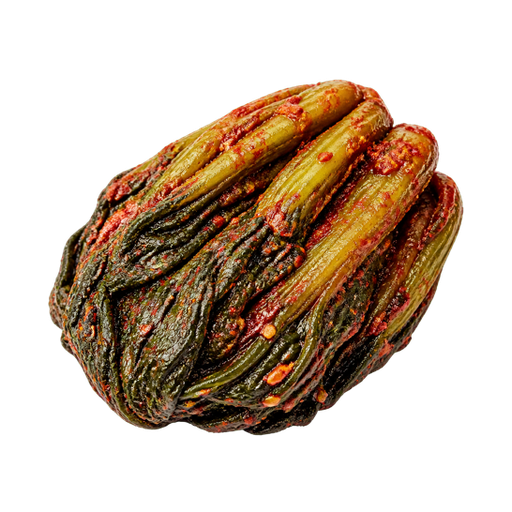
South Korea
갓김치
Pungent mustard leaves fermented with chili paste and anchovy sauce, a bold and peppery kimchi from the Jeolla region.
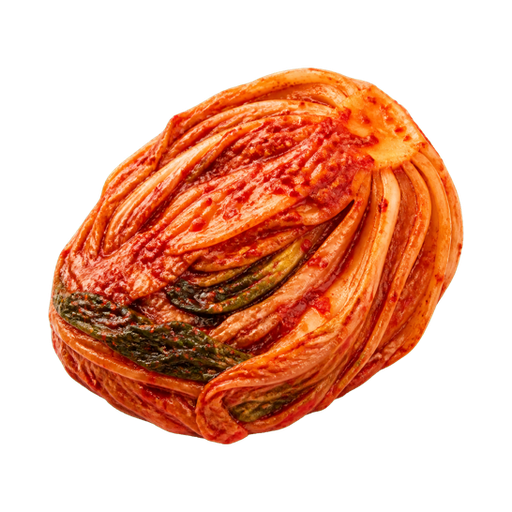
North Korea
배추김치
The essential Korean kimchi: napa cabbage coated with gochugaru, garlic, ginger, and salted seafood (jeotgal), then fermented.
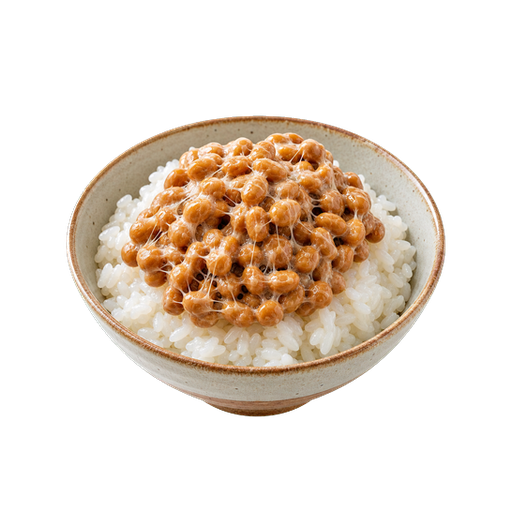
Japan
納豆
Fermented soybeans with a stringy, sticky texture and pungent aroma, eaten over rice for breakfast.
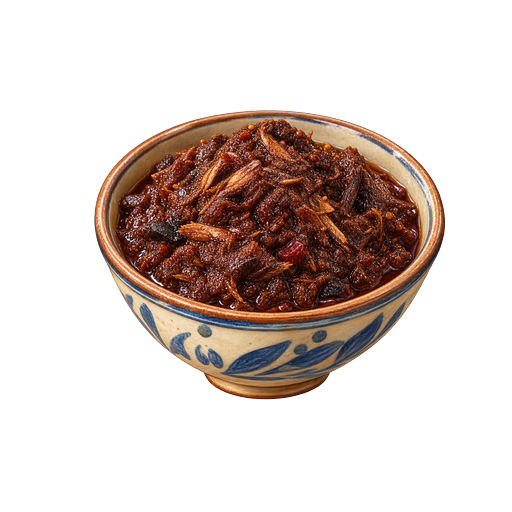
Myanmar
ငါးပိ
Fermented paste of salted fish or shrimp, pressed and aged until pungent; the backbone of almost every savoury Burmese dish.
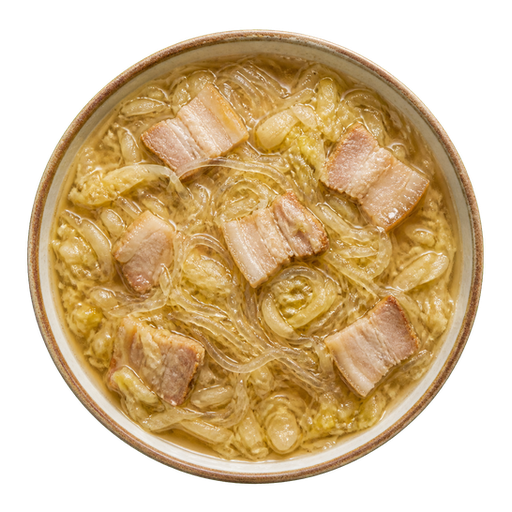
China
酸菜
Whole Chinese cabbages salted and pressed under stones in a jar through the northeastern winter until they turn sour and translucent.
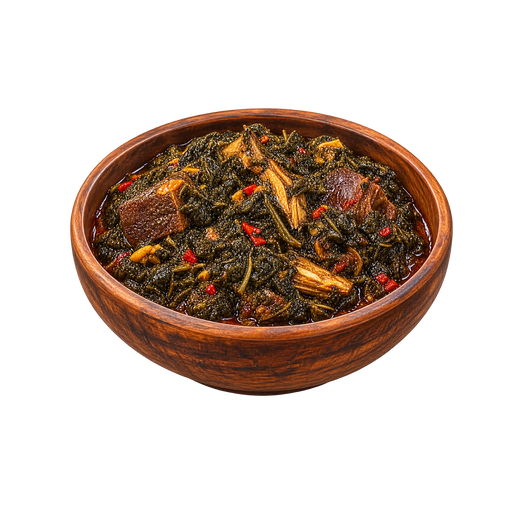
Republic of the Congo
A fermented cassava leaf product made by alkaline fermentation; dark, pungent, and used as a base for sauces.
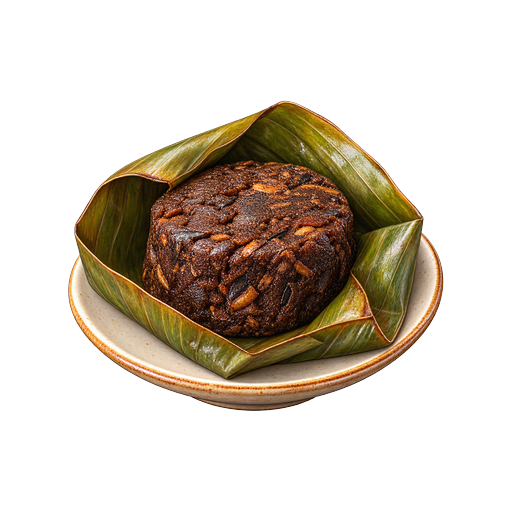
Nigeria
Fermented melon or castor seed paste, wrapped in leaves and used as a strong savoury seasoning in Igbo soups.
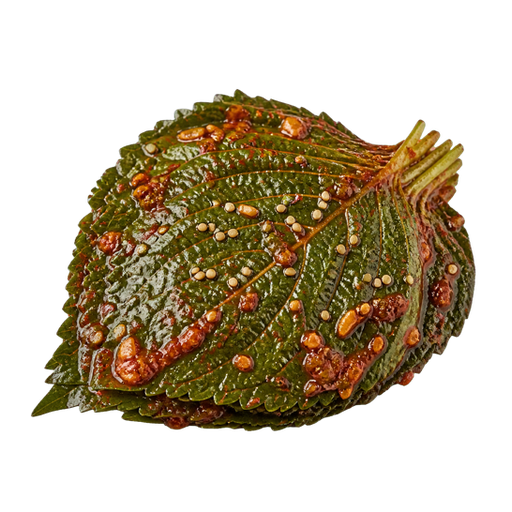
South Korea
깻잎김치
Perilla leaves layered with a soy or chili marinade, fermented into a nutty, savory, and aromatic side dish.
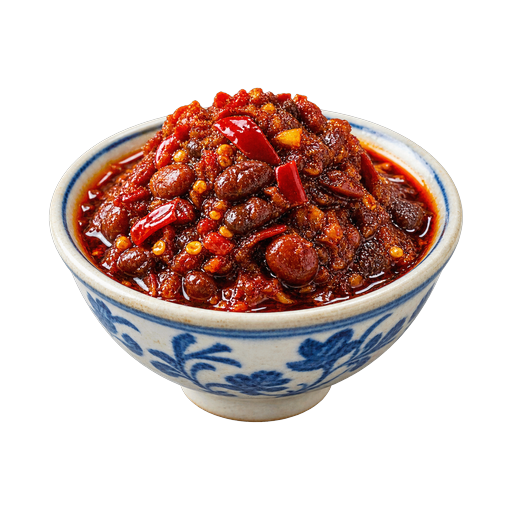
Sichuan, China
郫县豆瓣酱
Fermented paste of broad beans and chillies aged in open clay jars for one to three years, the base seasoning of most red Sichuan dishes.
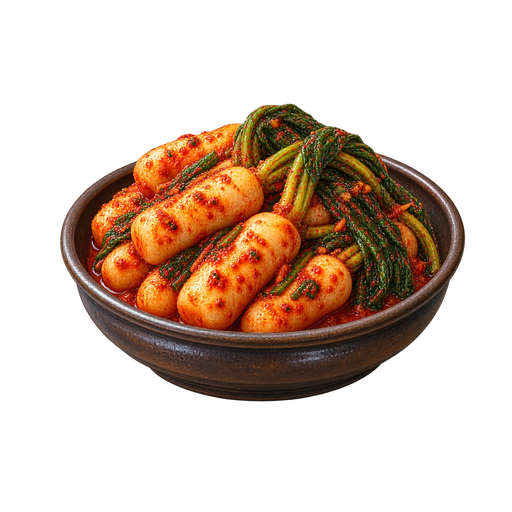
South Korea
총각김치
Small whole radishes with their greens attached, fermented in a spicy chili paste, known for an extra-crunchy texture.

Eastern Norway, Norway
A Norwegian dish of fermented trout or char, salted and cured for months, eaten raw with a strong, pungent flavor. Served on flatbrød with red onion, sour cream, and mustard, a national and autumn specialty, an acquired taste.