
Soft Drinks
Pulp Guaraná
Paraguay
Paraguayan guaraná soda sweetened with natural fruit juice, lighter green and fruitier than the Brazilian brands and a point of national pride since 1988.

Original eatfuls sticker artwork
What it is
A closer look at Pulp Guaraná.
Paraguayan guaraná soda sweetened with natural fruit juice, lighter green and fruitier than the Brazilian brands and a point of national pride since 1988.
What to look for
Know it when you find it.
Poured over ice from returnable bottles; look for the red-and-green Pulp label at every kiosco, poured foamy and very cold.
Where it belongs
Origins and
traditions.
Food rarely respects a border. These are the places the dataset connects most strongly to Pulp Guaraná.
Paraguay
Country-wide tradition
Names around the table
One food, more than one name.
Keep exploring
If this caught your eye…
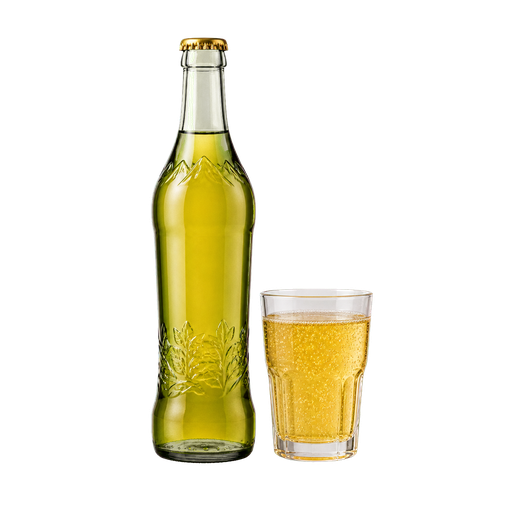
Austria
Almdudler
Austria's national soft drink: herbal carbonated lemonade made from Alpine herbs, called the national drink, natural herbal flavor, iconic and refreshing.
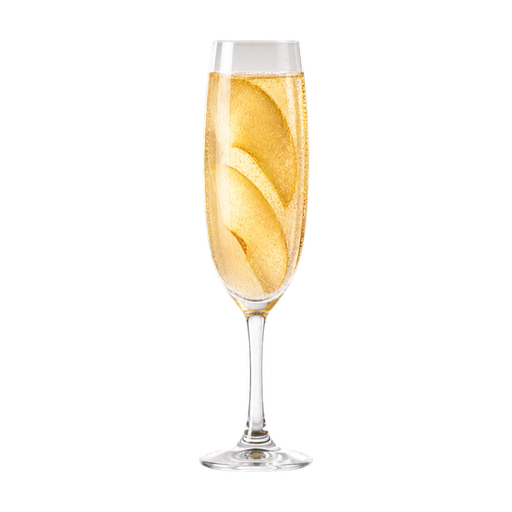
South Africa
Appletiser
A South African sparkling apple juice from the Elgin Valley, 100% apple with no added sugar, a national and premium drink
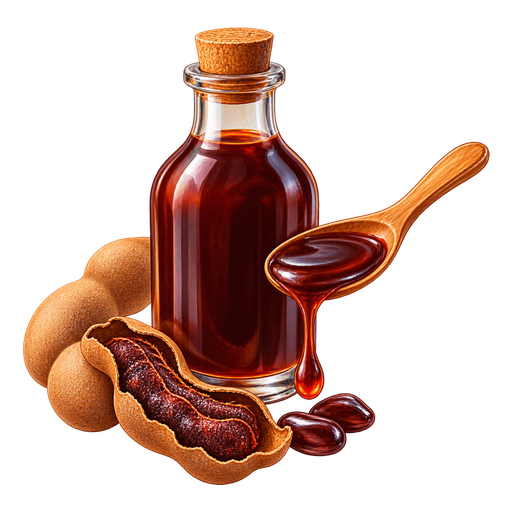
Aruba
Stropi di Tamarijn
A sweet-tart Aruban tamarind syrup drink, diluted with water or club soda and served over ice as a refreshing soft drink.
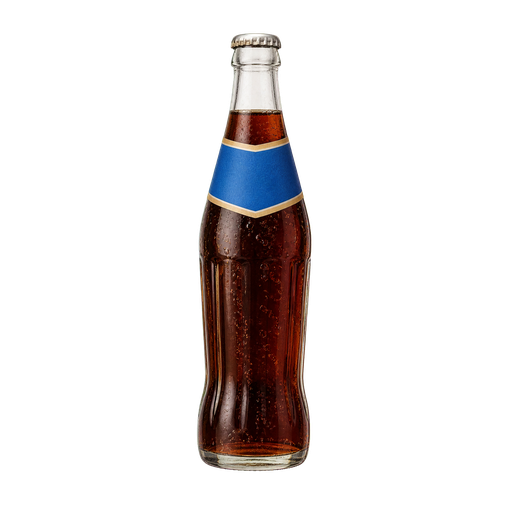
Russia
Baikal
Байкал
Baikal is a Soviet-era Russian herbal soft drink made with extracts from Siberian herbs.
Latvia
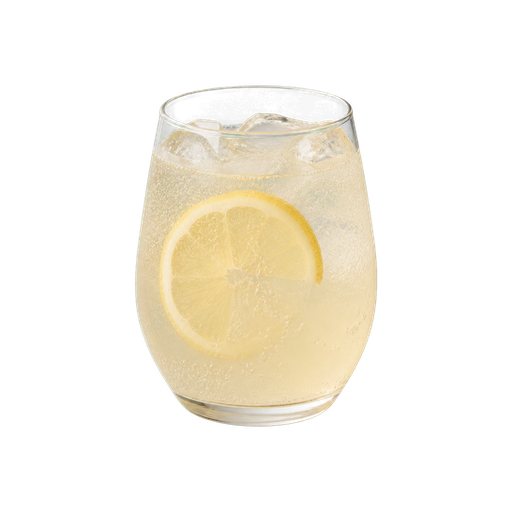
Birch Sap Lemonade
Bērzu sulas limonāde
Sparkling beverage made from fermented birch sap, a modern take on the traditional spring drink.
Bermuda
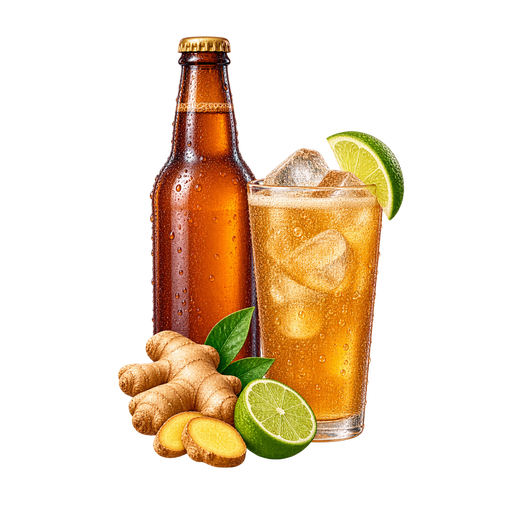
Barritt's Ginger Beer
Bermuda's traditional ginger beer produced since 1875; essential component of a Dark 'n' Stormy and enjoyed on its own; a Bermudian product
Borjomi, Georgia
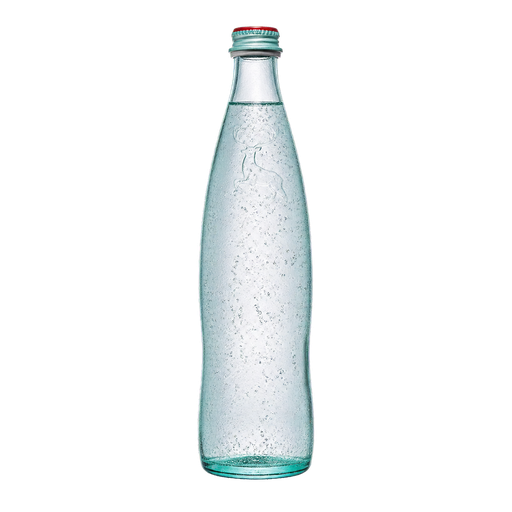
Borjomi Mineral Water
Ბორჯომი
A naturally carbonated, strongly saline mineral water from volcanic springs, bottled since 1890 and drunk as a digestive remedy.
Romania
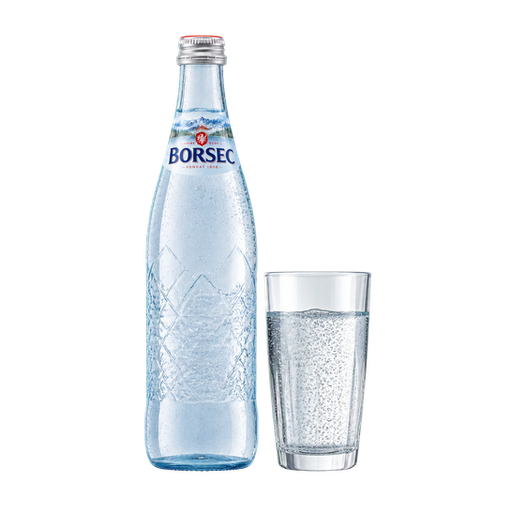
Borsec Mineral Water
Borsec
A naturally carbonated mineral water from springs in the eastern Carpathians, bottled since the 19th century.