
Corn
Cusco Giant White Maize
Maíz blanco gigante Cusco
Cusco, Peru
The world's largest corn kernels, grown in the Sacred Valley. INDECOPI granted Denomination of Origin in 2005 (Paraqay Sara).
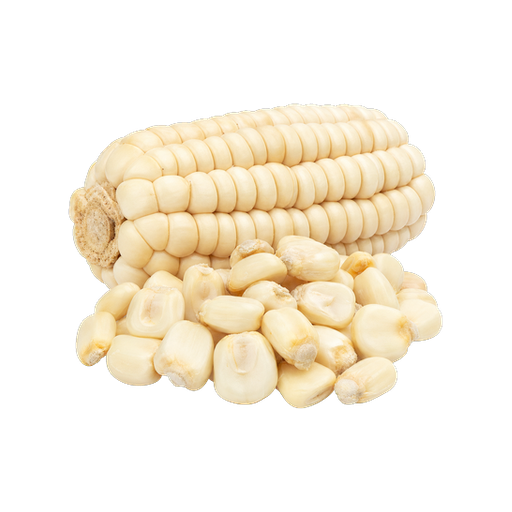
Original eatfuls sticker artwork
What it is
A closer look at Cusco Giant White Maize.
The world's largest corn kernels, grown in the Sacred Valley. INDECOPI granted Denomination of Origin in 2005 (Paraqay Sara).
What to look for
Know it when you find it.
Enormous white kernels, 11-17mm, soft and floury. Grown at 2,600-2,950m in Calca and Urubamba provinces.
Where it belongs
Origins and
traditions.
Food rarely respects a border. These are the places the dataset connects most strongly to Cusco Giant White Maize.
Cusco, Peru
Locality-specific tradition
Names around the table
One food, more than one name.
Keep exploring
If this caught your eye…
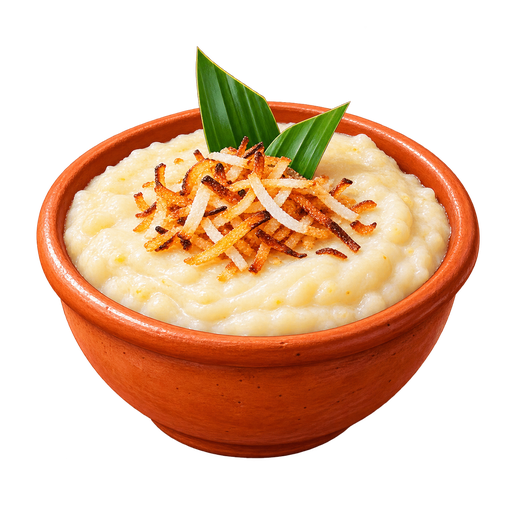
Bahia, Brazil
Acaçá
A Bahian corn parcel associated with Candomblé, steamed until firm and served in ritual and festive foodways.
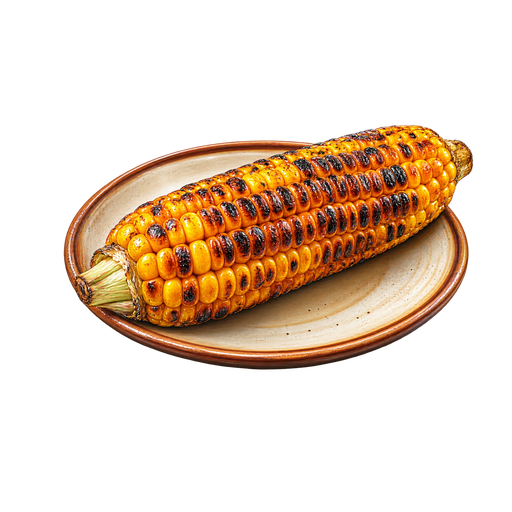
Rwanda
Agatebe
Roasted maize on the cob sold at roadsides and bus stops; a cheap, filling street snack charred over open coals; common across Rwanda, especially in the late afternoon and evening.
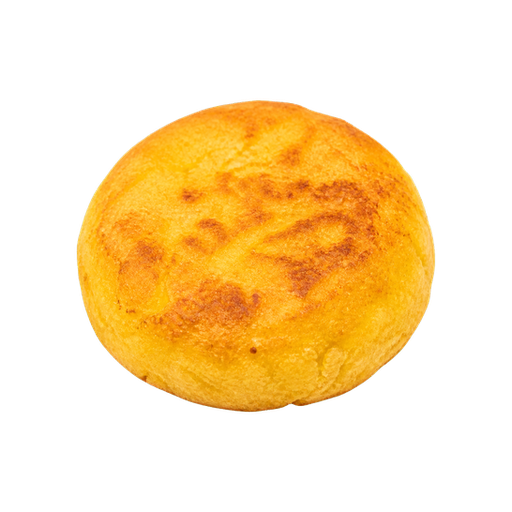
Dominican Republic
Arepitas de Maíz
Dominican small, fried cornmeal fritters, crispy outside and soft inside, served with coffee or hot chocolate. A breakfast and snack staple, simple and savory.
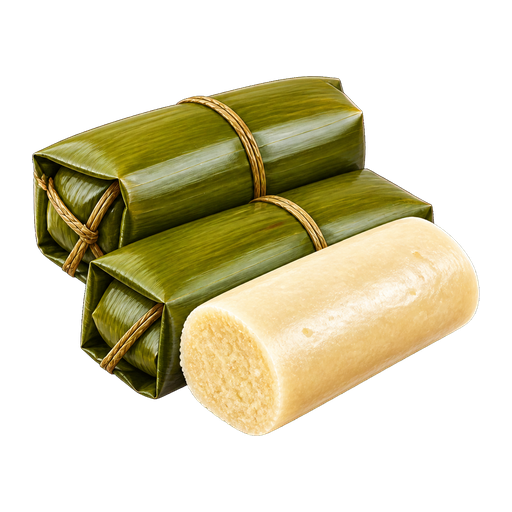
Colombia
Bollo Limpio
A Caribbean-coast bollo of clean, ground white corn wrapped in corn husks and boiled. Served with suero costeño and cheese, it is a simple coastal breakfast.
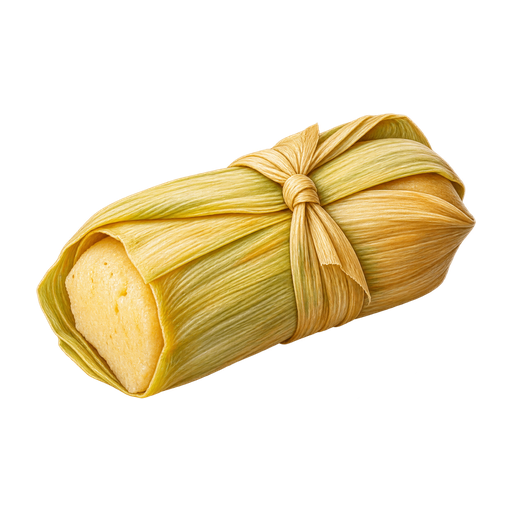
Panama
Bollos
A Panamanian corn dough wrapped in corn husks and boiled, served with cheese or meat, a daily and breakfast classic
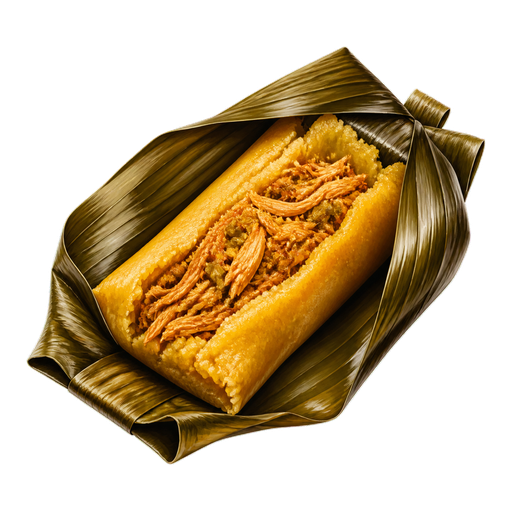
Belize
Belizean Tamales
Belizean tamales: seasoned masa filled with chicken or pork and recado, wrapped in banana leaves and steamed until firm.
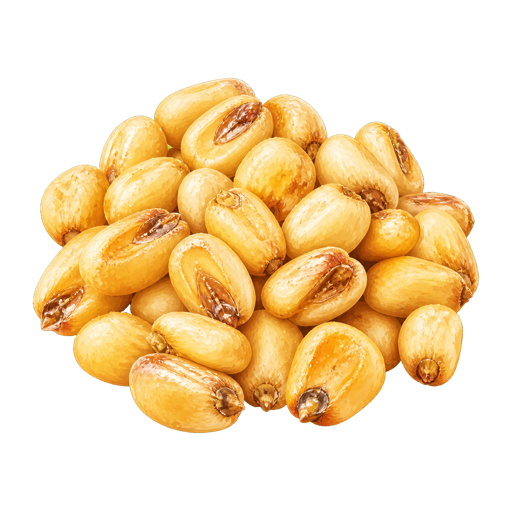
Peru
Cancha
Peruvian toasted corn nuts, crunchy and salty, served as a snack or alongside ceviche. Made from large-kerneled Andean corn.
Brazil
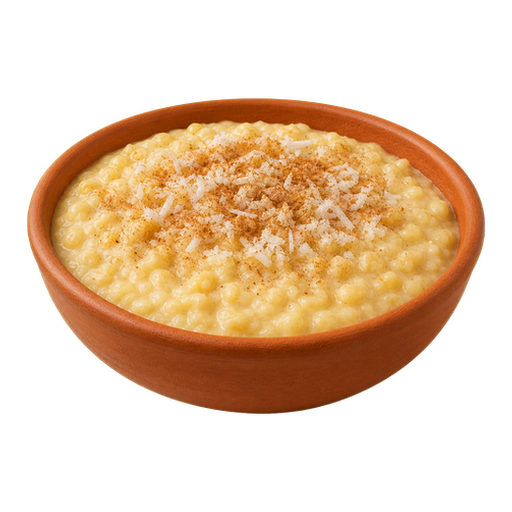
Sweet Porridge
Mungunzá
A creamy, sweet white corn porridge cooked with milk, sugar, cinnamon, and coconut, traditionally served during Festa Junina celebrations.