
Jellies & Gelatins
Kuzu Mochi
葛餅
Japan
Kuzu-mochi denotes the translucent kudzu-starch sweet, distinct from Kanto kuzumochi, which may use fermented wheat starch.
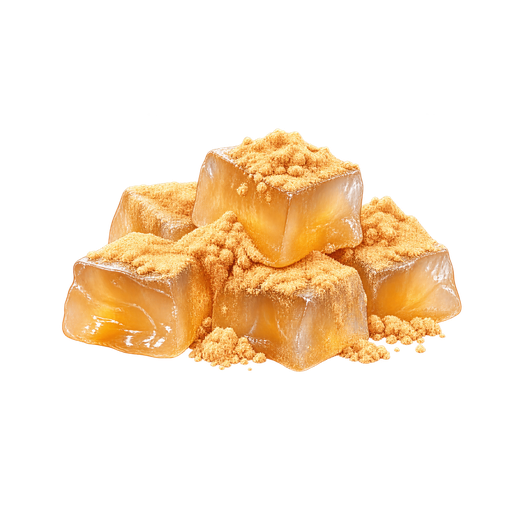
Original eatfuls sticker artwork
What it is
A closer look at Kuzu Mochi.
Kuzu-mochi denotes the translucent kudzu-starch sweet, distinct from Kanto kuzumochi, which may use fermented wheat starch.
What to look for
Know it when you find it.
Jelly-clear and quivering; the texture is its whole point.
Where it belongs
Origins and
traditions.
Food rarely respects a border. These are the places the dataset connects most strongly to Kuzu Mochi.
Japan
Country-wide tradition
Names around the table
One food, more than one name.
Keep exploring
If this caught your eye…

Taiwan
Aiyu Jelly
愛玉
Jelly set by washing the seeds of a Taiwanese fig in water, served cold with lemon and sugar syrup.
Japan
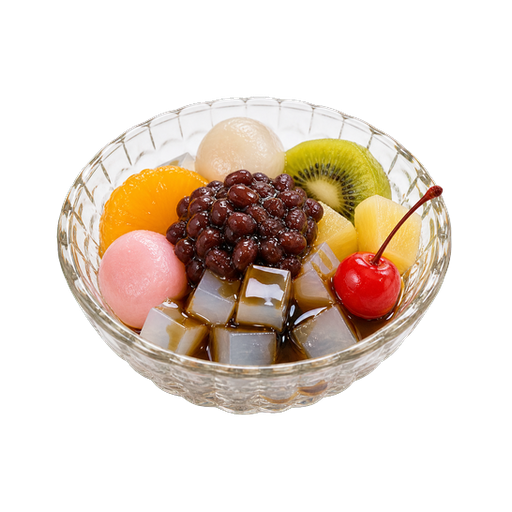
Anmitsu
あんみつ
A traditional dessert of agar jelly cubes, red bean, fruit, and mochi, drizzled with kuromitsu syrup.
Bahrain
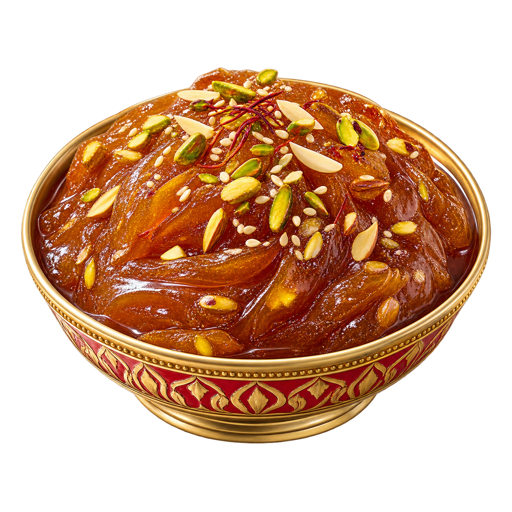
Bahraini Halwa
حلوى بحرينية
The queen of Bahraini sweets — a firm, jelly-like confection made from cornstarch, sugar, saffron, rose water, cardamom, and nuts, cooked in large copper pots for hours over open fire.
Munster, Ireland
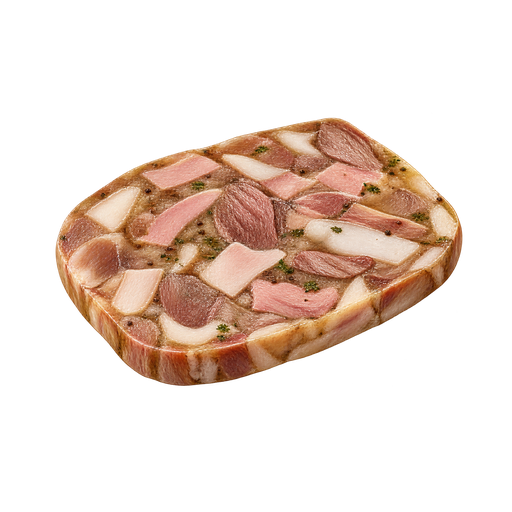
Irish Brawn
Brána
Pressed pork head cheese, a traditional Irish farmhouse delicacy still made in Cork and Waterford.
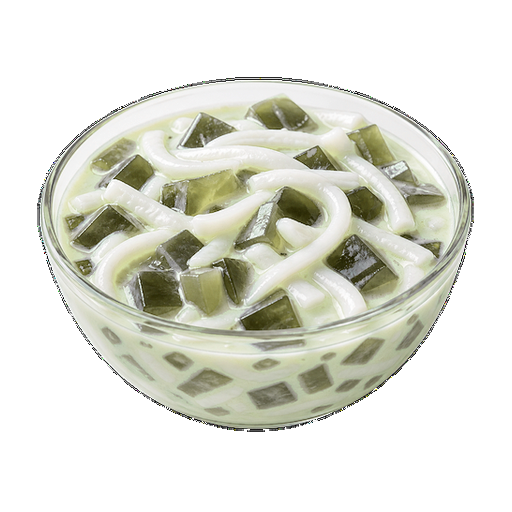
Philippines
Coconut Pandan Dessert
Buko Pandan
Young coconut strips and pandan-flavored jelly in a sweet cream, a refreshing party dessert.

Quebec, Canada
Eggs in Aspic
Œufs en gelée
A Quebec dish of poached eggs set in aspic (savory gelatin), often with ham or vegetables — a classic cold appetizer.
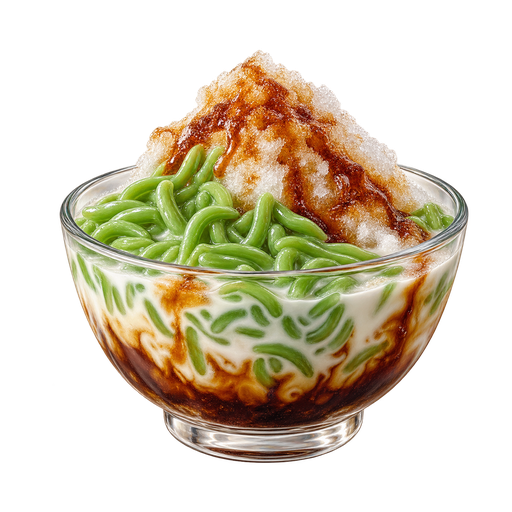
Indonesia
Cendol
Chendol
Green jelly noodles in coconut milk with palm sugar syrup and red beans, firm green jelly with fragrant gula melaka and creamy coconut, a legendary Malaysian dessert icon
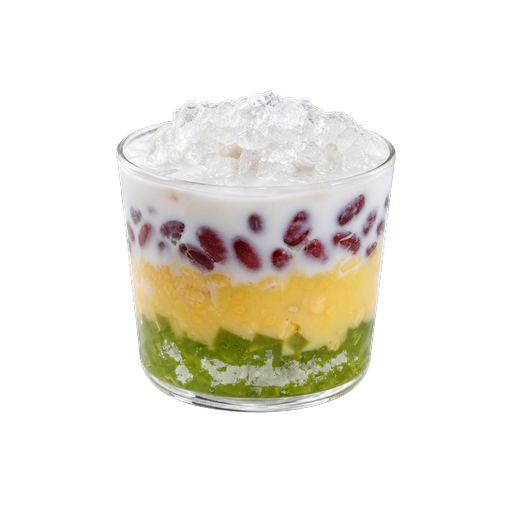
Vietnam
Che Ba Mau
Chè ba màu
Three-color Vietnamese dessert with layers of green pandan jelly, yellow mung bean paste, and red kidney beans, topped with coconut cream and crushed ice.