
Fermented Vegetables
Futog Sauerkraut
Футошки кисели купус
Vojvodina, Serbia

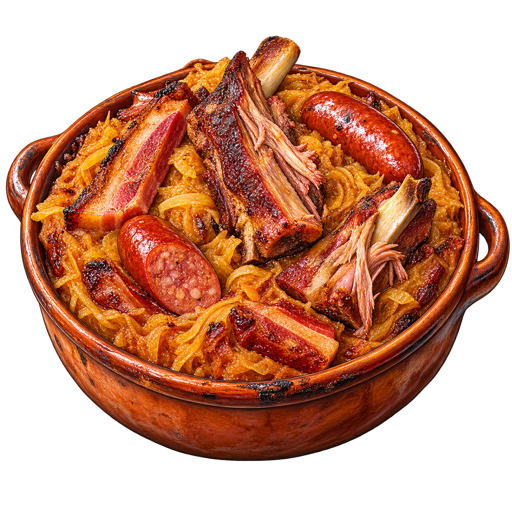
Sauerkraut made from the local Futog cabbage variety in Vojvodina. Fermented whole heads and shredded cabbage are sold as an ingredient or ready-to-eat accompaniment.
 Fermented Vegetables
A closer look
 A closer look
What to look for.
Check the Futog origin and look for naturally sour whole cabbage heads or shreds; the leaves should be tender enough for rolls.
Geographic connections
Places and
traditions.
Explore the places connected to Futog Sauerkraut, from possible origins to local traditions.
Other names & spellings 2
Keep exploring
More foods to discover.

Chuuk State (Central FSM), Federated States of Micronesia

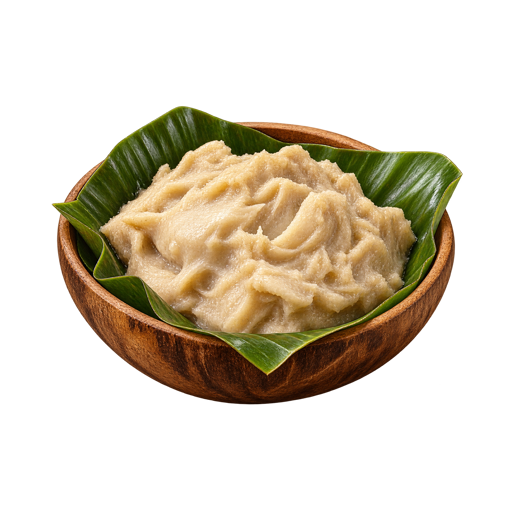
Apwet
Apwet is Chuukese fermented breadfruit, cooked for serving as a sour, soft preparation. It belongs to a tradition of preserving breadfruit in pits.

South Korea · North Korea
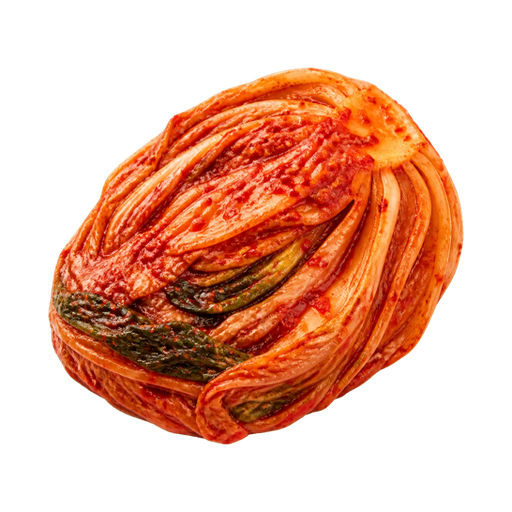
Napa Cabbage Kimchi
배추김치
Napa cabbage salted, coated with chilli, garlic, ginger and other seasonings, then fermented. Salted seafood is common in the seasoning; recipes vary.
South Korea · North Korea
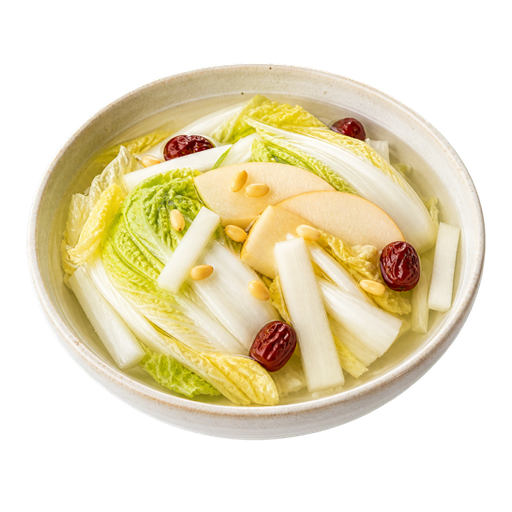
White Kimchi
백김치
A non-spicy kimchi made without gochugaru, with napa cabbage, radish, pear, jujube, and pine nuts in a clear, refreshing brine.

Kaesong, North Korea

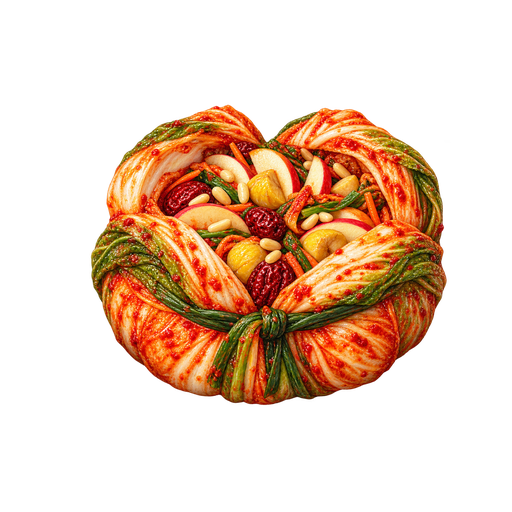
Bossam Kimchi
보쌈김치
A Kaesong kimchi of napa cabbage leaves wrapped around a spiced filling of fruit, chestnuts and pine nuts; versions also include seafood and other vegetables. The bundles are fermented and opened for serving.
Marshall Islands

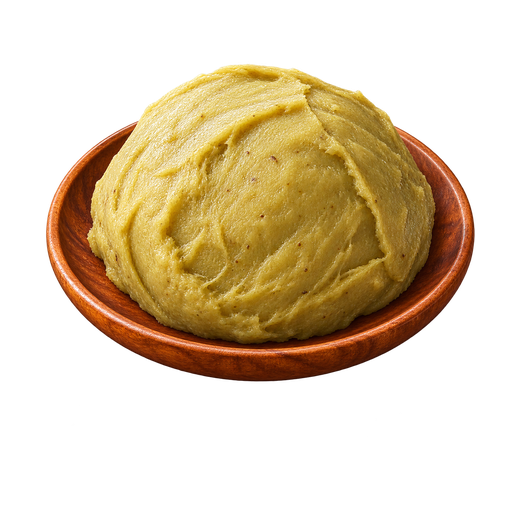
Bwiro
Bwiro is preserved, fermented breadfruit worked into a tangy preparation and cooked for serving. Recipes and storage practices vary.

South Korea · North Korea
Ponytail Radish Kimchi
총각김치
Small whole radishes with their greens attached, fermented in a spicy chili paste, known for an extra-crunchy texture.
China

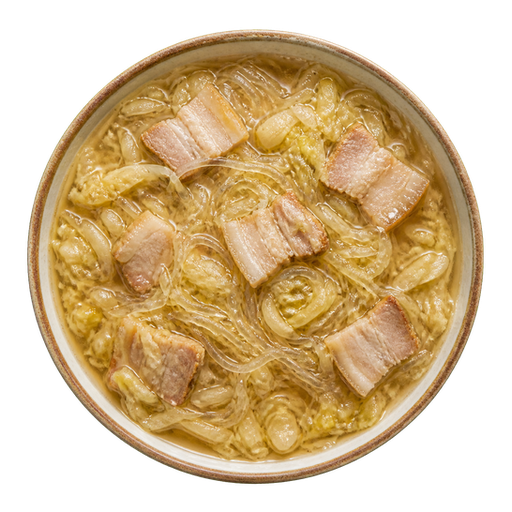
Northeastern Sour Cabbage
酸菜
Whole Chinese cabbages salted and pressed under stones in a jar through the northeastern winter until they turn sour and translucent.
North Korea · South Korea
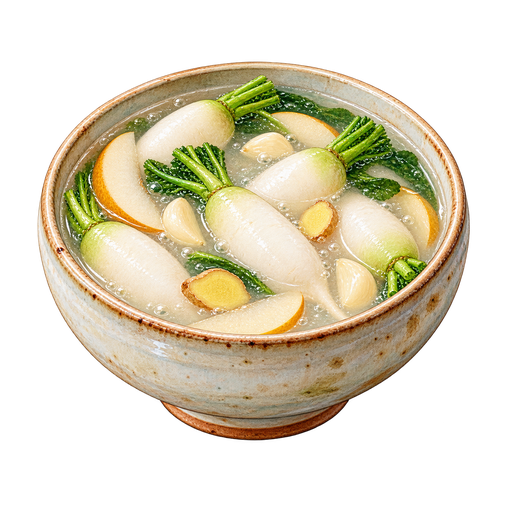
Winter Water Kimchi
동치미
Whole radishes fermented in a clear, white brine with garlic, ginger, and pear, producing an effervescent, clean-tasting kimchi.