
country Essentials · 12 foods
Mali Essentials
A considered first route through Mali: the foods that carry its everyday habits, celebrations, ingredients, and memory.
Explore all Mali foods →THE
ESSENTIALS
The complete shortlist
12 foods to know.
Each selection includes the reason it belongs here—so this is a guide, not just a pile of names.
Mali
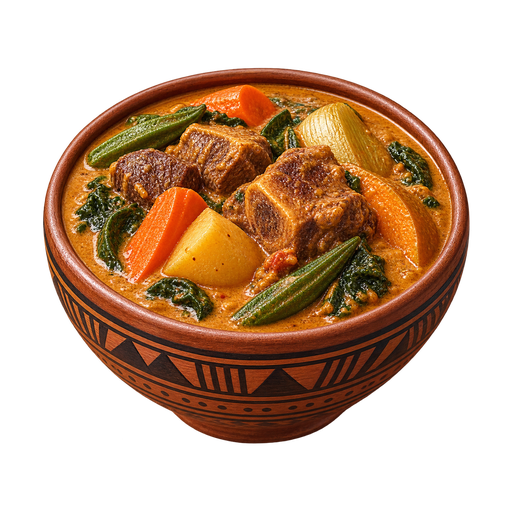
Tiguadege Na
Tigadɛgɛna
The national dish of Mali — creamy peanut ishtu with beef, chicken, or meatballs simmered in peanut butter with tomatoes, onions, and chili; the Bambara name means 'peanut butter sauce'; served with rice or millet tô; the rich, hearty centerpiece of Malian cuisine and celebrations.
Mali
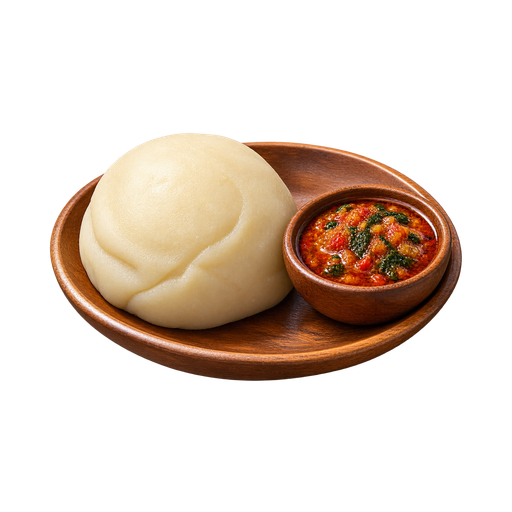
Tô
The staple food of Mali — stiff porridge from millet, sorghum, or rice flour; eaten with the right hand and dipped into sauces; the foundation of every Malian meal; Bambara and Dogon people eat it morning, noon, and night; the swallow that defines Malian dining.
Mali
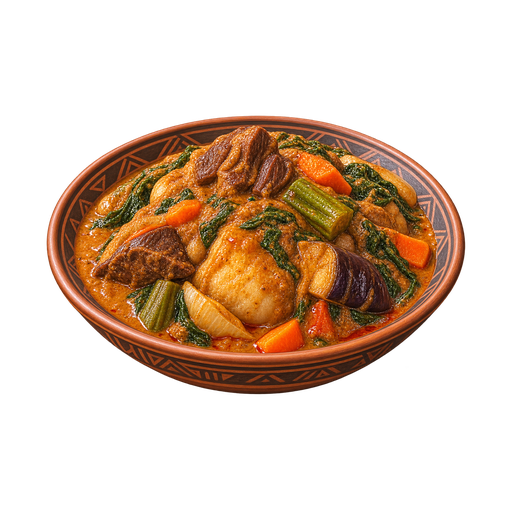
Zaamè
The Malian version of jollof rice, called zaamè in Bamanankan; rice cooked in a single pot with tomatoes, onions, chili, and meat; the Malian style is distinct from Nigerian, Senegalese, and Ghanaian versions; a fragrant staple of celebrations and everyday meals.
Mali
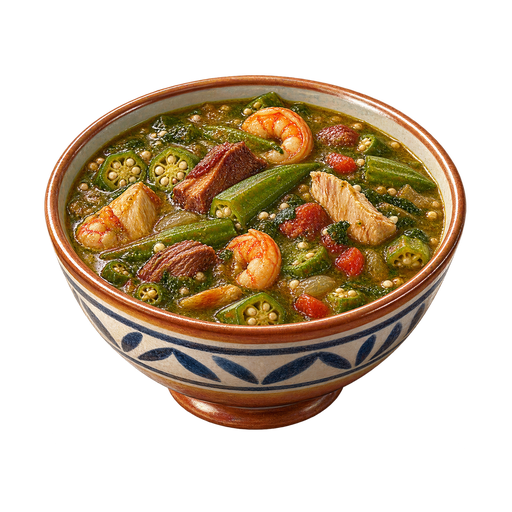
Sauce Gombo
Sticky, viscous okra sauce served over tô or rice; the okra is pounded to release its mucilage; also called 'sauce noire'; one of the most common sauces in Mali; eaten with meat or fish; the slippery texture is the tell; an acquired taste that Malians love.
Mali
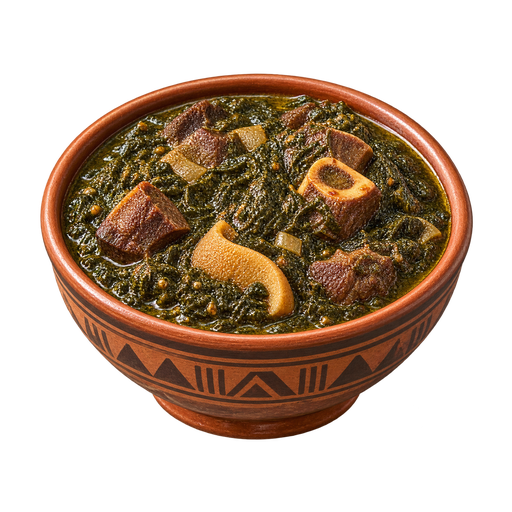
Lamb in Herb Sauce
Fakoye
Lamb in herb sauce from the Gao region of northern Mali; the sauce is made from local herbs and spices; locals say it 'washes your blood'; served over rice or millet; a deeply traditional dish with medicinal associations; the taste of northern Mali.
Mali
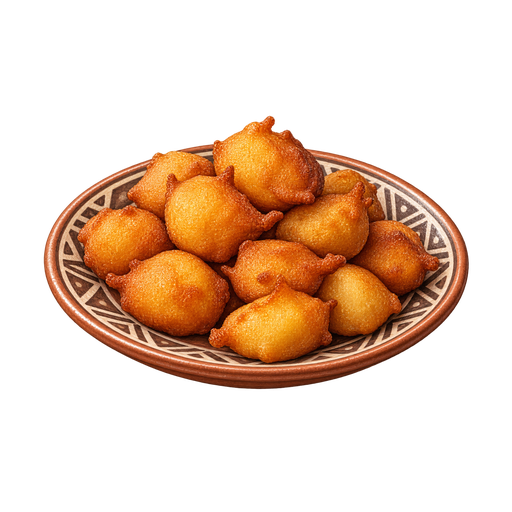
Malian Fried Pancakes
Maasa
Deep-fried pancakes made with rice or millet flour; sweetened and spiced with nutmeg, cinnamon, or vanilla; a popular snack and breakfast item; found at street stalls and markets across Mali; the sweet treat of Malian mornings.
Mali
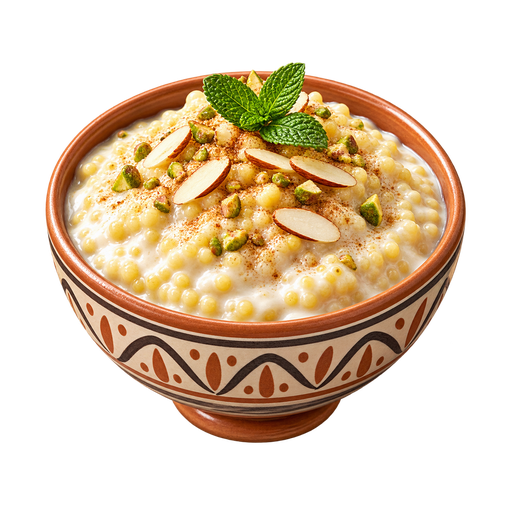
Millet and Curd Milk
Dégué
Millet couscous mixed with curdled milk and sugar; a Bambara specialty; the millet is steamed and mixed with fresh tangy milk; a refreshing, nutritious snack or breakfast; found at street stalls and markets; a beloved treat across Mali.

The Gambia
Hibiscus Juice
Bissap
Refreshing hibiscus juice, the national drink of Mali; deep red, sweetened, sometimes flavored with ginger or mint; high in antioxidants and Vitamin C; served chilled at every street stall, restaurant, and home; the taste of Malian hospitality. Updated to the canonical shared item after the West Africa catalog audit.
Mali
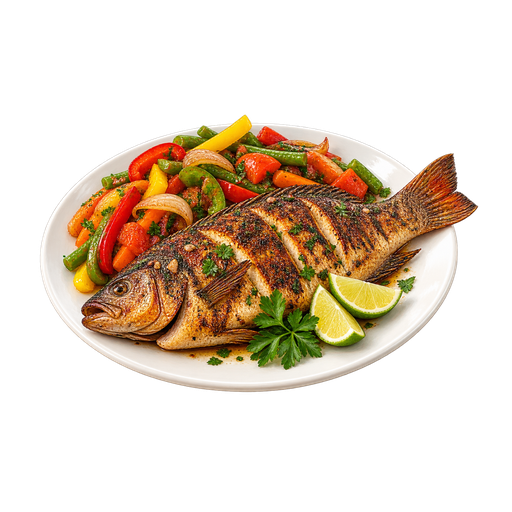
La Capitaine Sangha
Capitaine Sangha
Grilled Nile perch from the Niger River; served with fried plantains, rice, and spicy chili sauce; Nile perch is prized for its moist, medium-firm texture; a specialty of the Niger River region; the taste of the river that runs through Mali.
Mali
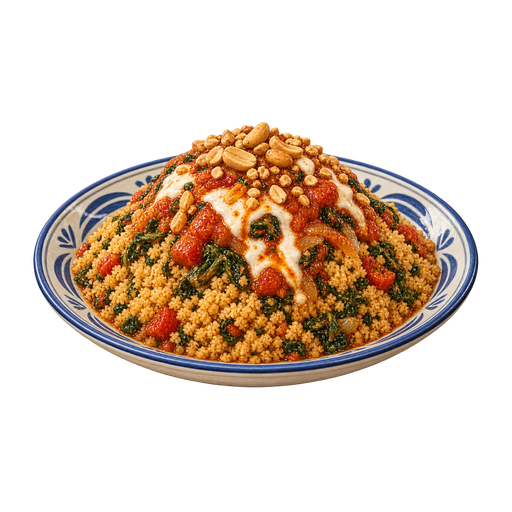
Sarakolé Millet Couscous
Bassi
The staple grain of Mali and the foundation of tô, fonde, dégué, and maasa; pearl millet thrives in the arid climate; the most widely cultivated cereal in the country; ground, steamed, or fermented; the grain that sustains Mali. Updated to the canonical shared item after the West Africa catalog audit.
Mali
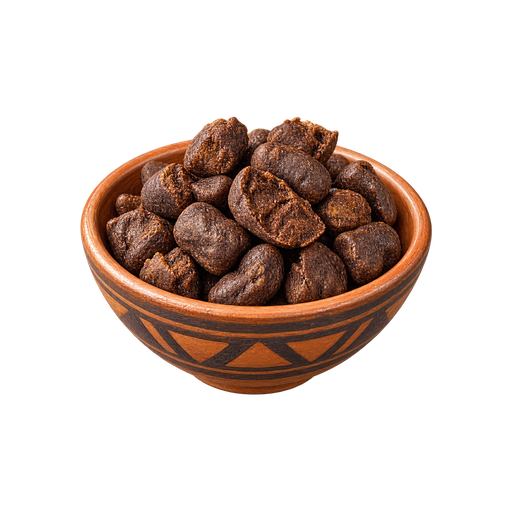
Fermented Néré Seeds
Soumbala
Fermented néré seed condiment; a key flavoring in Malian cuisine; pungent and umami; used to season sauces, stews, and soups; the Maggi cube of traditional Malian cooking; found at every market; an acquired taste that defines Malian sauces.

Mali
Malian Tea
Ataya
Sweet green tea prepared in three rounds — the first bitter like death, the second mild like life, the third sweet like love; brewed with sugar and mint; poured back and forth to create foam; a social ritual central to Malian hospitality; the taste of Sahel culture.