
country Essentials · 12 foods
DR Congo Essentials
A considered first route through DR Congo: the foods that carry its everyday habits, celebrations, ingredients, and memory.
Explore all DR Congo foods →THE
ESSENTIALS
The complete shortlist
12 foods to know.
Each selection includes the reason it belongs here—so this is a guide, not just a pile of names.
DR Congo
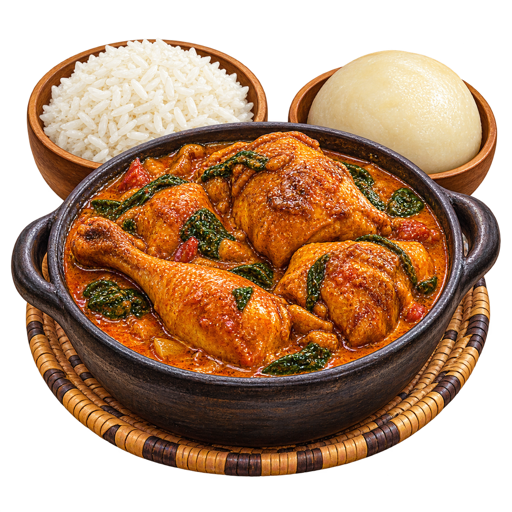
Poulet à la Moambe
Poulet moambe
The national dish of the DRC — chicken braised in a glossy, deep-orange palm nut sauce with peanut butter, tomatoes, and aromatics; the name 'moambe' refers to the palm butter from palm nut pericarp; served with rice, fufu, or chikwangue; the soul of Congolese culinary tradition.
DR Congo
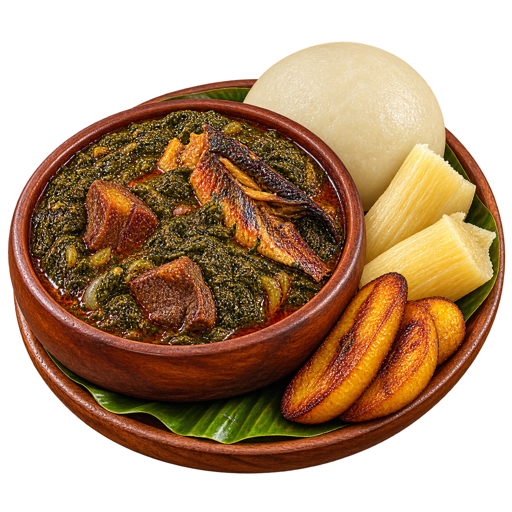
Pondu
Saka saka
The beloved national staple — cassava leaves pounded and slow-cooked for hours with palm oil, onions, garlic, and often smoked fish or beef; rich in protein and minerals; the palm oil gives a reddish-brown color and nutty flavor; served with fufu, chikwangue, or plantains; the backbone of daily Congolese dining.
DR Congo
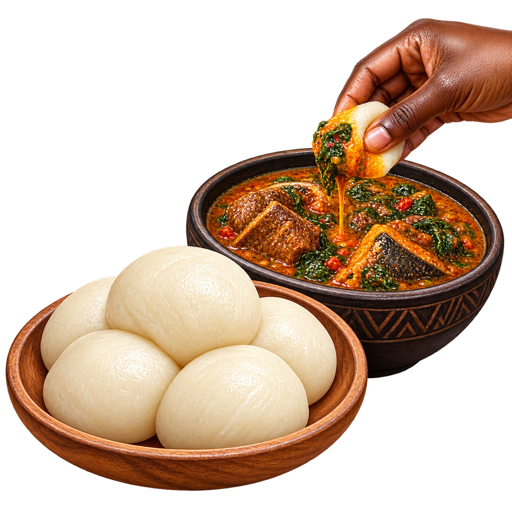
Congolese Fufu
Fufu
The staple food of the Congo — smooth, dense, slightly elastic dough from cassava or corn flour; rolled into balls and dipped into stews; eaten with the right hand; present on all Congolese tables from north to south; the universal accompaniment that defines Congolese dining.
DR Congo
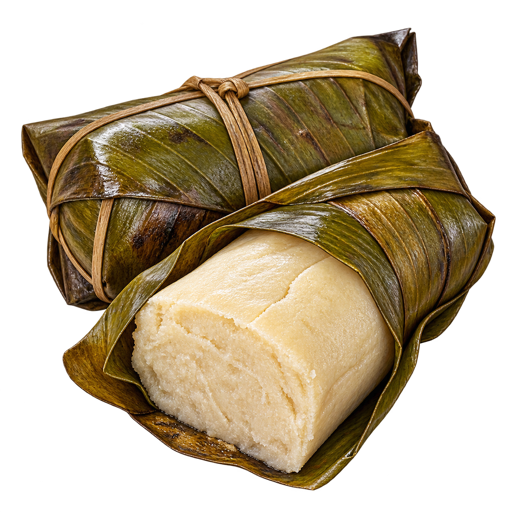
Chikwangue
Kwanga
Fermented cassava bread wrapped in marantaceae leaves and steamed; soaked for up to 14 days, pounded into paste, and wrapped in leaves; dense, slightly sour, and incredibly filling; commercially produced throughout the country; a staple across Central Africa; the fermented cassava bread of the Congo.
DR Congo
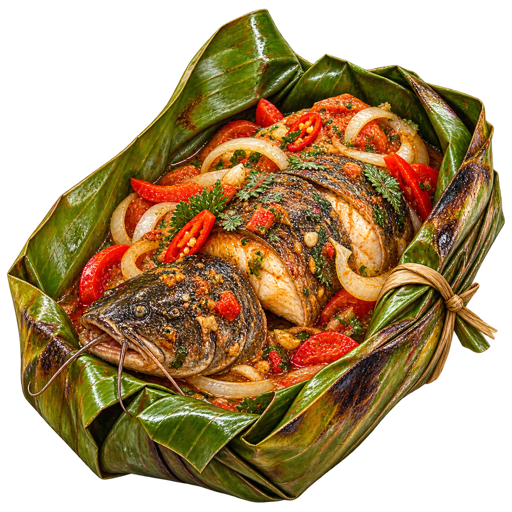
Liboke
Liboké
An emblematic Congolese cooking method — fish, chicken, or meat marinated with spices and wrapped in banana leaves for steaming or grilling; the word means 'package' in Lingala; the parcel keeps everything moist and lets seasonings sink in; a defining technique of Congolese cuisine.
DR Congo
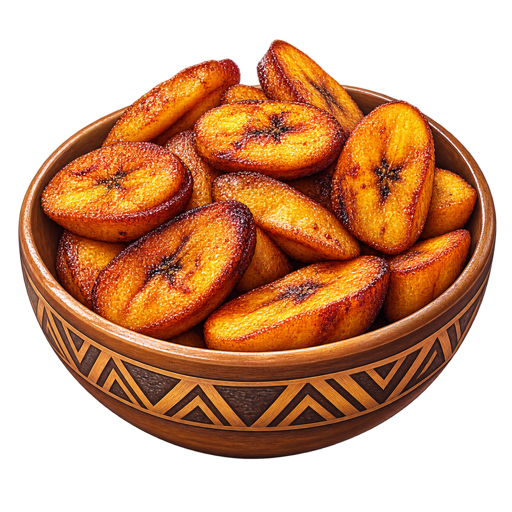
Fried Plantains
Makemba
Fried plantains, the popular street food and side dish of the Congo; ripe plantains sliced and fried golden; eaten alongside just about everything; in cities, they overshadow French fries; a simple, beloved staple found at every street stall and restaurant.
DR Congo
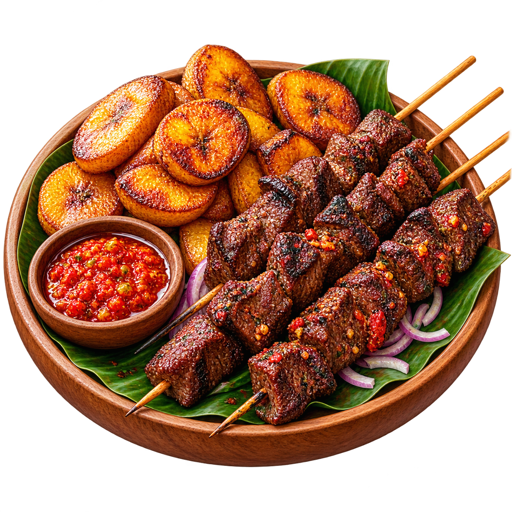
Congolese Beef Skewers
Kamundele
Beef skewers grilled over charcoal, the most popular street food of the DRC; small kebab sticks seasoned with local spices; found on every busy corner in Kinshasa and Goma; served with makemba and pili-pili; a quick, affordable, and beloved street food.
DR Congo
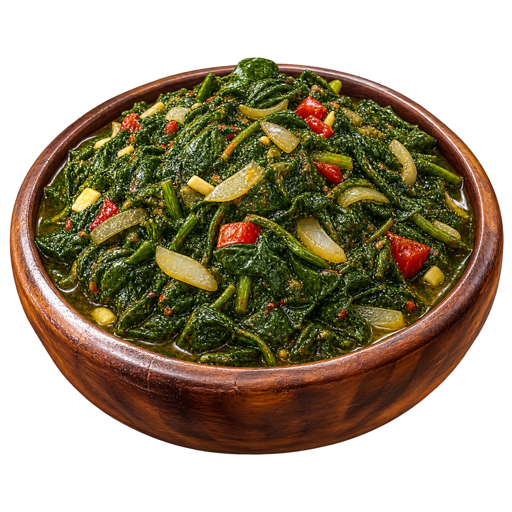
Sweet Potato Leaf Stew
Matembele
Sweet potato leaf ishtu, found more often on the Congolese plate than pondu because of its extremely low cost; a creeping plant that grows quickly; easy to prepare with spices and oil; a humble, everyday green dish served with fufu or rice; the everyday green of the Congo.
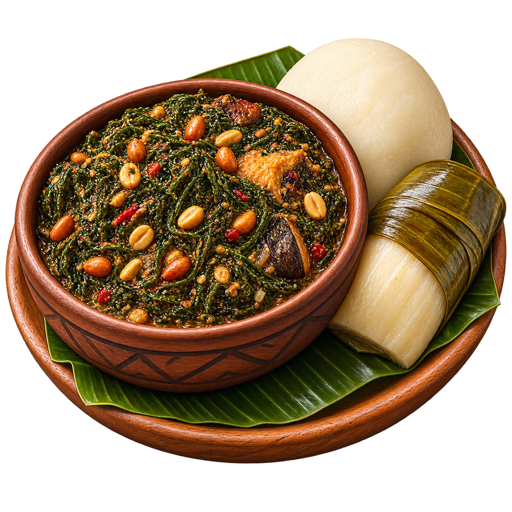
DR Congo
Fumbwa
The cornerstone of Congolese cuisine and the primary calorie source for over 70% of the population; boiled, mashed into fufu, fermented into chikwangue, or dried into flour; the leaves are pounded into pondu; a versatile, drought-resistant crop that sustains the nation.
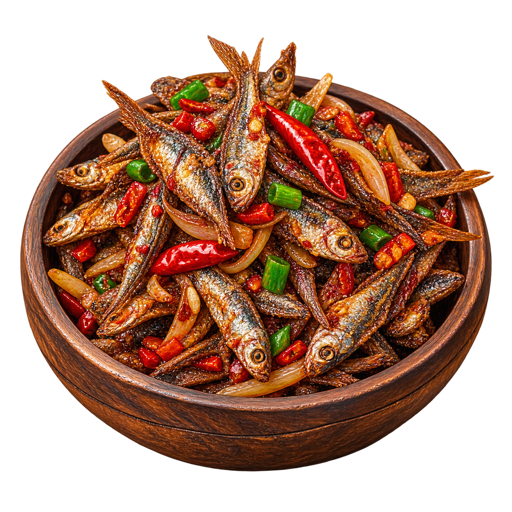
DR Congo
Dried Small Fish
Ndakala
Small dried fish, nicknamed '1000 poisons'; fried with chili or mixed with vegetables and tomato sauce; added to pondu for umami depth; a preserved fish that extends the shelf life of river catch; found at every market; the fish that flavors Congolese stews.
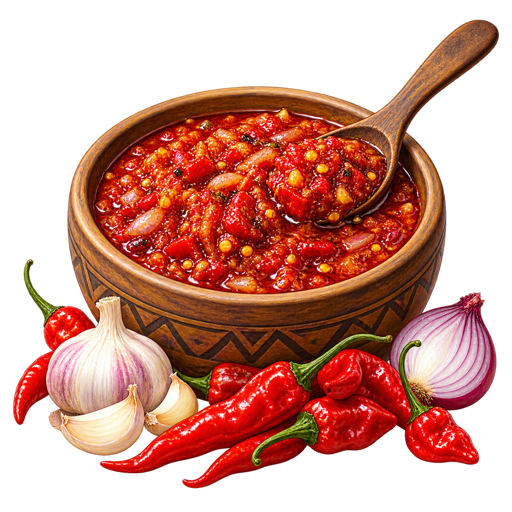
DR Congo
Congolese Hot Sauce
Pili pili
Very hot chili pepper sauce served with nearly everything in the Congo; made from pili-pili peppers, onions, garlic, and oil; occasionally dried and sprinkled on fruit; the Congolese condiment that adds fire to any dish; found at every table and street stall; the heat of Congolese cuisine.
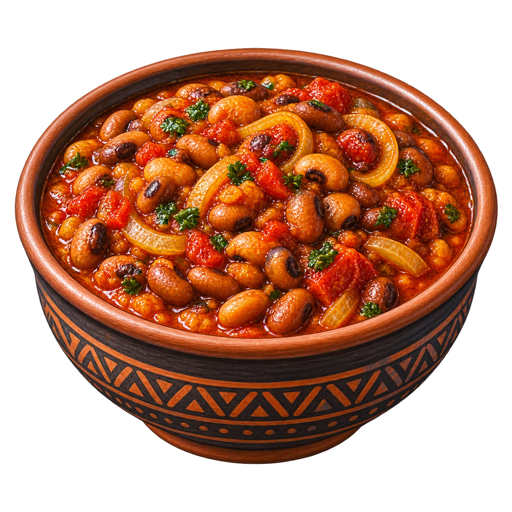
DR Congo
Bean Stew
Madesu
Palm oil from the African oil palm; one of the most important crops for export in the DRC; used in almost every Congolese dish, especially pondu, moamba, and ngai ngai; gives dishes a characteristic reddish-brown color and rich, nutty flavor; the cooking fat that defines Congolese cuisine.