Papua New Guinea
Aigir
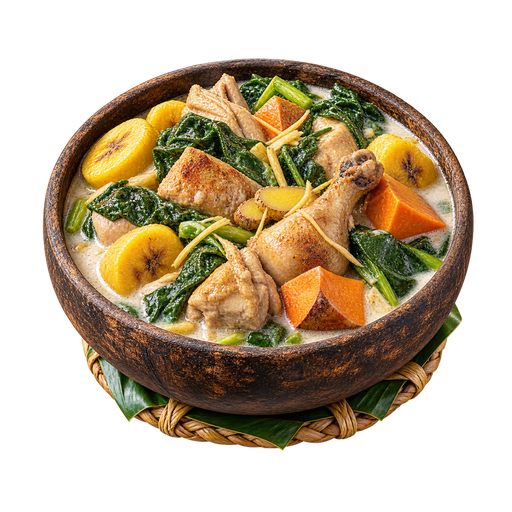
Hot-stone cooking method from East New Britain — hot rocks dropped into a pot of coconut milk with chicken, plantains, sweet potatoes, leafy greens, and ginger, cooked in 30 minutes.

melanesia
Explore 40 foods connected to Papua New Guinea, from everyday staples to rare local specialties.
Start with Aigir →
The local shortlist
12 editor-selected foods for understanding the place through what people eat.
Open the guide →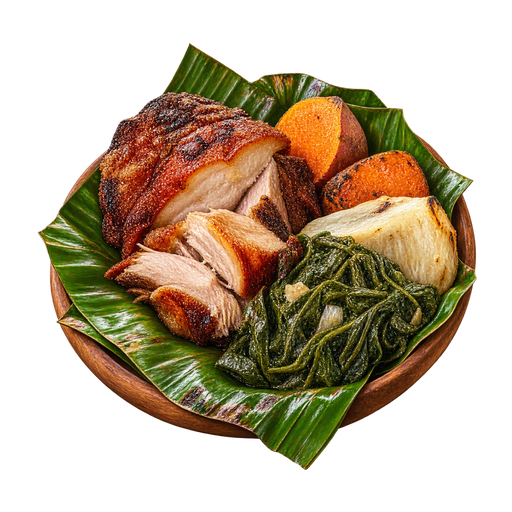
The full directory
40 foods in this view. Filter by category, type, rarity, or search every recorded name.
Papua New Guinea
Hot-stone cooking method from East New Britain — hot rocks dropped into a pot of coconut milk with chicken, plantains, sweet potatoes, leafy greens, and ginger, cooked in 30 minutes.
Papua New Guinea
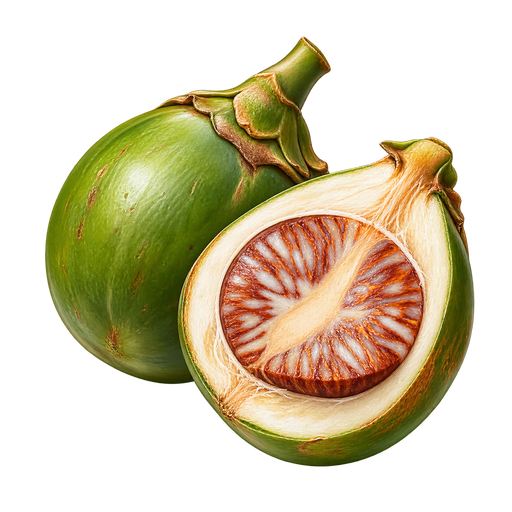
Betel nut, or buai, is areca nut chewed with betel pepper leaf and slaked lime; users should be warned that the practice carries serious health risks.
Papua New Guinea
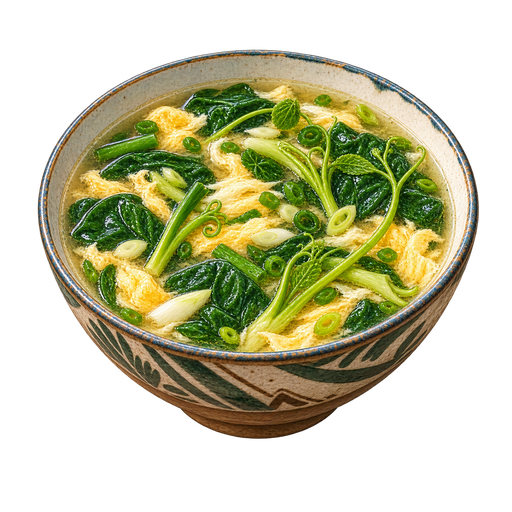
Light soup of spinach, spring onions, and choko shoots boiled in water with a raw egg dropped in while cooking — a simple, nourishing PNG soup from the Bugandi region.
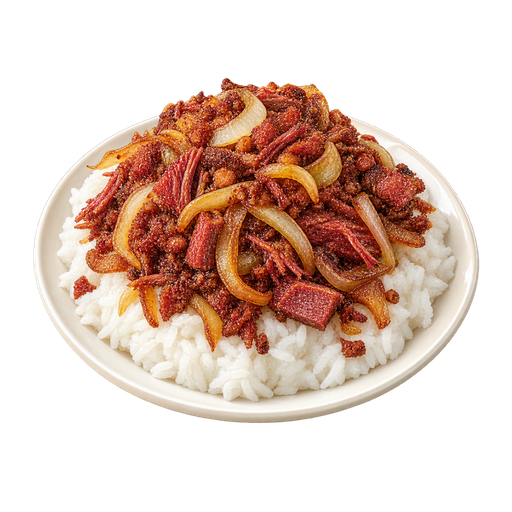
Papua New Guinea
Tinned corned beef (bully beef) fried with onions and served over rice — an introduced staple now woven into everyday PNG eating, especially in towns and mining camps.
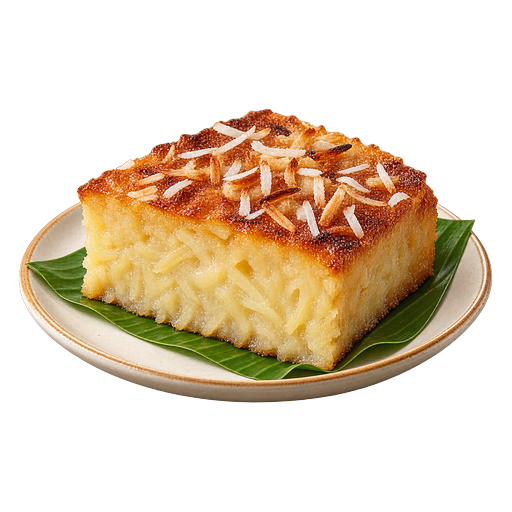
Papua New Guinea
Poudine manioc
Grated cassava, coconut milk, sugar, and vanilla bake into dense, translucent-chewy pudding slices served across island tables.
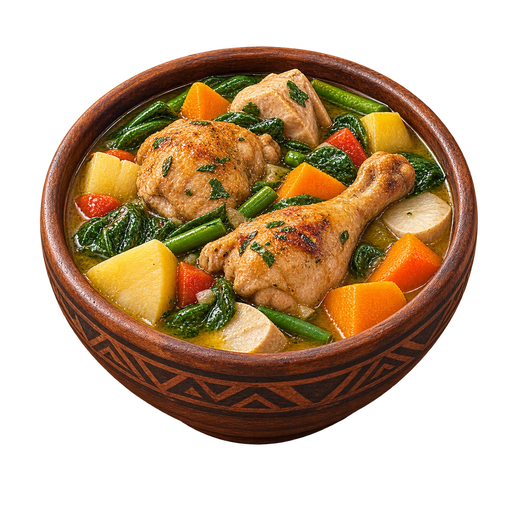
Papua New Guinea
Homely stew of chicken simmered with mixed vegetables and coconut cream — a mild, comforting everyday dish found in PNG homes and guesthouses.
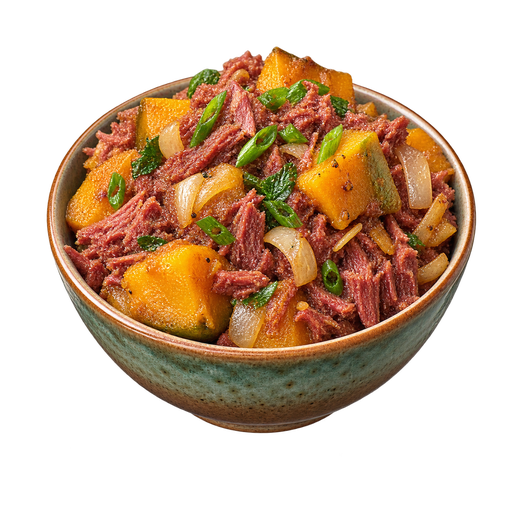
Papua New Guinea
Tinned corned beef simmered with pumpkin and coconut cream — a hearty PNG home dish combining introduced tinned meat with local squash and coconut.
Papua New Guinea
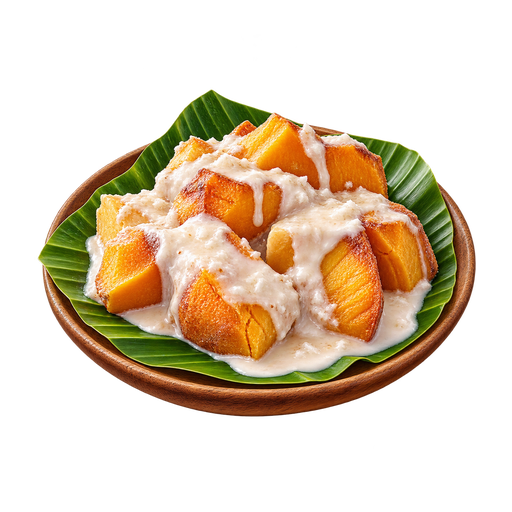
Sweet sago and ripe banana dumpling steamed in banana-leaf wrapping, served with clotted coconut cream — a PNG dessert where the banana provides all the sweetness.
Papua New Guinea
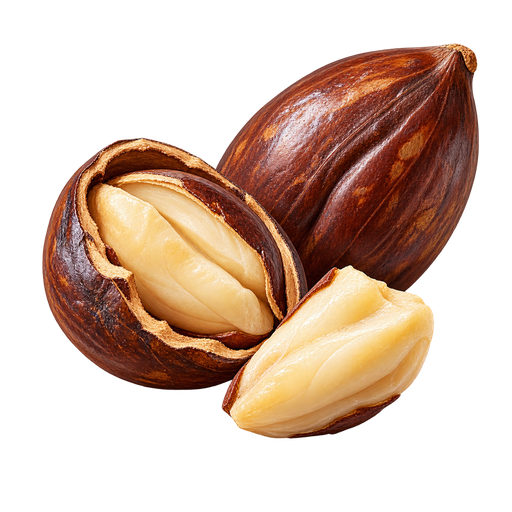
Canarium almond from the galip tree — a native PNG nut eaten raw, roasted, or incorporated into dishes; one of the staple nuts of the PNG diet, found alongside karuka in local dishes.
Papua New Guinea
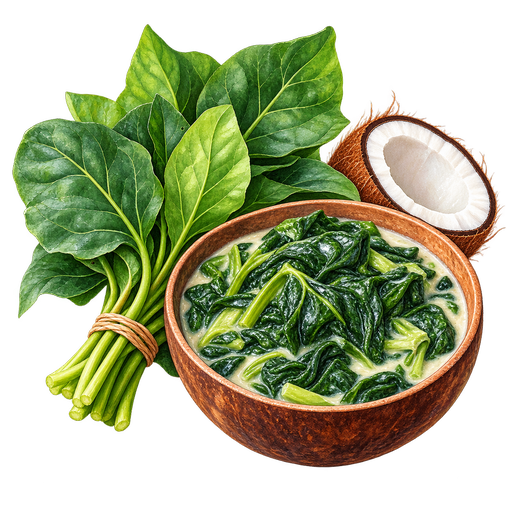
Bele
Hibiscus spinach (Abelmoschus manihot) is a tender, slightly mucilaginous Pacific leafy green known as bele, aibika, pele, and island cabbage, usually cooked with coconut milk or added to soups and stews.
Papua New Guinea
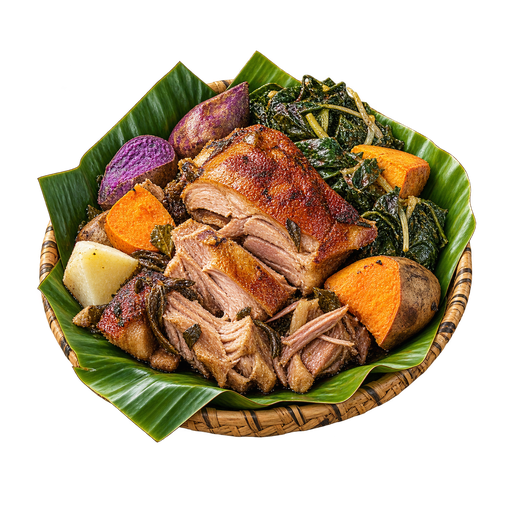
The Highlands version of mumu — pork is the celebratory meat, layered with kaukau, fern greens, and plantains in the earth oven; pork is a symbol of wealth and status.
Papua New Guinea
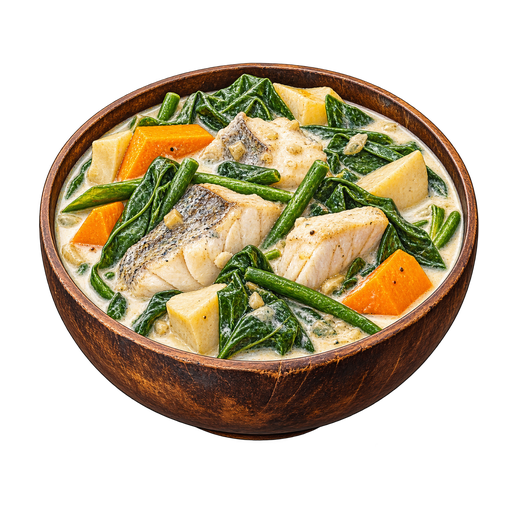
Grilled vegetable dish of eggplants, zucchini, hot peppers, and onions, marinated in vinegar, olive oil, herbs, and garlic before grilling — a PNG vegetable preparation.
Papua New Guinea
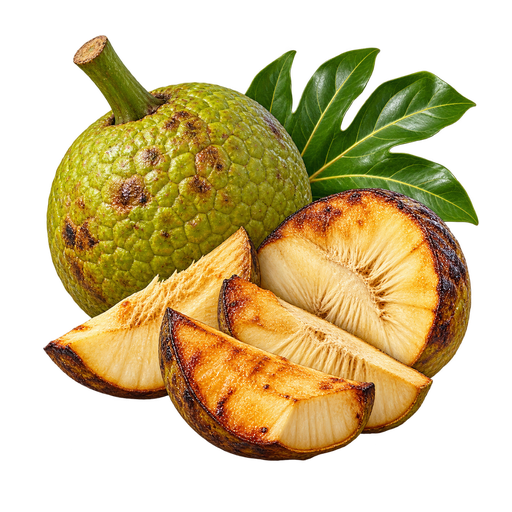
Kapiak is the edible breadnut of Papua New Guinea, valued for its starchy kernels, which may be boiled, roasted, or incorporated into local foods.
Papua New Guinea
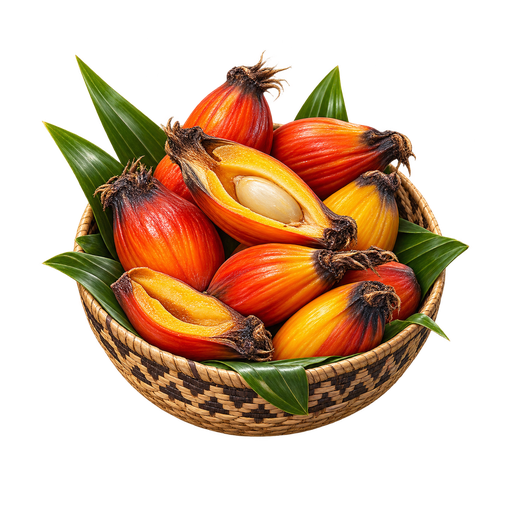
Nuts from the mountain pandanus tree — a prized Highlands food, harvested between December and March, with a major harvest every second year; rich in oil and protein.
Papua New Guinea
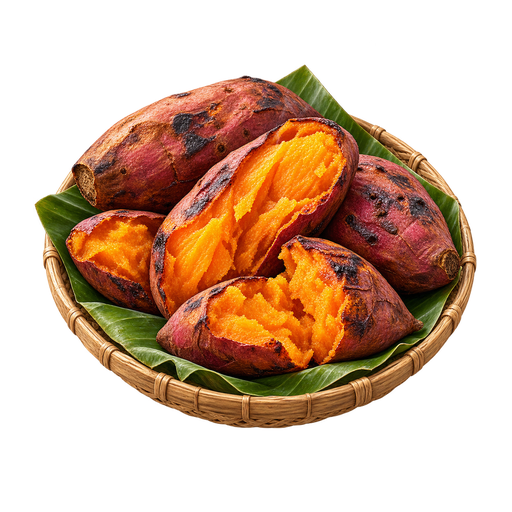
Sweet potato — the everyday starch of the PNG Highlands, baked, boiled, or roasted, then mashed with coconut milk, garlic, and ginger; eaten at almost every meal.
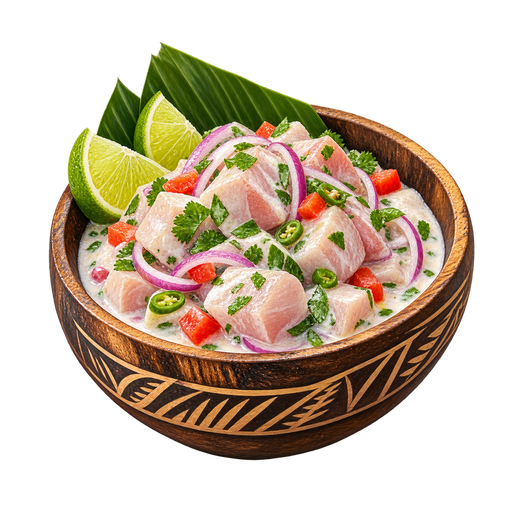
Papua New Guinea
Papua New Guinean kokoda is fresh fish cured in lime juice and finished with coconut milk, onion, chili, and other coastal vegetables.
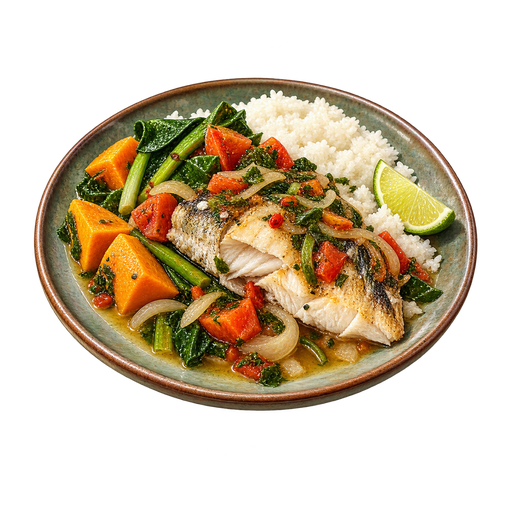
Papua New Guinea
Cold fish and rice — canned tuna mixed with rice, sometimes with peas and corn; a simple, everyday PNG dish adapted from imported tinned fish and rice.
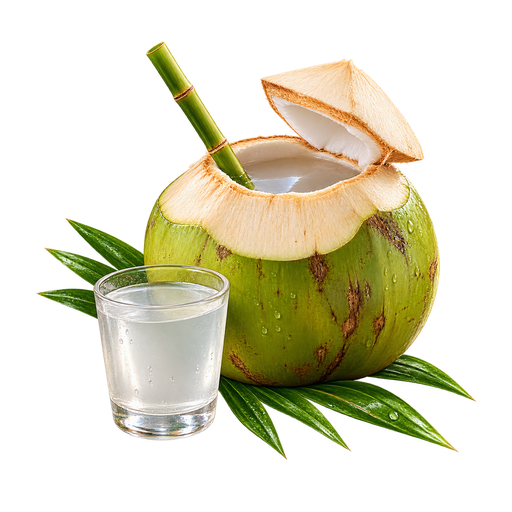
Papua New Guinea
Green coconut filled with sweet, slightly tangy coconut water — PNG's national drink, drunk fresh from the shell before the flesh hardens.
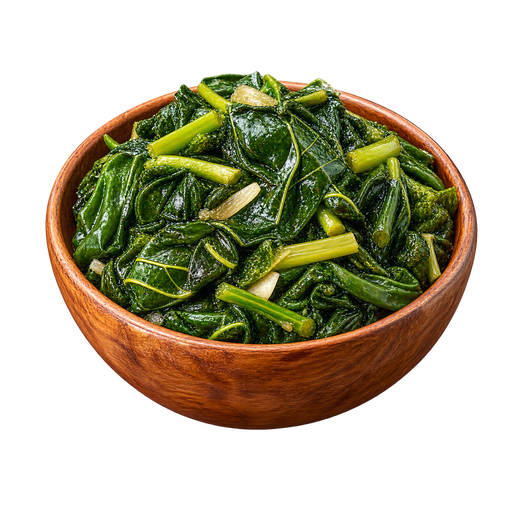
Papua New Guinea
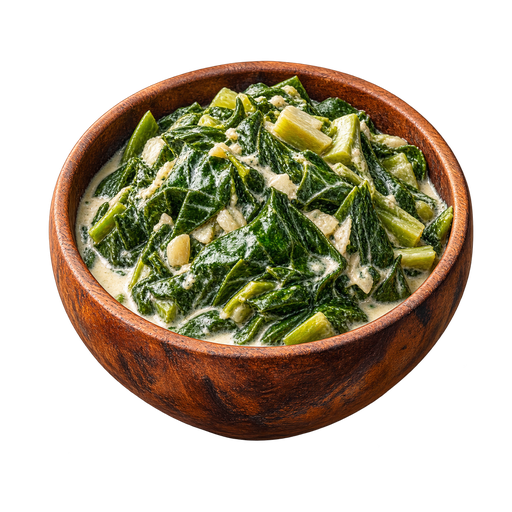
Wild leafy greens cooked in coconut cream — the universal PNG side dish, where 'kumu' refers to any edible wild greens gathered from the garden or forest.
Papua New Guinea
Kumu musong is a leafy-green PNG preparation cooked with coconut and aromatics until tender; it is served as a vegetable side with roots or fish.
Papua New Guinea
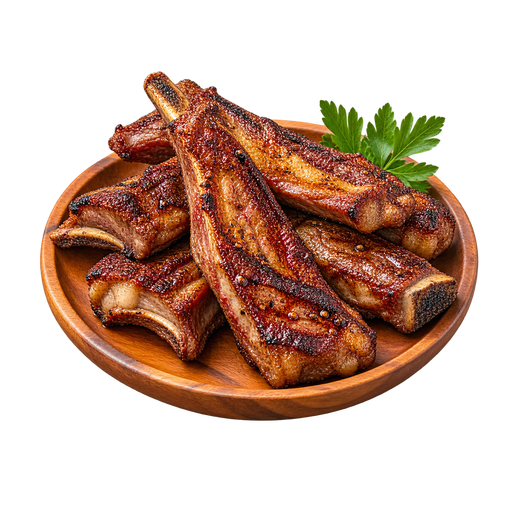
Lamb trimmings marinated with ginger, garlic, and chicken bouillon powder, grilled on roadside stands — PNG's most popular street food, served with cress salad and grilled plantains.
Papua New Guinea
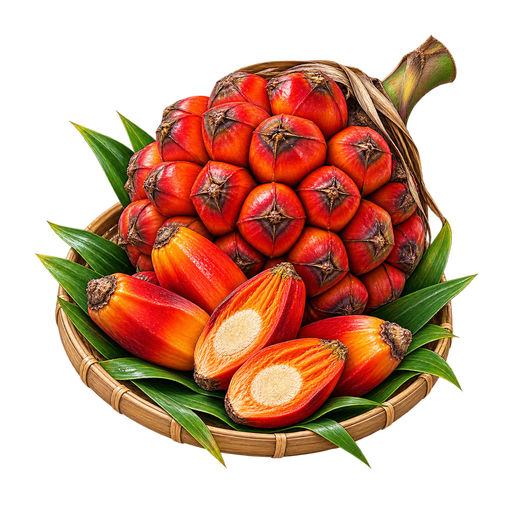
Marita is the bright orange pandanus fruit of the PNG Highlands, eaten ripe or mashed into a thick fruit preparation; its oily pulp is intensely coloured and fragrant.
Papua New Guinea
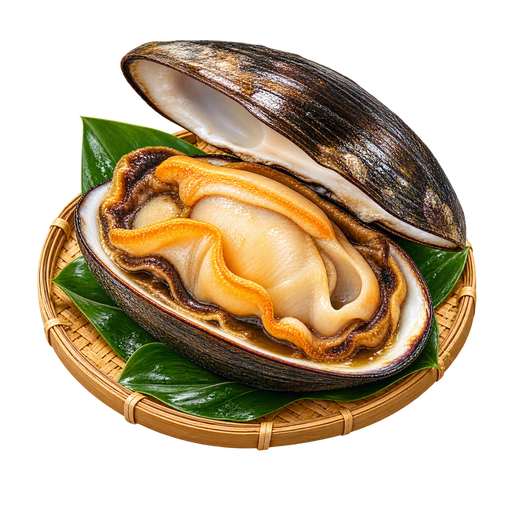
Mud clams from mangrove swamps, cooked with fern leaves and coconut cream — a Milne Bay delicacy, foraged from the mangroves and steamed in the traditional way.
Papua New Guinea
Papua New Guinea's national dish — pork or chicken, kaukau (sweet potato), taro, plantains, and leafy greens wrapped in banana leaves and slow-steamed in an earth oven over hot stones.
Papua New Guinea
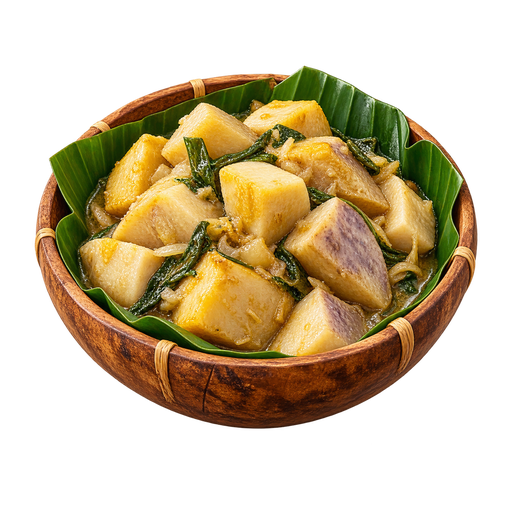
Gelatinous sago dumpling from the Sepik region — sago flour mixed with boiling hot water to form a jelly-like starch, eaten as the basic carbohydrate with smoked fish or freshwater prawns.
Papua New Guinea
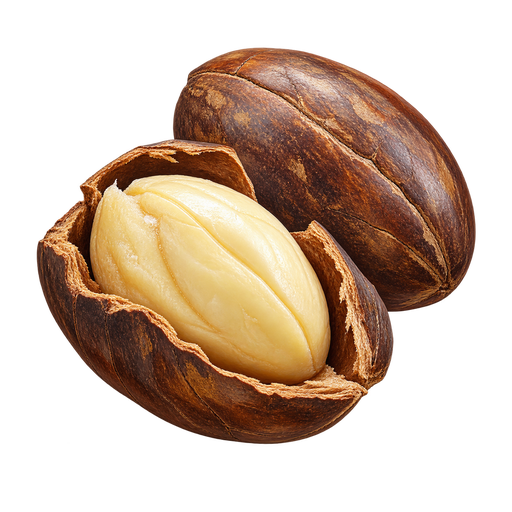
Okari is a PNG tree nut roasted or cooked into a rich paste, with a firm, oily bite and a flavour like a mild almond.
Papua New Guinea
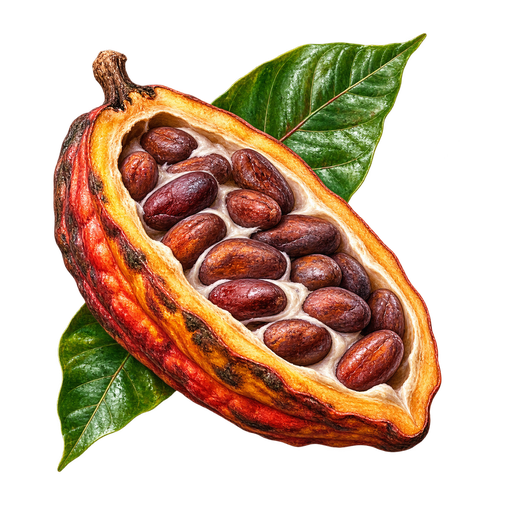
Single-origin cocoa beans from PNG's smallholder plantations — prized by chocolatiers for their complex flavour profile, used in desserts and chocolate making.

Papua New Guinea
Highland-grown Arabica coffee — PNG's second largest agricultural export, cultivated in the Highlands Region; a widely consumed beverage with a mild, balanced flavour.
Papua New Guinea
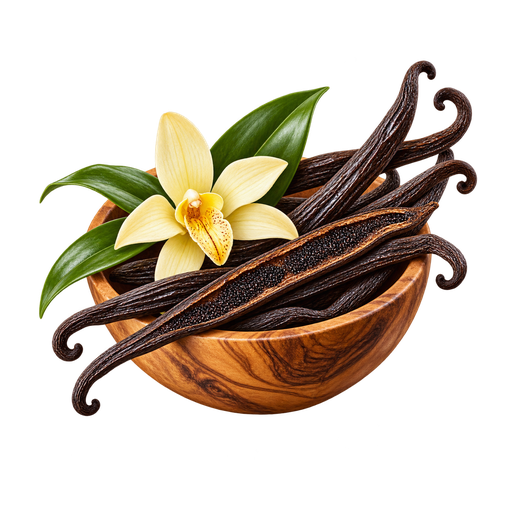
Vanilla beans from PNG — one of the world's premium vanilla sources, grown in the Highlands and coastal regions; used in desserts and baking.
Papua New Guinea
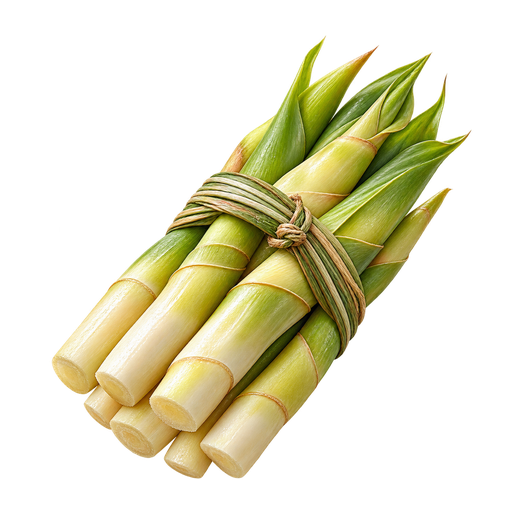
Pit-pit uses the tender inner shoots of sugarcane or related grass, sliced and cooked with coconut, meat, or fish into a soft vegetable dish.

Papua New Guinea
Black tea grown in the PNG Highlands, introduced by the British — drunk steaming hot, black, and very sweet, especially popular in the southern coastal areas.
Papua New Guinea
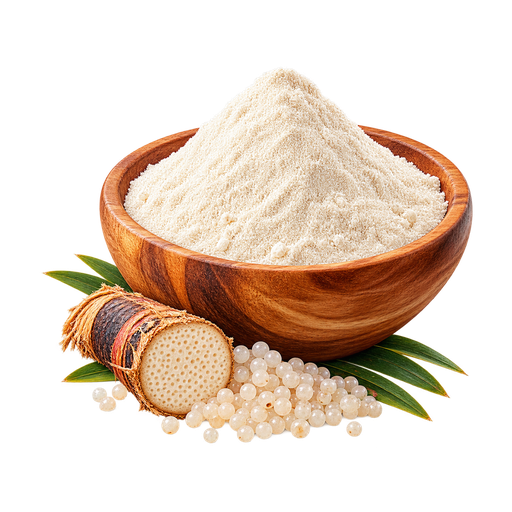
Starch flour extracted from the sago palm pith — the essential carbohydrate of PNG's lowland and river communities, used in pancakes, dumplings, puddings, and nangu.
Papua New Guinea
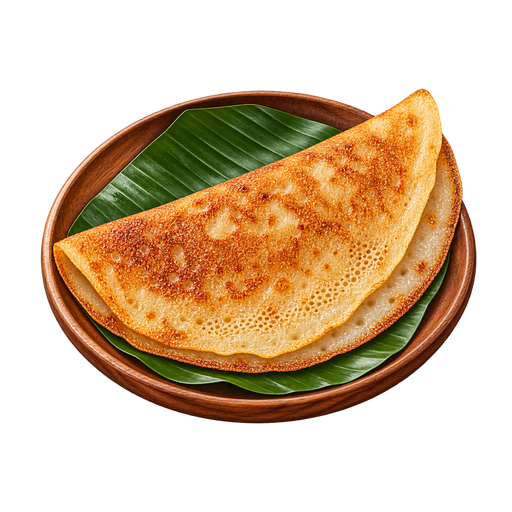
Sago pancake is a thin lowland PNG cake made from sago flour, sometimes with grated coconut, pressed onto a hot pan until flexible and lightly toasted.
Papua New Guinea
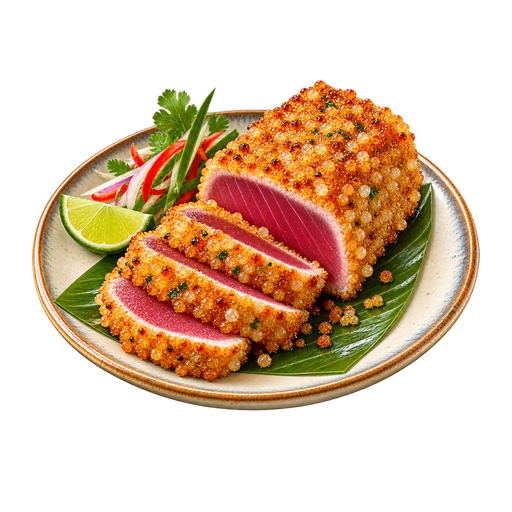
Fresh tuna coated in sago flour and pan-fried or grilled — a modern PNG restaurant dish that uses sago as a crust, showcased at Port Moresby hotels like the Hilton.
Papua New Guinea
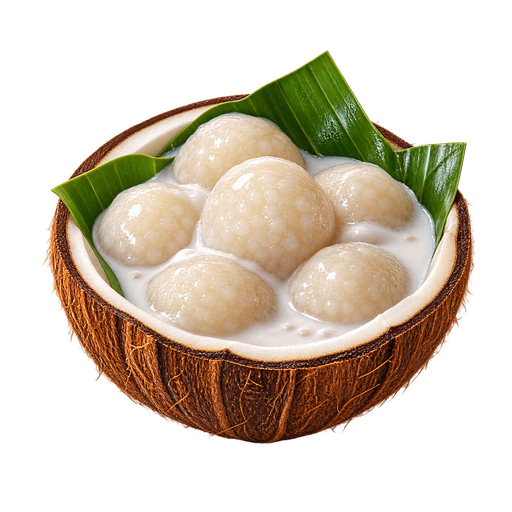
Sago Balls
Saksak is made from sago flour and ripe banana formed into dumplings, wrapped in leaves, and steamed until sticky before being served with coconut milk.
Papua New Guinea
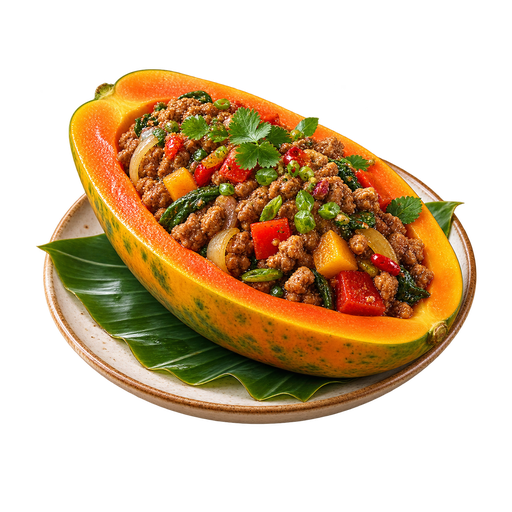
Halved papaya filled with spiced meat or vegetables and baked — a PNG dish that combines the abundance of tropical fruit with savoury fillings.