Naples, Italy
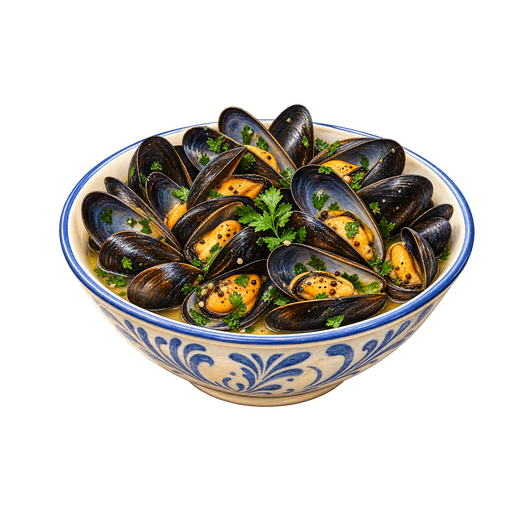
Cozze impepata
Neapolitan steamed mussels with black pepper and lemon, the simplest preparation of fresh mussels. A classic antipasto of Naples.

southern-europe
Explore 447 foods connected to Italy, from everyday staples to rare local specialties.
Start with Cozze impepata →
The local shortlist
10 editor-selected foods for understanding the place through what people eat.
Open the guide →
The full directory
447 foods in this view. Filter by category, type, rarity, or search every recorded name.
Naples, Italy
Neapolitan steamed mussels with black pepper and lemon, the simplest preparation of fresh mussels. A classic antipasto of Naples.
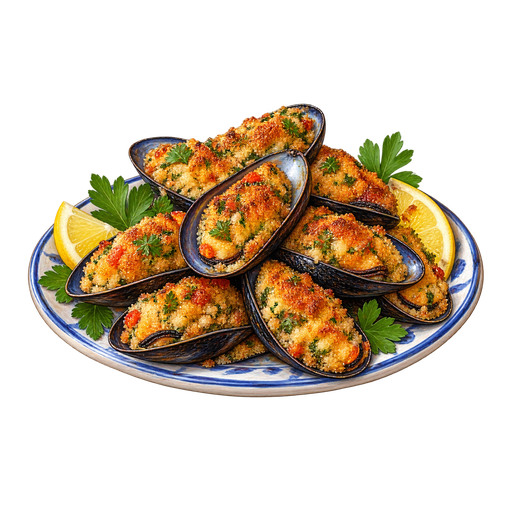
Apulia, Italy
In Puglia, Cozze ripiene is mussels cooked with tomato, garlic, parsley, and chilli.
Italy
In Italy, Crapiata is Basilicata soup of legumes, grains, and vegetables.

Campania, Italy
Crema di limoncello is a named Italian spirit from Campania, defined by its local ingredients or grape, preparation, and balance of aroma, acidity, sweetness, or bitterness.
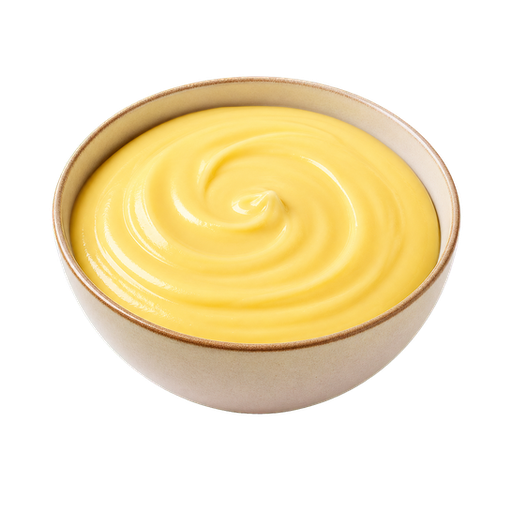
Italy
Italian pastry cream of egg yolks, sugar, milk, and vanilla, thickened with flour or cornstarch. The filling of many pastries and cakes.
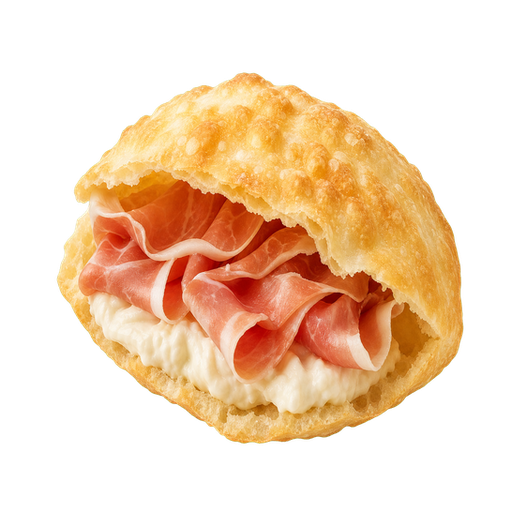
Emilia-Romagna, Italy
Modena's puffed fried dough pillows of flour, lard, and milk, served hot with cured meats, stracchino, or sweet spreads. Also called gnocco fritto in nearby towns.
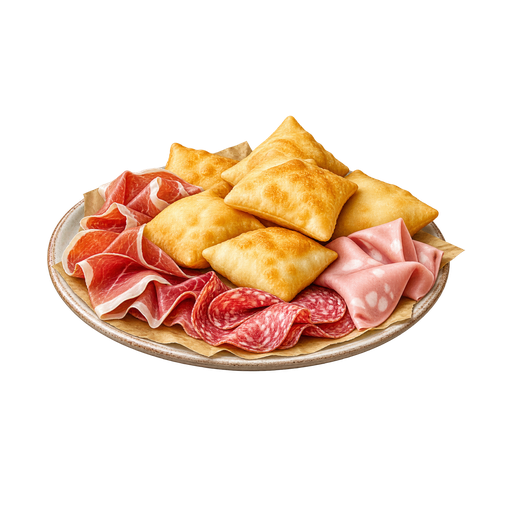
Bologna, Italy
Crescentine fritte
Bologna's small fried breads served warm with mortadella, cured meats, and soft cheese.
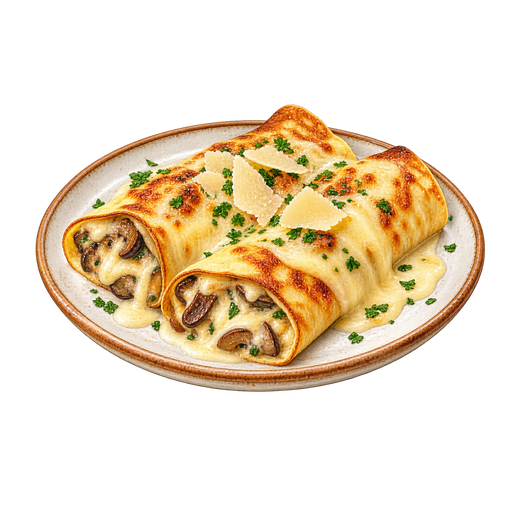
Italy
Crespelle al Bitto is a named Italian pancake from Valtellina, made as a distinctive flour-based or filled form with the ingredients and cooking finish associated with that local tradition.
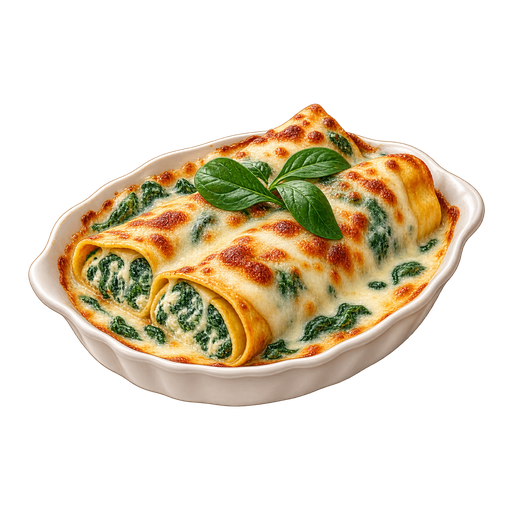
Florence, Italy
Crespelle alla Fiorentina is a named Italian pancake from Florence, made as a distinctive flour-based or filled form with the ingredients and cooking finish associated with that local tradition.
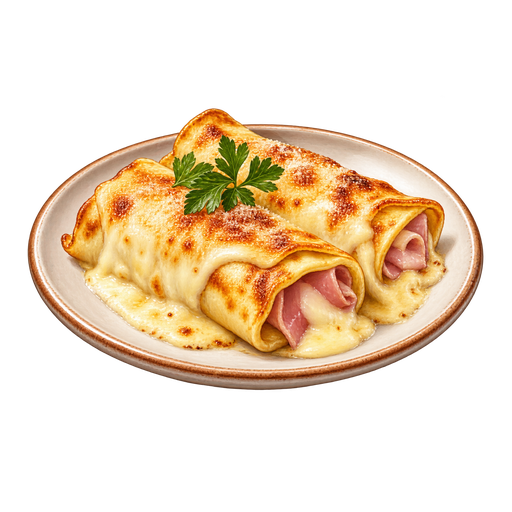
Aosta Valley, Italy
Crespelle alla Valdostana is a named Italian pancake from Aosta Valley, made as a distinctive flour-based or filled form with the ingredients and cooking finish associated with that local tradition.
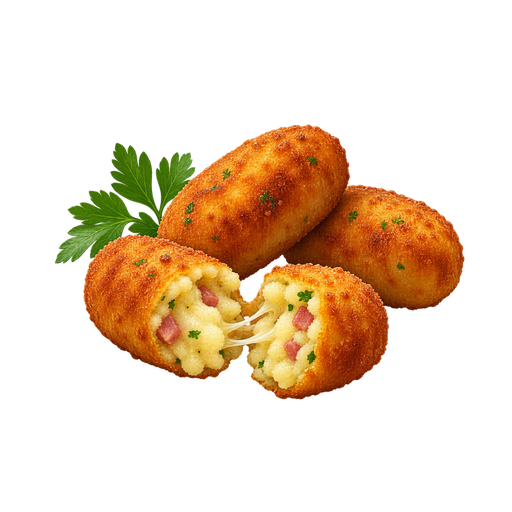
Sicily, Italy
Crocchè is a named Italian street snack from Sicily, made as a distinctive flour-based or filled form with the ingredients and cooking finish associated with that local tradition.
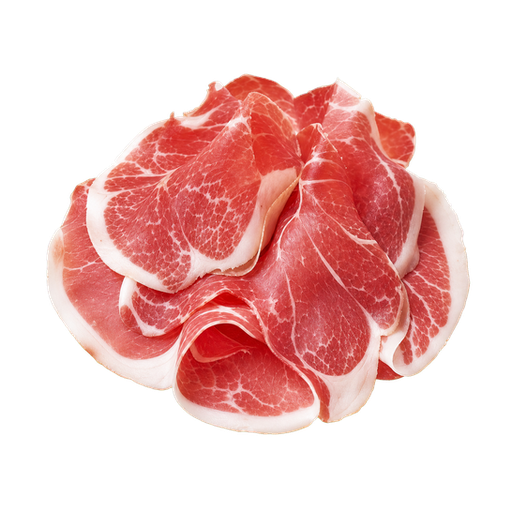
Emilia-Romagna, Italy
The 'king of cured meats': the heart of the ham, aged in the foggy Bassa Parmense for at least 12 months. Sweeter and more prized than whole prosciutto.

Naples, Italy
A paper cone of fried Neapolitan street food: zeppole, sciurilli, panzarotti, and crocchè, eaten walking. The original 'fritto misto' to go.
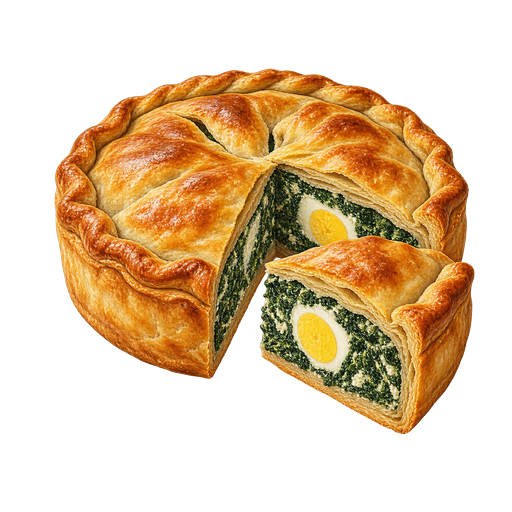
Monaco, Monaco
Torta Pasqualina
Layered chard pie, the centrepiece dish on Easter day in Monaco; Swiss chard layered with eggs, cheese, and herbs in a pastry crust; a Monegasque Easter tradition listed in Wikipedia's cuisine table.

Italy
Italian concentrated coffee brewed by forcing hot water through finely-ground beans under pressure. The base of cappuccino, latte, and many other drinks.
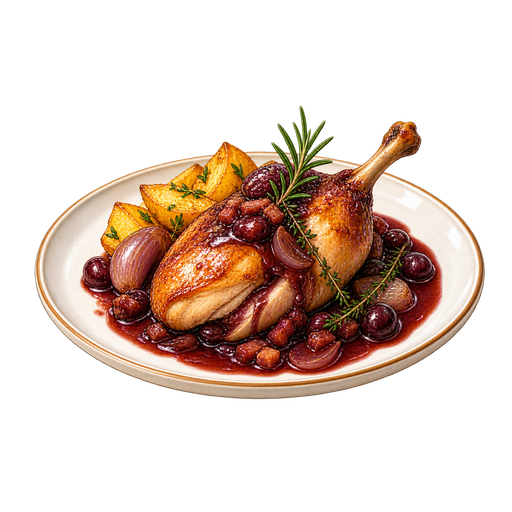
Piedmont, Italy
In Piedmont, Faraona al Barolo is guinea fowl braised with wine and aromatic vegetables.
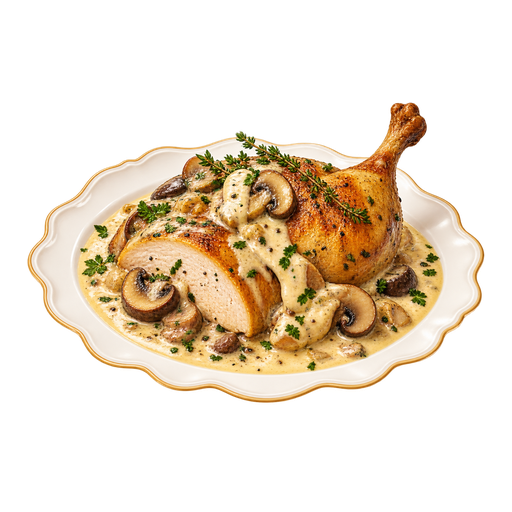
Lombardy, Italy
In Lombardy, Faraona al Mascarpone is guinea fowl braised with wine and aromatic vegetables.
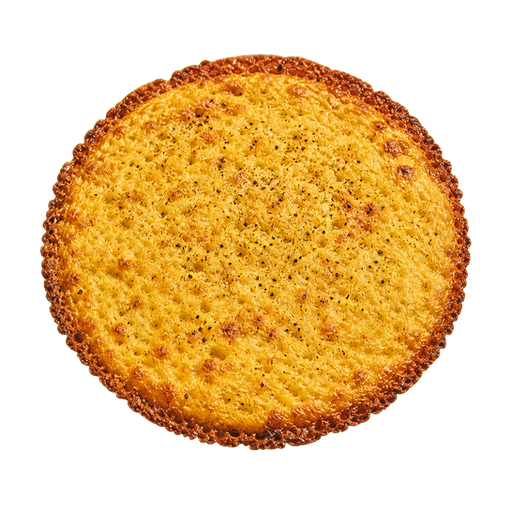
Liguria, Italy
Ligurian farinata is a chickpea batter baked in a very hot oven until the bottom is lacy and crisp while the top stays soft; Tuscany uses the related name cecina for its regional form.
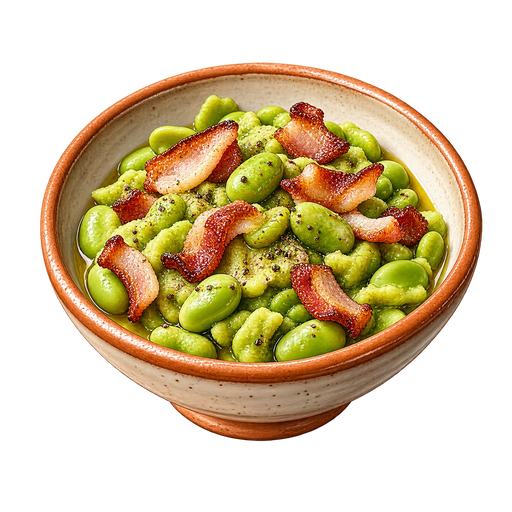
Lazio, Italy
In Lazio, Fave al guanciale is broad beans cooked with crisp guanciale, onion, and oil.
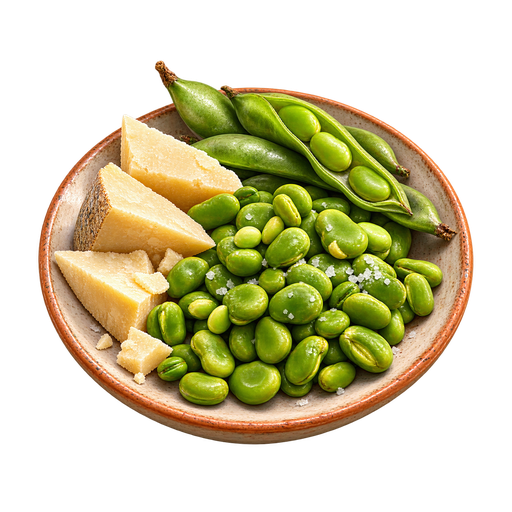
Rome, Italy
Roman spring ritual of raw fava beans eaten with Pecorino Romano and salami on May 1st. A picnic tradition.
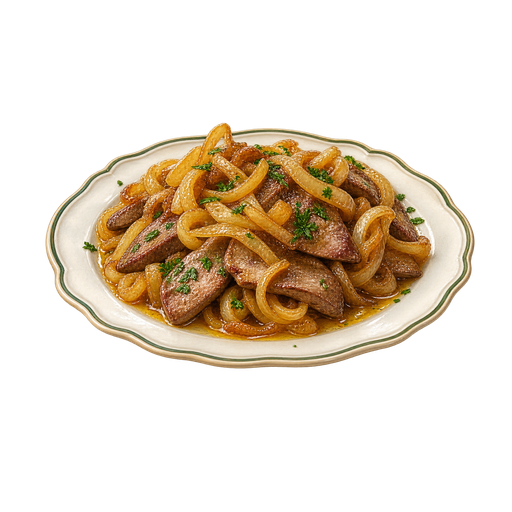
Venice, Italy
Venetian calf's liver thinly sliced and cooked with caramelized onions, often with polenta. A historic dish of Venice.

Córdoba, Argentina
A bitter Italian herbal liqueur, drunk as a digestif or mixed with cola. In Argentina (especially Córdoba), it is
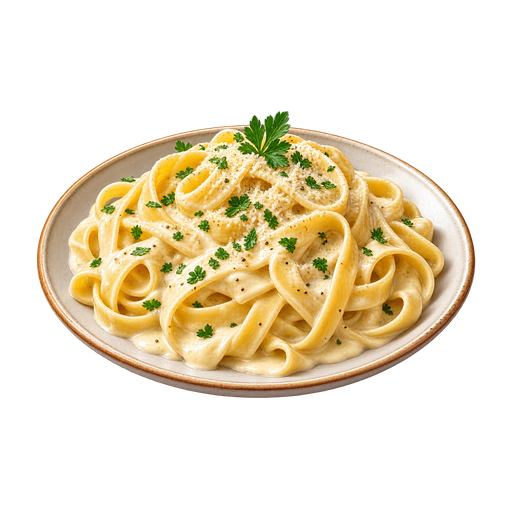
Rome, Italy
Roman fresh egg fettuccine tossed with butter and Parmigiano, emulsified with pasta water. The original Alfredo in Rome is far simpler than the cream-heavy American version.
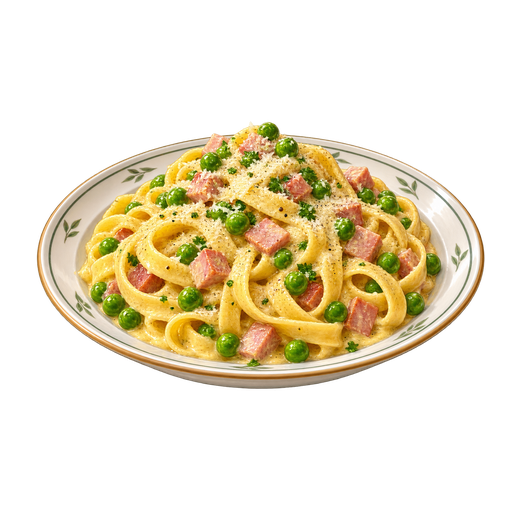
Rome, Vatican City
Fettuccine alla papalina is a Roman restaurant pasta of fresh fettuccine, eggs, butter, cream, Parmesan, prosciutto, and onion, associated with papal requests but not produced in Vatican City.
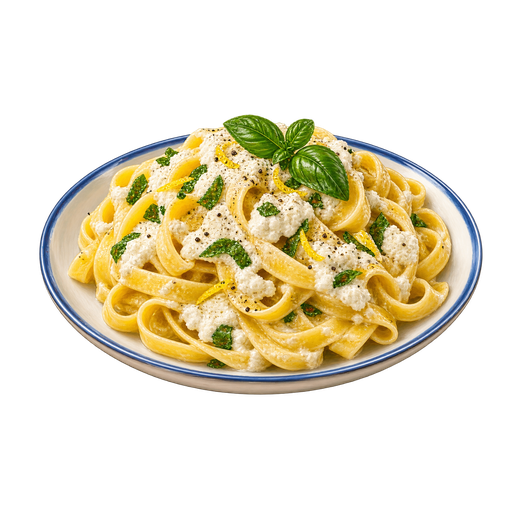
Umbria, Italy
Fettuccine con la ricotta is a named Italian pasta from Umbria, pairing its characteristic shape or filling with a defining sauce, broth, or seasoning; the form distinguishes it from a generic version.
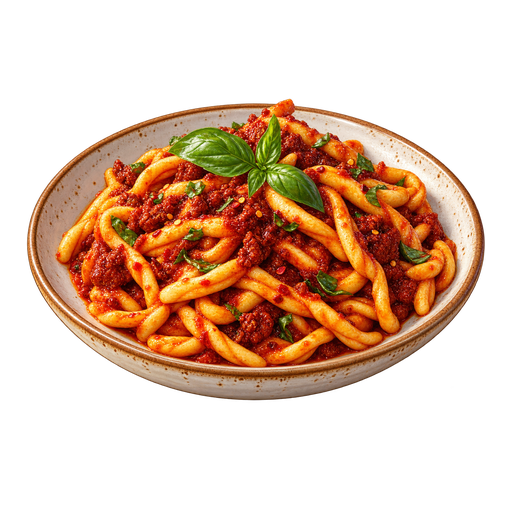
Calabria, Italy
Fileja con 'nduja is a named Italian pasta from Calabria, pairing its characteristic shape or filling with a defining sauce, broth, or seasoning; the form distinguishes it from a generic version.
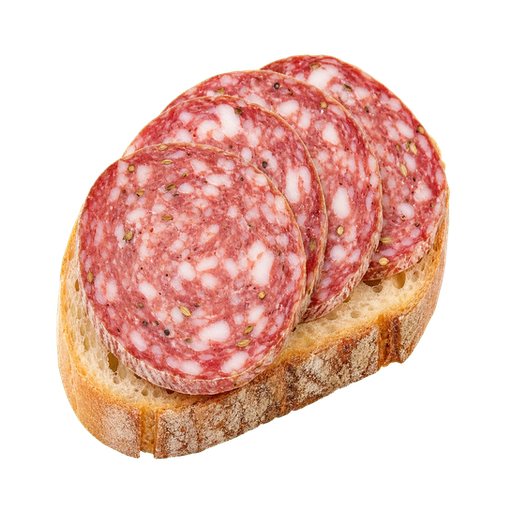
Tuscany, Italy
Tuscan fennel-seed salami, the most typical salume of Tuscany. Aged 6+ months, flavored with wild fennel seeds and garlic.
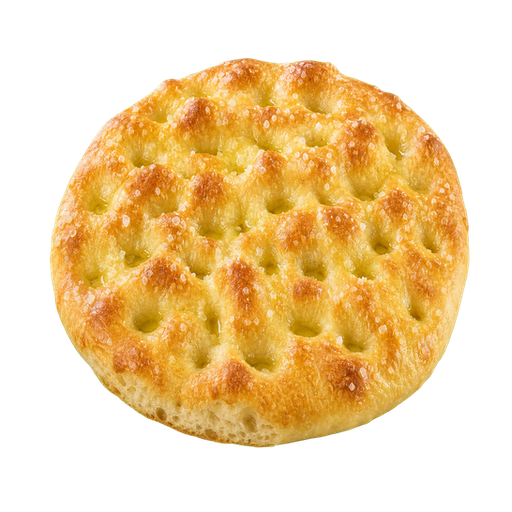
Genoa, Italy
Focaccia genovese
Liguria's signature flatbread: a dimpled, olive-oil-soaked dough baked until golden, lightly salted and often eaten by the slice for breakfast or as a snack.
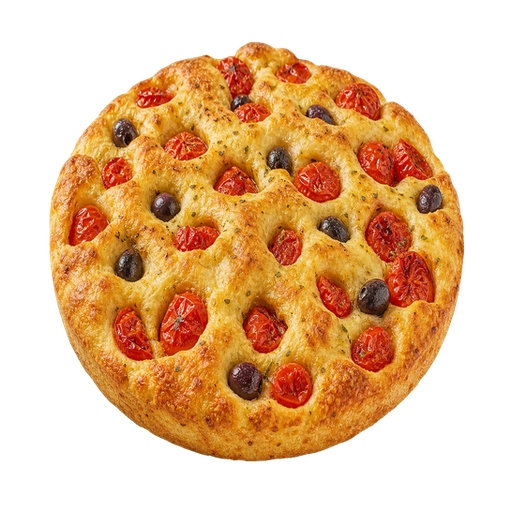
Apulia, Italy
Puglia's version of focaccia: a thick, pillowy dough topped with cherry tomatoes, olives, and sometimes onions or potatoes, baked until the bottom is crackling crisp.
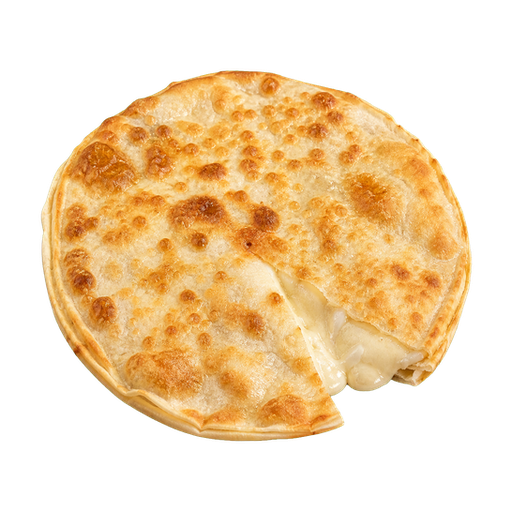
Liguria, Italy
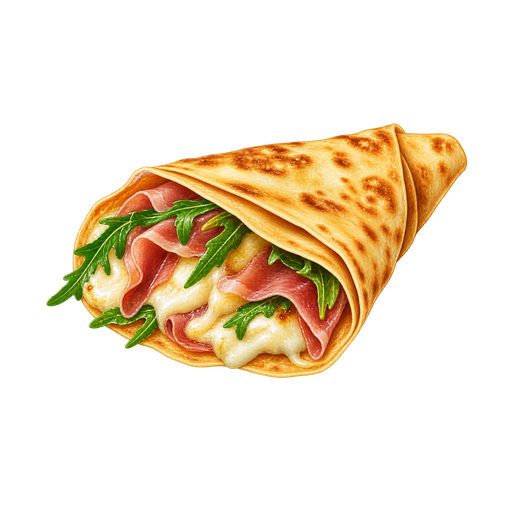
Ligurian unleavened flatbread stretched paper-thin, sandwichd with stracchino cheese and baked until the cheese melts and the crust blisters.
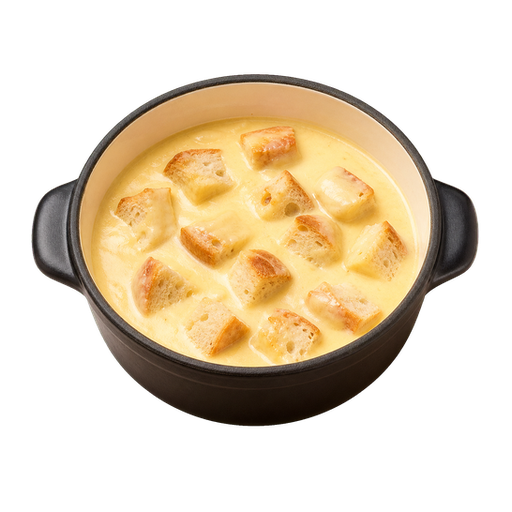
Aosta Valley, Italy
Aosta Valley cheese fondue of fontina, milk, egg yolks, and butter—no wine, unlike Swiss fondue. Served with crusty bread or polenta.
Aosta Valley, Italy
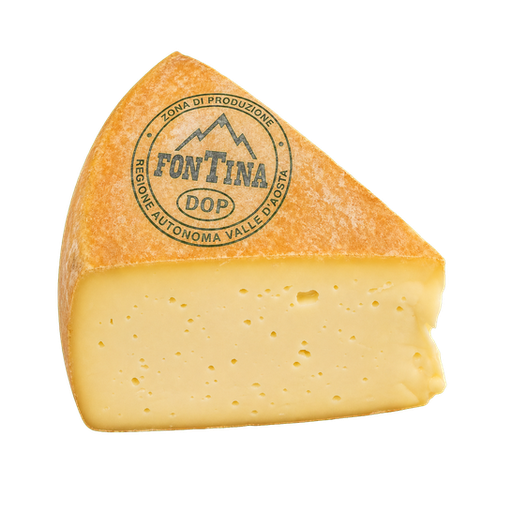
PDO cow's milk cheese from the Aosta Valley, earthy and pungent, the melting cheese of fonduta valdostana. Aged at least 3 months in alpine caves.

Lombardy, Italy
Lombardy metodo-classico sparkling wine.
Italy
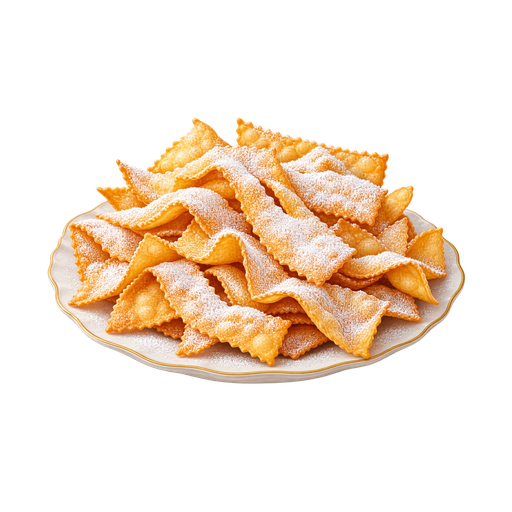
Thin crispy fried ribbons of sweet dough dusted with powdered sugar, eaten during Carnival across central Italy. Also called chiacchiere.
Italy
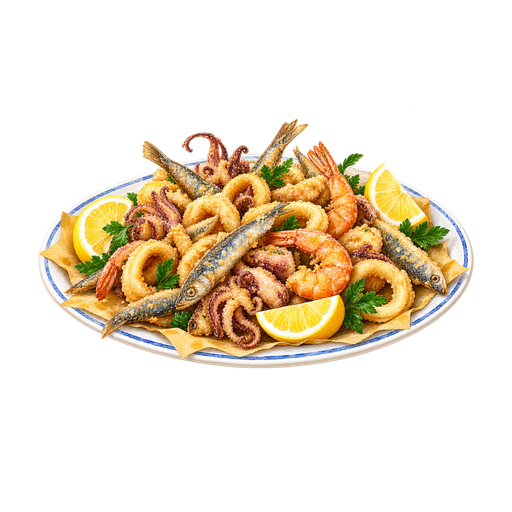
Coastal Italy's mixed fried seafood—anchovies, calamari, shrimp, and small whole fish—lightly floured and fried until crisp. Served with lemon wedges.
Palermo, Italy
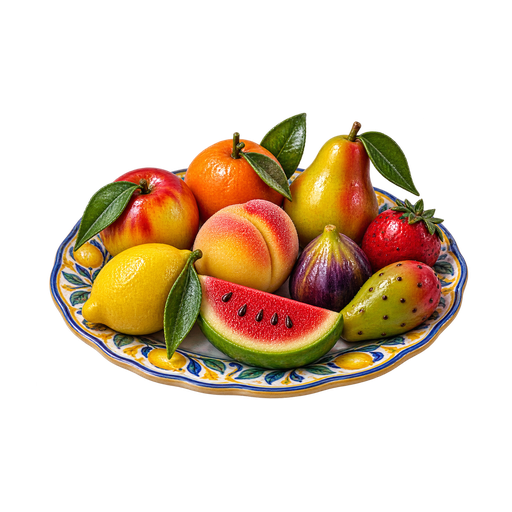
Sicilian marzipan shaped and painted to look like real fruit, traditionally made in Palermo for All Souls' Day (November 2).