Azerbaijan
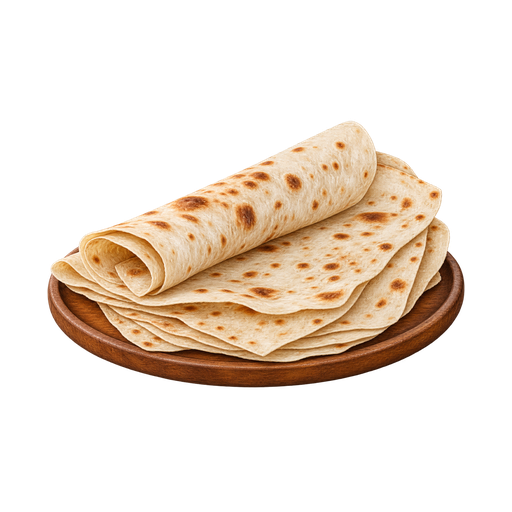
Lavash
Լավաշ
Paper-thin unleavened bread slapped onto the wall of a clay tonir and peeled off seconds later, dried in stacks and revived with a sprinkle of water.

western-asia
Explore 66 foods connected to Armenia, from everyday staples to rare local specialties.
Start with Lavash →
The local shortlist
12 editor-selected foods for understanding the place through what people eat.
Open the guide →The full directory
66 foods in this view. Filter by category, type, rarity, or search every recorded name.
Azerbaijan
Լավաշ
Paper-thin unleavened bread slapped onto the wall of a clay tonir and peeled off seconds later, dried in stacks and revived with a sprinkle of water.
Lori, Armenia
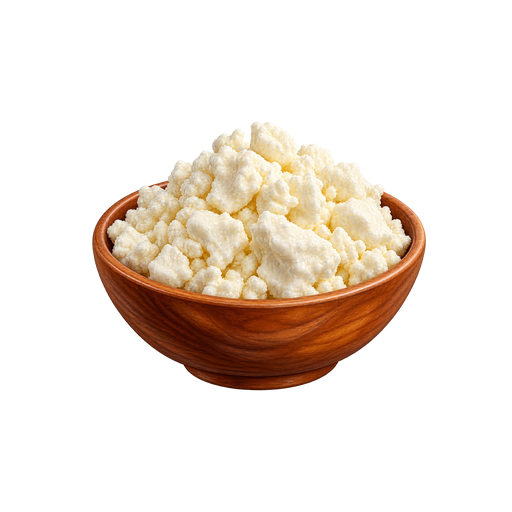
Լոռի պանիր
Brined cow's-milk cheese from the Lori highlands, firm and salty with small irregular holes, aged in tins for two months.
Armenia
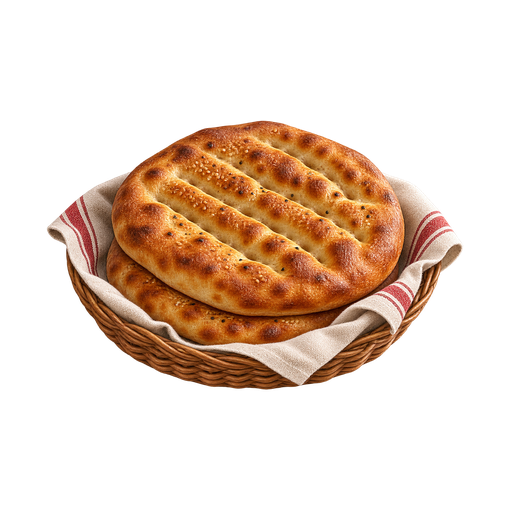
Մատնաքաշ
Soft oval loaf scored into a lattice by dragging the fingers through the dough before baking — the name means 'drawn by hand'.
Armenia
Մածուն
Armenian fermented milk, thicker and sharper than commercial yogurt, eaten plain, cooked into soup or thinned into a drink.
Azerbaijan
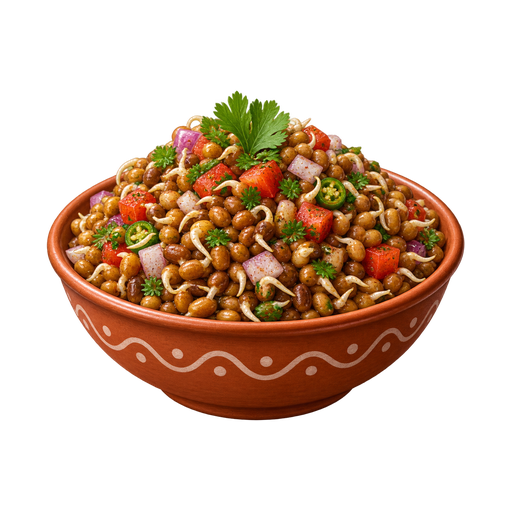
Մոթալ
Sheep's cheese layered with wild thyme and packed into a cured skin or clay jar to ripen for months into a sharp, herbal, crumbly paste.

Armenia
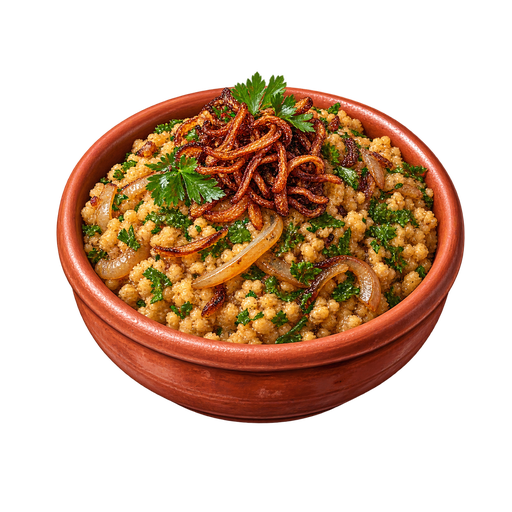
Τσάι του βουνού
Greek herbal tea of sideritis (ironwort) flowers, dried and brewed in hot water. A national and healthy drink, aromatic and soothing, a winter and home staple, served with honey and lemon.
Armenia
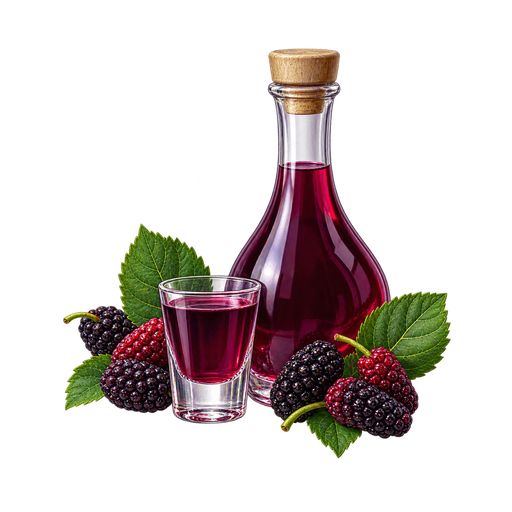
Մշոշ
A rustic Armenian lentil stew with caramelised onions, walnuts and dried apricots, seasoned with cumin and paprika, a vegan lenten dish.
Armenia
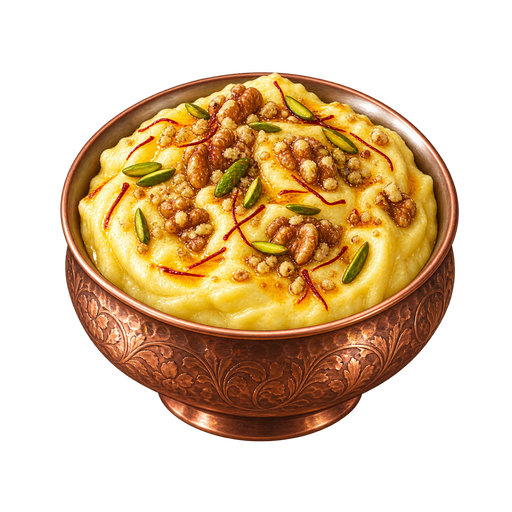
Թթի օղի
Spirit distilled from white mulberries, cloudy-clear and intensely fruity, credited locally with medicinal properties.
Armenia
Նազուկ
Rolled yeast pastry with the same buttery flour-and-sugar filling as gata, cut into diagonal fingers and baked to a deep gold.
Armenia
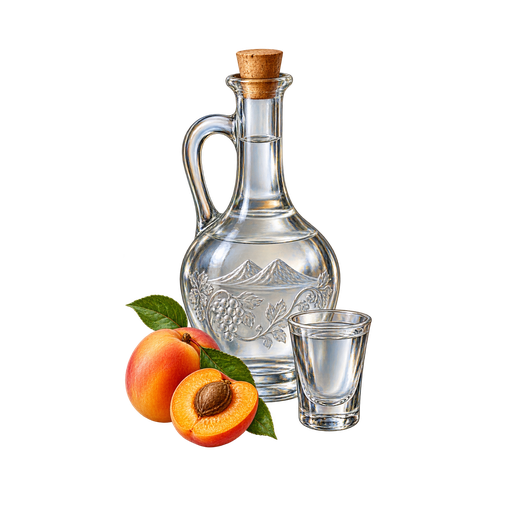
Օղի
Clear fruit spirit distilled at home from mulberries, apricots, cornelian cherries or grapes, usually well above 50%.
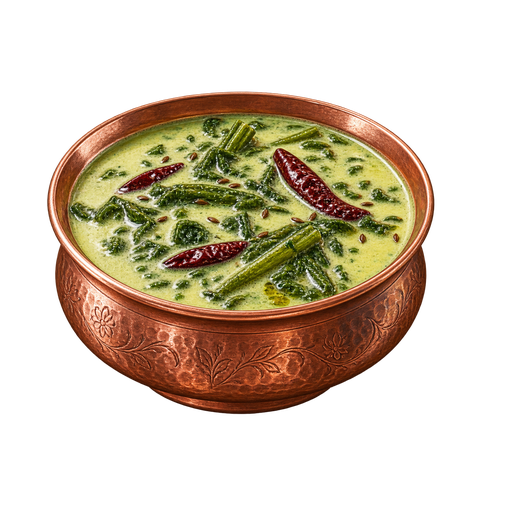
Shirak, Armenia
Պանրխաշ
A traditional Armenian dish of layered lavash, chechil cheese and caramelised onions, baked with hot water until golden, from the Shirak region.
Kayseri, Lebanon
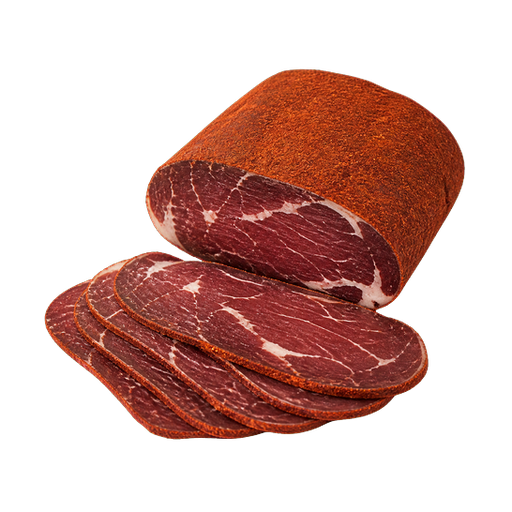
Բաստուրմա
A cured beef product made by salting, pressing, and air-drying whole muscle cuts, then coating them with çemen, a paste of fenugreek, garlic, and red pepper. Originating from nomadic Turkic meat-preservation traditions, pastırma is eaten thinly sliced at breakfast, in börek, or with eggs. Afyonkarahisar and Kayseri are renowned for their pastırma, with the Afyon version holding a GI.
Armenia
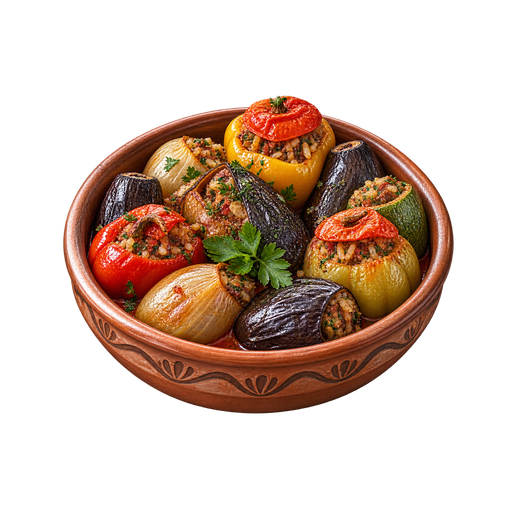
Պասուց տոլմա
The Lenten tolma: cabbage leaves rolled around a mix of beans, lentils, cracked wheat and chickpeas, eaten cold with no meat at all.

Yerevan, Armenia
Պոնչիկ
Fried dough balls injected with thin custard and rolled in icing sugar, sold hot from small counters and eaten standing up.
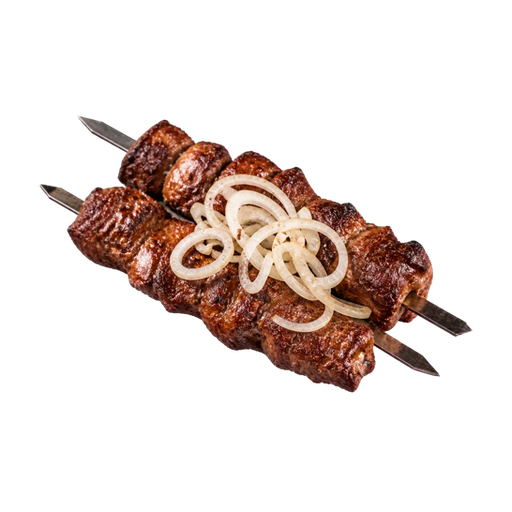
Armenia
Шашлық
Shashlik is marinated meat grilled on skewers with onion and rendered fat, a shared Eurasian form rather than a single national dish.
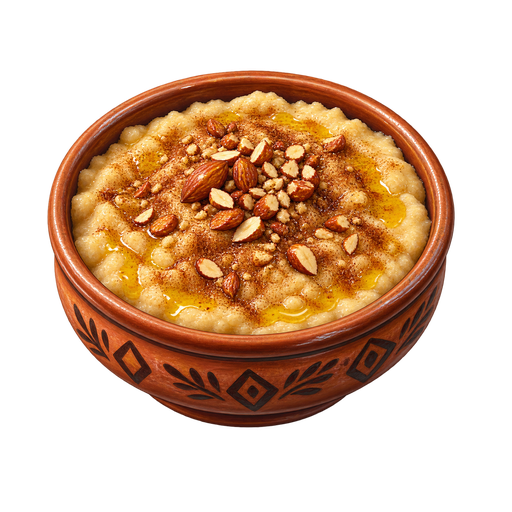
Armenia
Սիբեխ
Wild herb picked in the mountains in spring, pickled in brine and eaten as a sharp, salty side with cheese and bread.
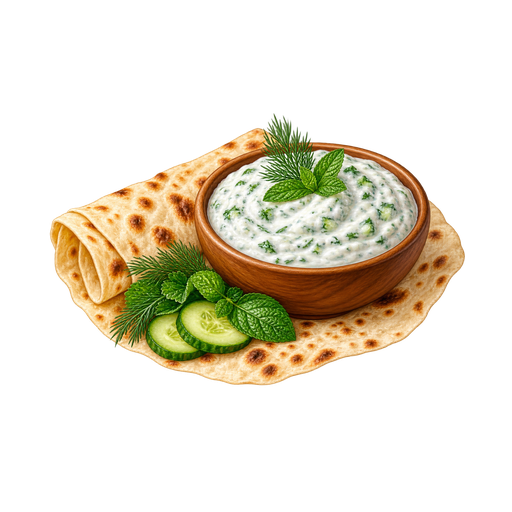
Armenia
Թթու լավաշ
Fruit leather from sour plums or cornelian cherries, dried in sheets and torn into stews and soups as a souring agent.
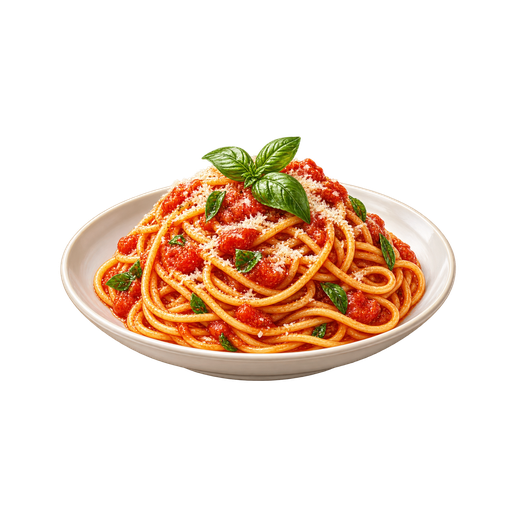
Armenia
Սպաս
Matsun thinned with broth and thickened with wheat groats, then finished with a great deal of chopped mint and coriander — served hot or cold.
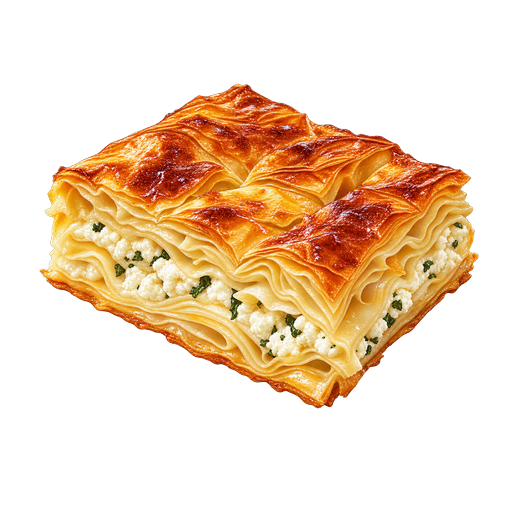
Armenia
Սու բյորեկ
Water börek: boiled sheets of pastry layered with cheese and baked.
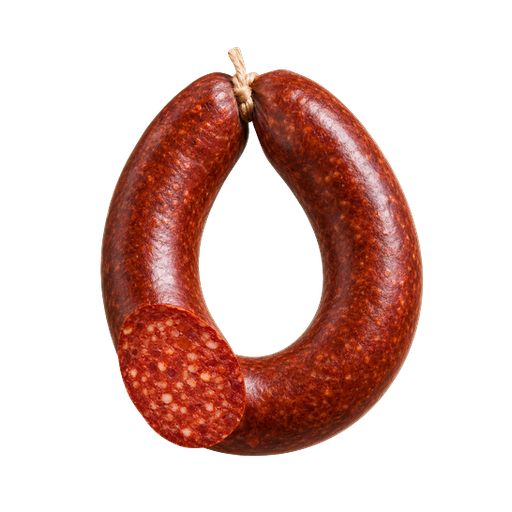
Kayseri, Lebanon
Sucuq
A dry, spicy fermented sausage made from ground beef mixed with tail fat, garlic, cumin, and red pepper, stuffed into casings and air-dried. First mentioned in the 11th century by Mahmud al-Kashgari, sucuk is sliced and grilled, fried with eggs for breakfast, or added to dishes like bean stews. Afyonkarahisar is renowned for its sucuk production tradition.
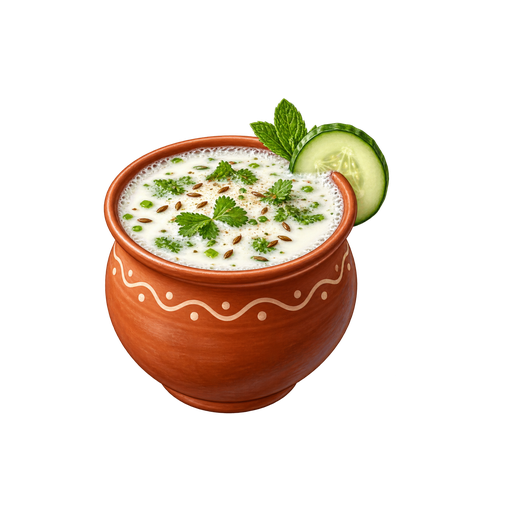
Armenia
Թան
Matsun whisked with cold water and salt, sometimes with herbs, drunk cold with grilled meat and in summer heat.
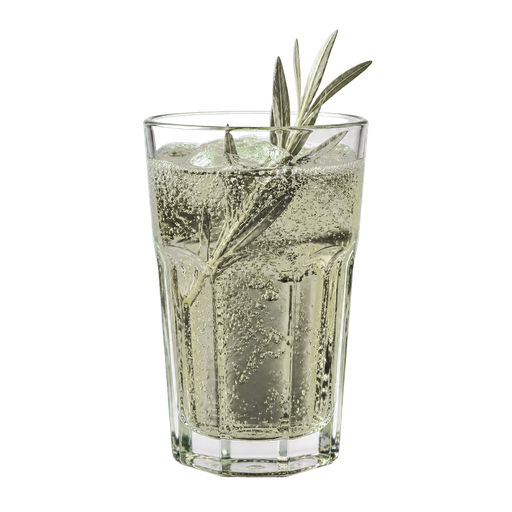
Kutaisi, Georgia
Ტარხუნა
A bright green carbonated drink flavoured with tarragon, sweet and faintly aniseed, sold across the Caucasus since the 19th century.
Armenia
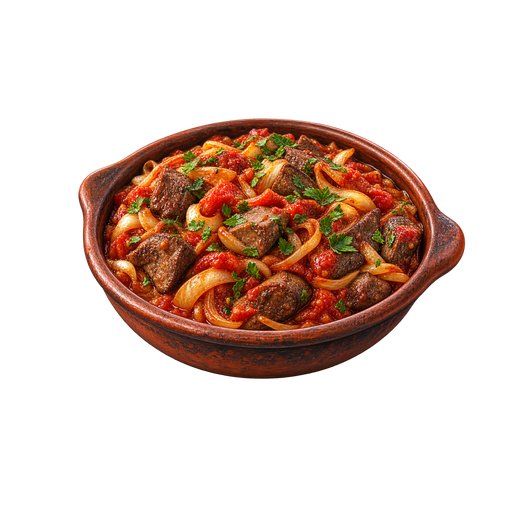
Տժվժիկ
Liver and heart fried hard with onion and a great deal of black pepper until the edges crisp, served straight from the pan.
Azerbaijan
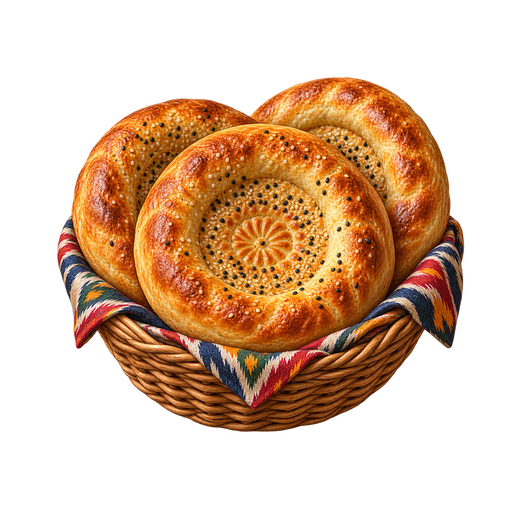
Թոնրի հաց
Thick round loaves baked against the wall of the same clay pit oven as lavash, blistered on one side and flat on the other.

Lebanon
Türk Kahvesi
A method of preparing unfiltered coffee using finely ground beans simmered with water and sugar in a cezve. The result is a strong, aromatic brew with a thick layer of foam, served in small cups with water. UNESCO inscribed Turkish coffee culture on its Representative List of Intangible Cultural Heritage in 2013. The grounds are traditionally used for fortune telling.
Armenia
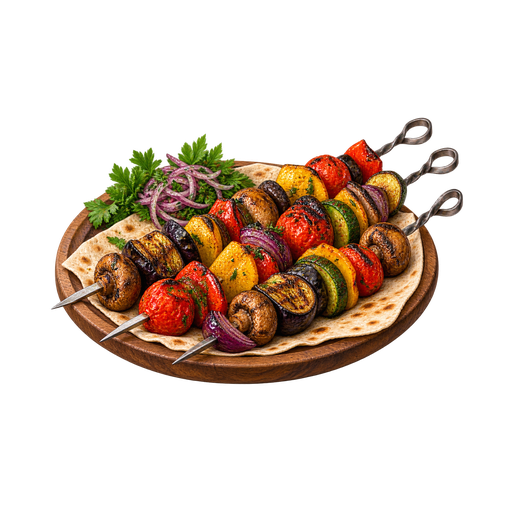
Բանջարեղենի խորոված
Aubergine, peppers and tomatoes charred whole over the same fire, then peeled hot and chopped with garlic and herbs into a smoky salad.
Armenia
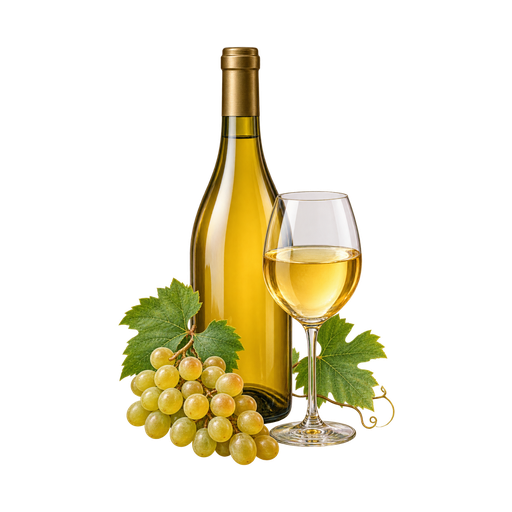
Ոսկեհատ
Indigenous white grape called 'golden berry', made dry with quince and stone-fruit notes and increasingly in amphorae.
Armenia
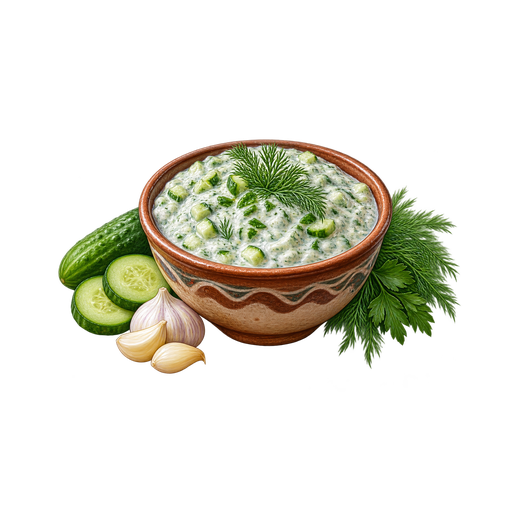
Ժաժիկ
Curd cheese kneaded with wild herbs — most importantly sibekh — and left to mature into a green-flecked, pungent spread.
Syunik, Armenia
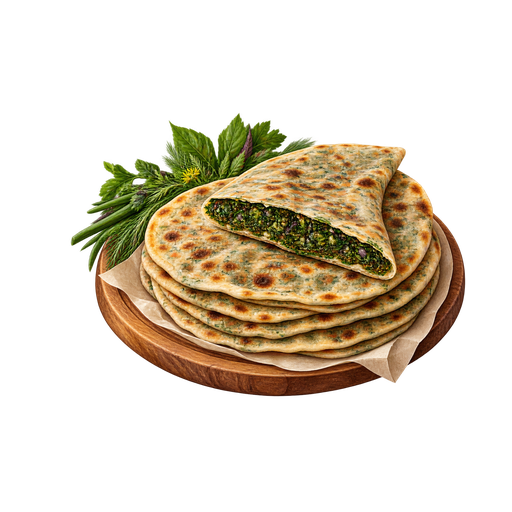
Ժենգյալով հաց
Flatbread stuffed with up to twenty chopped wild herbs and greens, sealed and dry-cooked on a griddle — the signature bread of Artsakh, now made across Armenia.
Southeastern Anatolia, Turkey
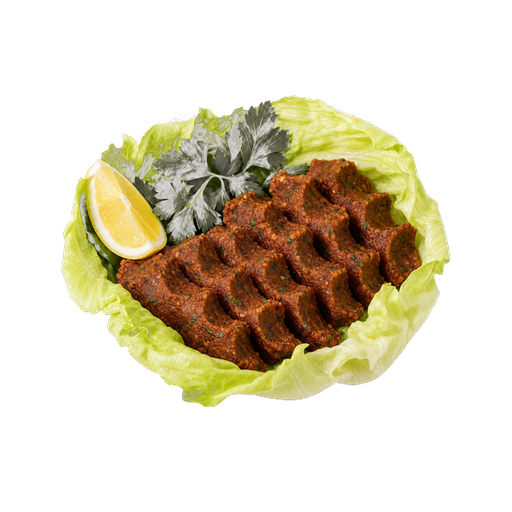
Չի քյուֆթա
A spicy mixture of fine bulgur, tomato paste, onion, parsley, and red pepper flakes, traditionally kneaded with raw meat until it binds into small oval shapes. Modern versions are entirely vegetarian, using the same spices and bulgur without meat. Originating in eastern Turkey, it is now a popular street snack nationwide, served wrapped in lettuce with lemon.