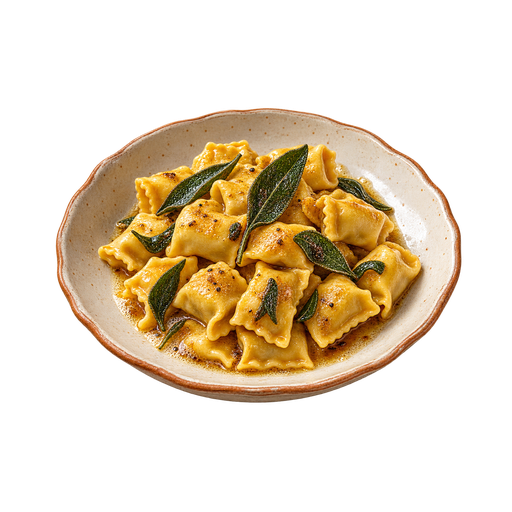
Piedmont, Italy
Agnolotti del Plin
Tiny pinched Piedmontese pasta parcels stuffed with roasted meats, traditionally served 'al tovagliolo'—dry, folded in a napkin, with just butter and sage or truffle.

The complete directory
47 foods match this view. Search local names, narrow the map, or follow a category.
Piedmont, Italy
Tiny pinched Piedmontese pasta parcels stuffed with roasted meats, traditionally served 'al tovagliolo'—dry, folded in a napkin, with just butter and sage or truffle.
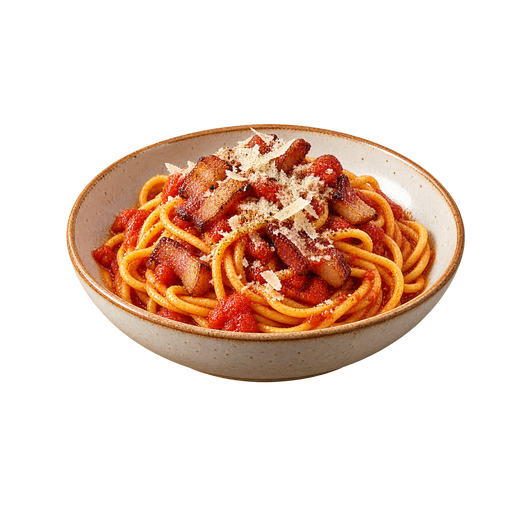
Rome, Italy
Amatriciana comes from Amatrice: guanciale, tomato, Pecorino Romano, and a little chili are emulsified into a sauce traditionally served with bucatini. It is also an established Roman pasta tradition.
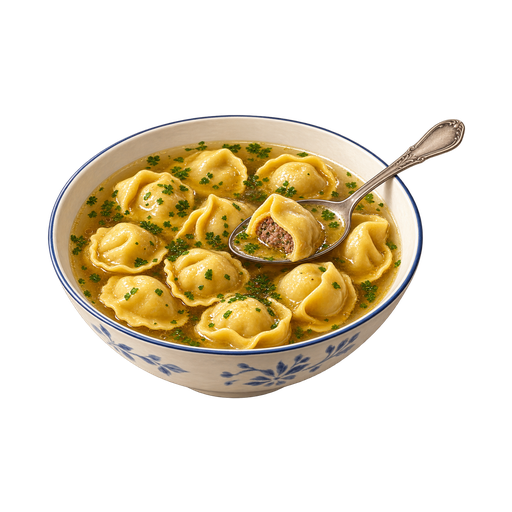
Parma, Italy
Anolini in brodo
Parma's small filled pasta traditionally served in rich broth for holidays and important family meals.
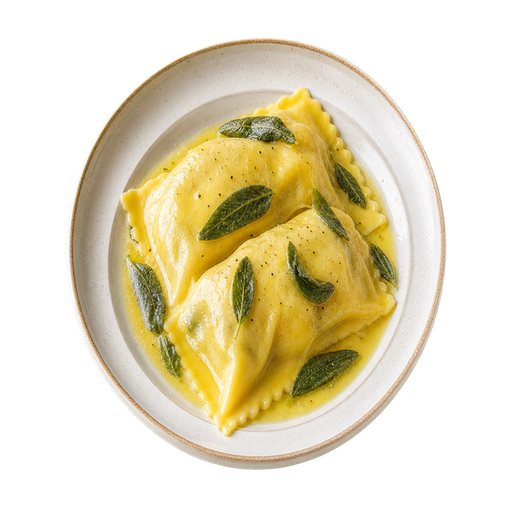
Bologna, Italy
Bolognese Carnival pasta: large tortelloni stuffed with ricotta, spinach, and a sweet filling of mostarda or amaretti, dressed with butter and sage.
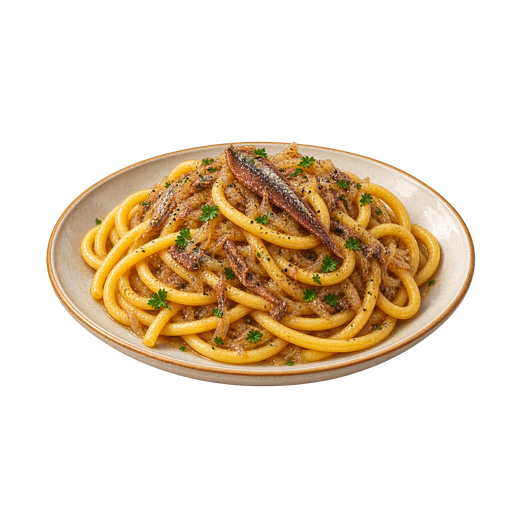
Venice, Italy
Venetian bigoli pasta dressed with a slow-cooked onion and anchovy sauce. Originally a fasting dish, now a Venetian classic.
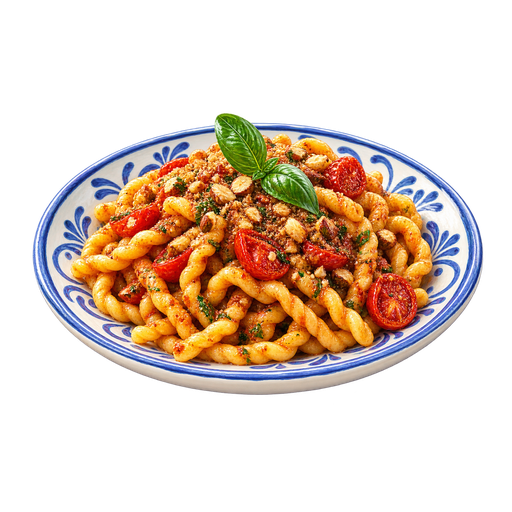
Sicily, Italy
Sicilian spiral pasta, traditionally paired with pesto alla trapanese.
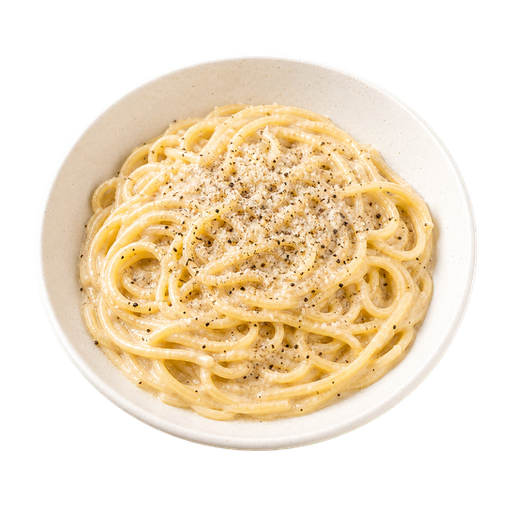
Rome, Italy
Cacio e pepe is an established Roman pasta tradition of tonnarelli or spaghetti, Pecorino Romano, and cracked black pepper emulsified with starchy pasta water.
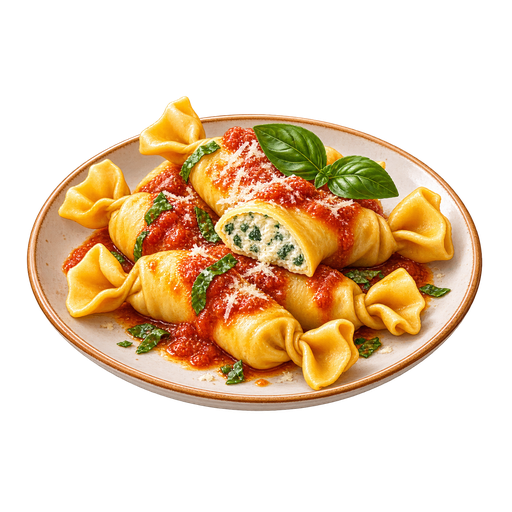
Italy
Caramelle ricotta is a named Italian pasta from Italy, pairing its characteristic shape or filling with a defining sauce, broth, or seasoning; the form distinguishes it from a generic version.
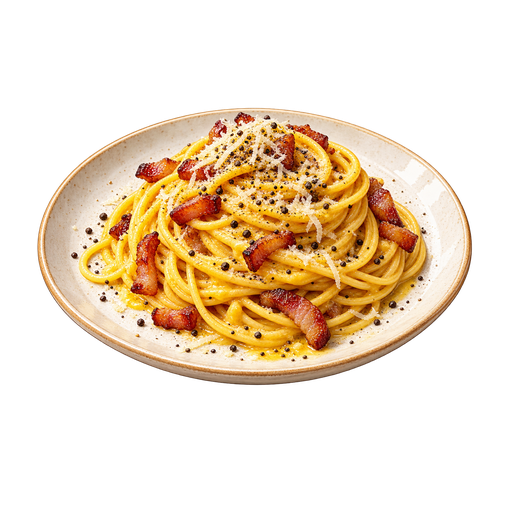
Rome, Italy
Carbonara is an established Roman pasta tradition made by emulsifying guanciale, egg, Pecorino Romano, and black pepper with hot pasta; cream is not part of the classic form.
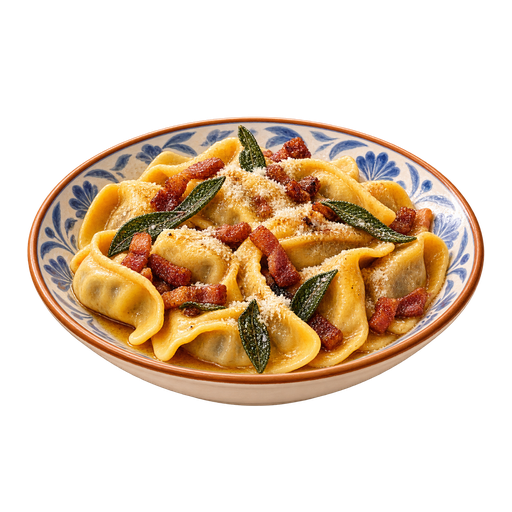
Lombardy, Italy
Lombard stuffed pasta with meat, amaretti and pear in butter-sage.
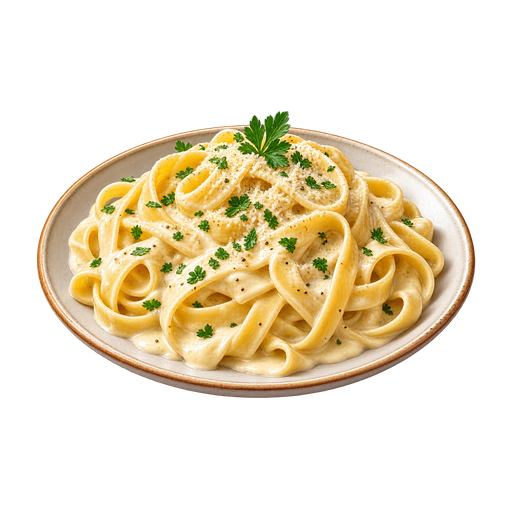
Rome, Italy
Roman fresh egg fettuccine tossed with butter and Parmigiano, emulsified with pasta water. The original Alfredo in Rome is far simpler than the cream-heavy American version.
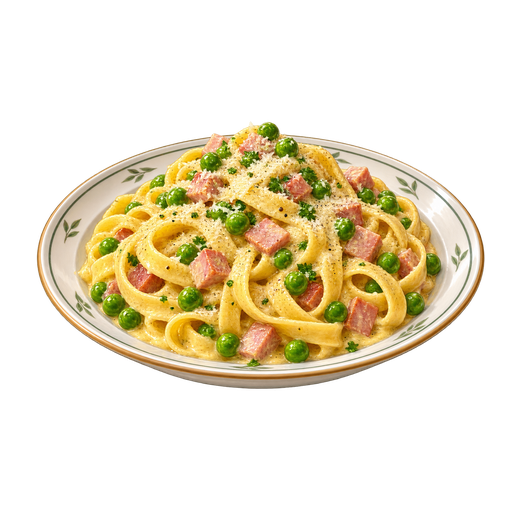
Rome, Vatican City
Fettuccine alla papalina is a Roman restaurant pasta of fresh fettuccine, eggs, butter, cream, Parmesan, prosciutto, and onion, associated with papal requests but not produced in Vatican City.
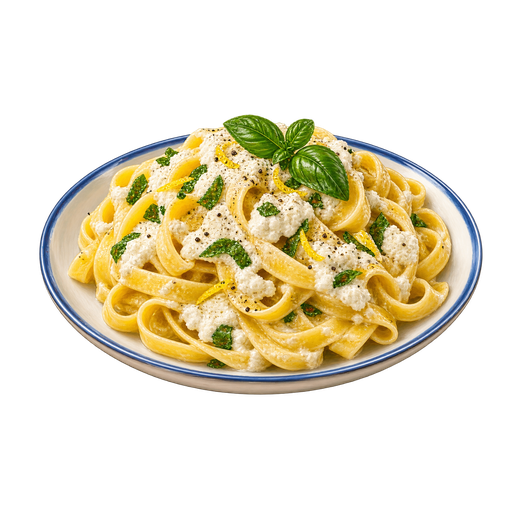
Umbria, Italy
Fettuccine con la ricotta is a named Italian pasta from Umbria, pairing its characteristic shape or filling with a defining sauce, broth, or seasoning; the form distinguishes it from a generic version.
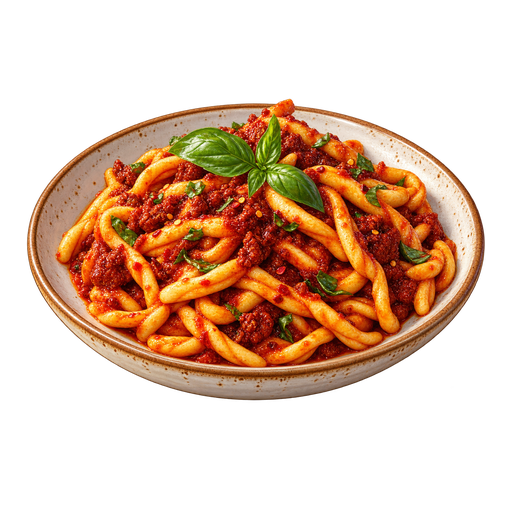
Calabria, Italy
Fileja con 'nduja is a named Italian pasta from Calabria, pairing its characteristic shape or filling with a defining sauce, broth, or seasoning; the form distinguishes it from a generic version.
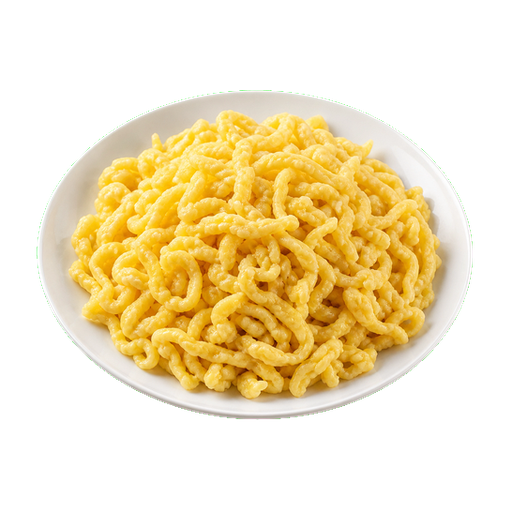
Trentino-Alto Adige, Germany
Spätzle Tirolesi
Spätzle are irregular hand-cut or pressed egg noodles made from flour and eggs, served soft as a Swabian German staple and as Spätzli in Switzerland.
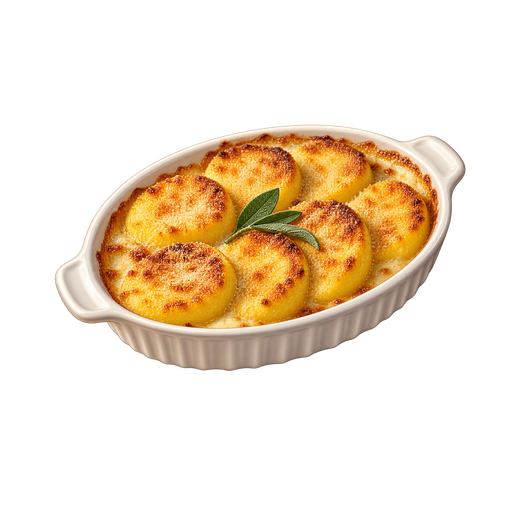
Rome, Italy
Not potato gnocchi but semolina disks baked with butter and Parmigiano until golden. A Roman comfort dish, often served on Thursday.
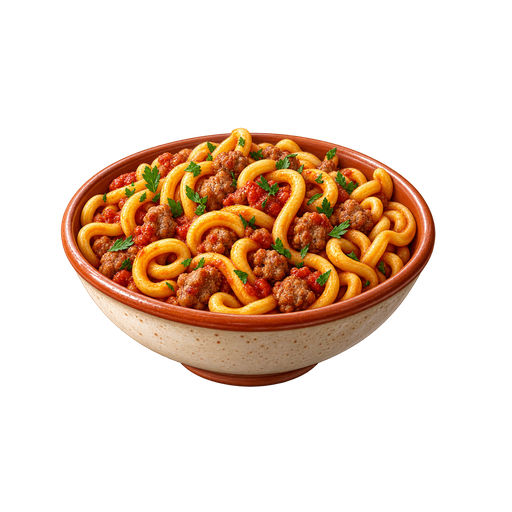
Bologna, Italy
Gramigna con salsiccia
A short, curly Bolognese pasta dressed with sausage ragù, a rustic alternative to the city's better-known flat pastas.
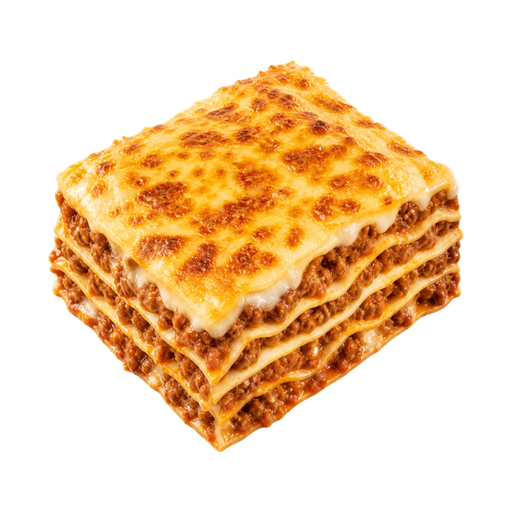
Bologna, Italy
Layered fresh egg pasta sheets with ragù bolognese and béchamel, finished with Parmigiano and baked until golden. A Sunday-lunch icon of Emilia-Romagna.
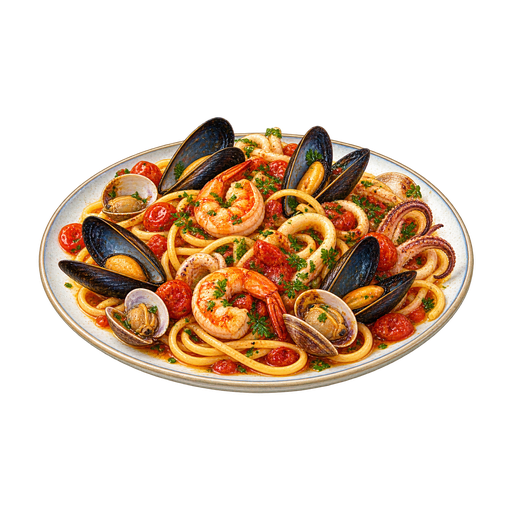
Campania, Italy
A seafood pasta of linguine with mixed shellfish—clams, mussels, shrimp, calamari—in a light tomato-garlic-white wine sauce. A coastal Campanian classic.
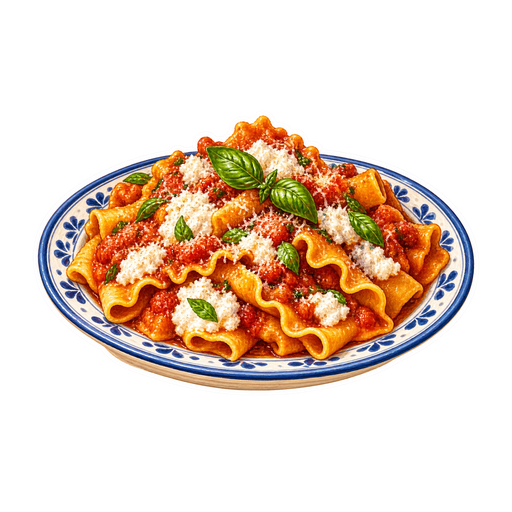
Naples, Italy
Manfredi con la ricotta is a named Italian pasta from Naples, pairing its characteristic shape or filling with a defining sauce, broth, or seasoning; the form distinguishes it from a generic version.
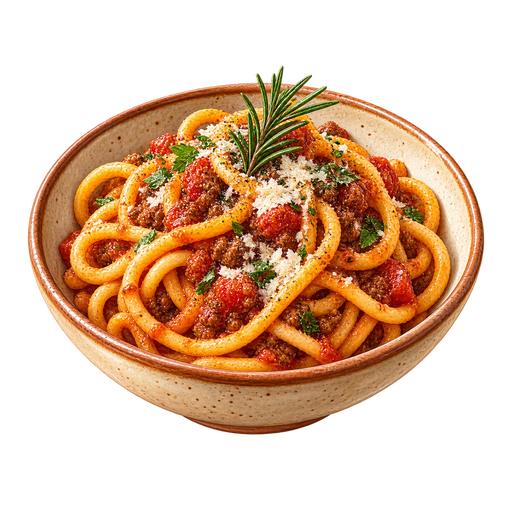
Apulia, Italy
Ear-shaped Apulian pasta, classic with cime di rapa.
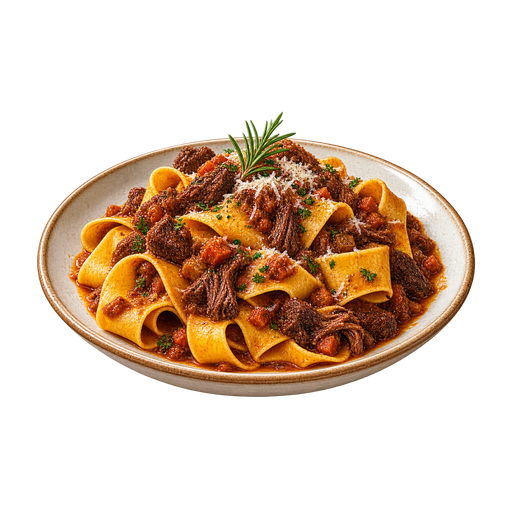
Tuscany, Italy
Tuscan wide ribbon pasta with a slow-cooked wild boar ragù of red wine, rosemary, tomato, and juniper. A cold-weather icon of central Italy.
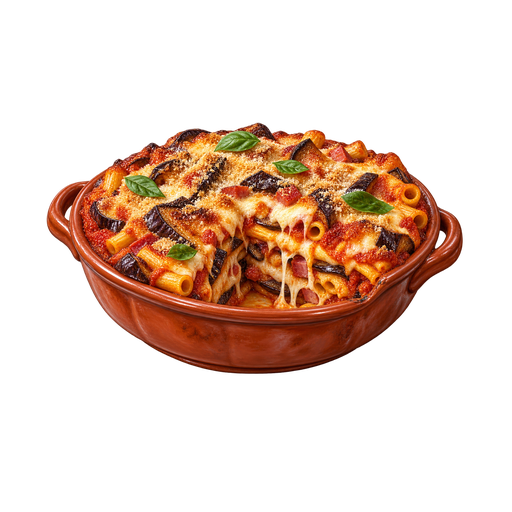
Sicily, Italy
Sicilian baked pasta—penne or rigatoni bound with ragù or tomato, fried eggplant, caciocavallo, and béchamel, molded and inverted onto a plate.
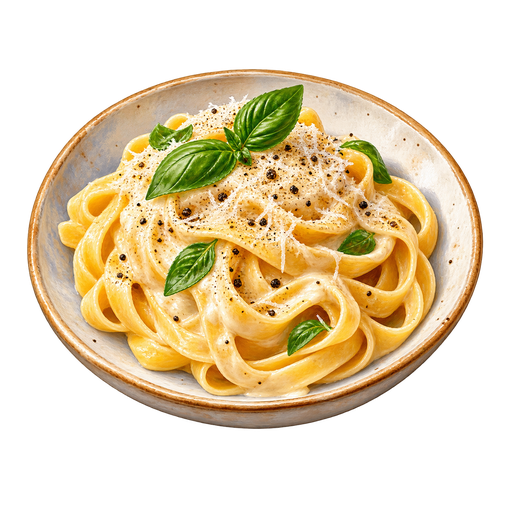
Italy
Pasta al mascarpone is a named Italian pasta from Province of Lodi, pairing its characteristic shape or filling with a defining sauce, broth, or seasoning; the form distinguishes it from a generic version.
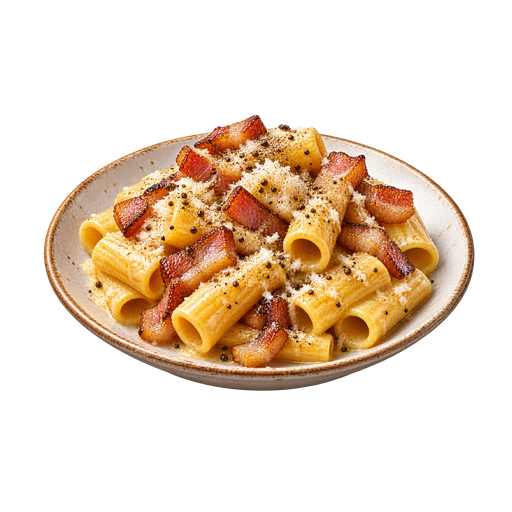
Rome, Italy
The white ancestor of amatriciana: guanciale crisped in its own fat, Pecorino Romano, and black pepper—no tomato. Sometimes called amatriciana bianca.
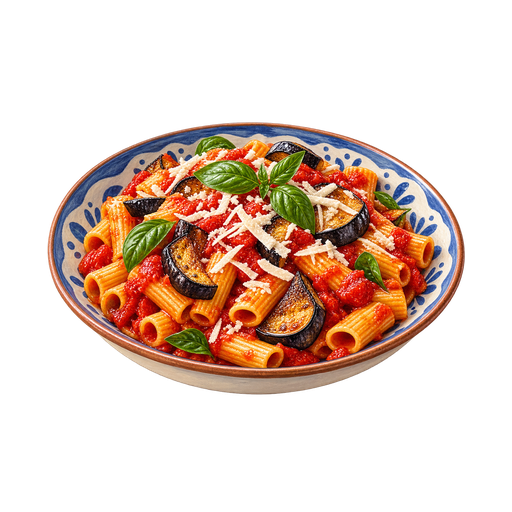
Sicily, Italy
Sicilian pasta of maccheroni with fried eggplant, tomato, basil, and salted ricotta (ricotta salata). Named by a playwright after Bellini's opera Norma.
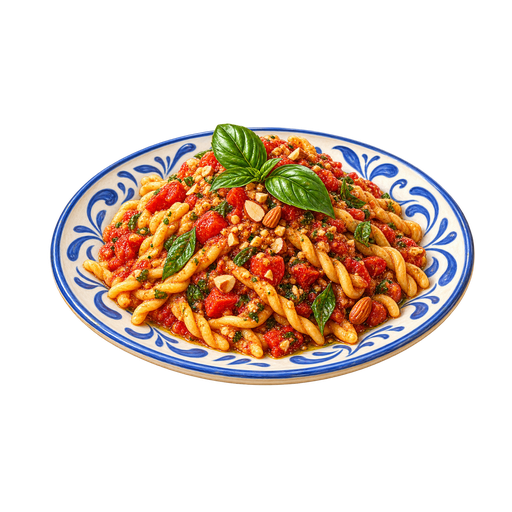
Sicily, Italy
Trapani's raw tomato, almond, basil, garlic, and olive oil pesto (pesto alla trapanese) tossed with busiate pasta. A Sicilian alternative to Genovese pesto.
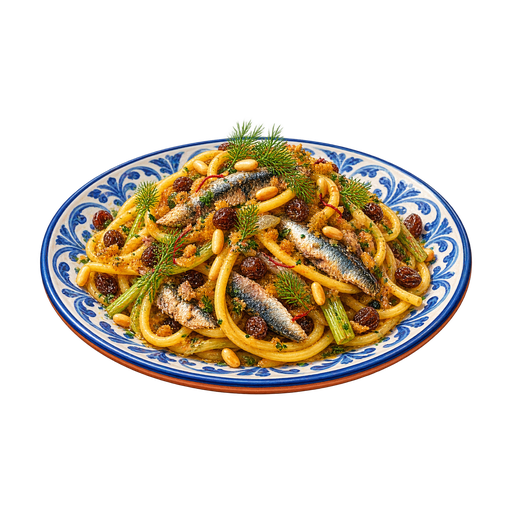
Sicily, Italy
Sicilian pasta with sardines, wild fennel, pine nuts, raisins, and saffron. A dish born of Arab influence, traditionally made in spring when wild fennel blooms.
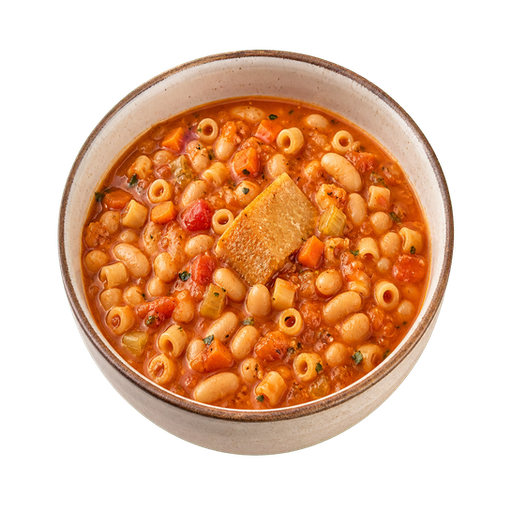
Italy
Pasta e fagioli is a named Italian soup form combining borlotti or cannellini beans, small pasta, soffritto, and a savoury broth; regional versions may add tomato, herbs, or a Parmigiano rind.
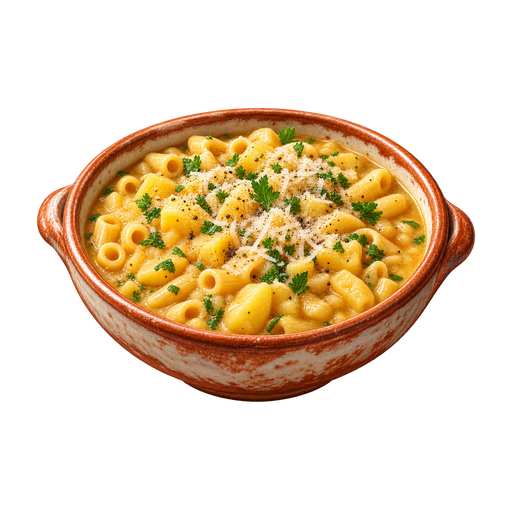
Naples, Italy
Neapolitan comfort dish of small pasta, potatoes, tomato, and Pecorino or Provola, cooked into a thick stew. A primo that eats like a meal.
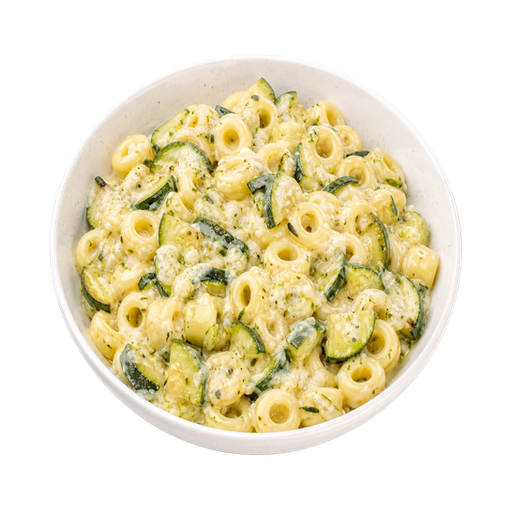
Naples, Italy
Neapolitan summer pasta of small pasta, zucchini, garlic, olive oil, and Provola or ricotta. A lighter cousin of pasta e patate.
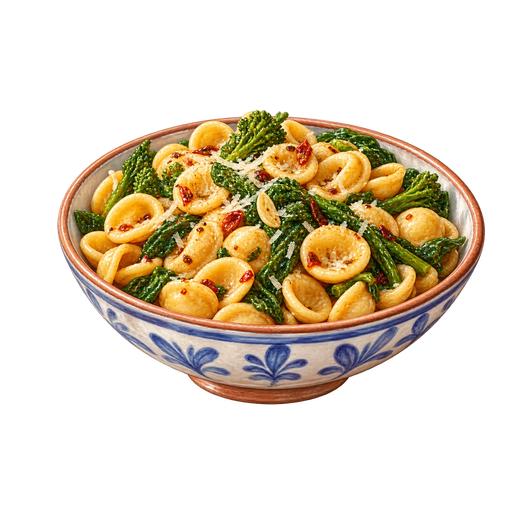
Tuscany, Italy
Thick hand-rolled Tuscan pasta from Siena/Arezzo.
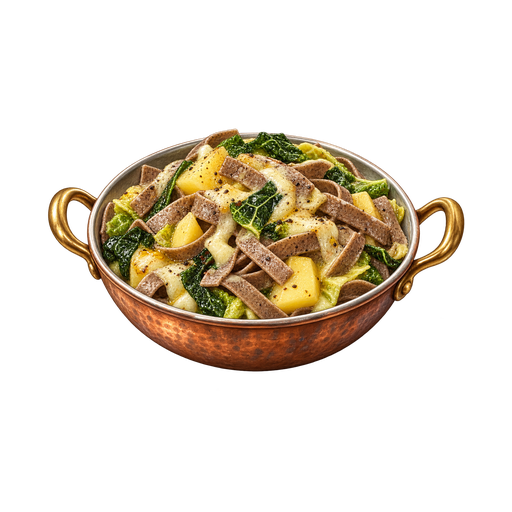
Lombardy, Italy
Buckwheat tagliatelle from Valtellina layered with casera cheese, bitto, Savoy cabbage, and potatoes, finished with garlic-and-sage browned butter.
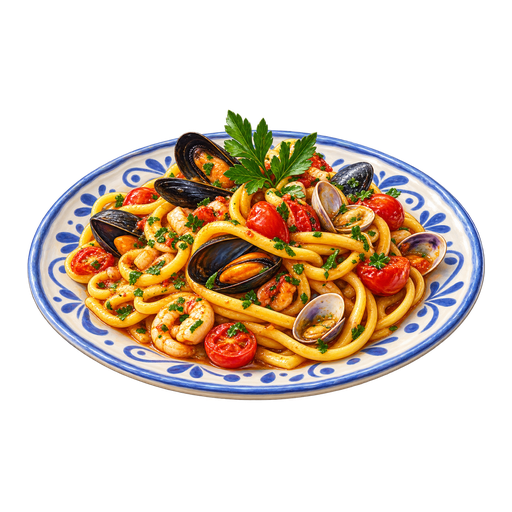
Naples, Italy
Short thick Amalfi/Neapolitan pasta.
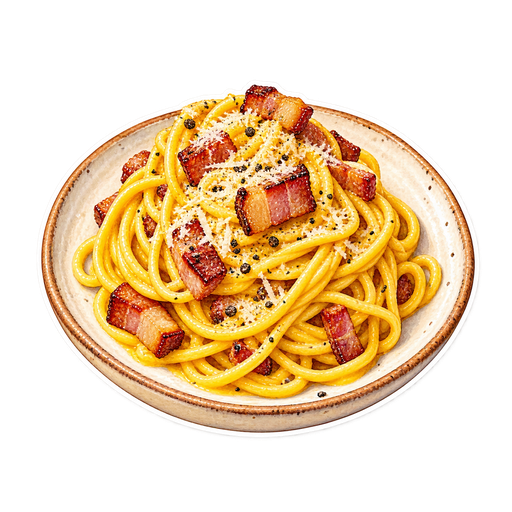
Abruzzo, Italy
Spaghetti al guanciale is a named Italian pasta from Abruzzo, pairing its characteristic shape or filling with a defining sauce, broth, or seasoning; the form distinguishes it from a generic version.
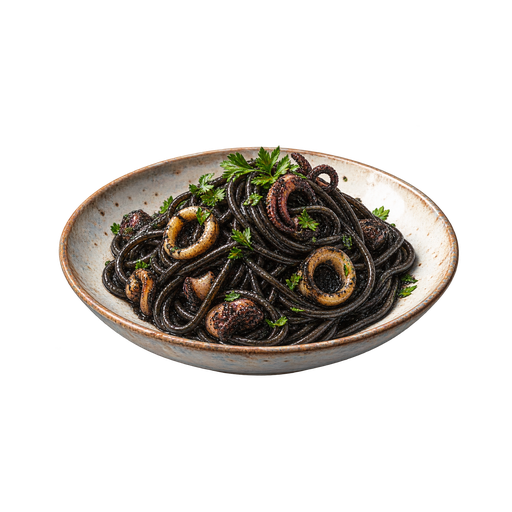
Venice, Italy
Venetian spaghetti colored and seasoned with cuttlefish ink, usually served with the seafood that gives the dish its lagoon identity.