Ise, Japan
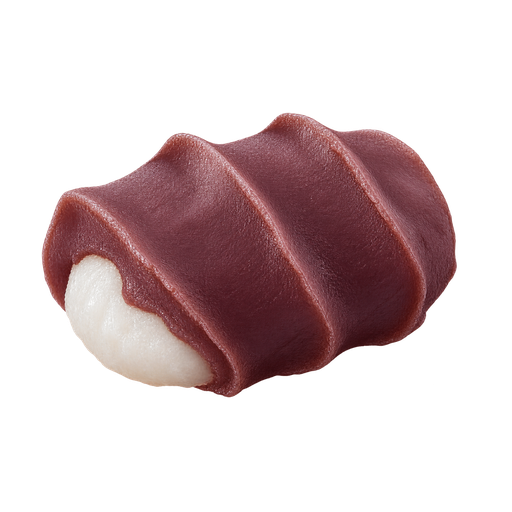
Akafuku
赤福
Akafuku, the red-bean-draped mochi sold at the Ise Grand Shrine approach since 1707, is a named regional confection with a fixed place and a three-century history.

The complete directory
18 foods match this view. Search local names, narrow the map, or follow a category.
Ise, Japan
赤福
Akafuku, the red-bean-draped mochi sold at the Ise Grand Shrine approach since 1707, is a named regional confection with a fixed place and a three-century history.
Japan
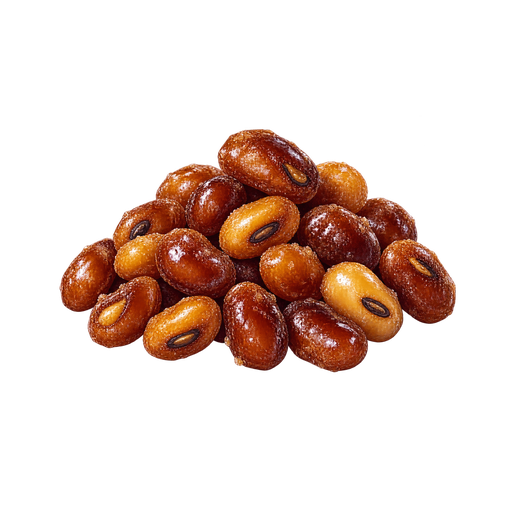
甘納豆
Amanatto consists of beans slowly candied in syrup and coated in sugar, leaving each piece glossy and chewy.
Japan
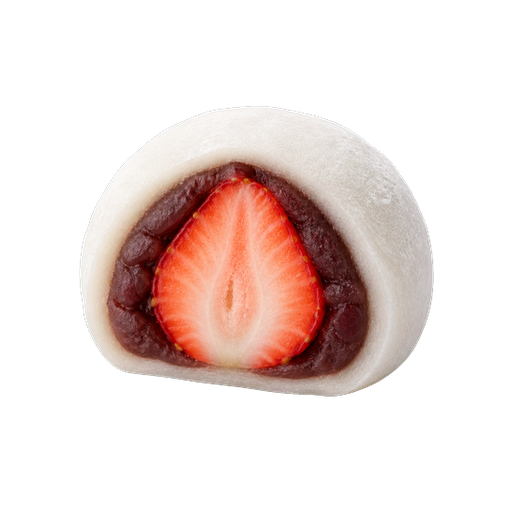
大福
Soft mochi skin wrapped around sweet red bean paste (anko), often with a whole strawberry inside.
Japan
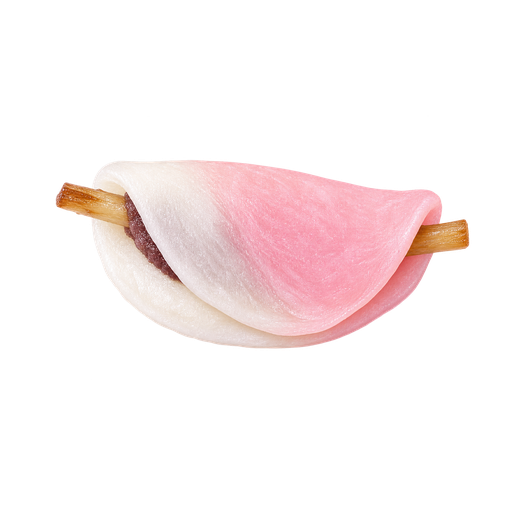
花びら餅
Hanabiramochi, the pale mochi folded over white miso and a candied burdock root, is the fixed sweet of the New Year tea ceremony and appears for a few weeks only.
Japan
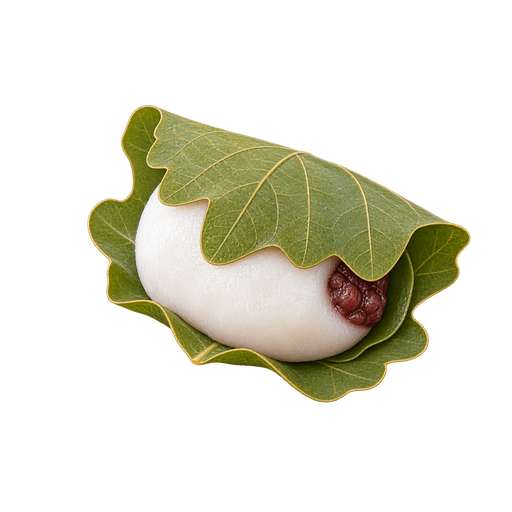
柏餅
Kashiwamochi, mochi wrapped in an oak leaf and eaten at Children's Day, is a named calendar sweet with a fixed May window.
Kyoto, Japan
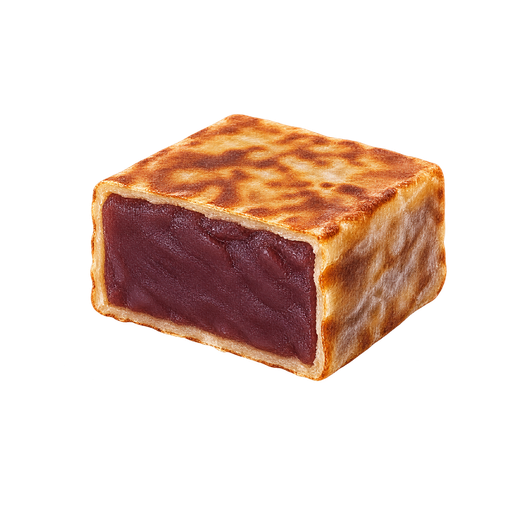
きんつば
A Kyoto sweet: a rectangular block of sweet bean paste coated in a thin wheat-flour skin.
Okinawa, Japan
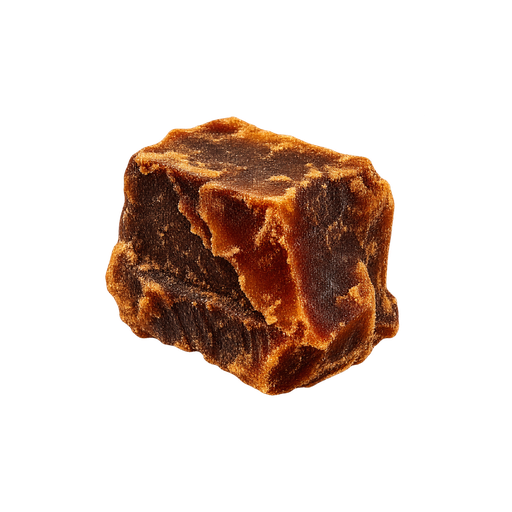
黒糖
Kokuto, Okinawan black sugar pressed from island cane and sold in rough lumps, is a named product bought as itself and eaten as a sweet.

Japan
金平糖
Konpeito, the tiny spiked sugar star of Portuguese descent made over days by hand, is a named Japanese confection with dedicated makers and an imperial-gift role.
Japan
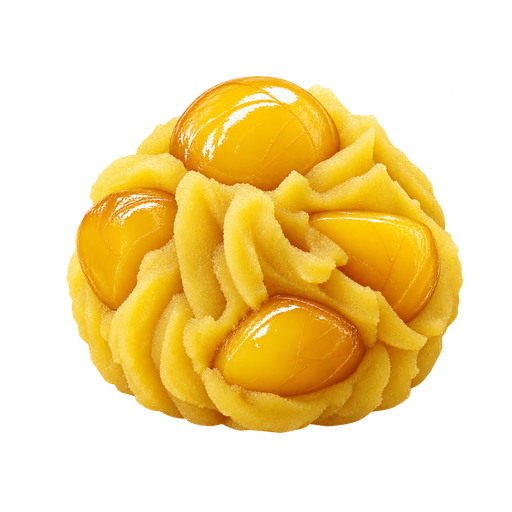
栗きんとん
Kuri kinton, chestnuts in a glossy sweet-potato paste, is a named osechi dish with a fixed New Year meaning.
Japan
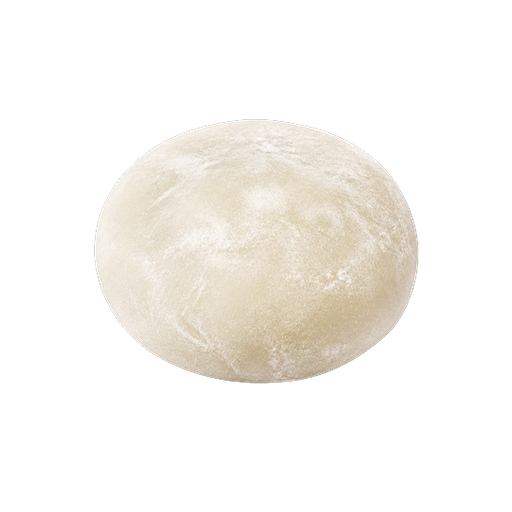
餅
Glutinous rice steamed and pounded into a soft, stretchy cake, eaten at New Year and year-round.
Japan
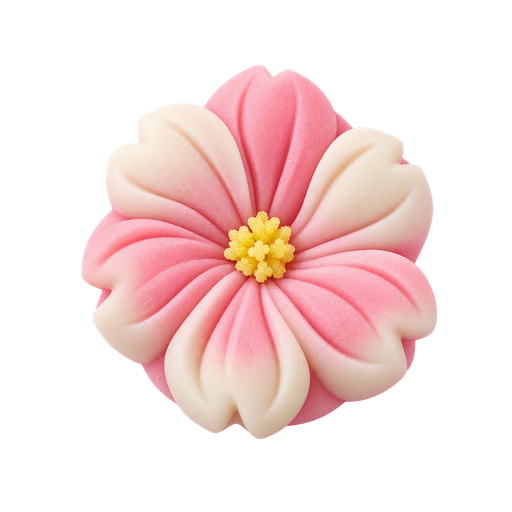
練り切り
Nerikiri, the hand-sculpted seasonal wagashi shaped into flowers and leaves for the tea ceremony, is the apex form of Japanese confectionery.

Japan
おはぎ
Mochi coated in chunky sweet red bean paste or kinako, eaten during autumn equinox (ohigan).
Japan
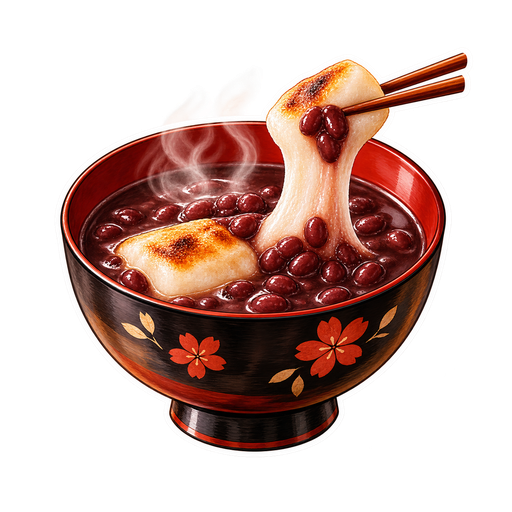
お汁粉
A warm, sweet red bean soup with mochi, a winter comfort dessert often served at New Year.
Japan
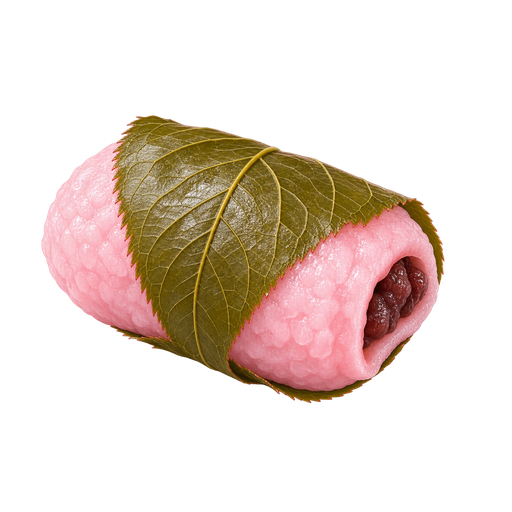
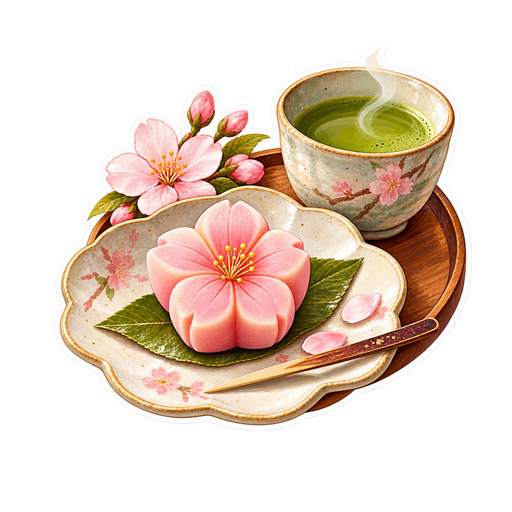
桜餅
A spring sweet of pink mochi wrapped around sweet bean paste, with a pickled cherry-blossom leaf.
Japan
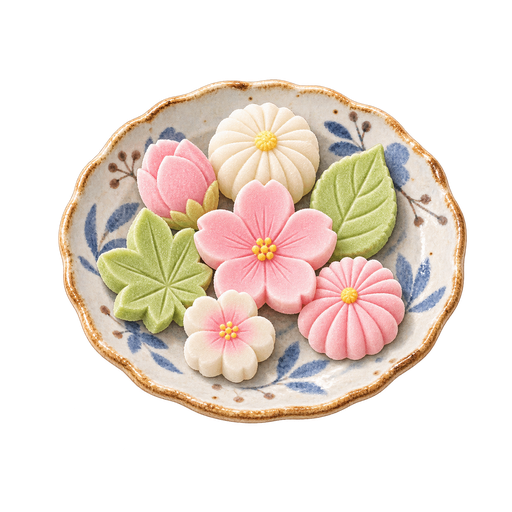
和菓子
Traditional Japanese confections made from plant ingredients, served with tea, often seasonal in design.
Shikoku, Japan
和三盆
Wasanbon, the fine hand-ground sugar of Shikoku pressed into small moulded sweets, is a named traditional product bought as itself and the base of high-end wagashi.

Kyoto, Japan
八橋
Kyoto's thin, cinnamon-flavored mochi, folded around red bean paste, sold as souvenirs.
Sendai, Japan
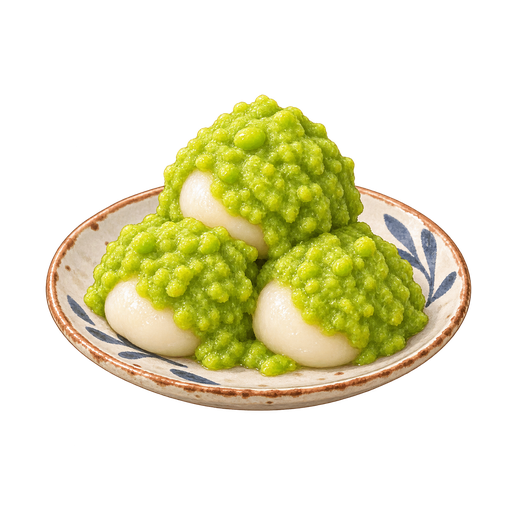
ずんだ餅
Zunda mochi, mochi under a bright green paste of mashed young edamame, is Sendai's defining sweet and a named regional omiyage.