
Flours
Couac
French Guiana · Colombia +1
Coarse cassava granules made by grating, pressing, drying, and roasting bitter cassava.
 Flours

A closer look
 A closer look
What to look for.
Look for coarse, pale-golden cassava granules with a slightly nutty taste.
Places to try
Where to eat it.
Explore places by city, with suggestions on what to order and how to get there.
Cayenne
No recently checked suggestions in Cayenne yet.
Kourou
No recently checked suggestions in Kourou yet.
Geographic connections
Places and
traditions.
Explore the places connected to Couac, from possible origins to local traditions.



Other names & spellings 3
Keep exploring
More foods to discover.

Libya · Tunisia
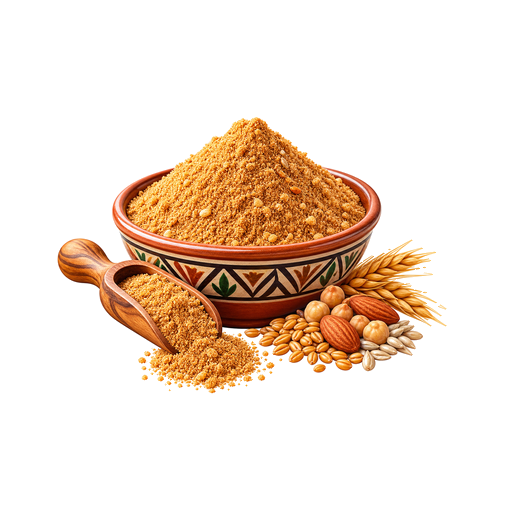
Bsissa
بسيسة
A roasted and ground cereal mixture, commonly based on barley or wheat, with regional additions such as chickpeas, fenugreek, anise or coriander. It is mixed with olive oil into a paste, often eaten with dates; Tunisian preparations also include drinks made with water.

Nauru

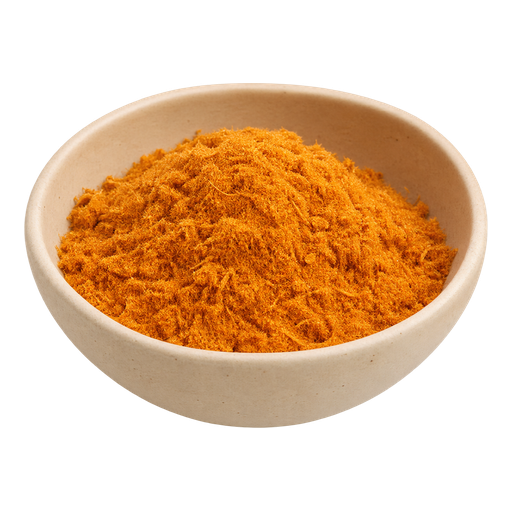
Ekareba
Traditional Nauruan pandanus flour, a way of preserving the fruit in dried, powdered form.

Ghana · Nigeria +6
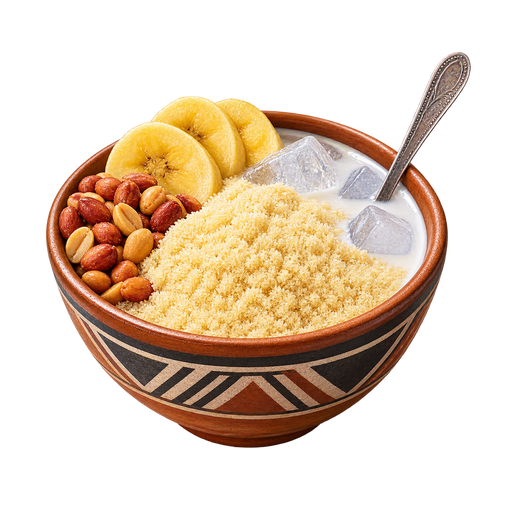
Gari
Gaari
Roasted, fermented cassava granules eaten dry, soaked in water or cooked into a firm paste; in Benin, the cooked paste is called piron.
Estonia · Finland
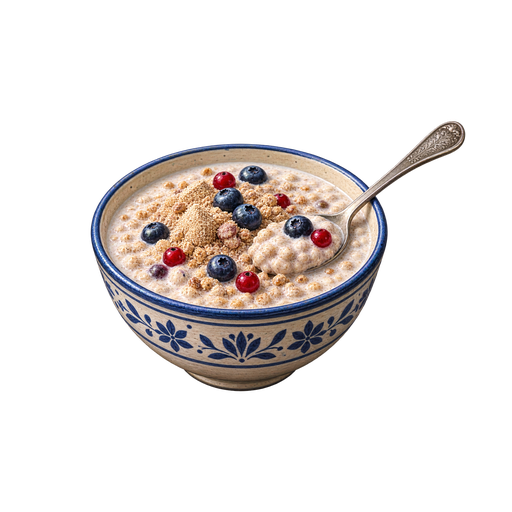
Kama
A precooked, dried grain flour, often toasted and sometimes mixed with peas. Estonian kama and Finnish talkkuna vary in grain blend and coarseness; they are stirred into cultured milk or used in porridge, desserts and baking.
Ecuador · Peru
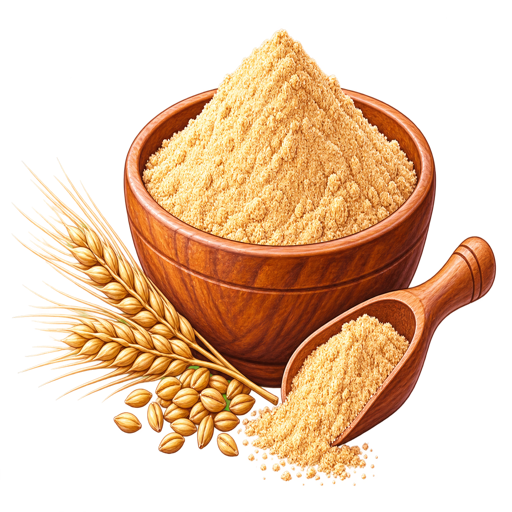
Máchica
Máchica is finely milled roasted barley flour stirred into coladas, pinol-like drinks, porridges or simple snacks.
Brazil

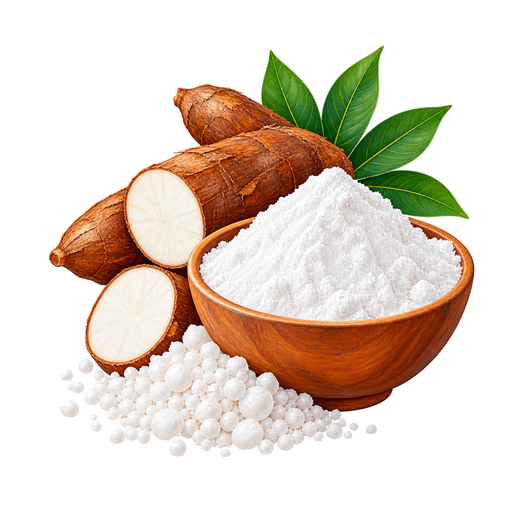
Polvilho Azedo
Sour cassava starch that gives Brazilian cheese breads and biscuits their airy, crisp structure.
Papua New Guinea

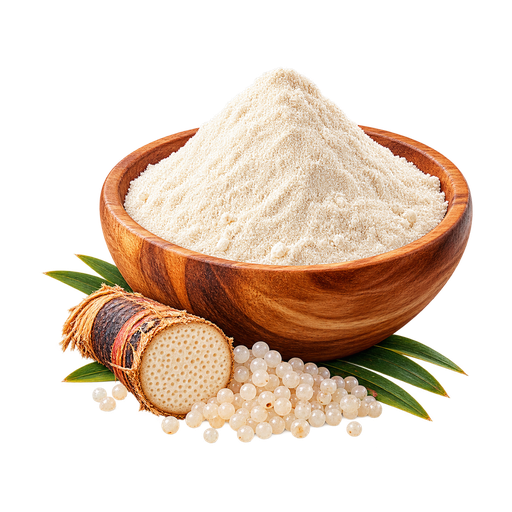
Sago Flour
Starch extracted from sago palm pith, used in Papua New Guinean preparations such as pancakes, dumplings and nangu.
Kazakhstan · Kyrgyzstan
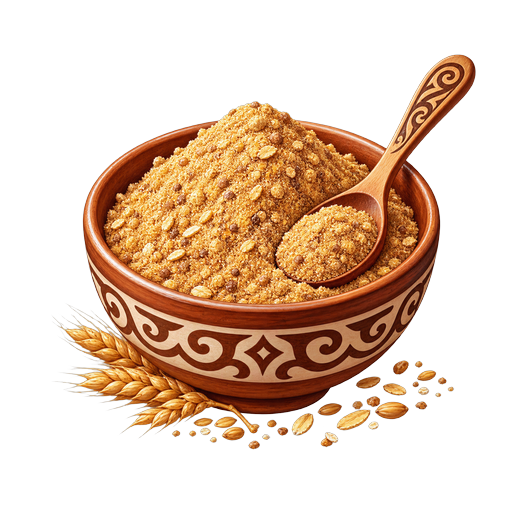
Talkan
Талқан
Roasted grain, commonly wheat or barley, ground into a meal and eaten with additions such as milk, water or sweeteners.